Engagement
This or that: sunrise blast out RR 2222 or a slow roll along Lake Travis. Pick one and tell us why. #RideNationAustin #LakeTravis #HillCountry
Giveaway & Countdown
$20,000 toward any bike you want. That is the BikersWin giveaway, and it is 100 percent free to enter. Riders 18 and up, drawn December 10. Entry link in the comments. #RideNationAustin #BikersWin #20kGiveaway
Local TX & Rides
The Twisted Sisters never get old. RR 335, 336, and 337 out of Medina and Leakey, tight switchbacks and clean pavement. Fuel up before you go, services are thin out there. #RideNationAustin #TwistedSisters #HillCountry
Gear & New Iron
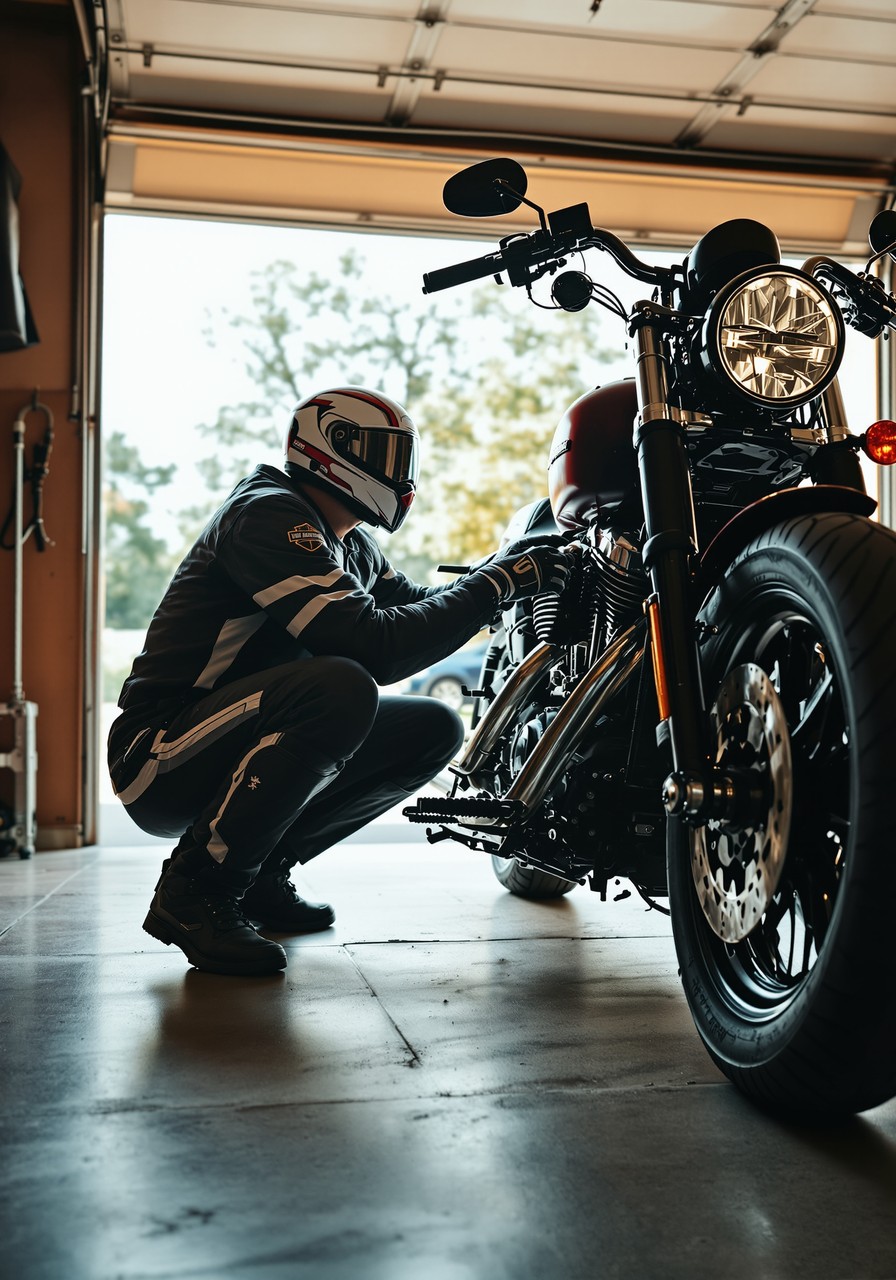
Your helmet has a DOT sticker for a reason. If it took a hard drop, it is done, even if it looks fine. The foam crushes once. Replace it. #RideNationAustin #ATGATT #GearUp
Safety & TX Law
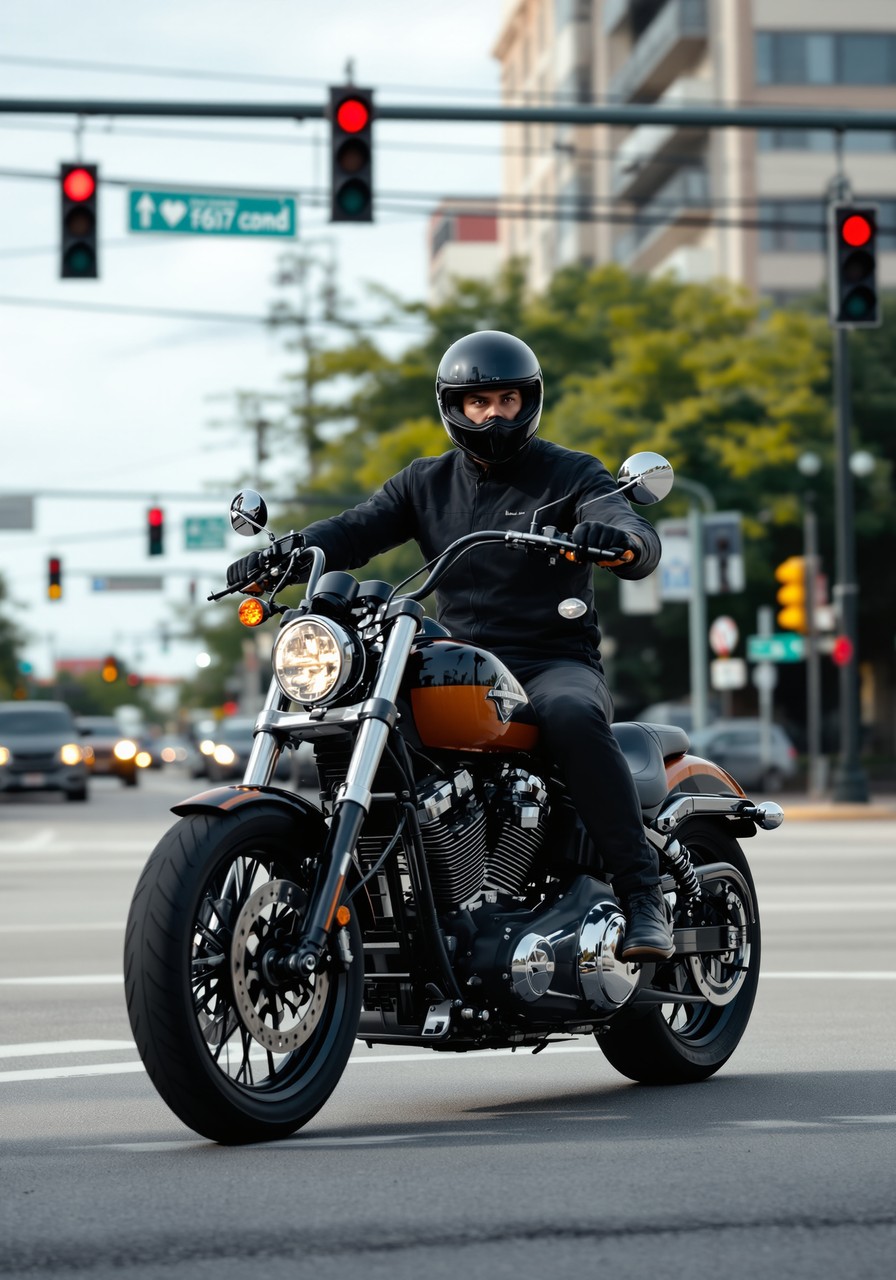
Texas only makes the other driver carry 30/60/25 in liability. One serious crash eats through that in a hurry, so UM/UIM is the coverage that actually protects you. Questions about your policy? Glen Larson and Biker Wolfpack Law, no cost to talk. 512-883-0277. #RideNationAustin #TexasLaw #UninsuredMotorist
Engagement
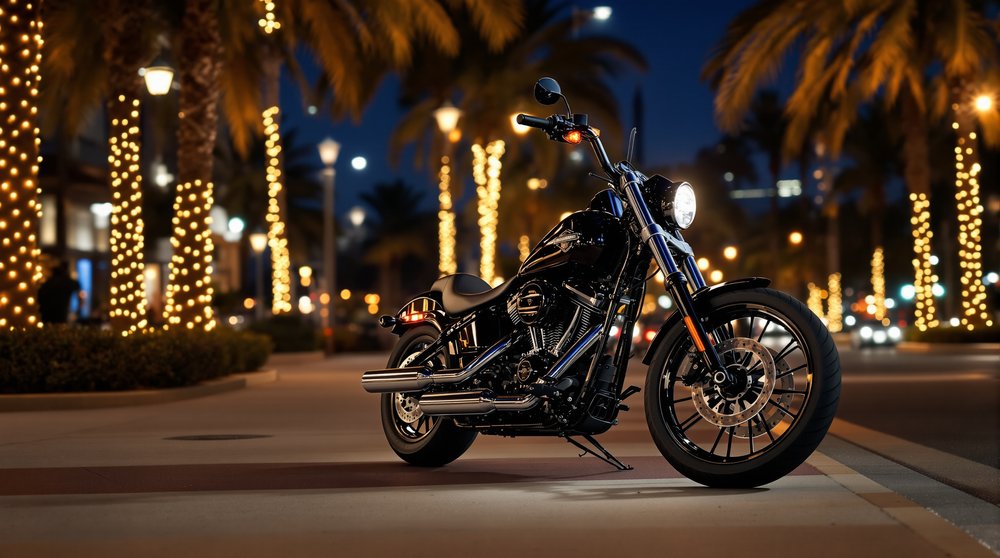
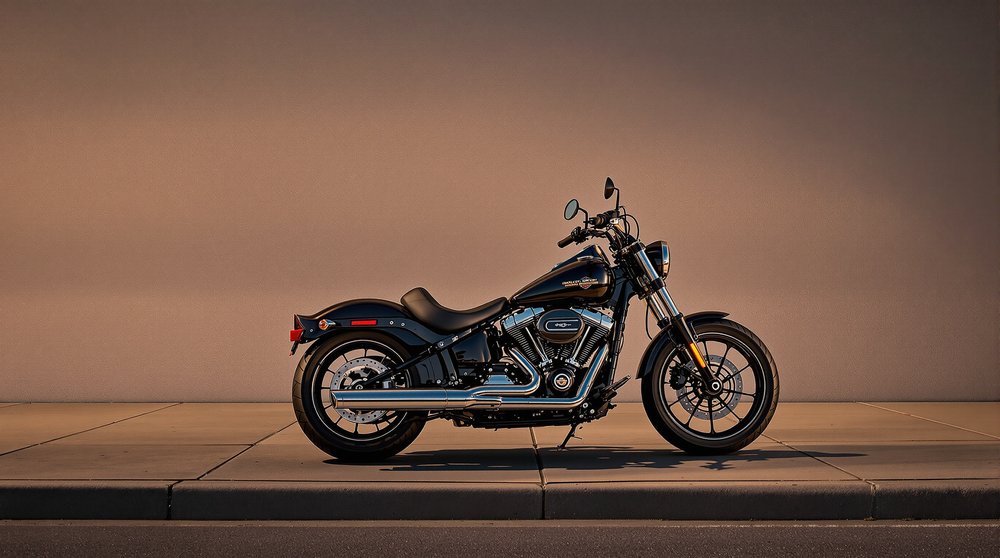
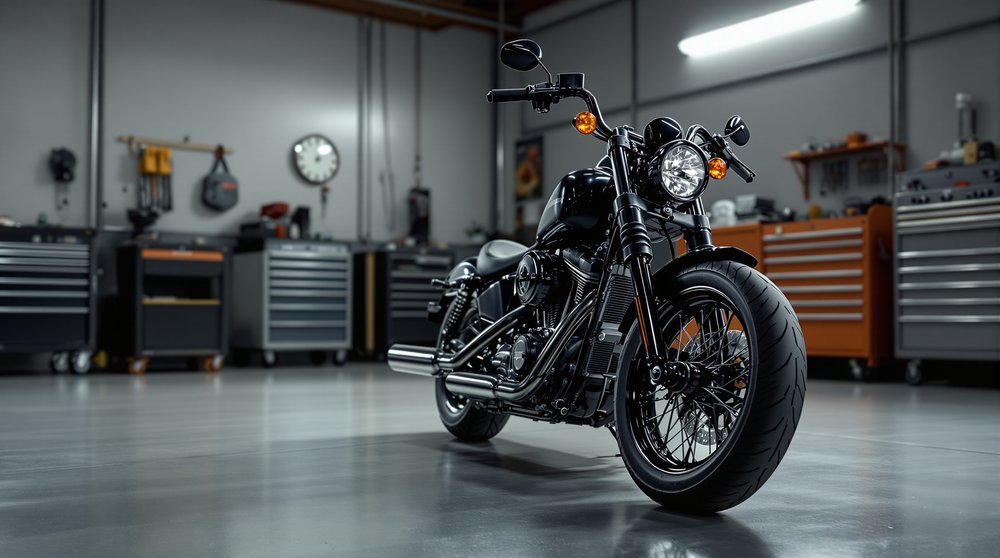
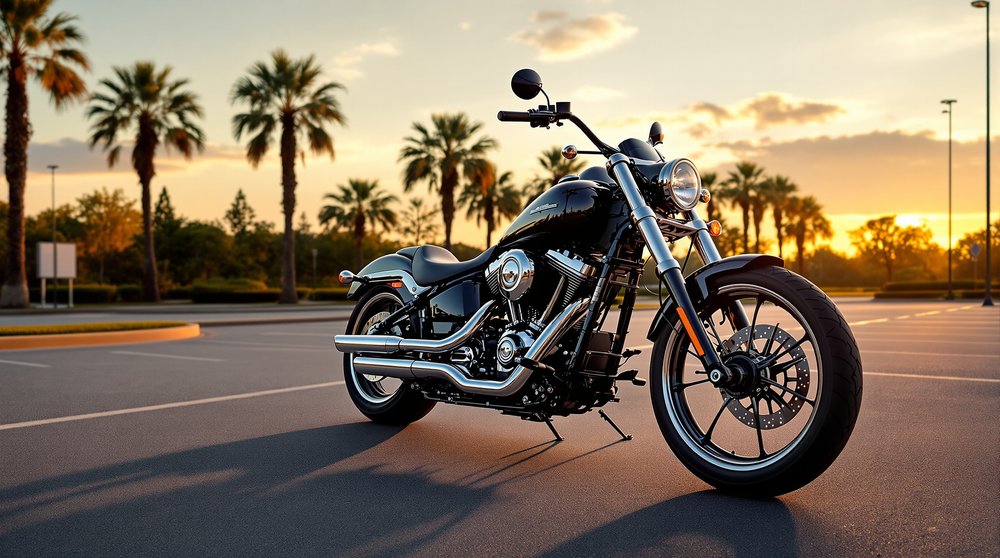
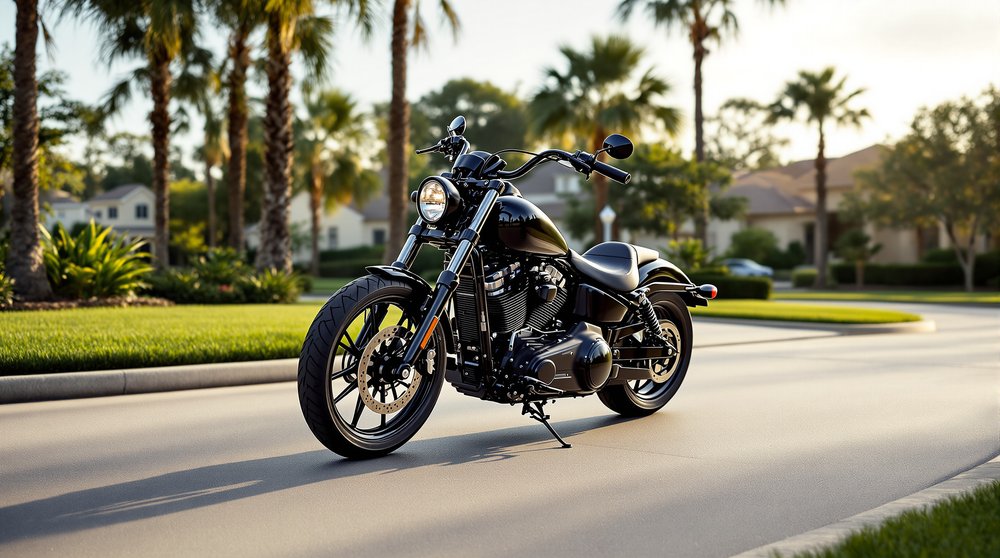
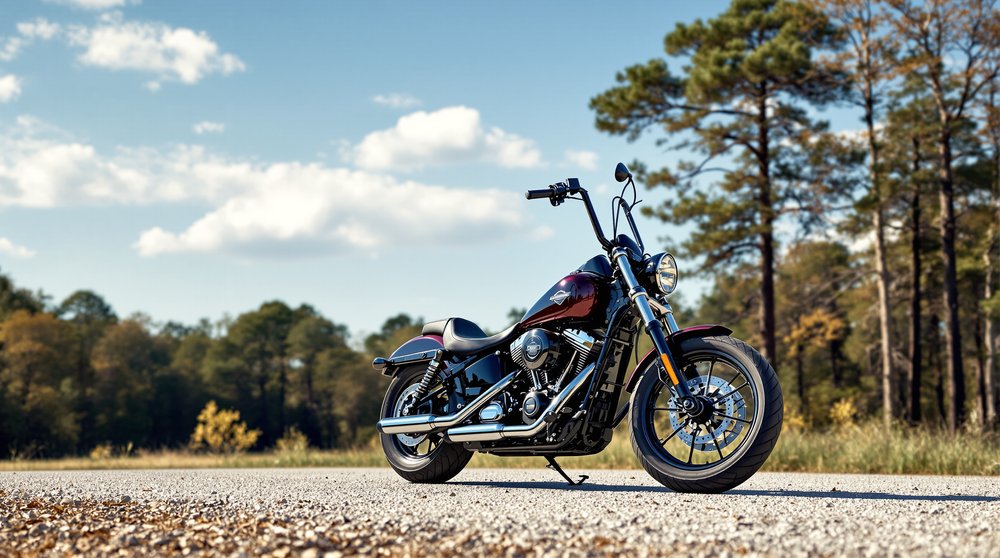
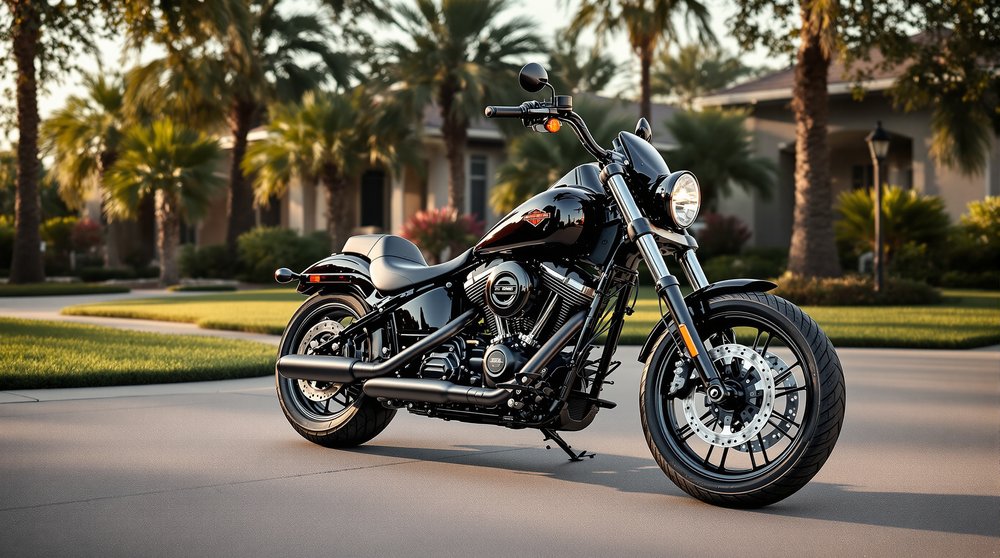
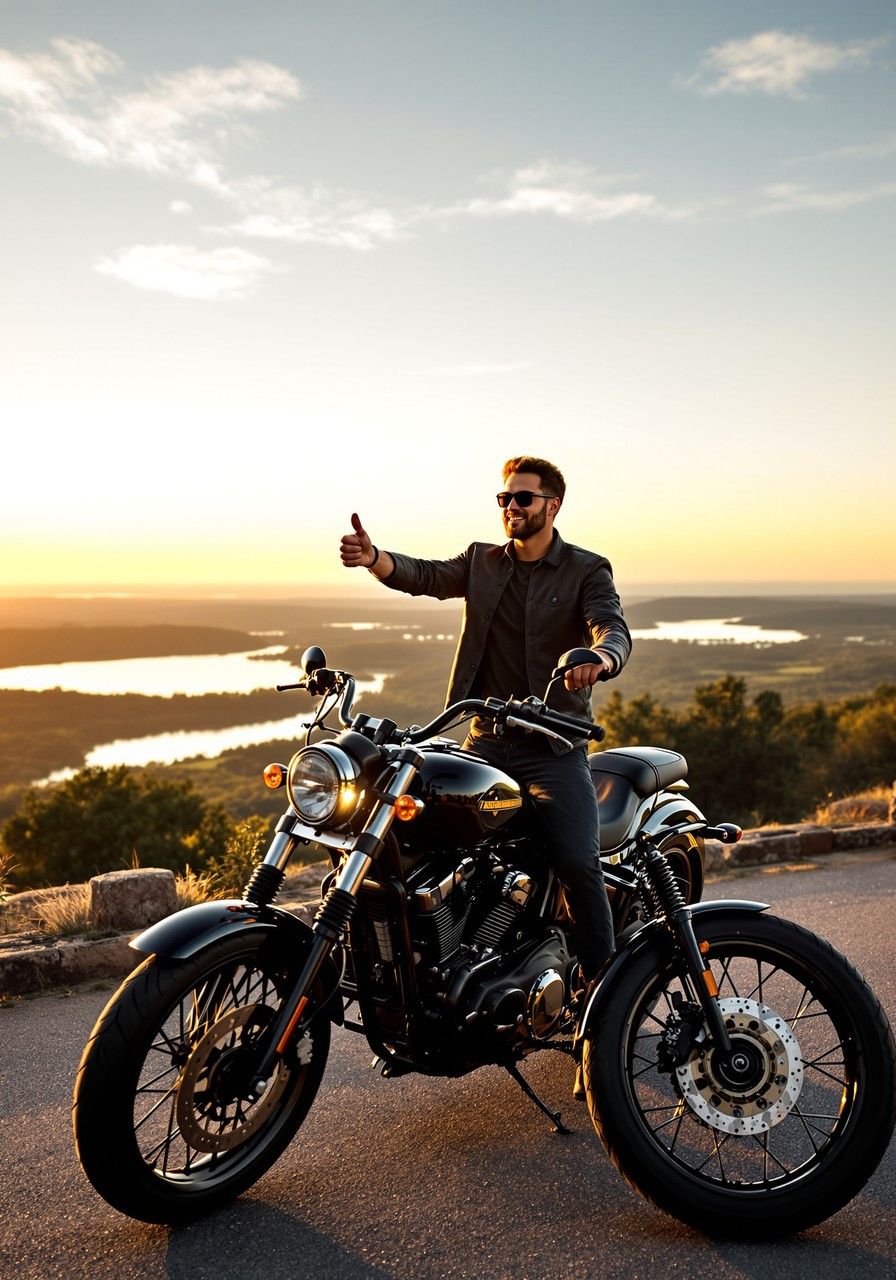
Caption this ride photo. Best line wins bragging rights for the week. #RideNationAustin #AustinRiders #TwoWheels
Giveaway & Countdown
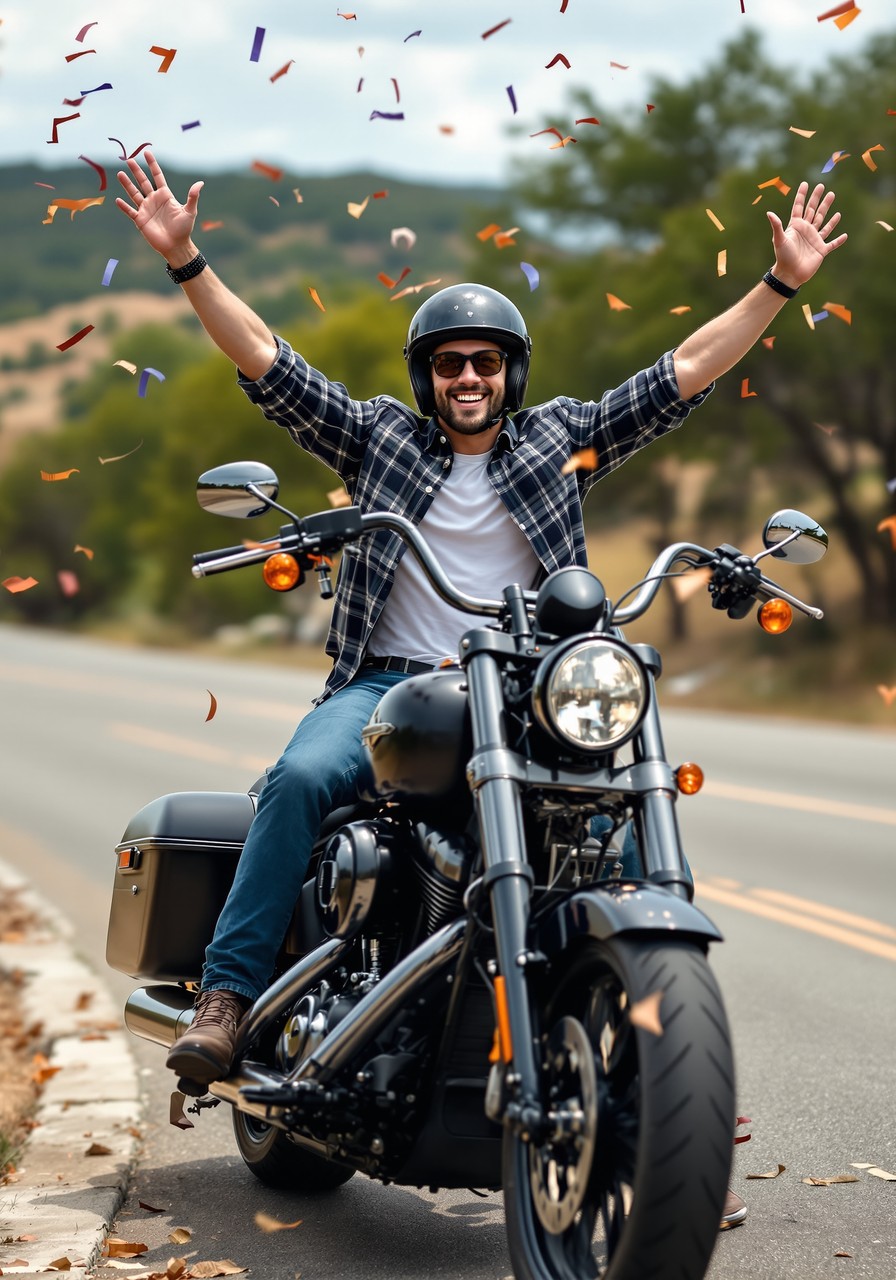
Imagine rolling into spring on a brand new ride, paid for with $20,000 you did not spend. One winner gets exactly that. Free to enter, link in comments. #RideNationAustin #MotorcycleGiveaway #WinABike
Local TX & Rides
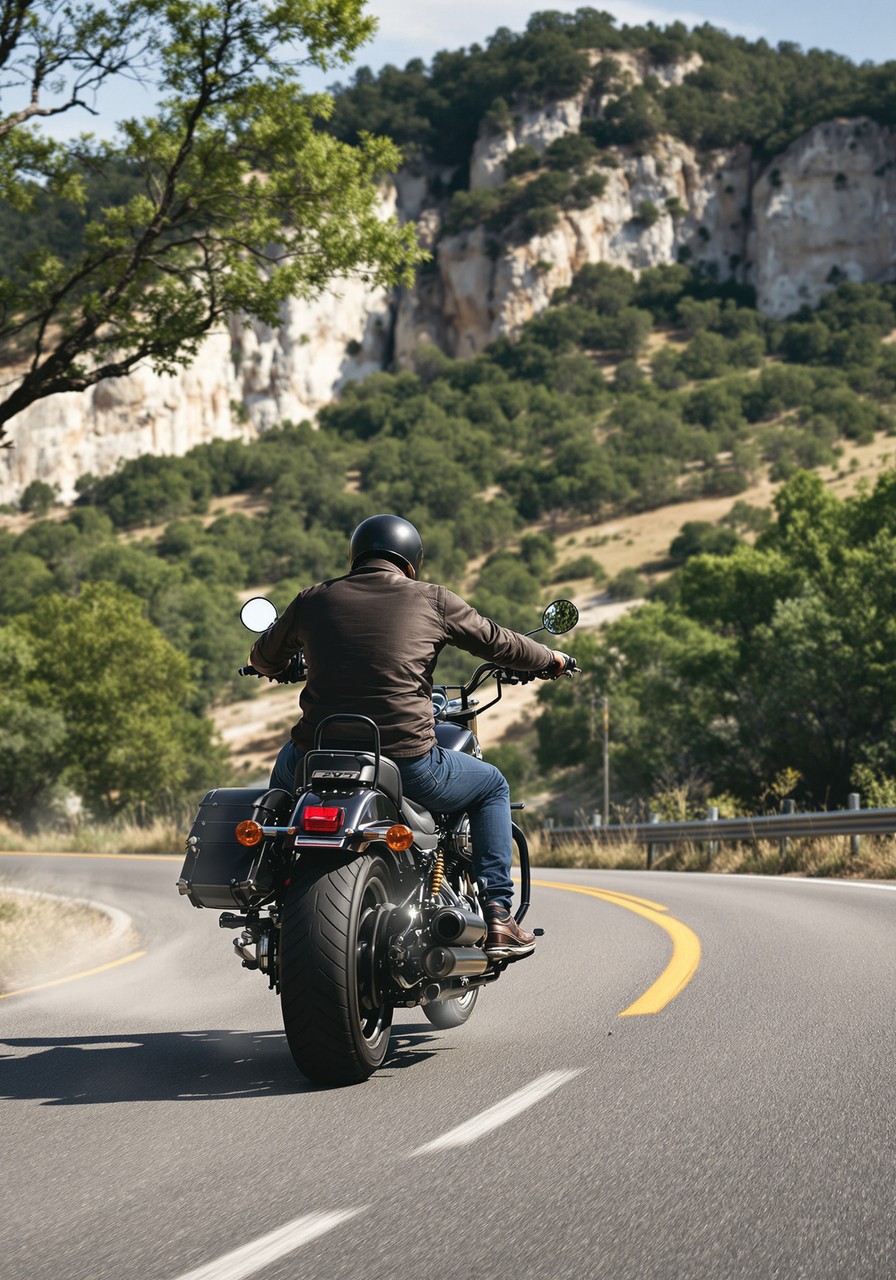
RR 2222 from 360 out to Lakeway is one of the best morning runs in town. Watch the blind crests and the traffic merging at the McNeil light. #RideNationAustin #AustinRiders #MotorcycleRoads
Gear & New Iron
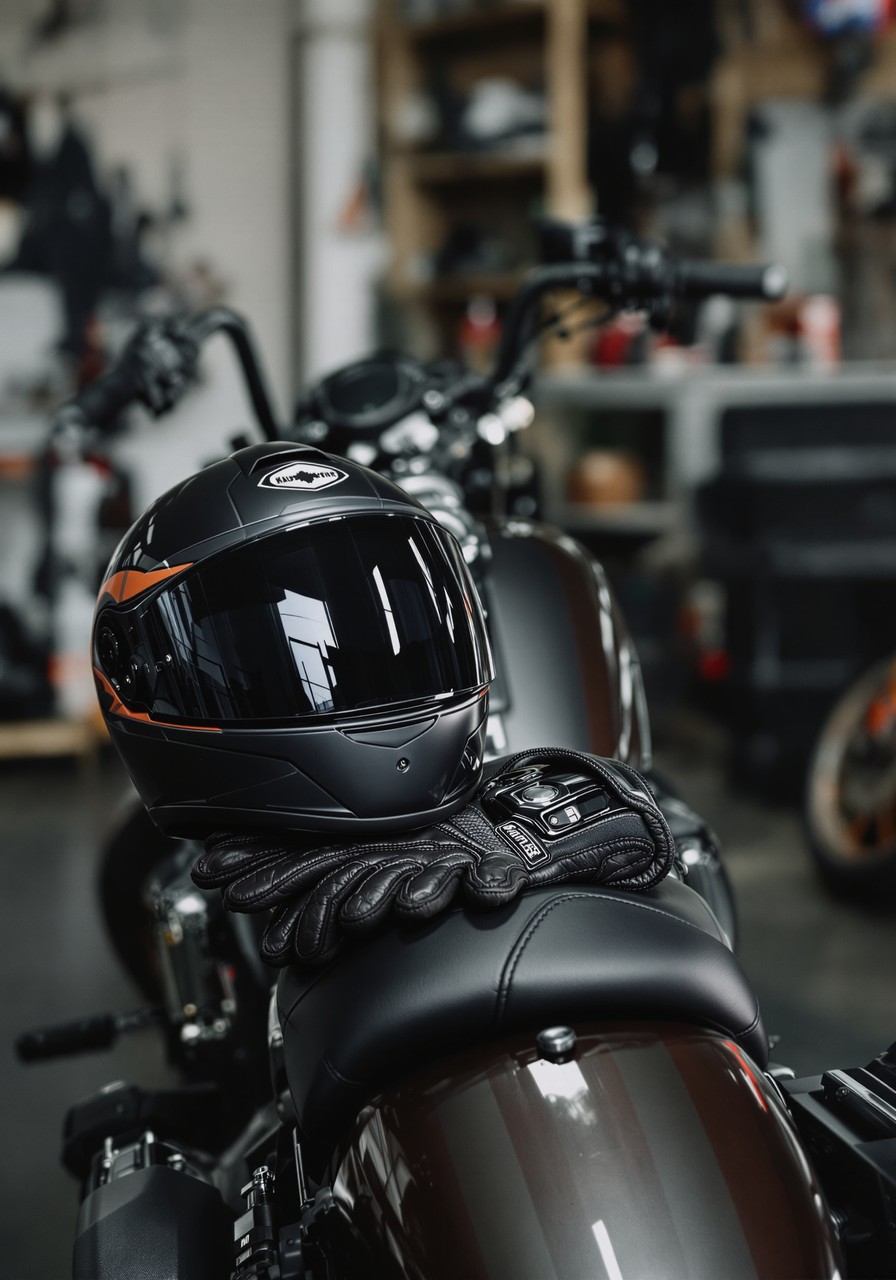
Helmets age out. Most makers say five years from the manufacture date inside the shell. Sweat, sun, and Texas heat break down the liner faster than you think. #RideNationAustin #GearUp #RiderTips
Safety & TX Law
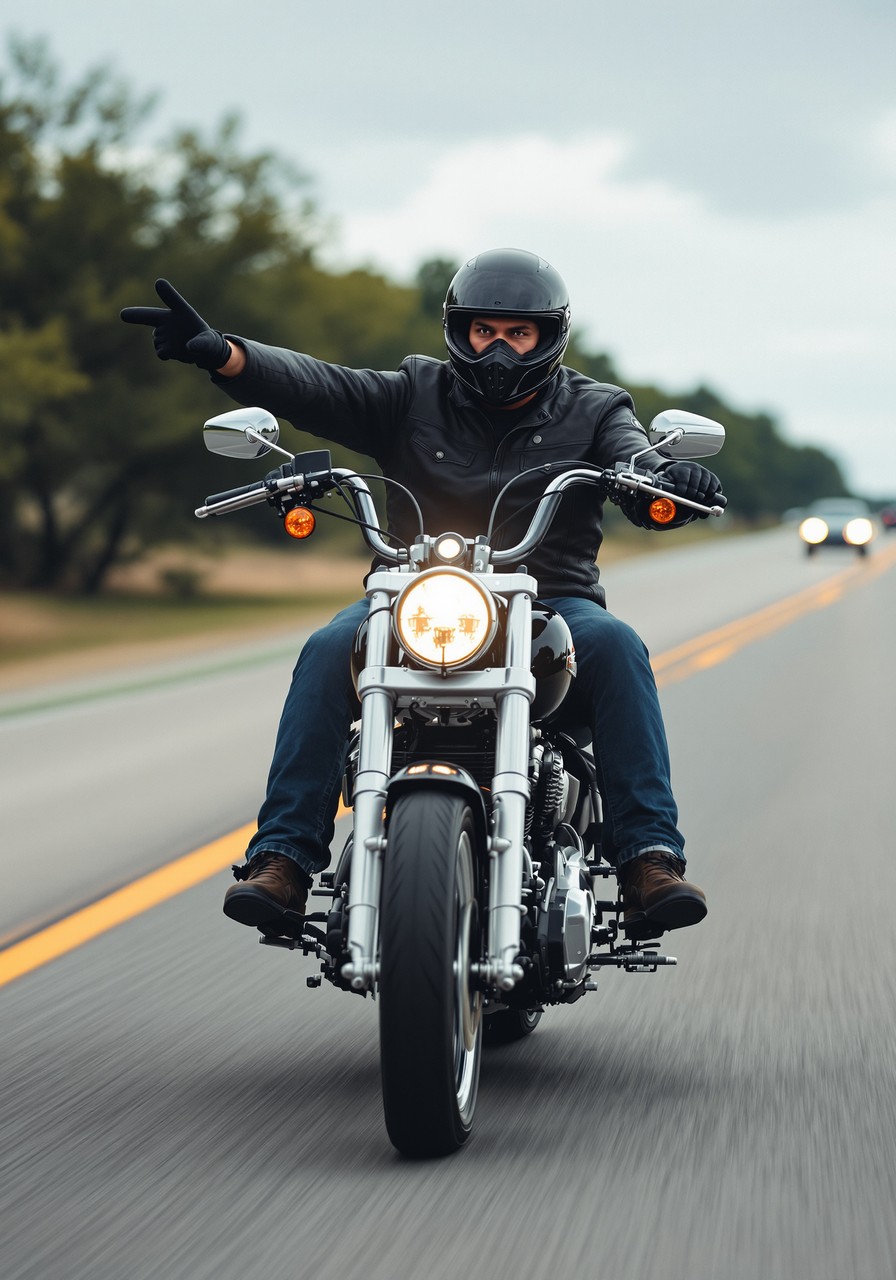
That 30/60/25 minimum sounds like coverage until you see a hospital bill. Add UM/UIM so the shortfall is not yours to eat. Hurt on two wheels? Biker Wolfpack Law, free to call. 512-883-0277. #RideNationAustin #TexasLaw #KnowYourRights
Engagement
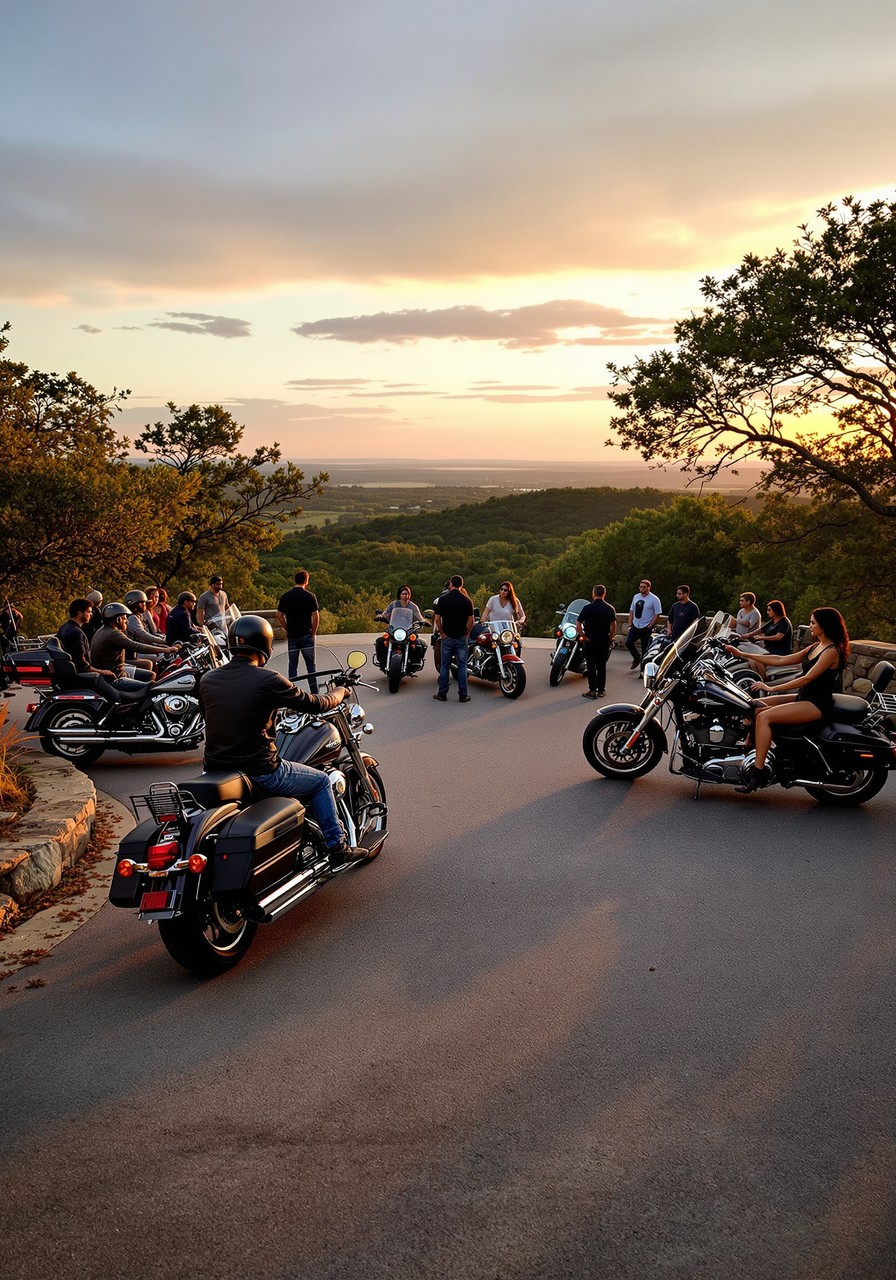
Tag your ride-or-die. The one who never says no to one more loop. #RideNationAustin #RideOrDie #ATX
Giveaway & Countdown
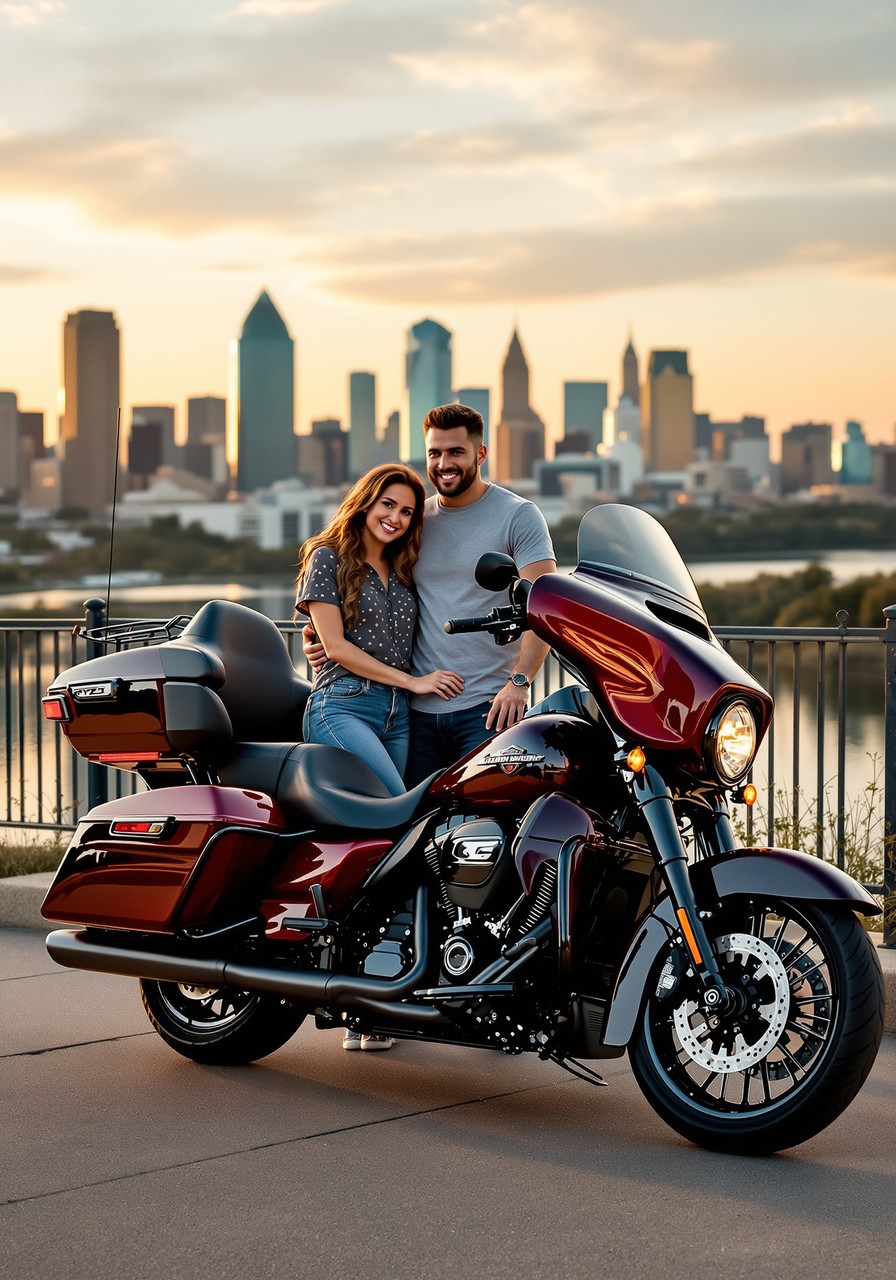
Picture the bike you have been eyeing all year. Now picture $20,000 to make it yours. The BikersWin giveaway is live and free. Entry link in the comments. #RideNationAustin #20kGiveaway #AustinRiders
Local TX & Rides
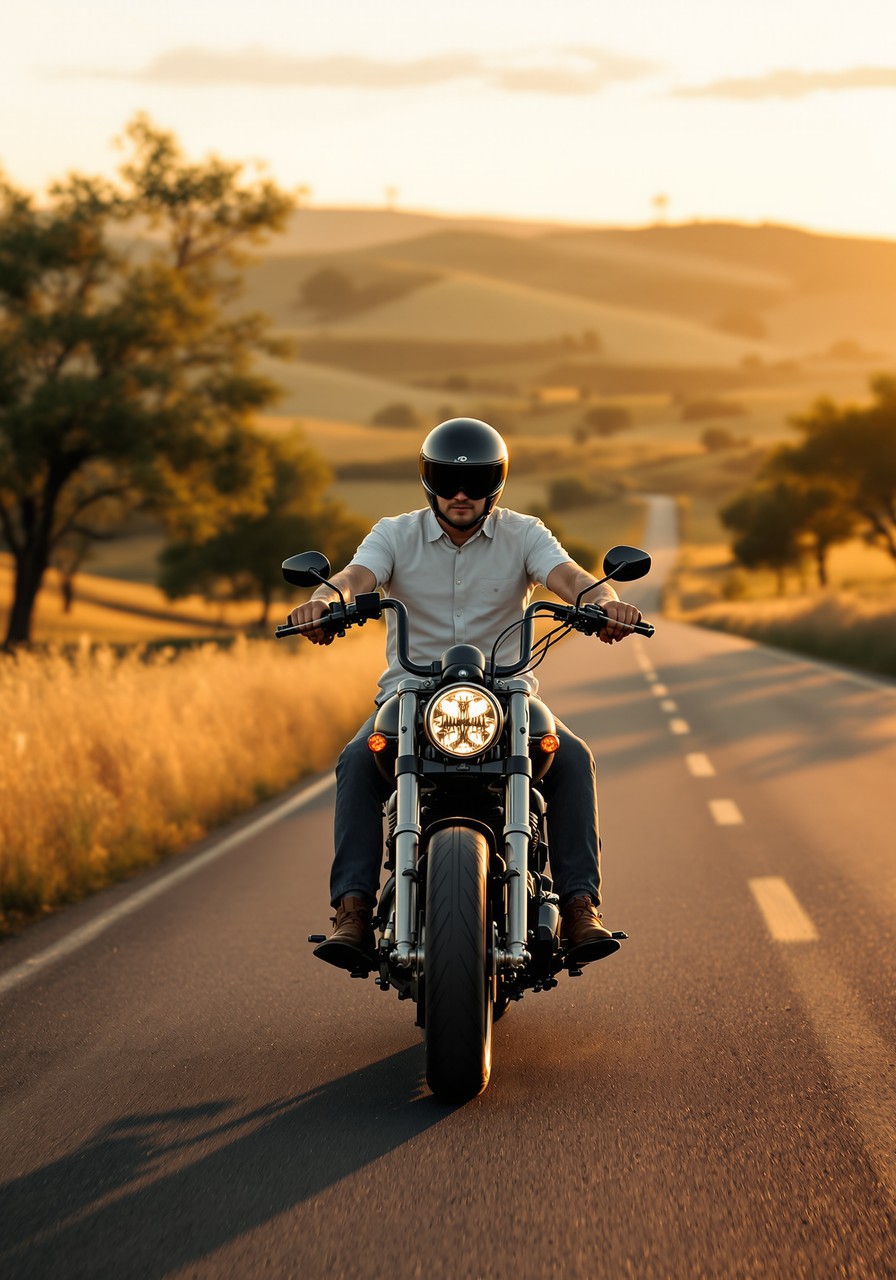
The Devil's Backbone on RR 32 gives you the ridgeline views and the curves in one shot. Best light is early, before the day-trippers roll in from Wimberley. #RideNationAustin #HillCountry #TexasRiding
Gear & New Iron
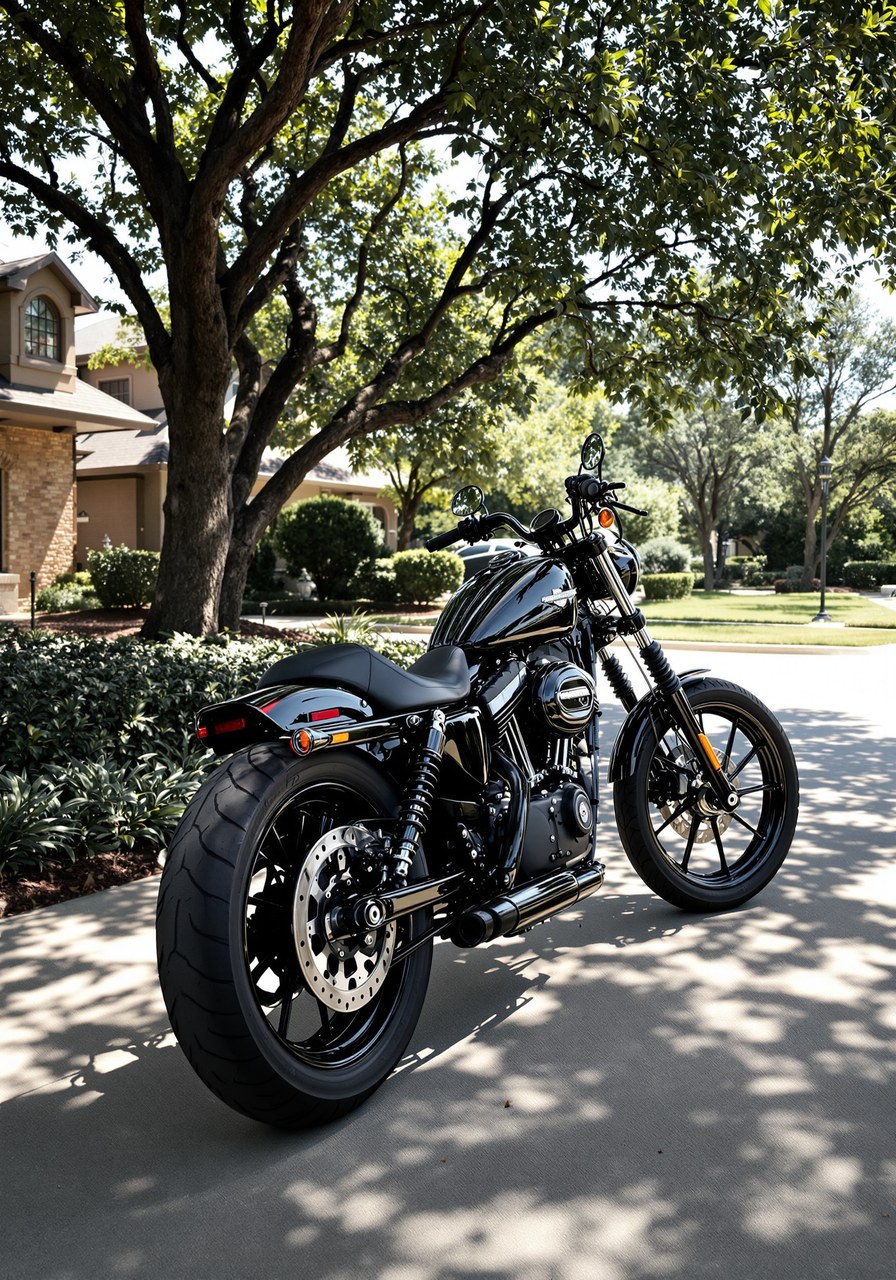
That mesh jacket feels great at 75 in August, but check the armor. CE Level 2 in the shoulders, elbows, and back is what stands between you and the pavement. #RideNationAustin #ATGATT #GearUp
Safety & TX Law
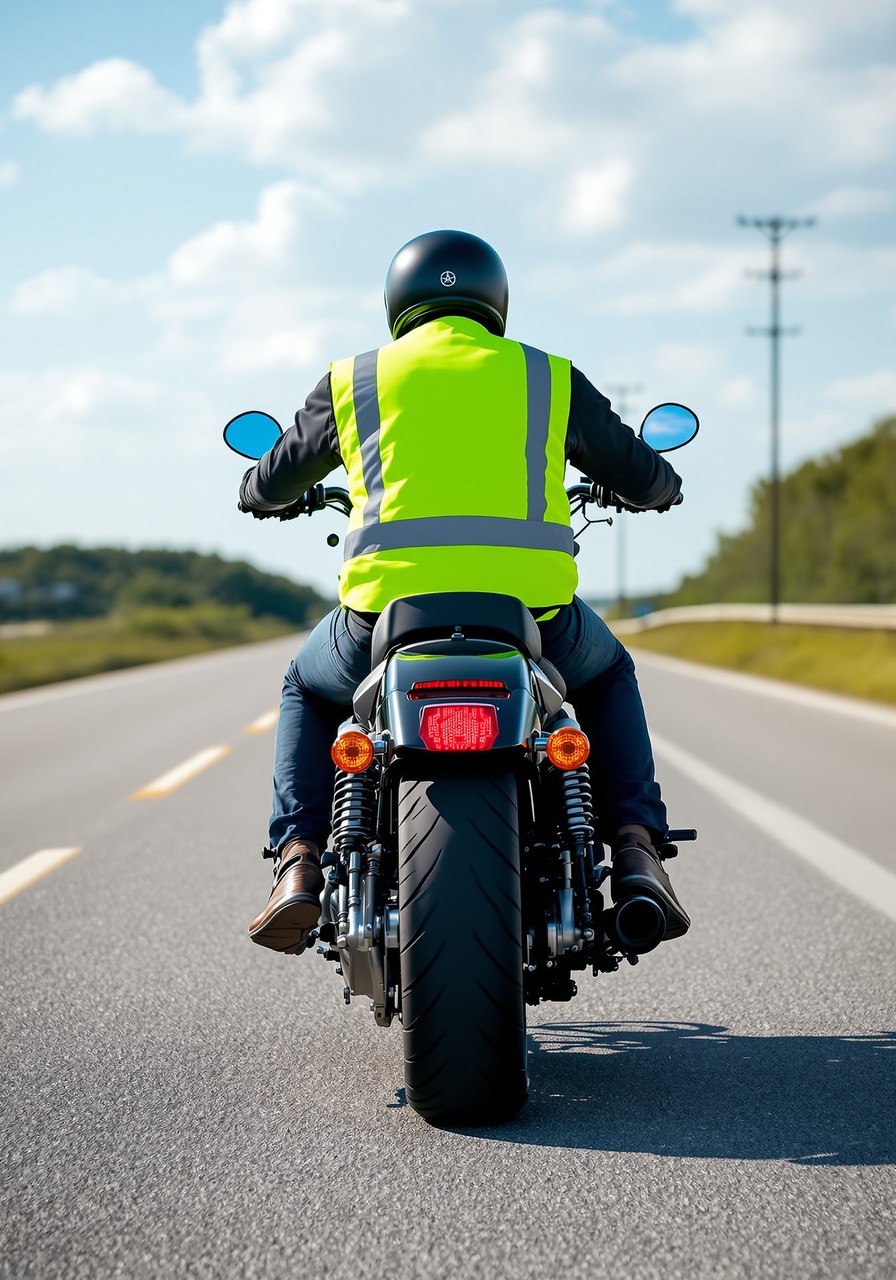
Texas insurers must offer you UM/UIM. Say yes. It is the backstop when the guy who hit you carried the bare minimum. Riding hurt after a wreck? Glen Larson rides for you. 512-883-0277. #RideNationAustin #UninsuredMotorist #MotorcycleSafety
Engagement
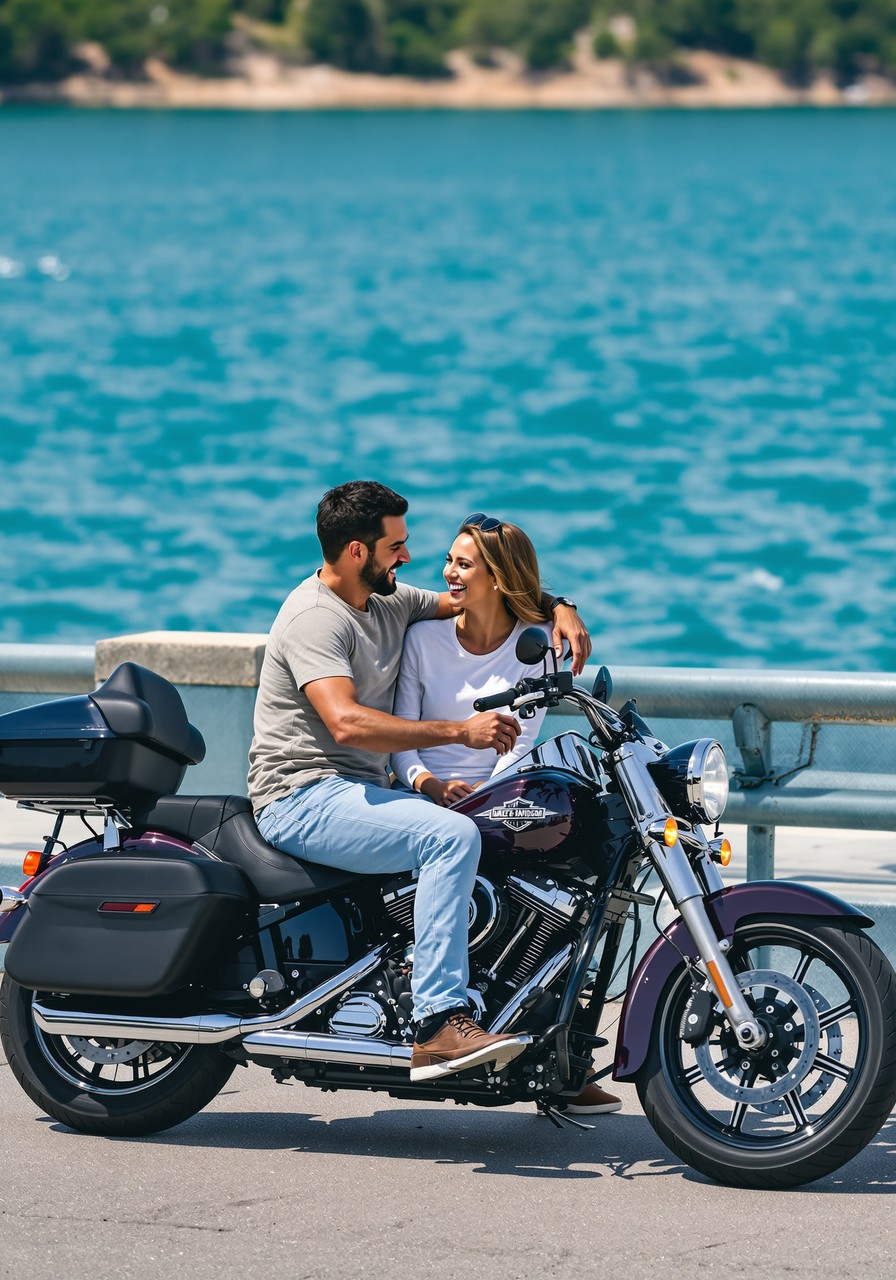
Fill in the blank: winter riding in Central Texas is better than summer because ______. #RideNationAustin #TexasRiders #HillCountry
Giveaway & Countdown
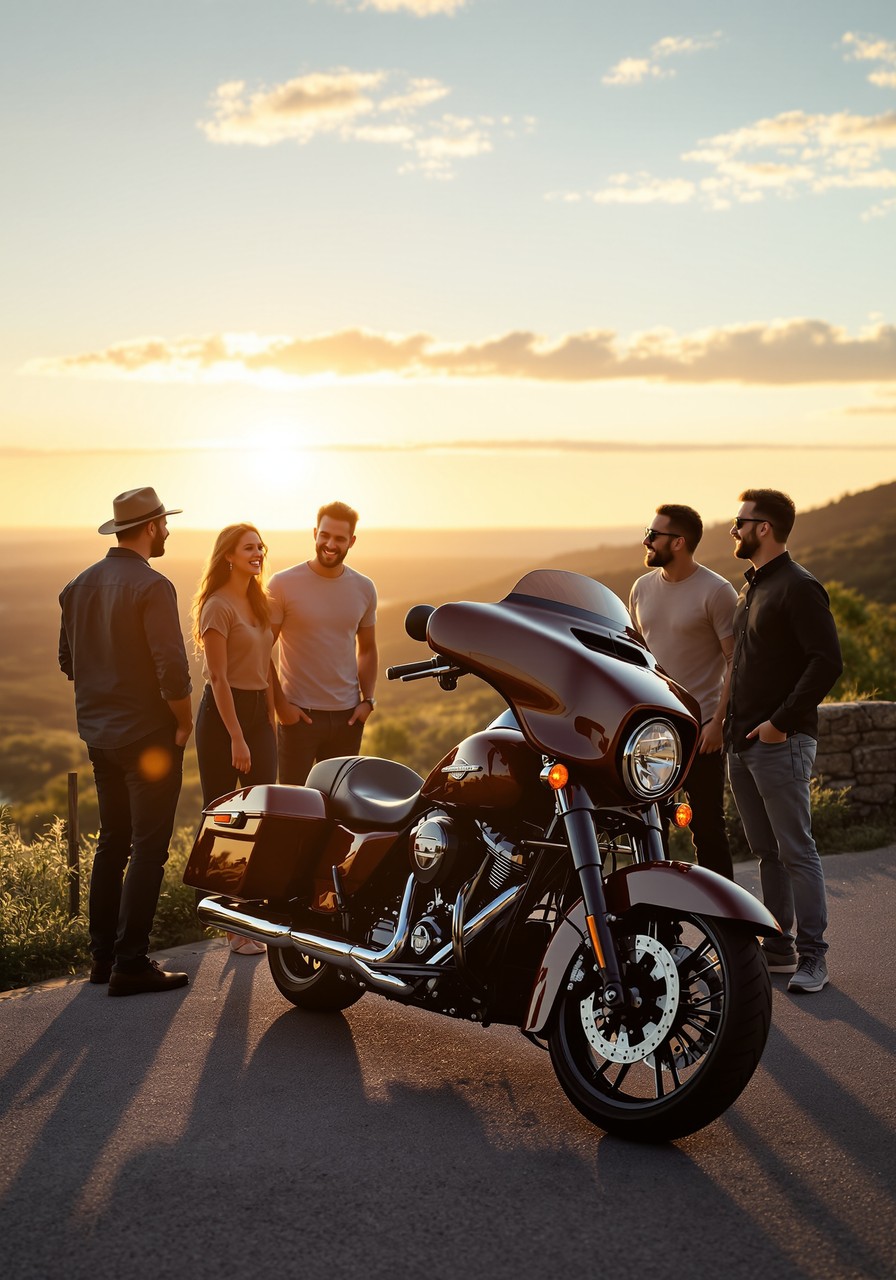
Countdown is on. December 10 is draw day and one rider walks away with $20,000. Two minutes to enter, zero dollars to play. Link in comments. #RideNationAustin #BikersWin #FreeToEnter
Local TX & Rides
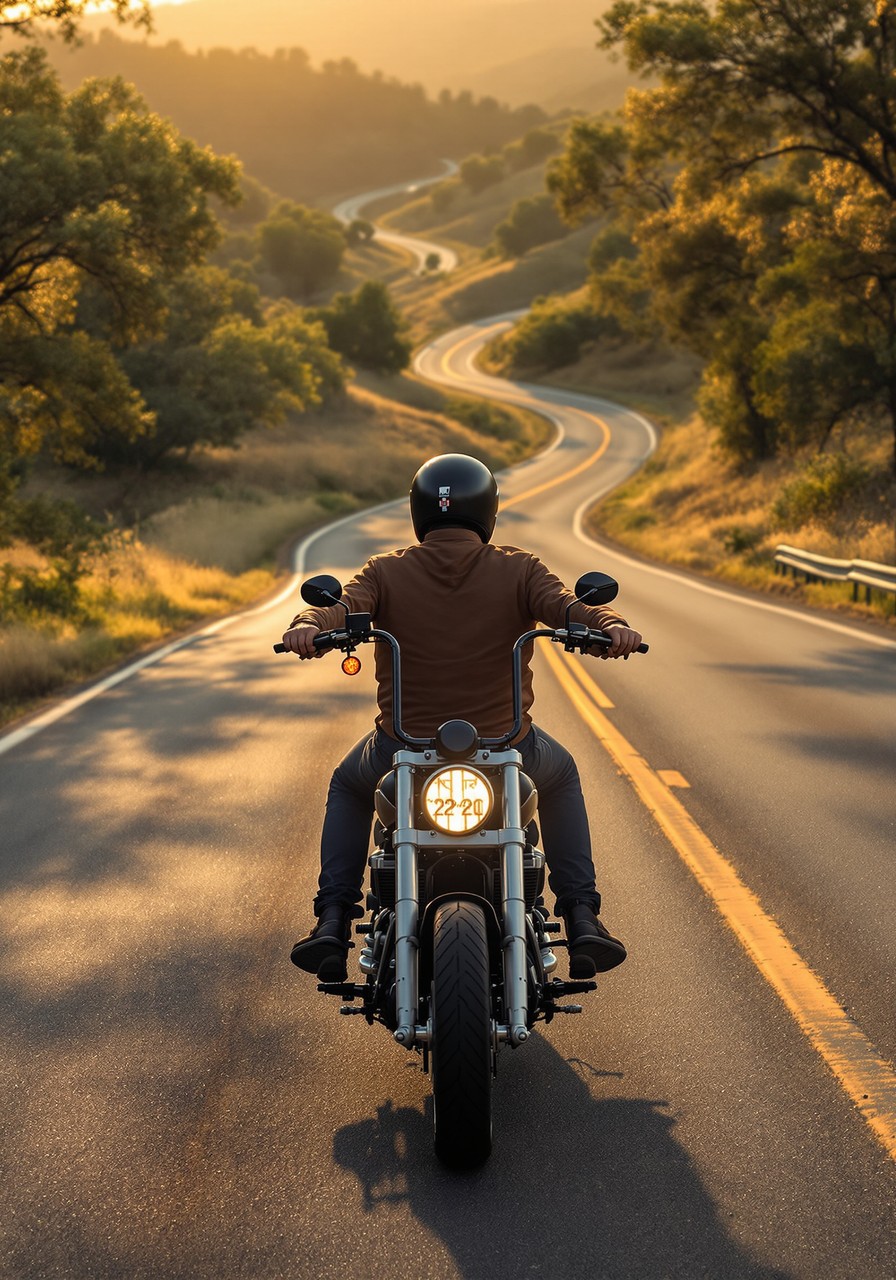
Willow City Loop is a bucket-list ride outside Fredericksburg. Cattle guards, low crossings, and one-lane bridges, so keep your pace honest. #RideNationAustin #Fredericksburg #HillCountry
Gear & New Iron
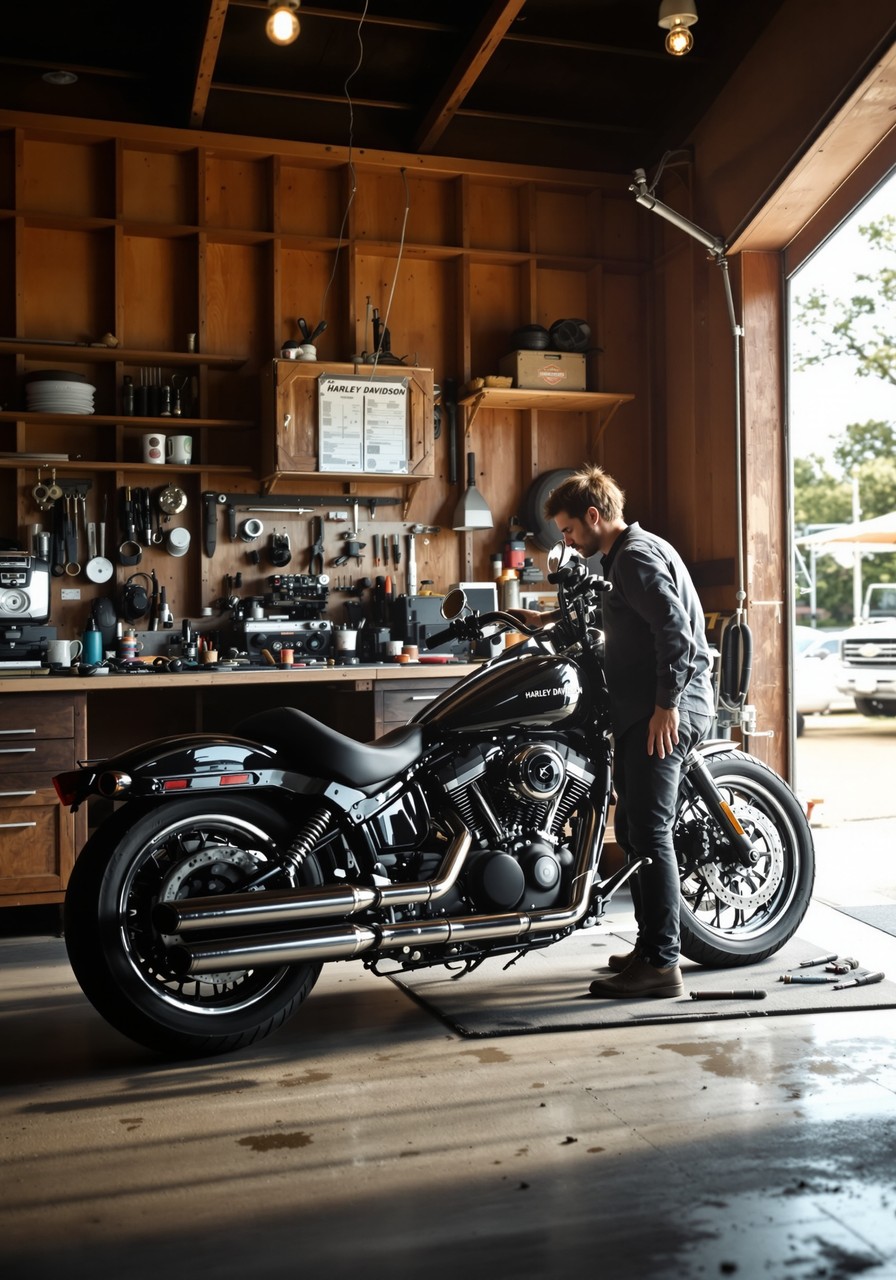
Full mesh gear in a Texas summer is not soft. It is smart. Airflow keeps you sharp and abrasion armor keeps your skin on. Both matter at 100 degrees. #RideNationAustin #TexasHeat #GearUp
Safety & TX Law
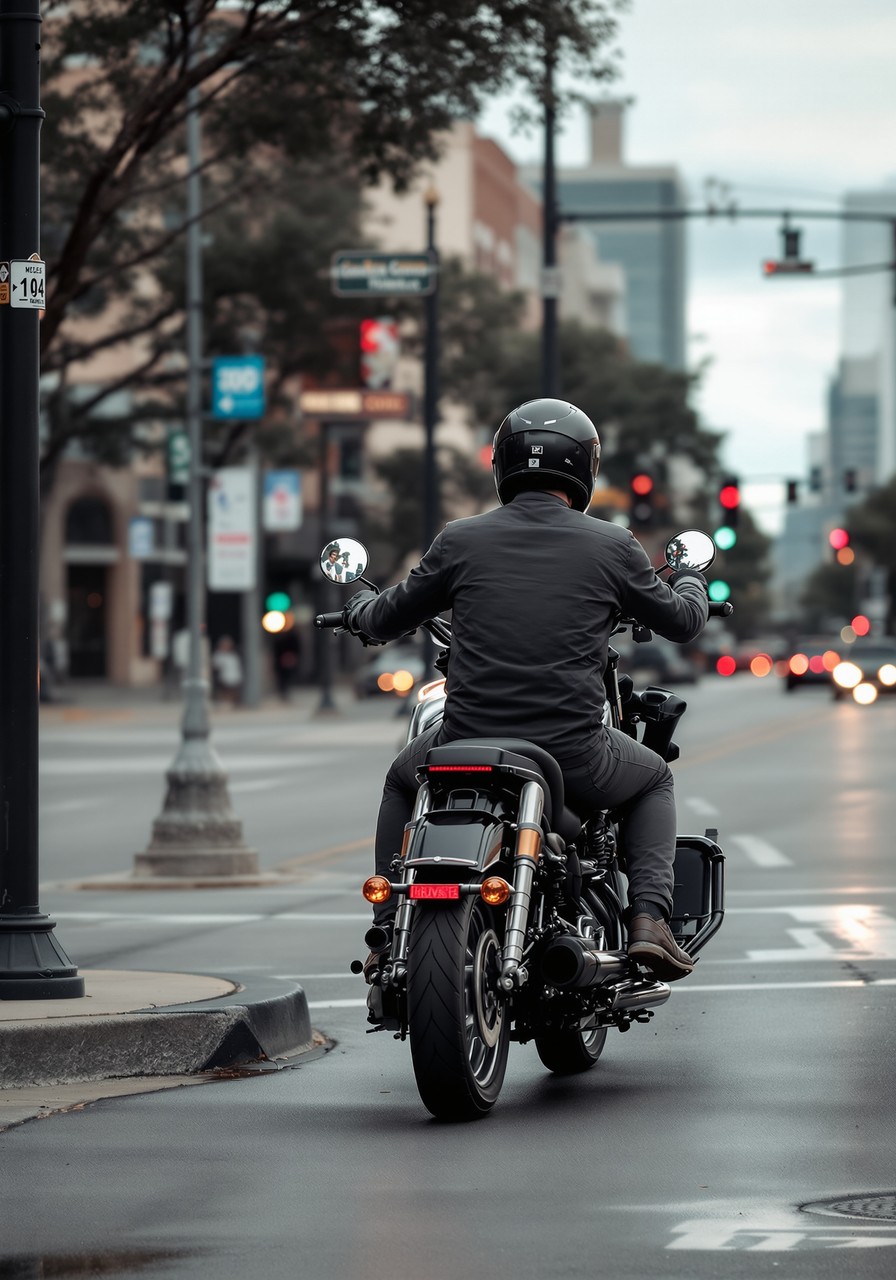
The 51 percent bar in Texas is simple and harsh: more than half at fault and you recover nothing. How your crash gets documented decides everything. Hurt in a wreck? Biker Wolfpack Law, no cost to talk. 512-883-0277. #RideNationAustin #TexasLaw #KnowYourRights
Engagement
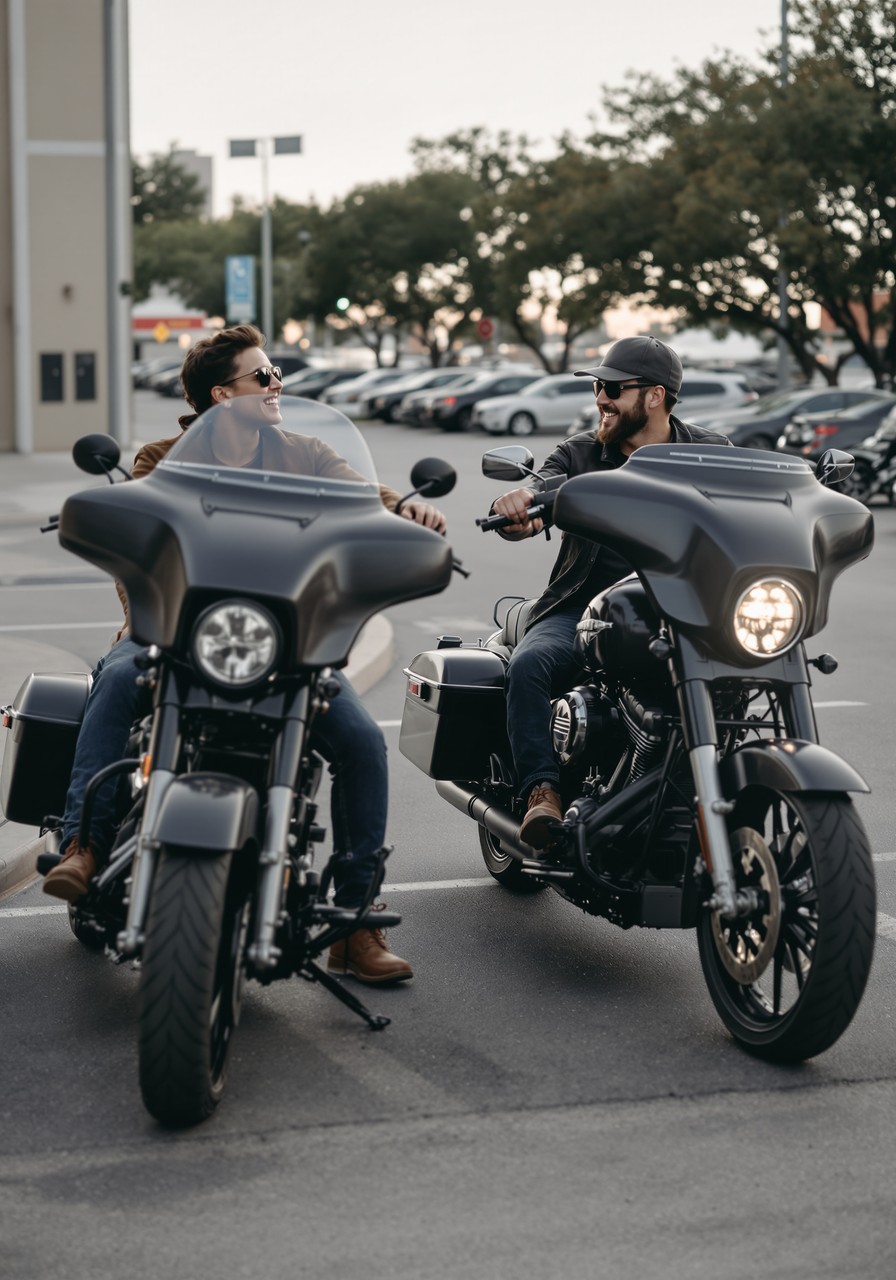
Quick poll: heated grips, yes or no? Drop your vote below. #RideNationAustin #TwoWheels #AustinRiders
Giveaway & Countdown
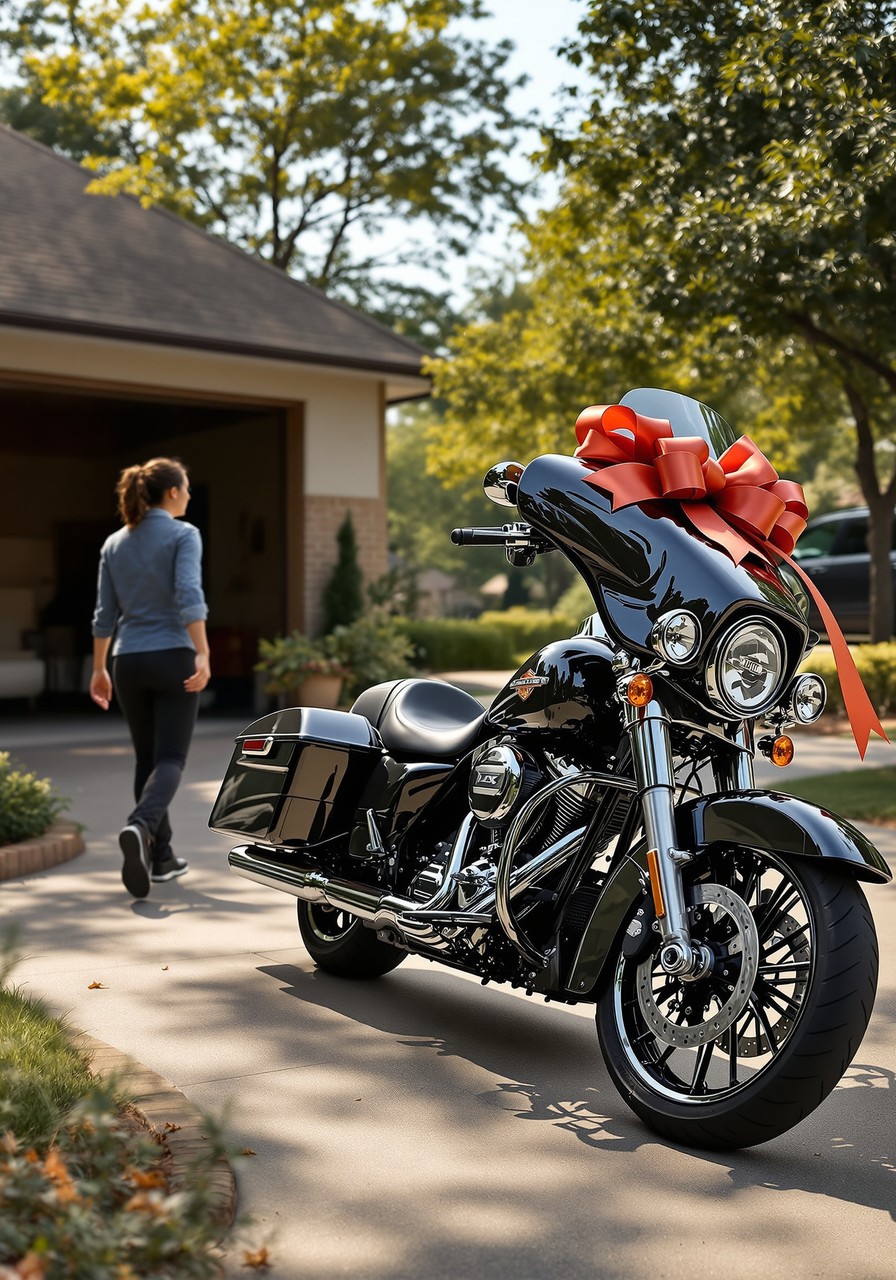
Tag a riding buddy who needs a new bike. You both enter free, one of you could take home $20,000. Drawn December 10. Entry link in the comments. #RideNationAustin #MotorcycleGiveaway #ATX
Local TX & Rides
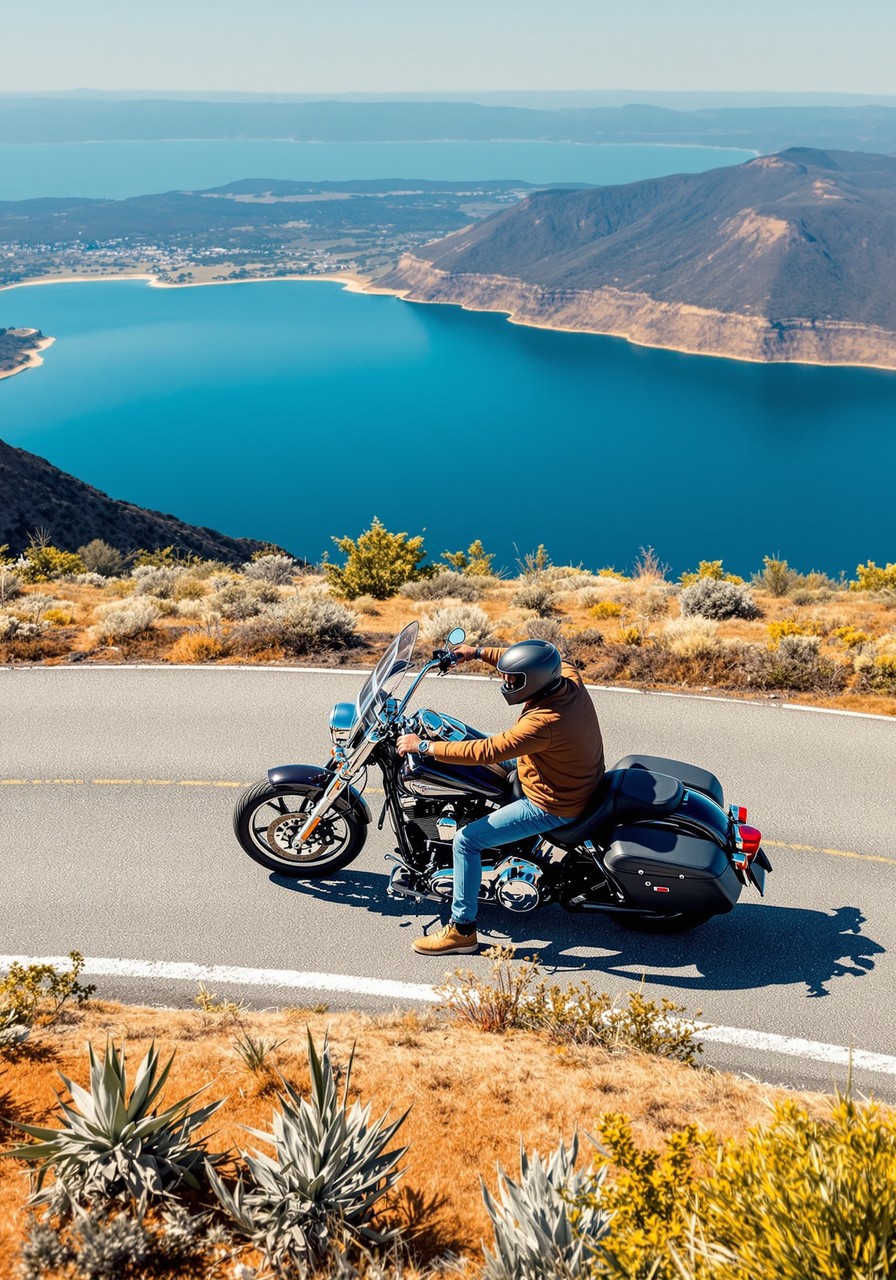
Cold snap coming this week. Central Texas overpasses and shaded Hill Country bridges ice over before the road does. Give the 360 Bridge and 2222 extra room on a frosty morning. #RideNationAustin #AustinRiders
Gear & New Iron
Heat exhaustion sneaks up on riders. Wind on your arms feels like cooling, but it is drying you out. Hydrate before the ride, not after you feel it. #RideNationAustin #TexasHeat #RiderTips
Safety & TX Law
In Texas your recovery drops by your share of fault, and past 50 percent it goes to zero. That is why the scene, the report, and the witnesses matter so much. Need someone in your corner? Glen Larson, 512-883-0277. #RideNationAustin #MotorcycleSafety #KnowYourRights
Engagement
Coffee first or ride first? There is a right answer and we want yours. #RideNationAustin #ATX #BikerLife
Giveaway & Countdown
Why not you? Somebody is winning $20,000 toward a motorcycle on December 10. Might as well be a Ride Nation rider. Free to enter, link in comments. #RideNationAustin #WinABike #20kGiveaway
Local TX & Rides
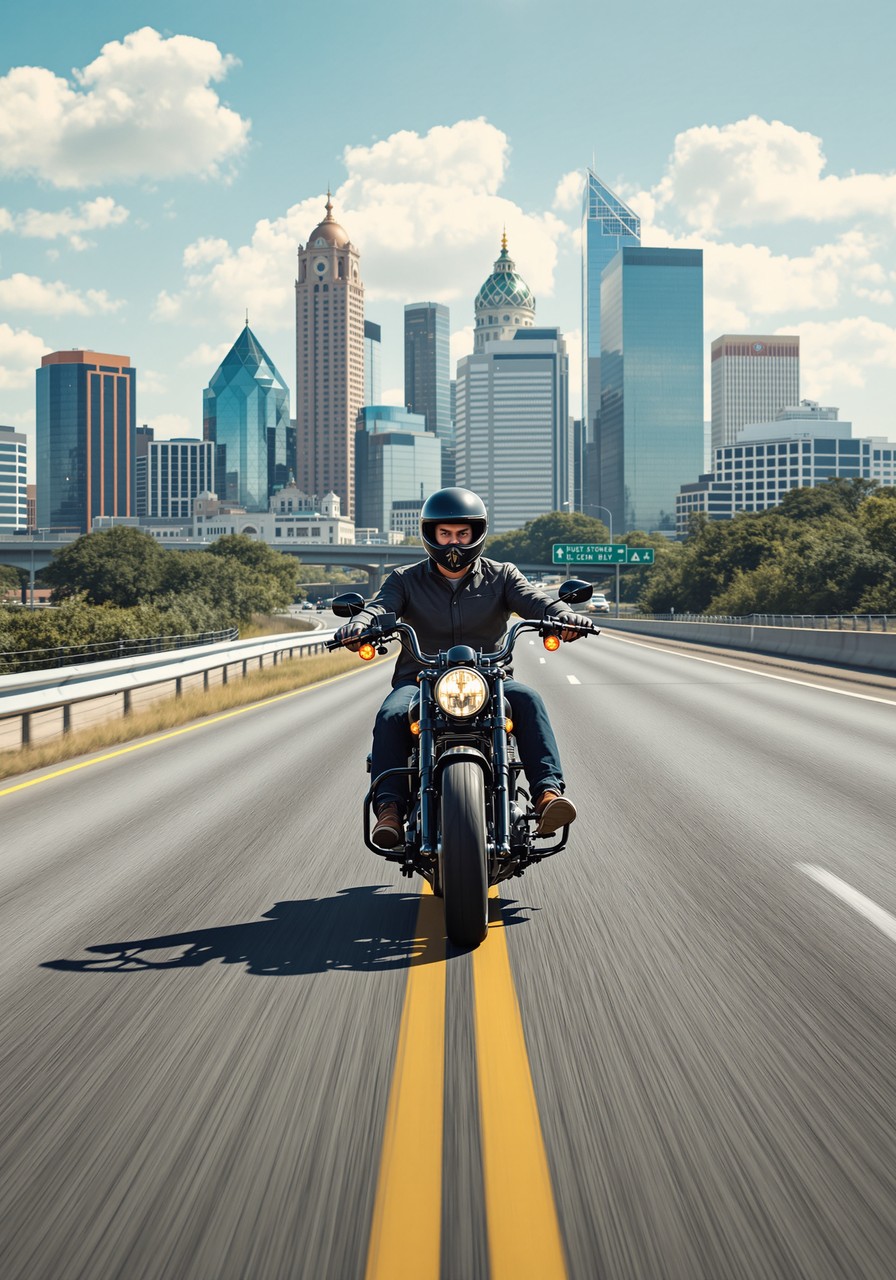
Hamilton Pool Road is a Hill Country classic, but the low-water crossings fill fast after rain. If the water is over the road, turn around, do not ride it. #RideNationAustin #HillCountry #TexasRiding
Gear & New Iron
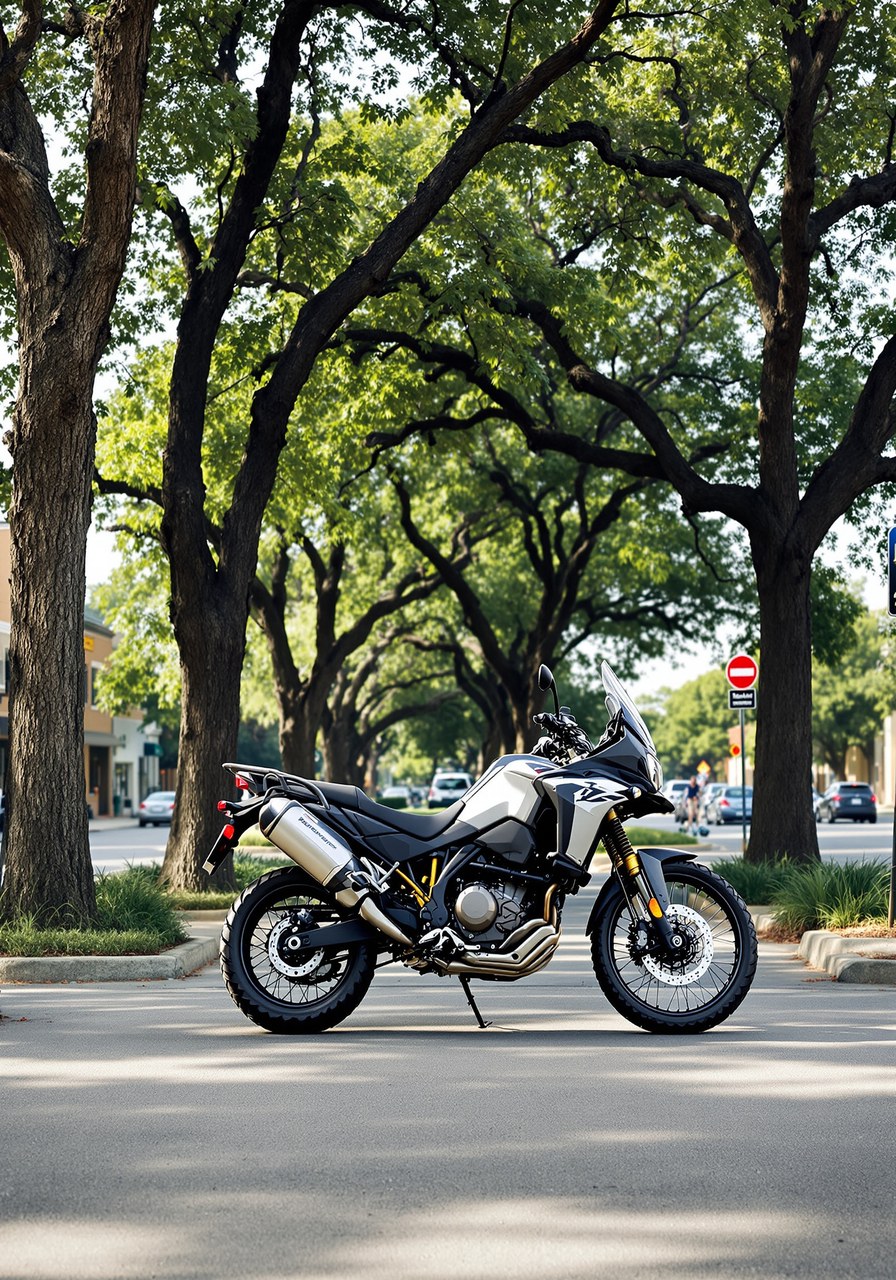
Hydration pack over a water bottle any day around here. You can sip at a light without stopping. Dehydration slows your reactions before you notice. #RideNationAustin #TexasHeat #RiderTips
Safety & TX Law
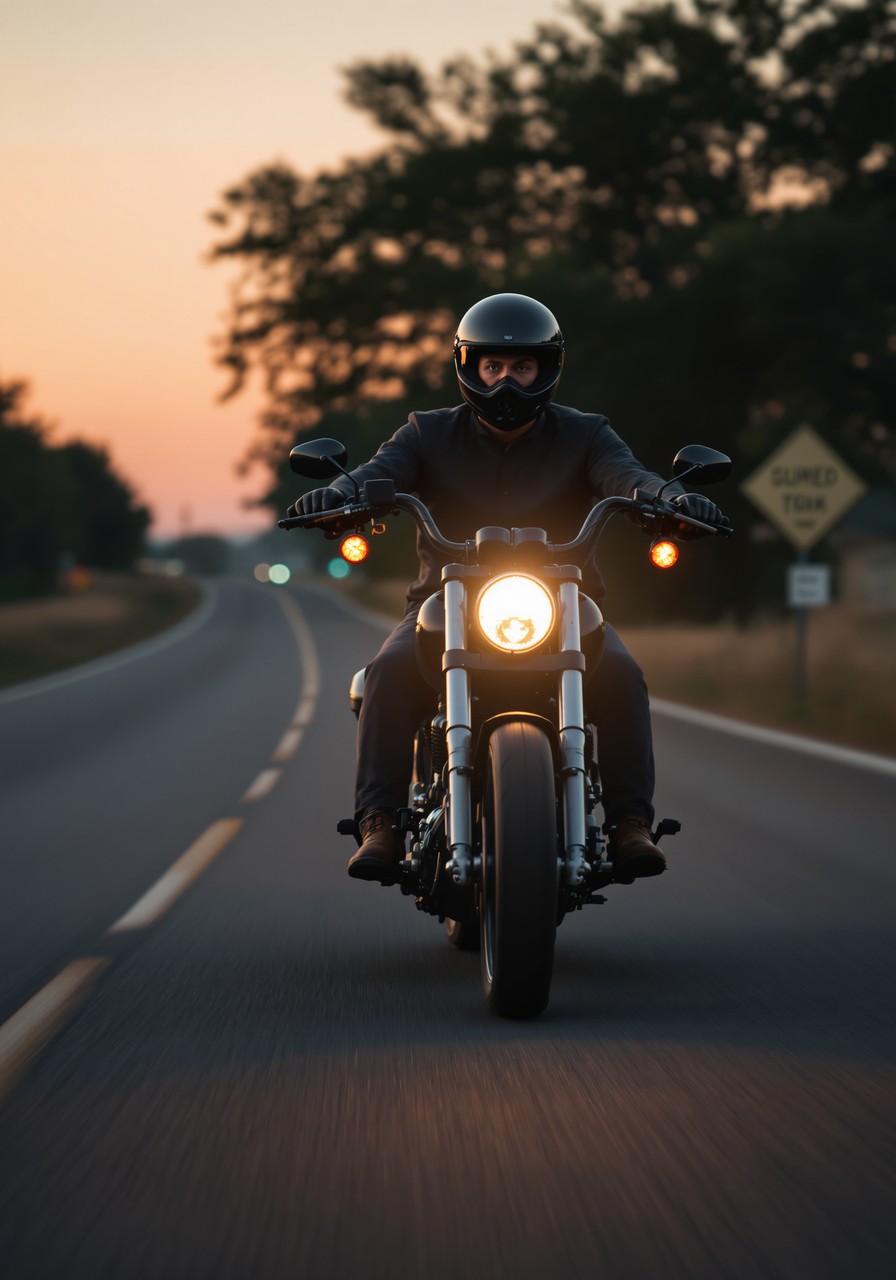
Comparative fault is where bike cases are won or lost in Texas. Get the facts locked down early. Been down and not sure what is next? Biker Wolfpack Law, free call. 512-883-0277. #RideNationAustin #TexasLaw #RiderSafety
Engagement
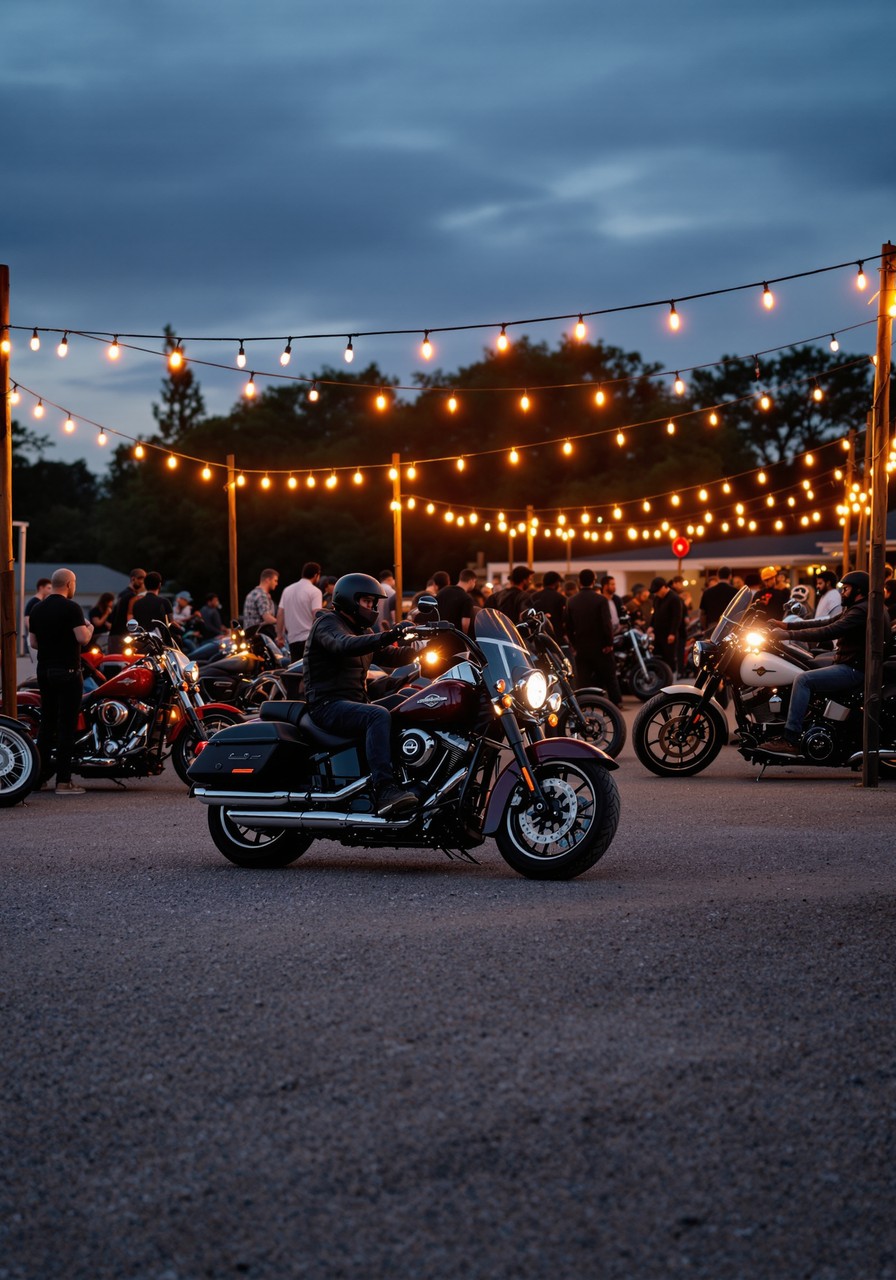
Name a road every new Austin rider needs to run at least once. Go. #RideNationAustin #HillCountry #AustinRiders
Giveaway & Countdown
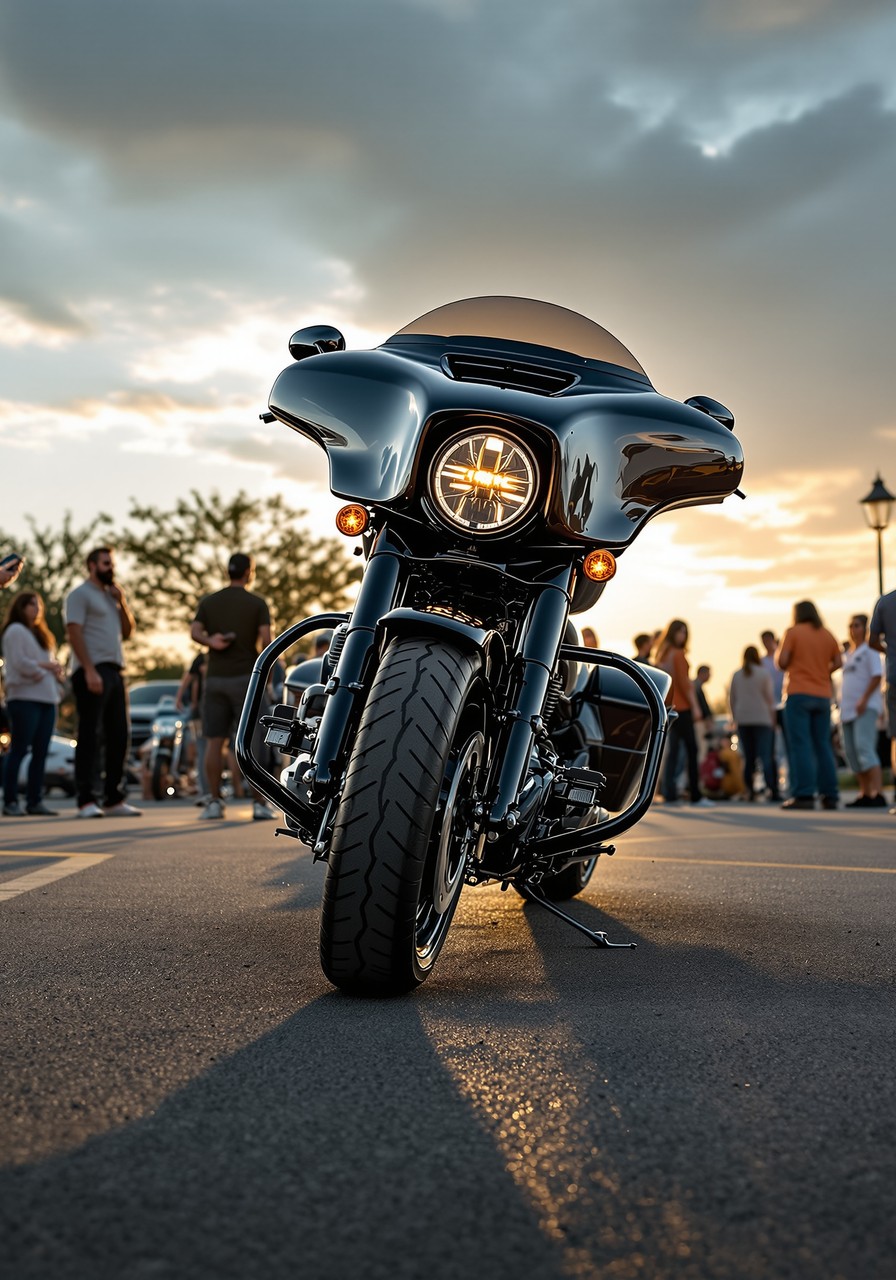
What would you buy with $20,000? Cruiser, sport bike, adventure rig, your call. One winner, drawn December 10, free to enter. Entry link in the comments. #RideNationAustin #BikersWin #AustinRiders
Local TX & Rides
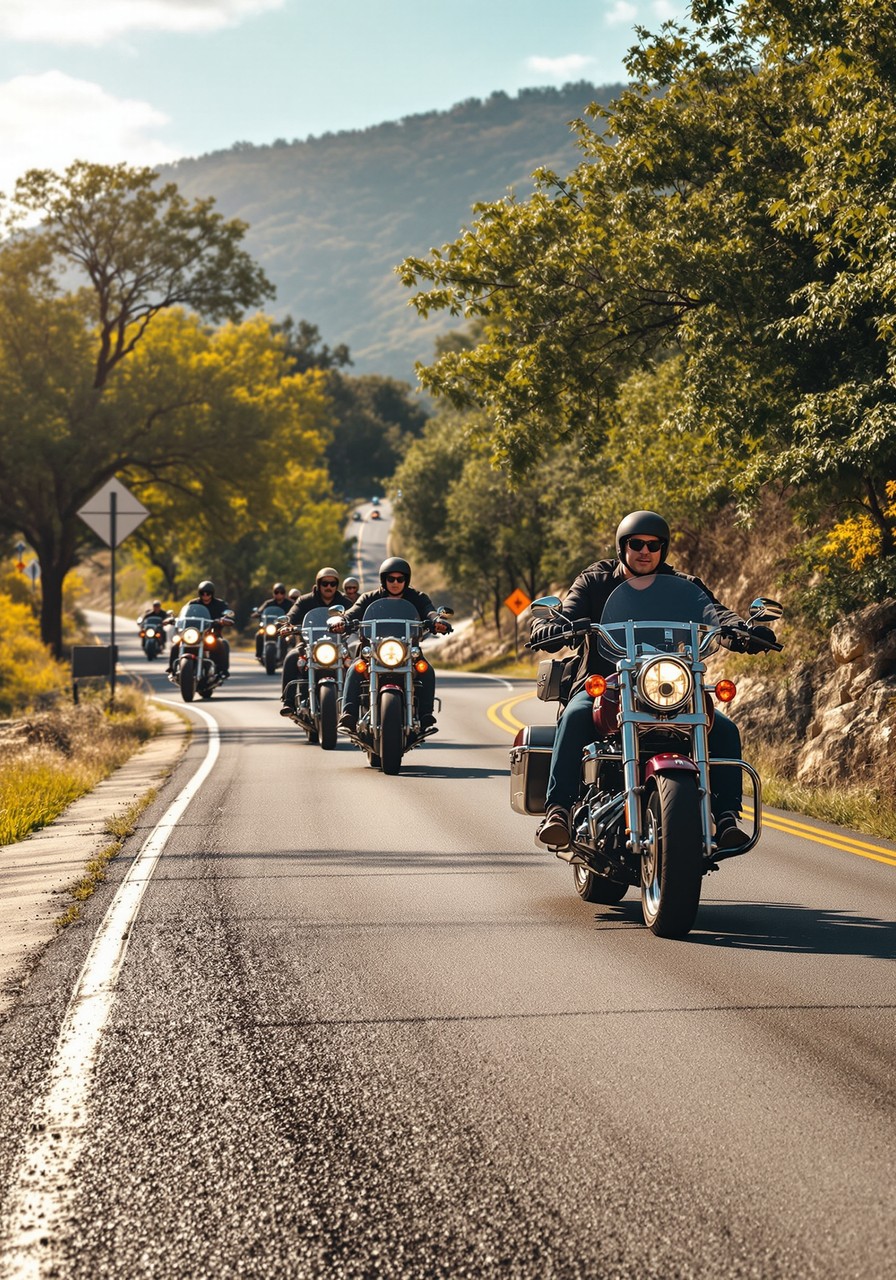
December in Central Texas means we still ride while half the country is parked. Layer up, watch the shade, and enjoy the empty roads. #RideNationAustin #TexasRiding #ATX
Gear & New Iron
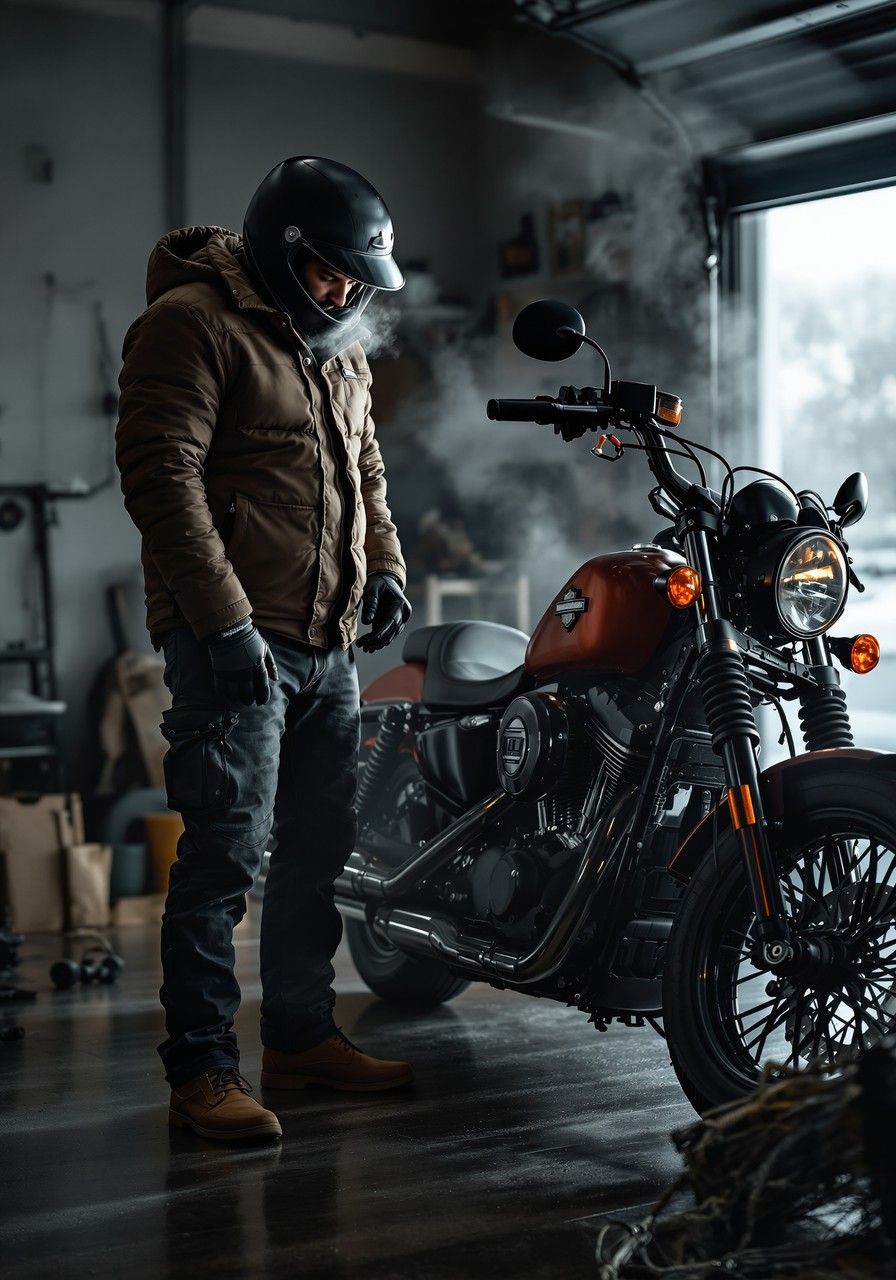
Central Texas winters flip fast. A 70 degree afternoon can drop to a freeze by dark. Pack a layer even when the morning feels warm. #RideNationAustin #RiderTips #GearUp
Safety & TX Law
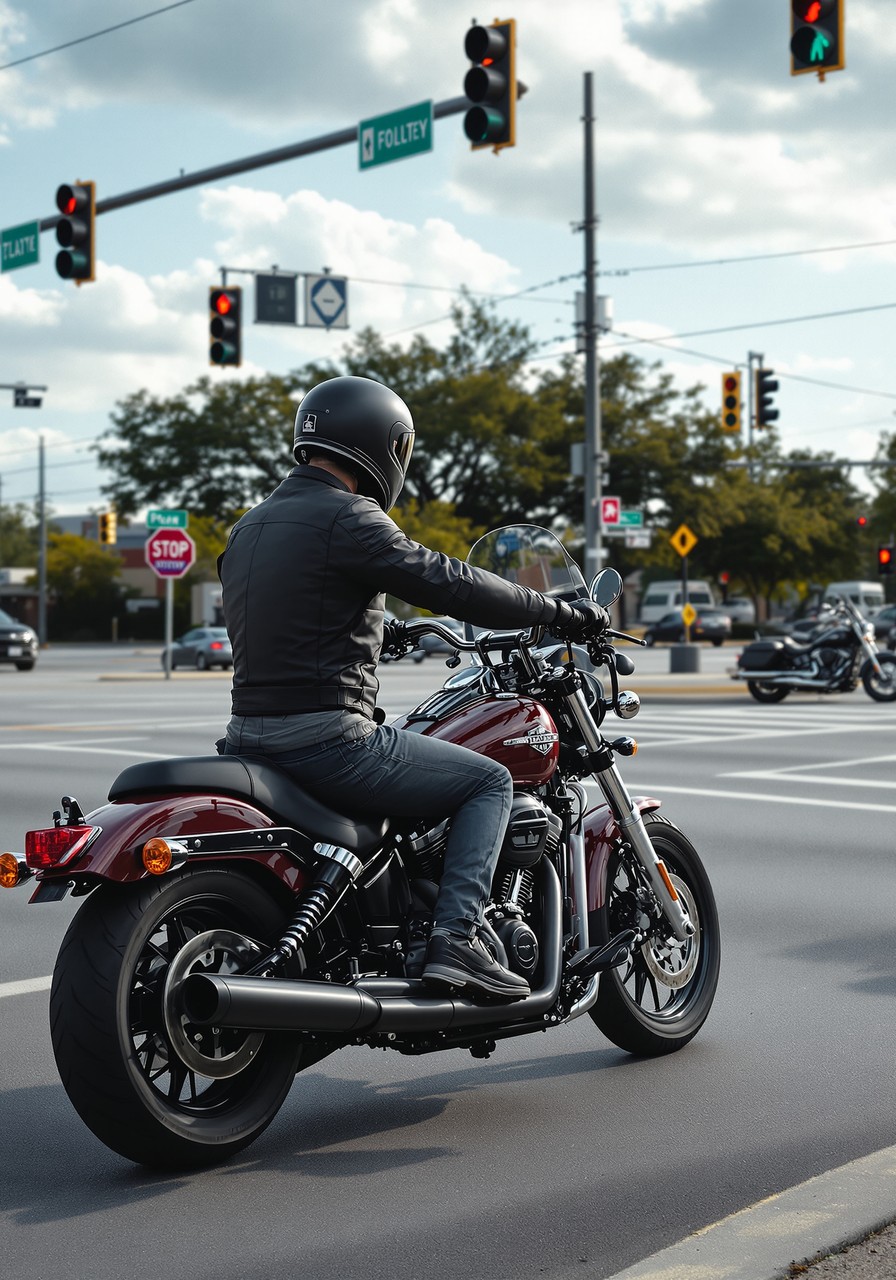
Texas helmet law: under 21, you wear one, no exceptions. It is not a suggestion, it is the rule. Questions after a crash? Glen Larson and Biker Wolfpack Law, no cost to talk. 512-883-0277. #RideNationAustin #TexasLaw #RiderSafety
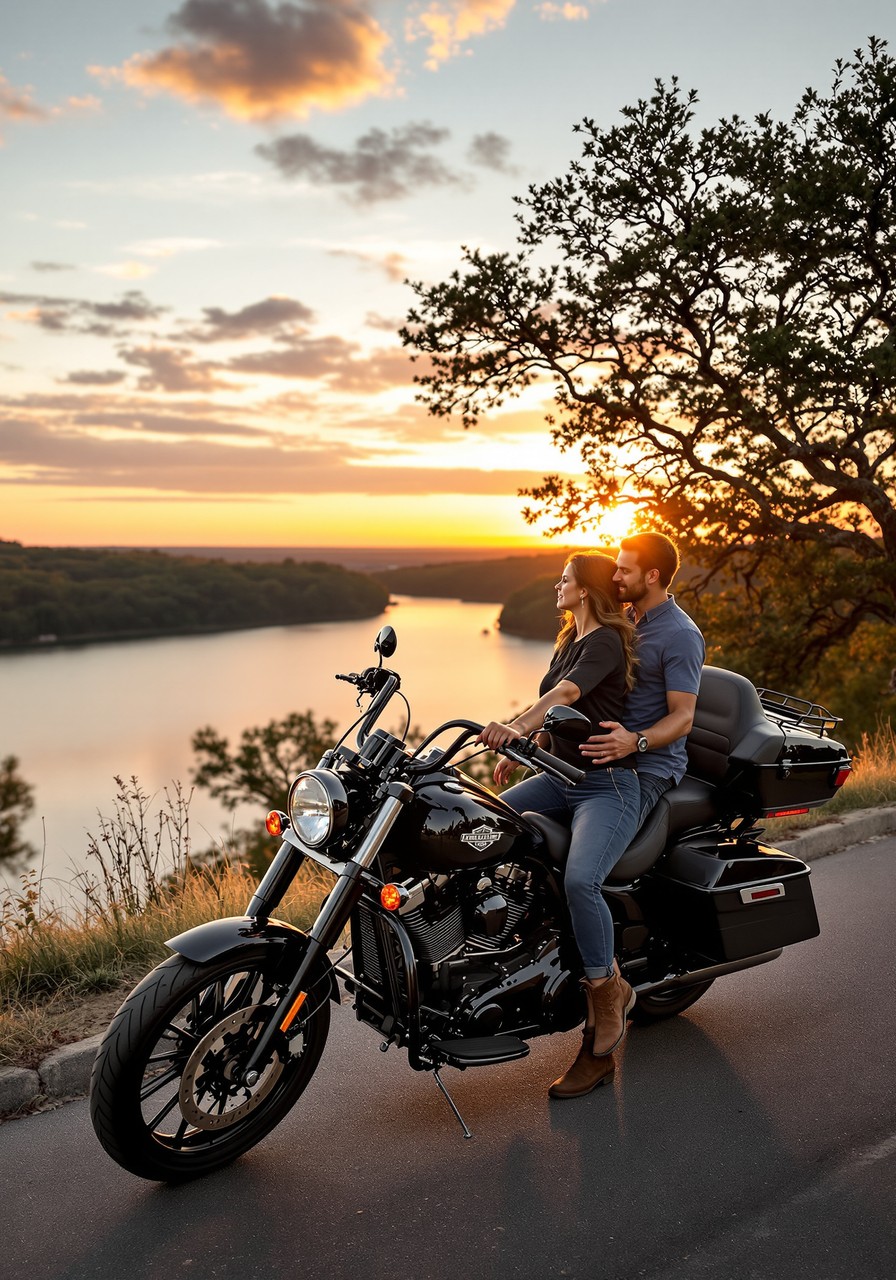
Engagement
This or that: the Twisted Sisters for the day or a chill 360 Bridge sunset cruise. Choose. #RideNationAustin #HillCountry #TexasRiders
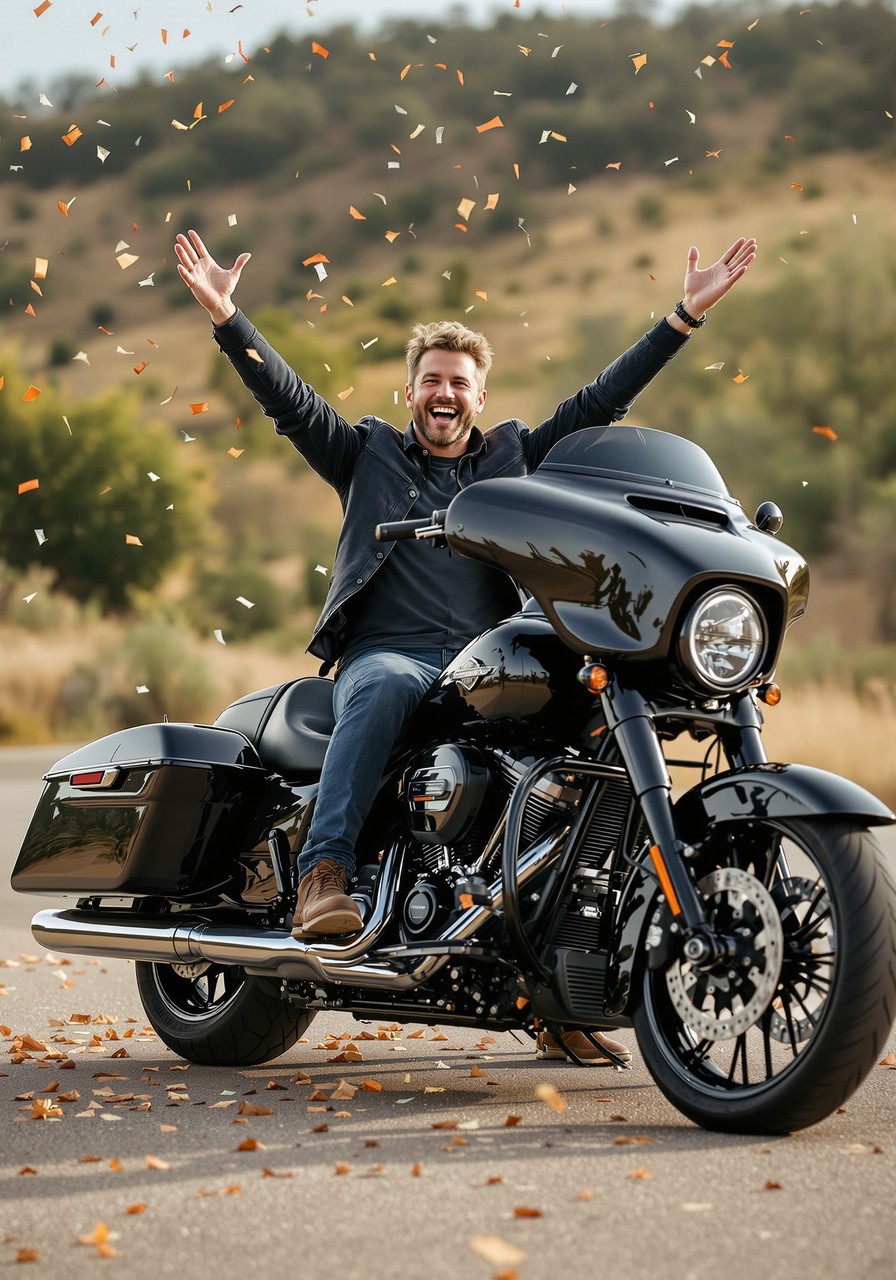
Giveaway & Countdown
Free means free. No purchase, no catch, just enter. Riders 18 and up, one winner takes $20,000 on December 10. Link in comments. #RideNationAustin #FreeToEnter #MotorcycleGiveaway
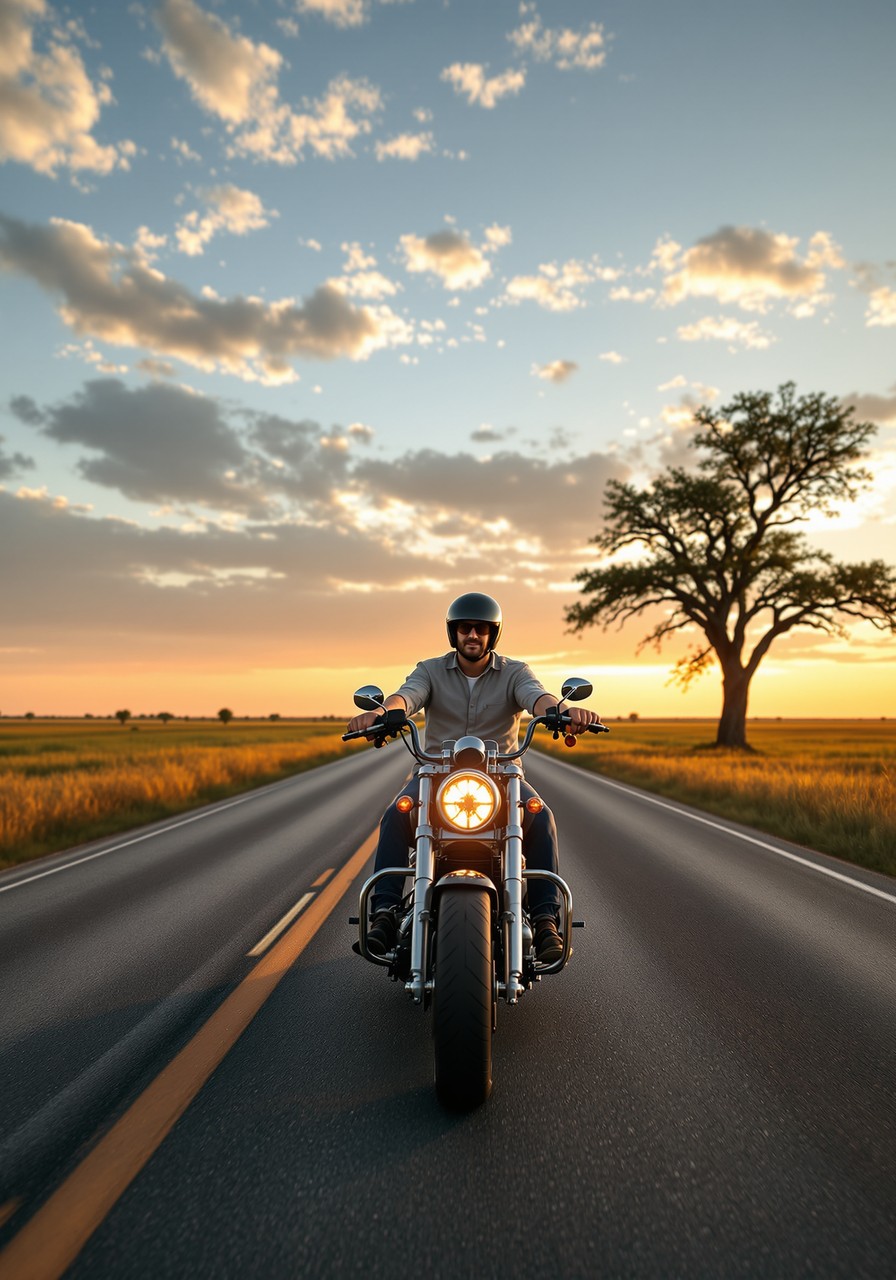
Local TX & Rides
The 360 Bridge run at sunset never disappoints. Pennybacker is packed with sightseers, so ride it like everyone might stop short, because they will. #RideNationAustin #ATX #LakeTravis
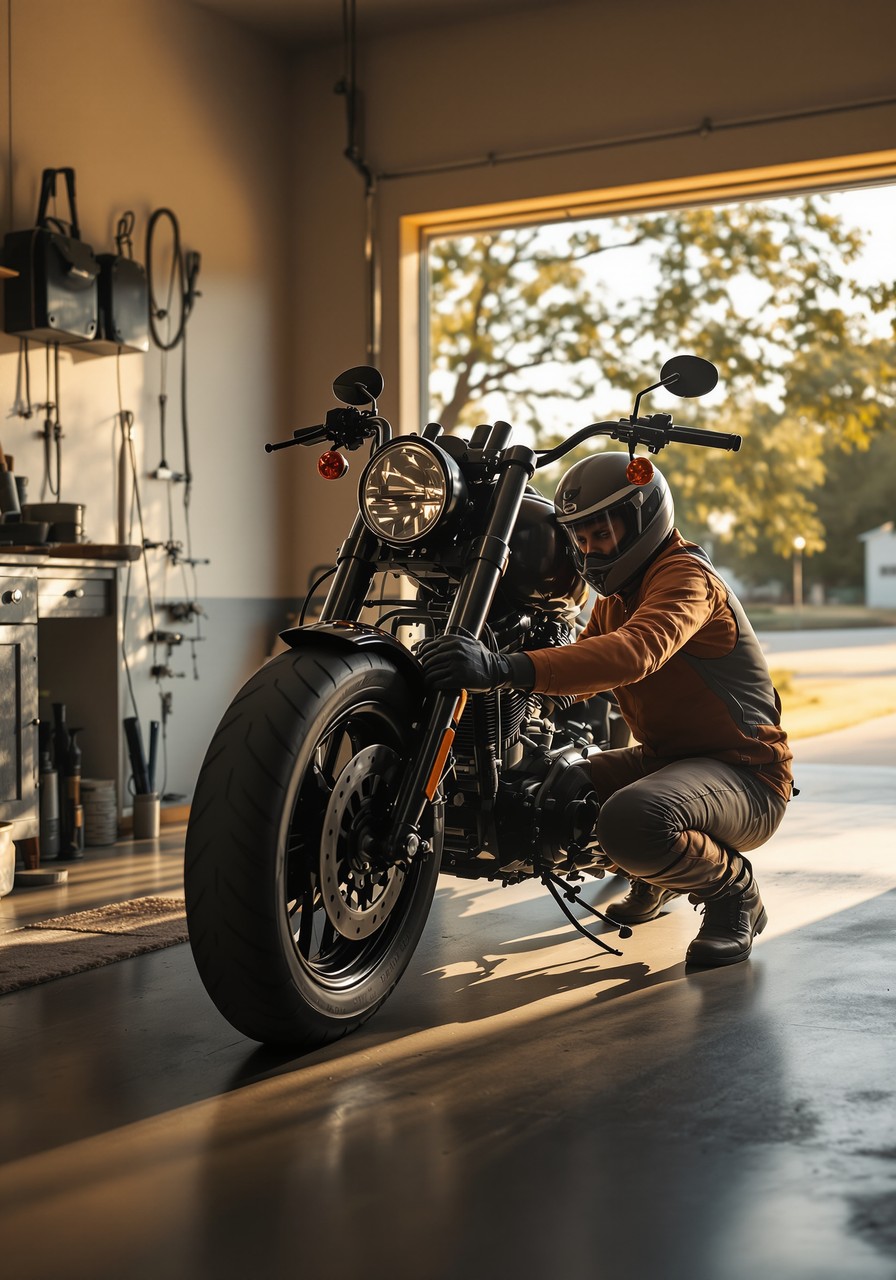
Gear & New Iron
Cold hands make lazy inputs on the brake and throttle. Winter gloves and heated grips are cheap insurance for a January ride out on 290. #RideNationAustin #GearUp #RiderTips
Safety & TX Law
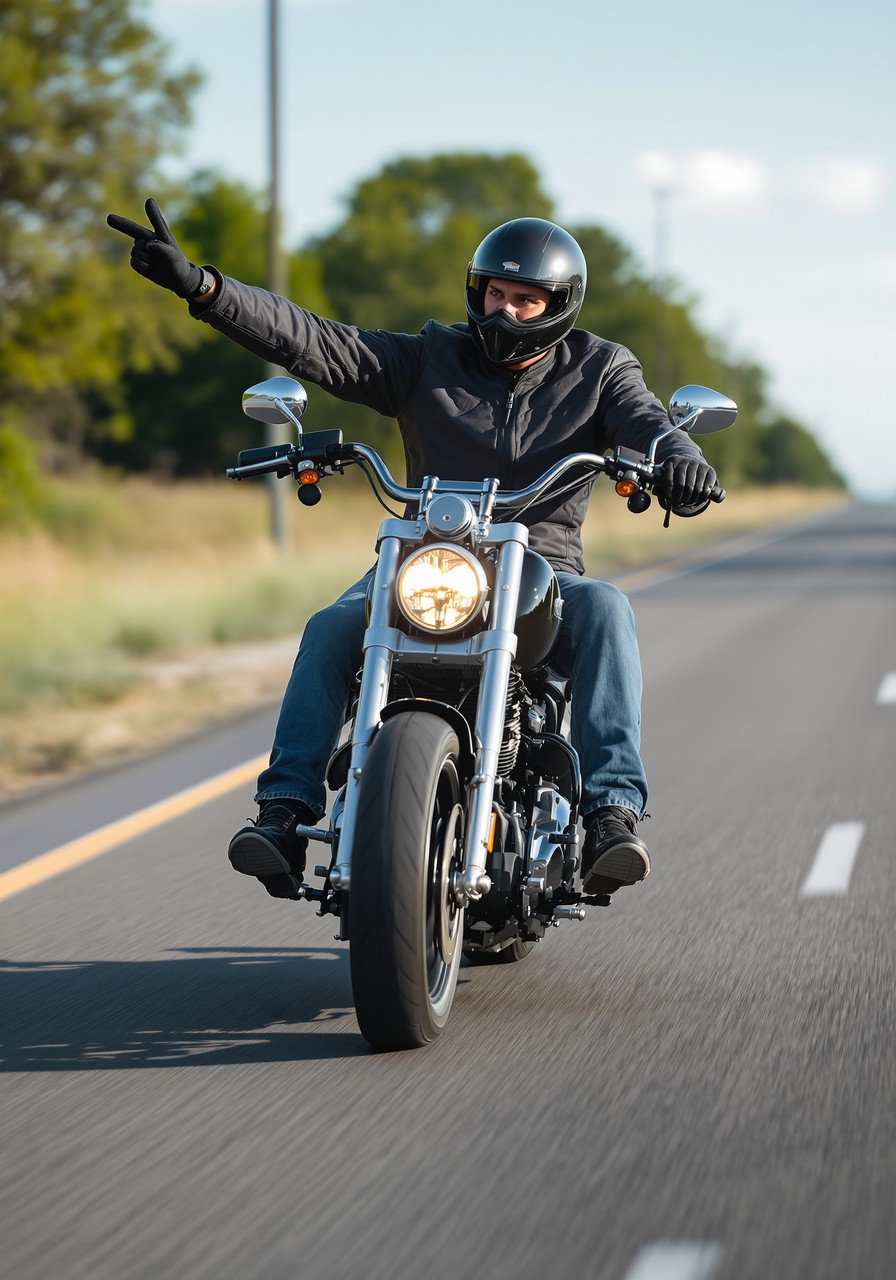
Riders 21 and up can legally skip the lid in Texas only with an approved safety course or at least 10,000 dollars in medical coverage. Know where you stand. Hurt out there? Biker Wolfpack Law, 512-883-0277. #RideNationAustin #TexasLaw #MotorcycleSafety
Engagement
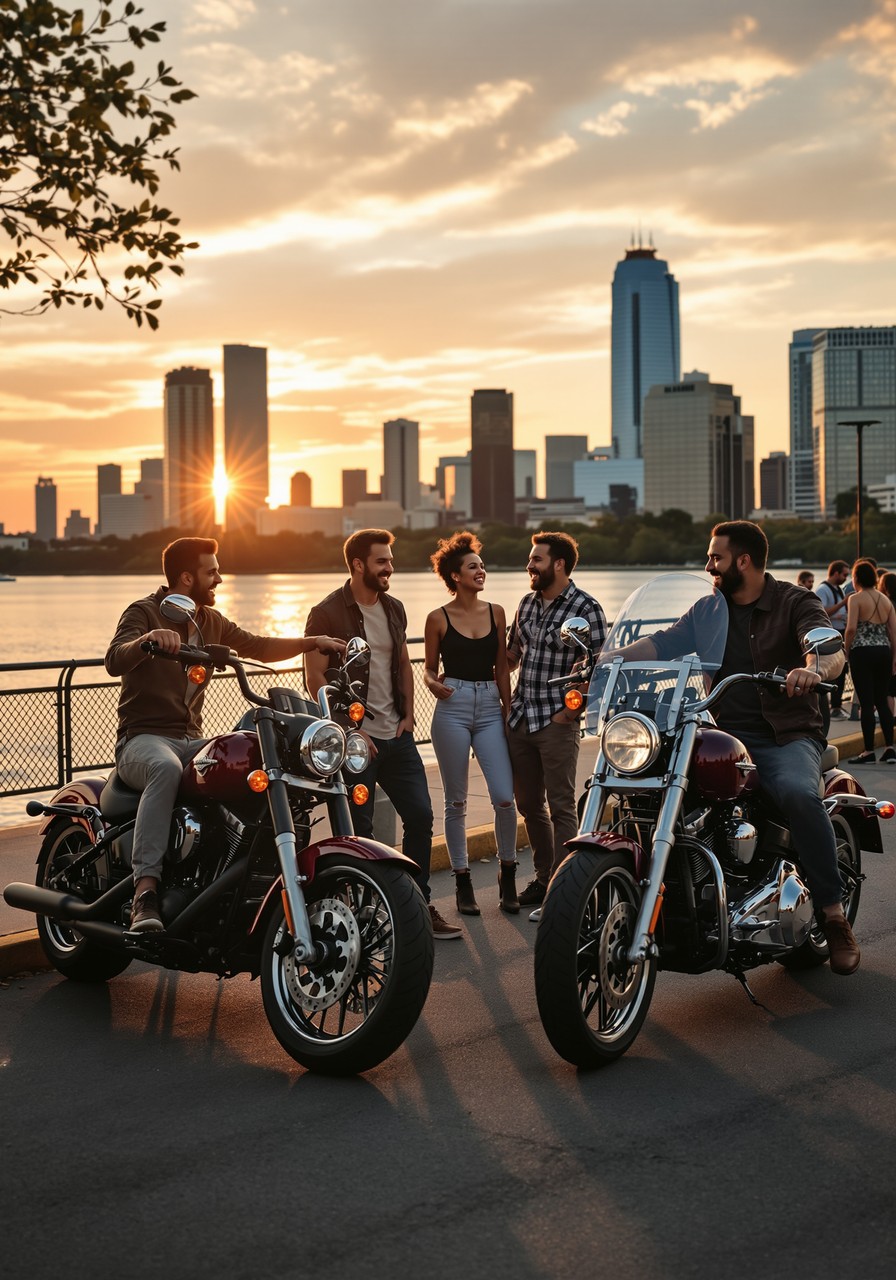
Two words to describe your bike. Only two. We are reading every one. #RideNationAustin #TwoWheels #BikerLife
Giveaway & Countdown
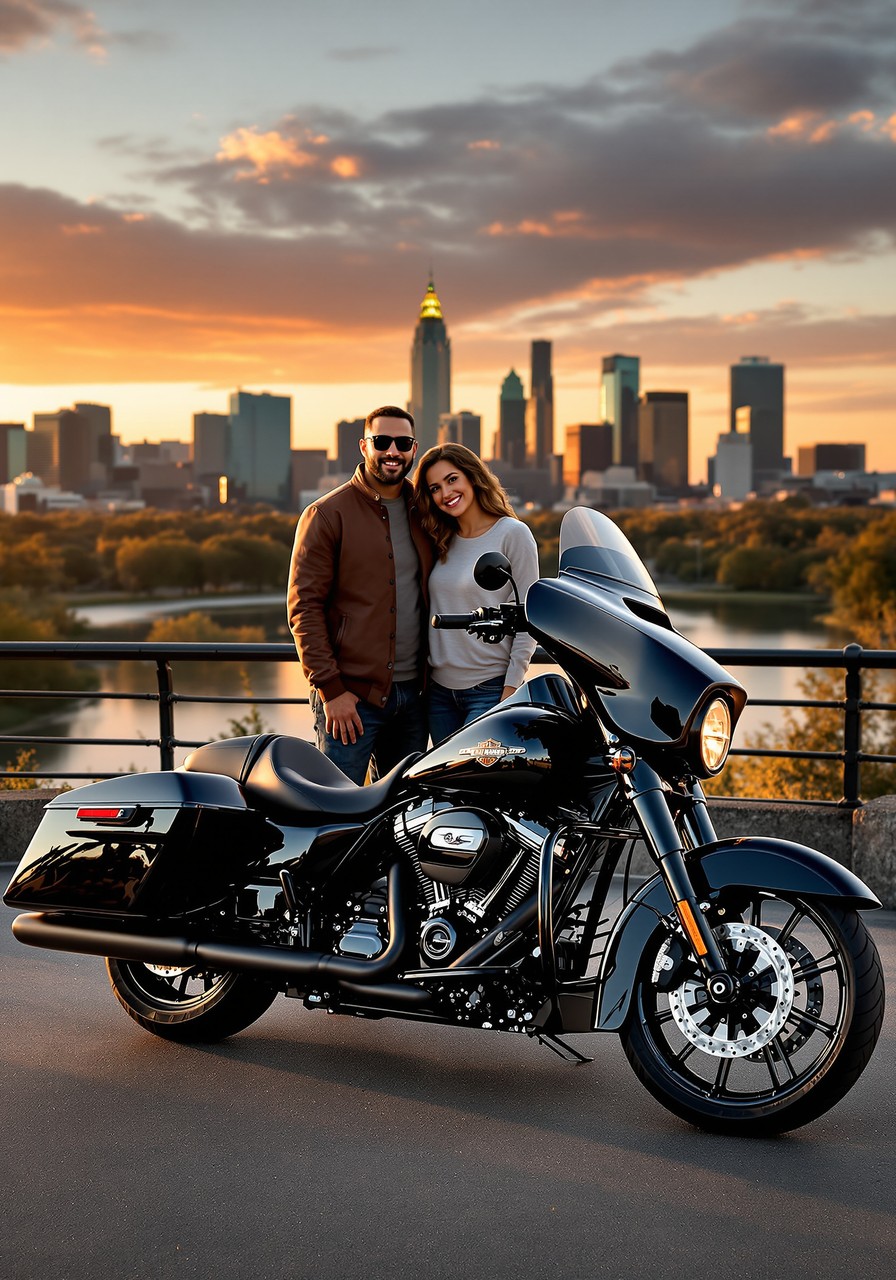
Two minutes today could be a new bike by spring. The BikersWin $20,000 giveaway is open now. Entry link in the comments. Questions after a wreck? Biker Wolfpack Law, 512-883-0277. #RideNationAustin #20kGiveaway #ATX
Local TX & Rides
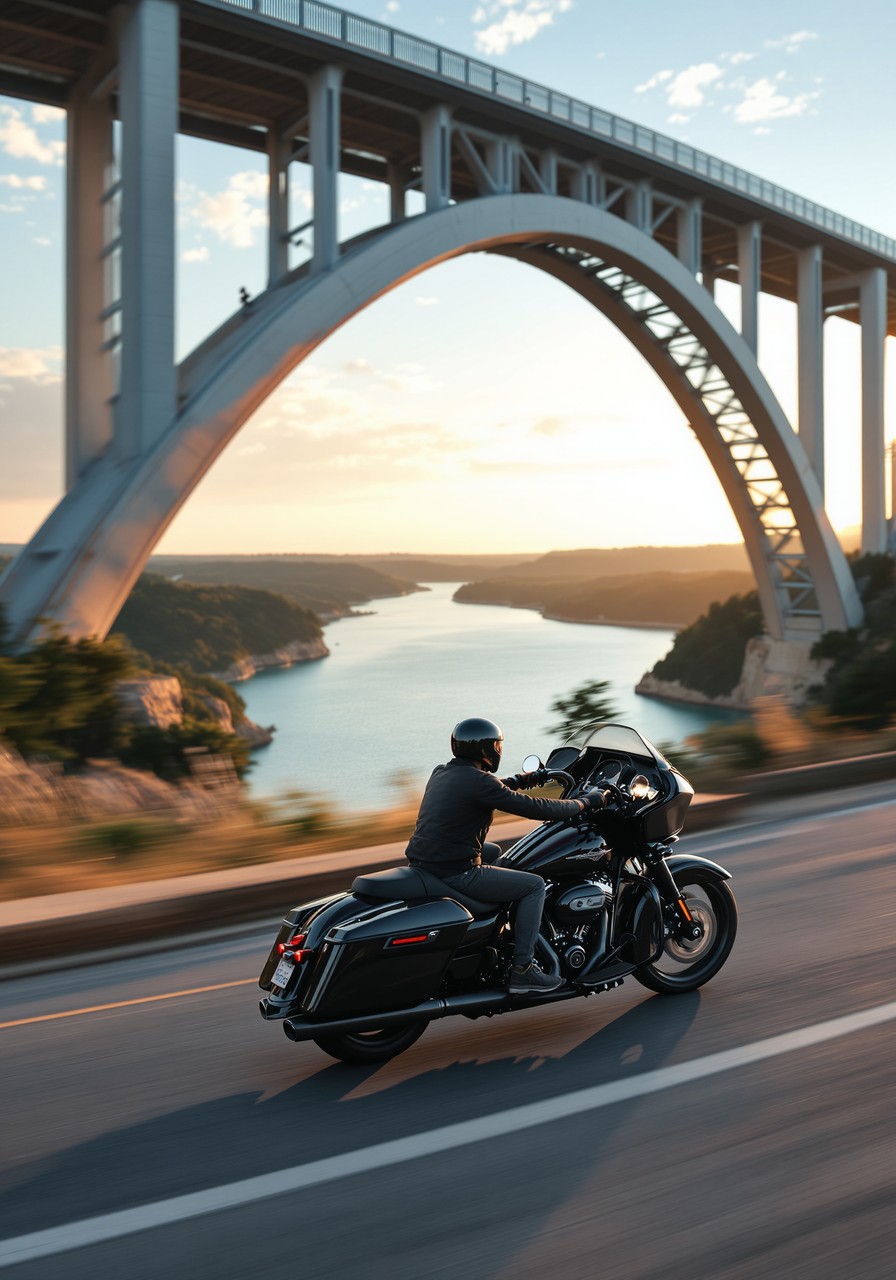
RM 360 down to the Lake Austin overlooks is a short loop with big payoff. Gravel gets kicked into the corners after storms, so scan your line. #RideNationAustin #LakeTravis #AustinRiders
Gear & New Iron
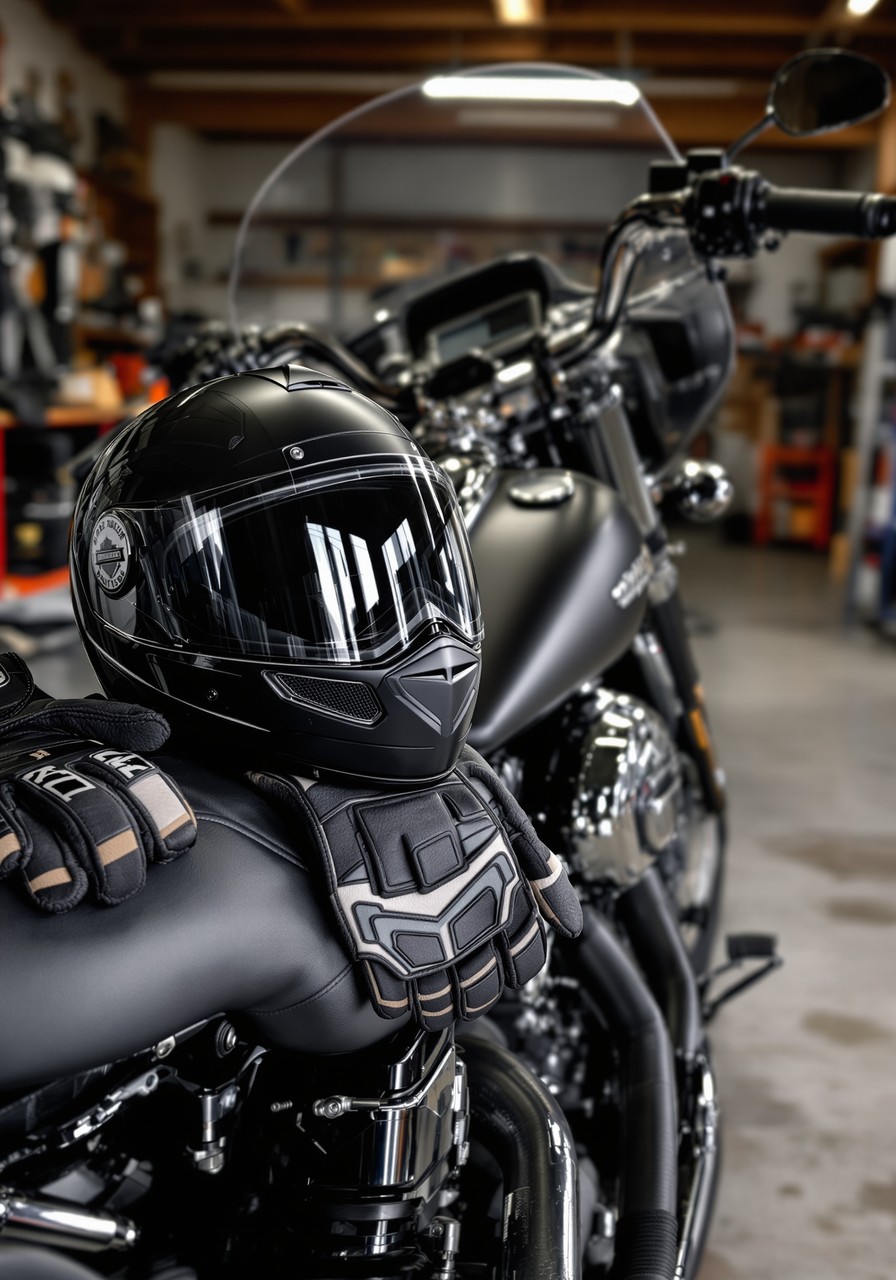
Layering beats one thick jacket. A wind base under a vented shell lets you shed a layer when the Hill Country sun finally shows up. #RideNationAustin #GearUp #RiderTips
Safety & TX Law
That 10,000 dollar medical coverage that lets you ride lidless in Texas goes fast in a real crash. Gear up anyway. Banged up after a wreck? Glen Larson rides for you, free to call. 512-883-0277. #RideNationAustin #RiderSafety #ATGATT
Engagement
Who taught you to ride? Tag them and say thanks. #RideNationAustin #RideOrDie #AustinRiders
Giveaway & Countdown
The draw is December 10 and it is coming fast. Get your name in before the clock runs out. Free to enter, link in comments. #RideNationAustin #BikersWin #WinABike
Local TX & Rides
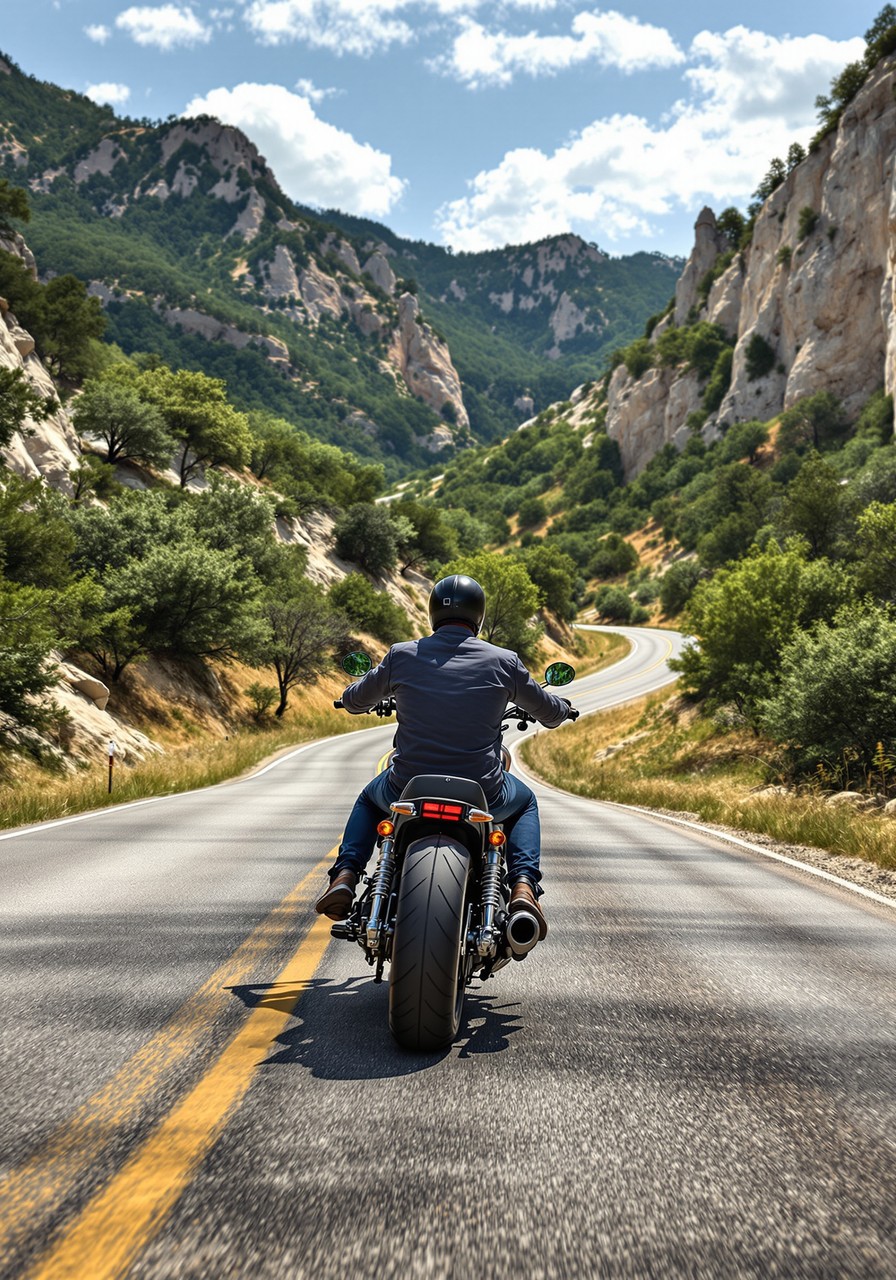
Deer move at dusk on every Hill Country ranch road. If you are out past golden hour near Dripping Springs or Wimberley, slow down and cover the brake. #RideNationAustin #HillCountry #TexasRiding
Gear & New Iron
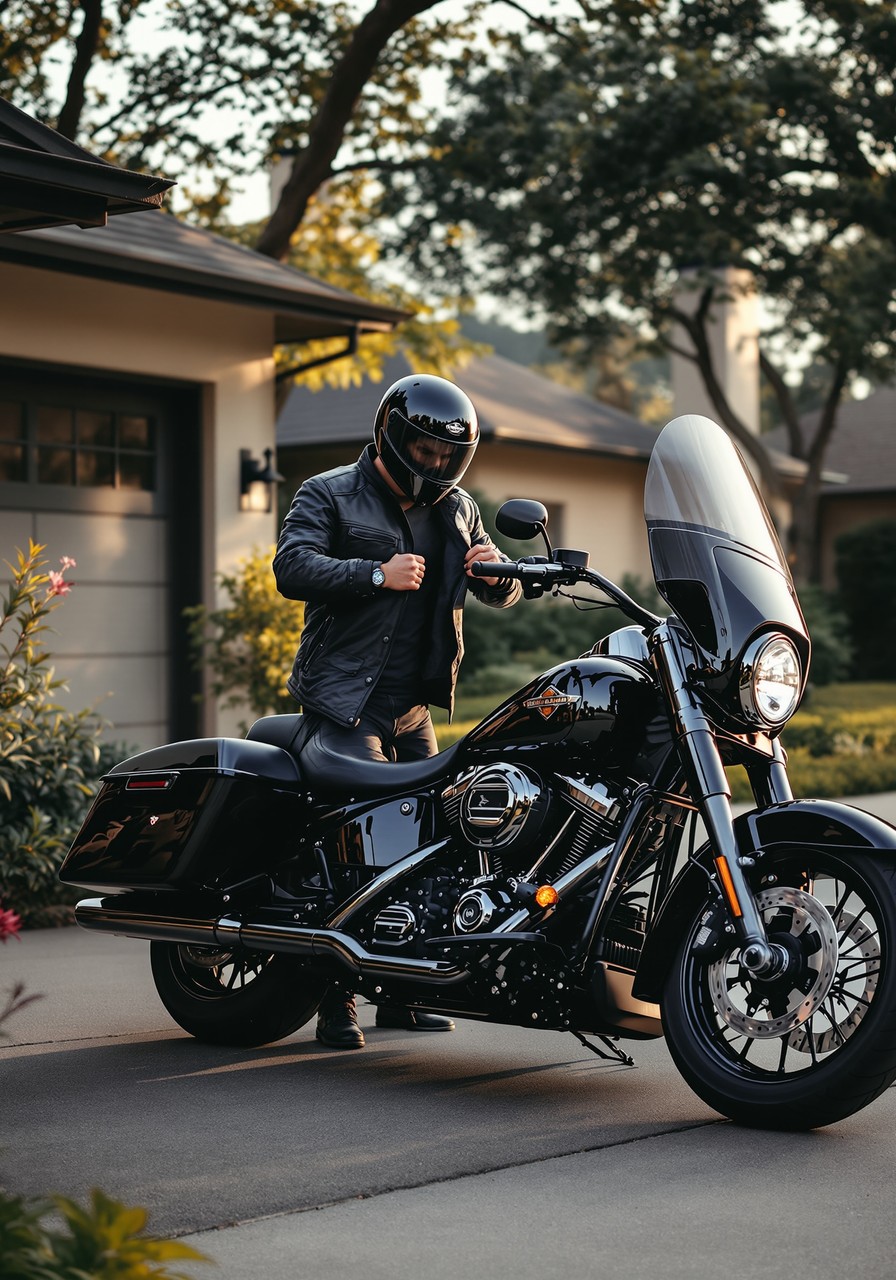
ATGATT is not a slogan, it is a habit. All the gear, every time, even the quick run for tacos. Most crashes happen close to home. #RideNationAustin #ATGATT #BikerLife
Safety & TX Law
Texas gives you two years from the crash to file an injury claim. Sounds like plenty until it is gone. Do not sit on it. Questions? Biker Wolfpack Law, no cost to talk. 512-883-0277. #RideNationAustin #TexasLaw #KnowYourRights
Engagement
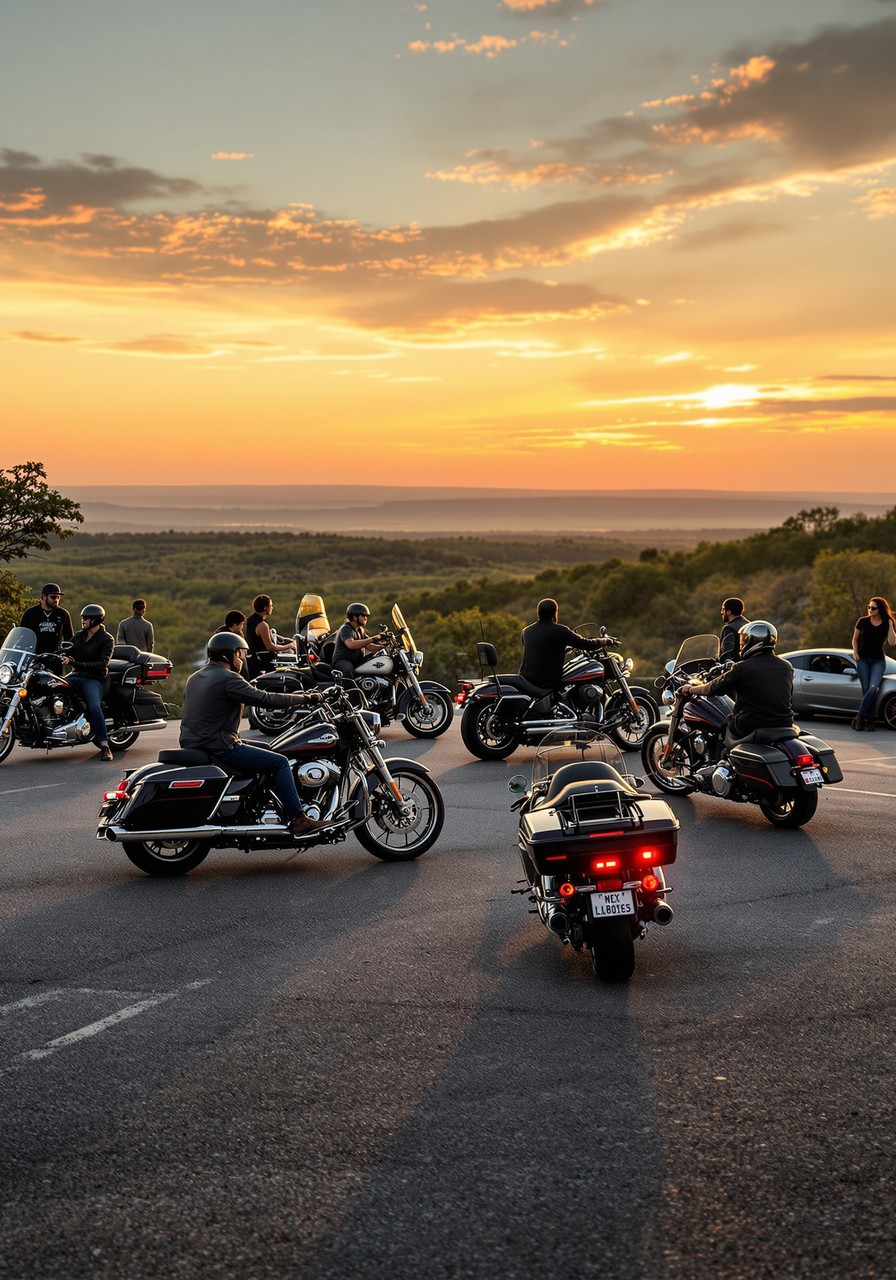
Poll: do you name your bike? Yes and tell us the name, or no and tell us why not. #RideNationAustin #BikerLife #ATX
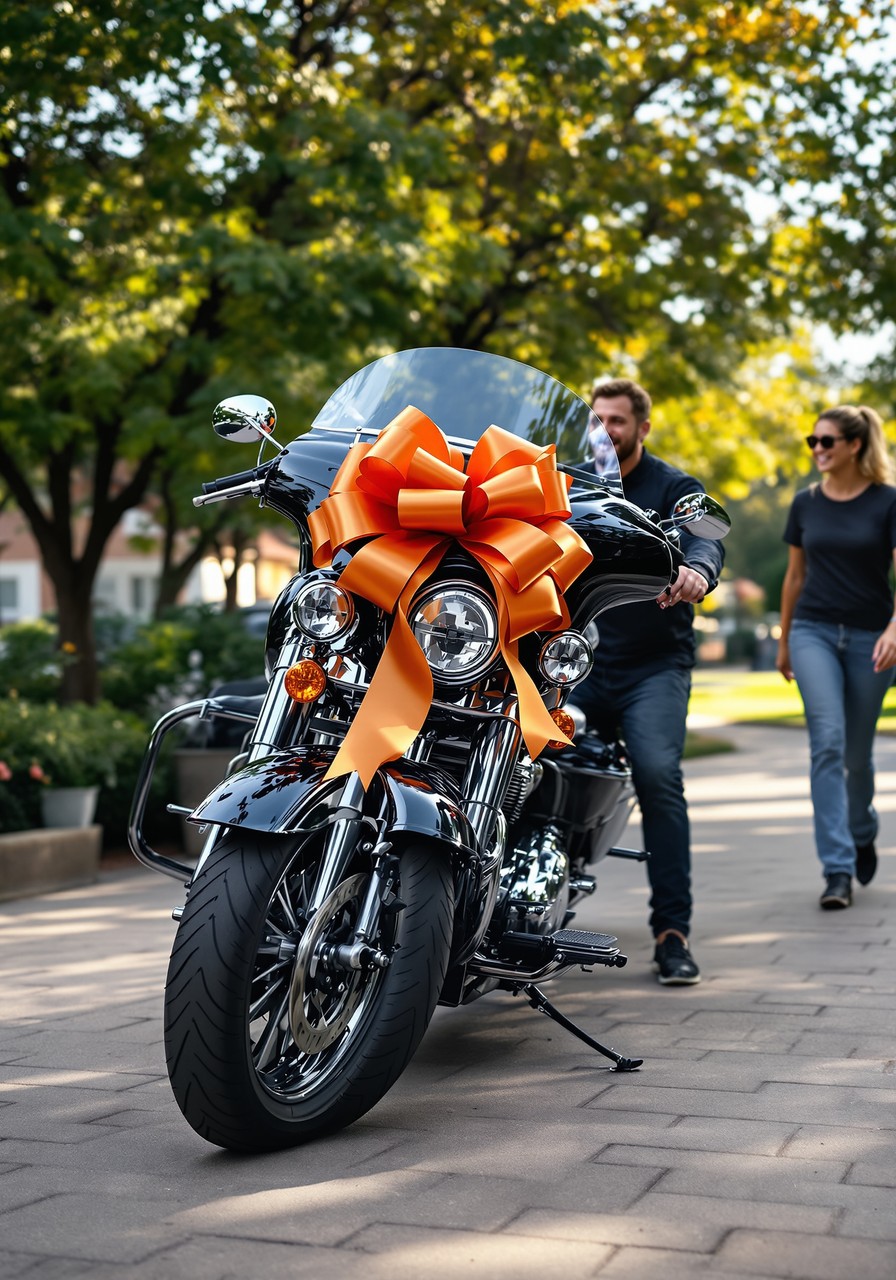
Giveaway & Countdown
One winner. $20,000. Any motorcycle they want. That could be you, Ride Nation. Free to enter, drawn December 10. Entry link in the comments. #RideNationAustin #MotorcycleGiveaway #AustinRiders
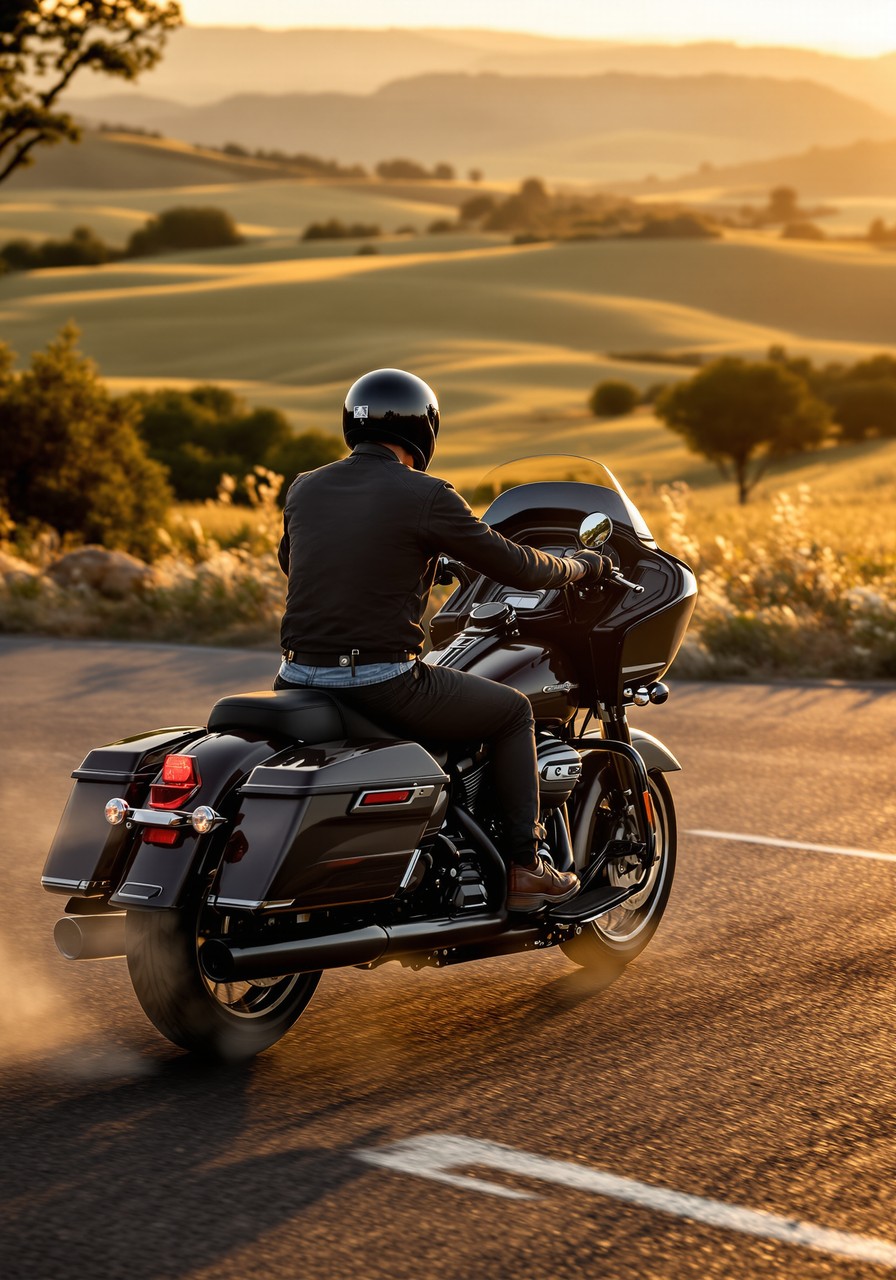
Local TX & Rides
Dripping Springs makes a solid meetup point before you head west into the twisties. Coffee, fuel, and a full tank, then point it toward the Sisters. #RideNationAustin #HillCountry #AustinRiders
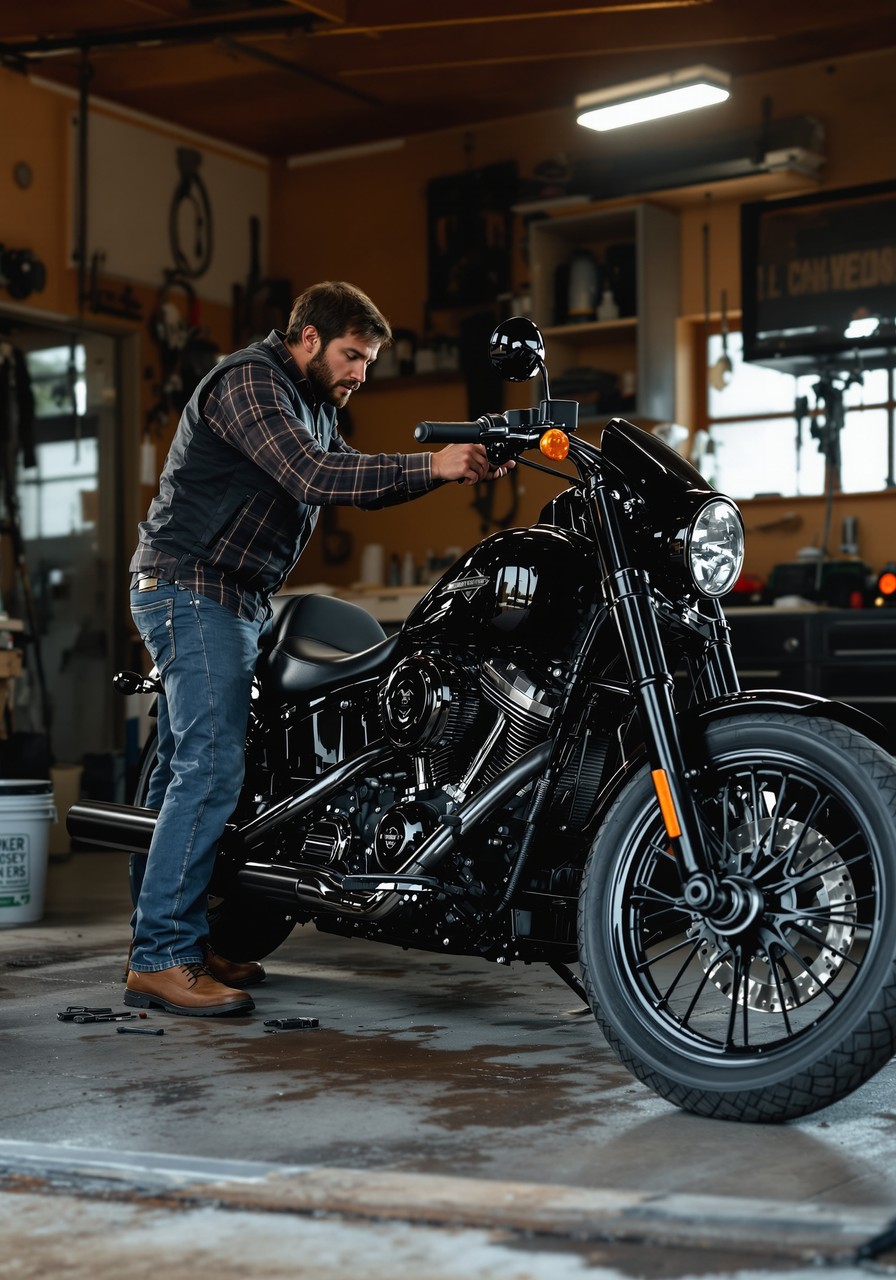
Gear & New Iron
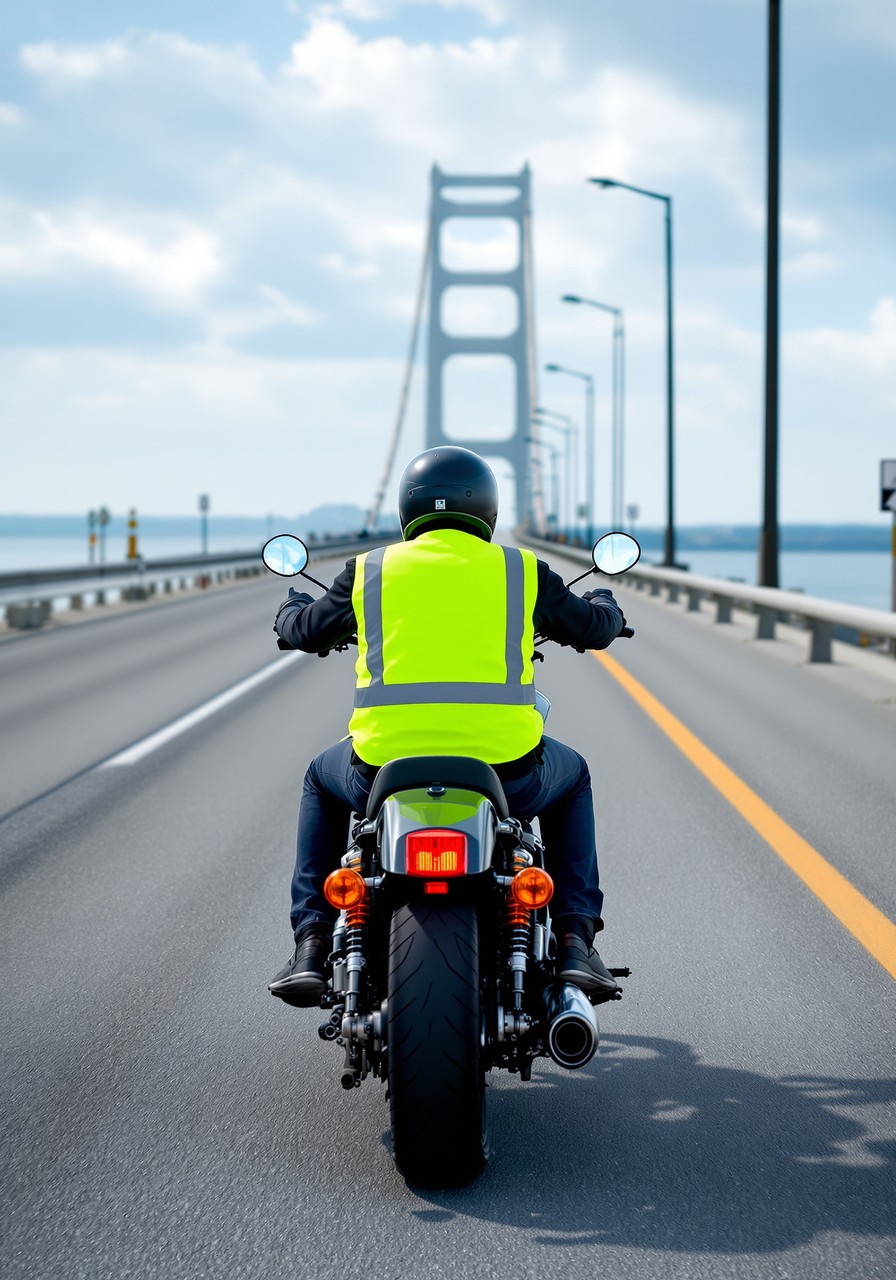
Hi viz is not about looking cool. It is about being seen by the driver on their phone at the light. A bright vest changes how early they spot you. #RideNationAustin #RiderTips #GearUp
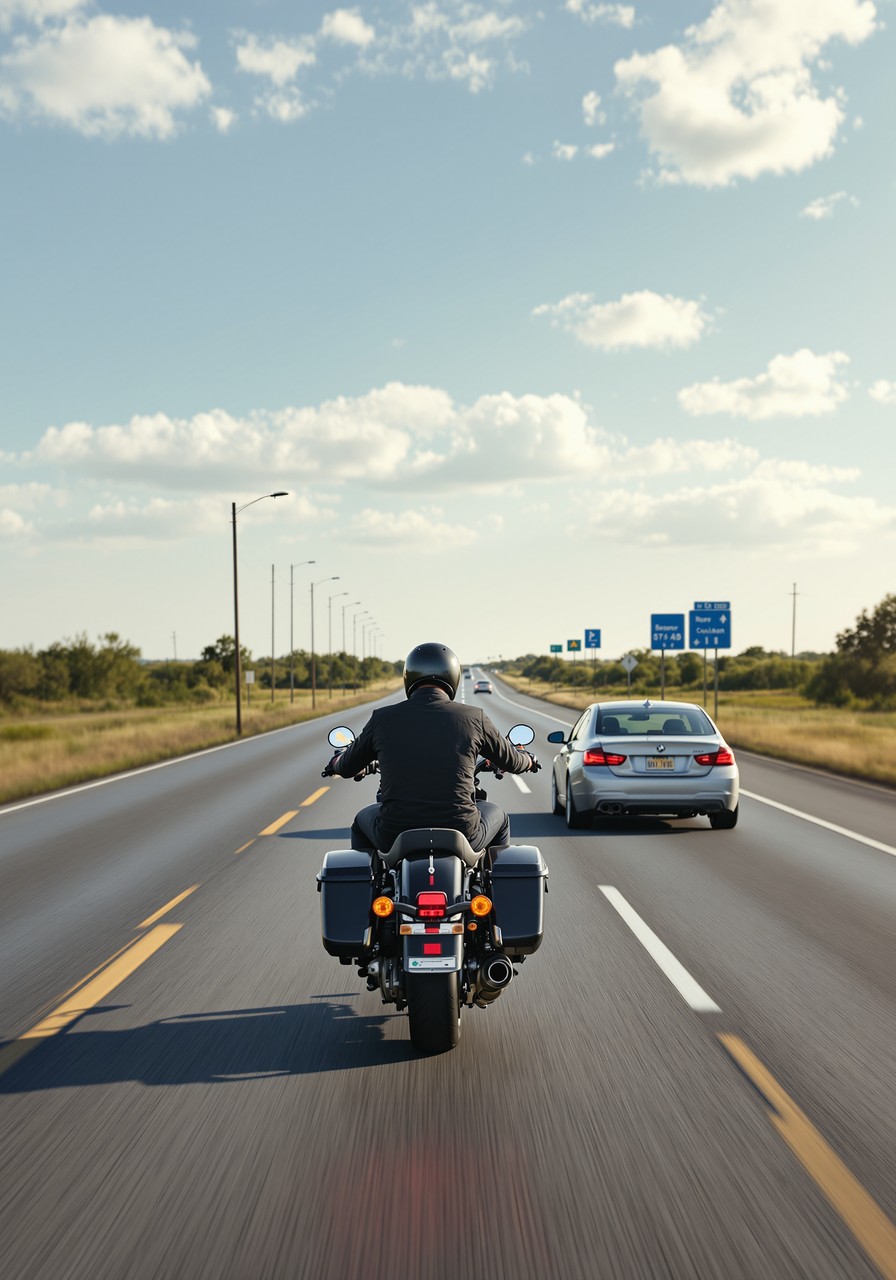
Safety & TX Law
The Texas clock on an injury claim runs two years, and evidence fades long before that. The sooner you look into it, the better. Hurt on the bike? Glen Larson, 512-883-0277. #RideNationAustin #TexasLaw #RiderSafety
Engagement
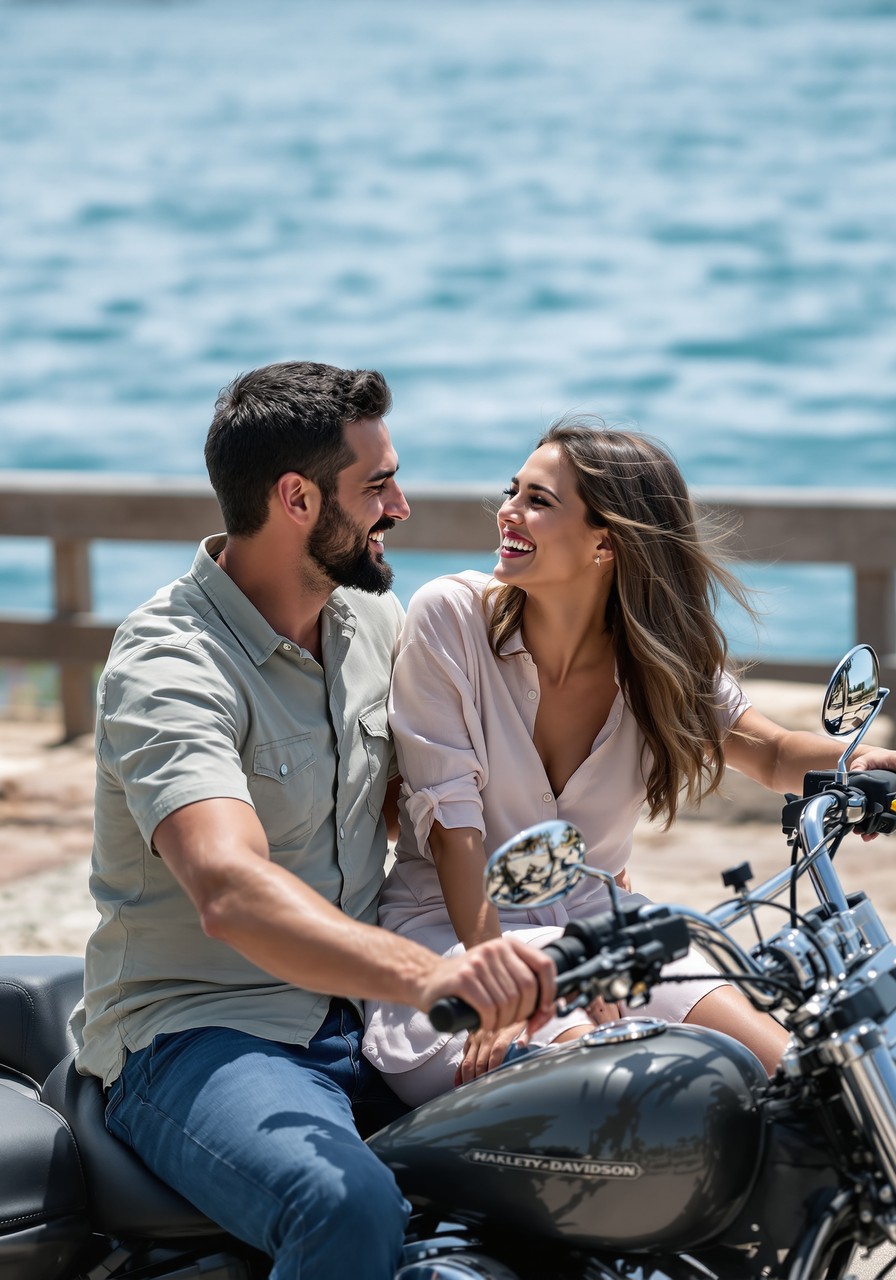
Fill in the blank: I never leave for a ride without my ______. #RideNationAustin #TwoWheels #TexasRiders
Giveaway & Countdown
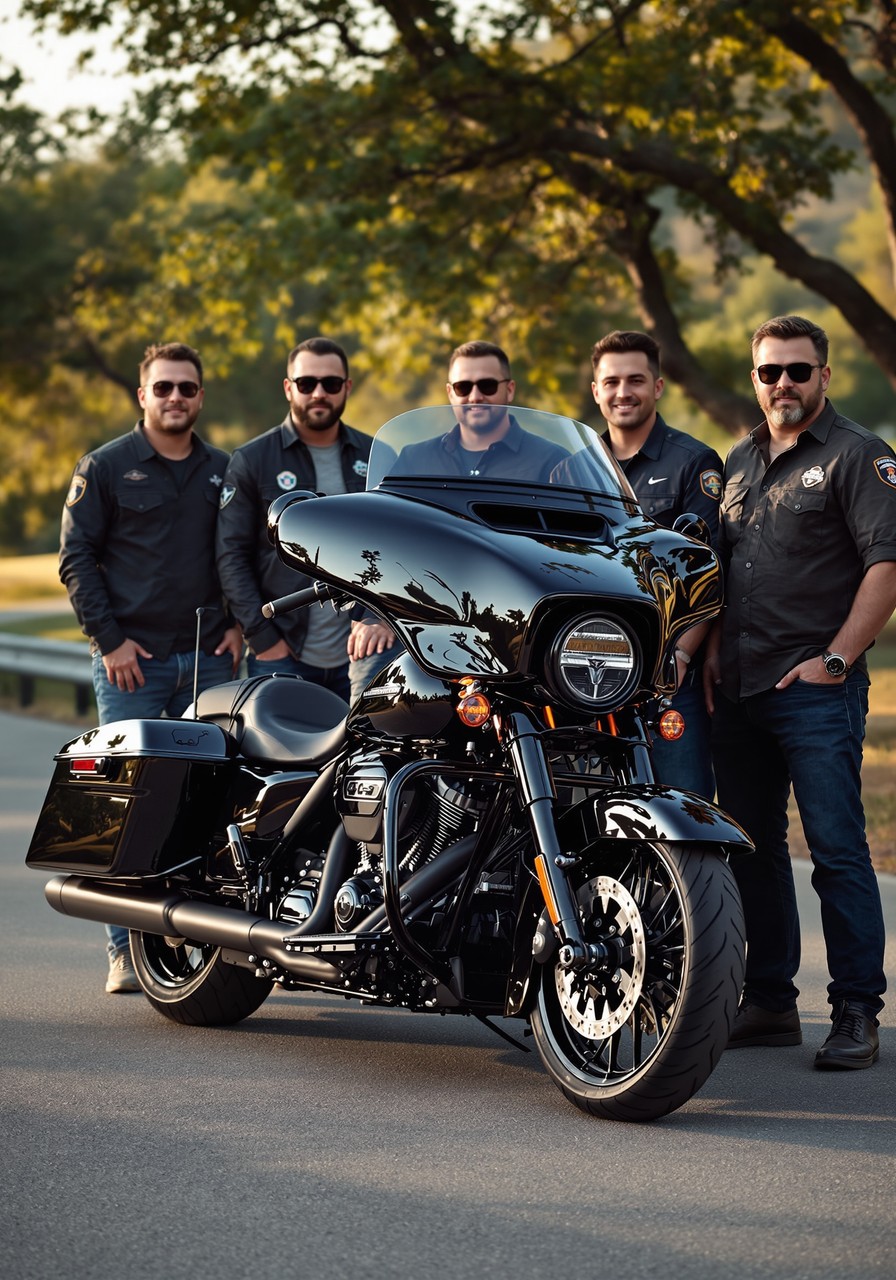
Riders 18 and up, this one is for you. $20,000 toward the bike of your dreams, free to enter, drawn December 10. Link in comments. Biker Wolfpack Law, 512-883-0277. #RideNationAustin #20kGiveaway #FreeToEnter
Local TX & Rides
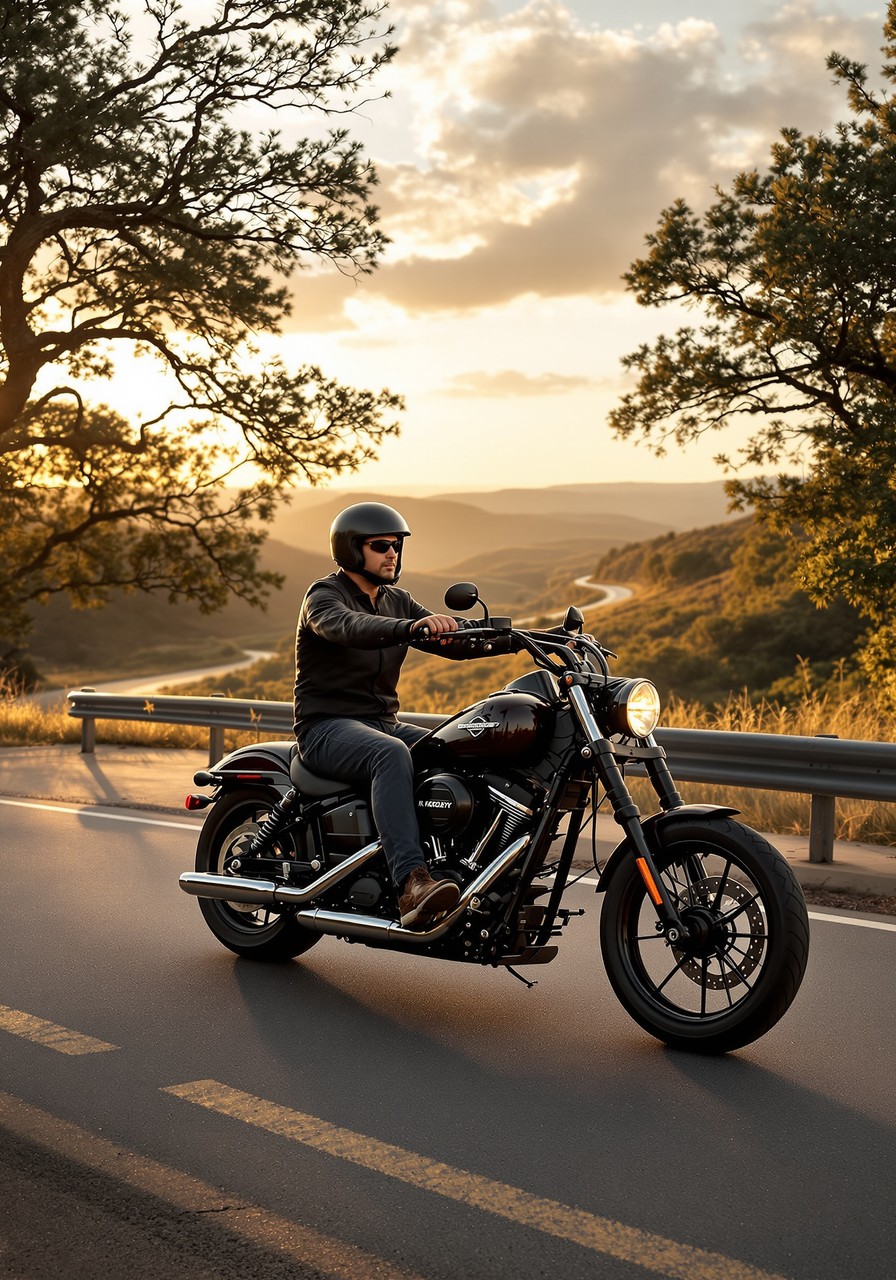
The Pedernales crossings are gorgeous and deceptive. Algae on the concrete stays slick even when the water is low, so treat every crossing with respect. #RideNationAustin #HillCountry #TexasRiding
Gear & New Iron
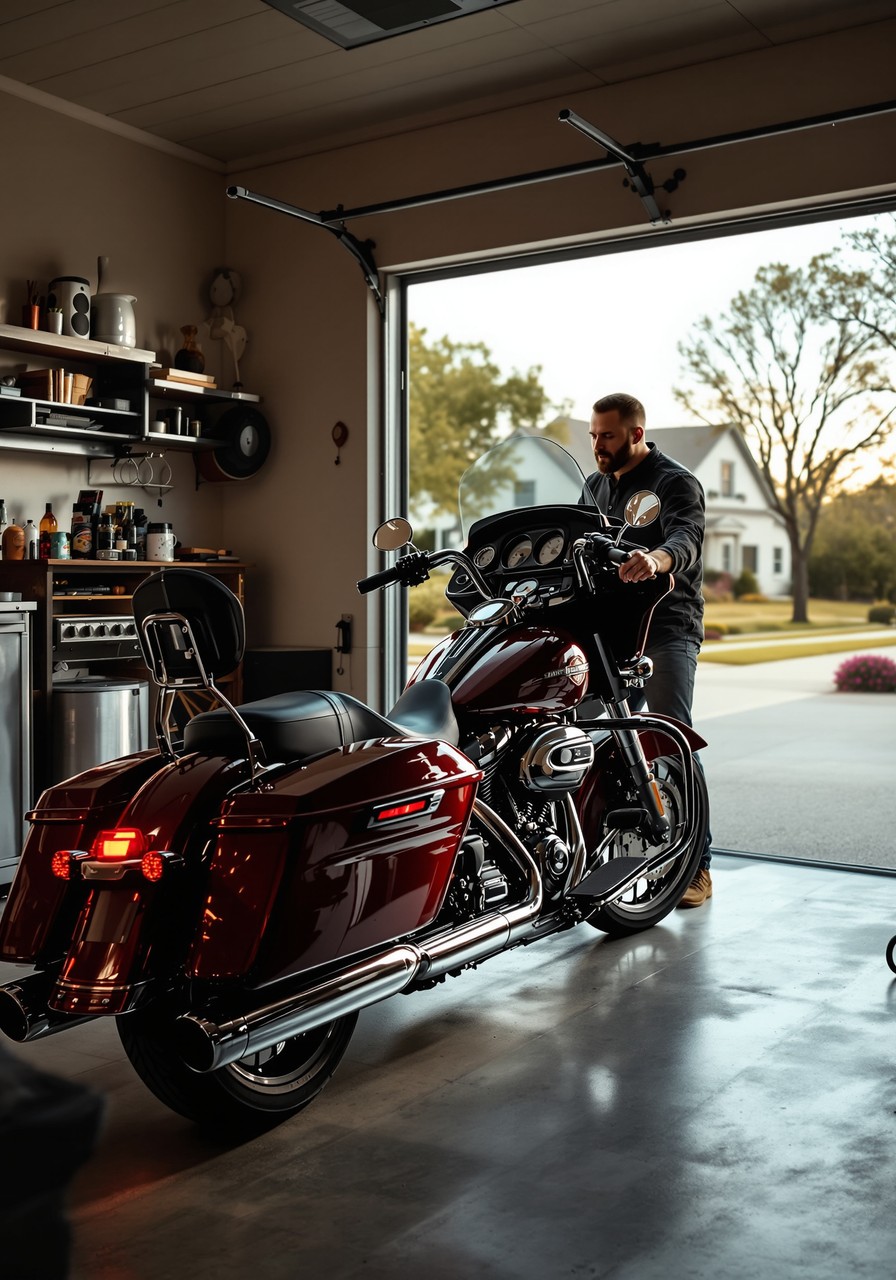
Bright gear works hardest at dawn and dusk when the low sun blinds drivers. Reflective panels do the talking when your headlight blends into the glare. #RideNationAustin #RiderTips #GearUp
Safety & TX Law
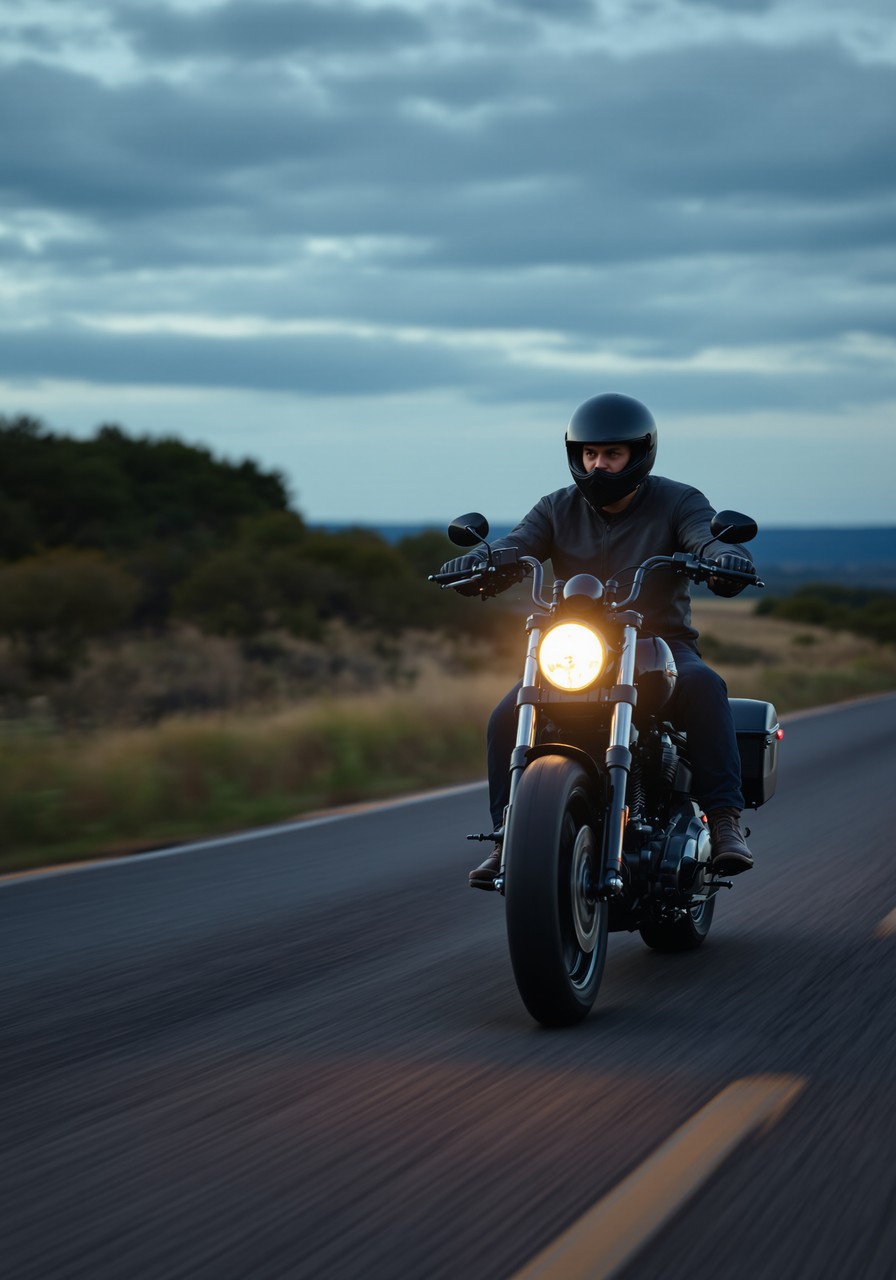
Two years. That is your window in Texas to bring an injury claim after a wreck. Miss it and the door closes for good. Not sure where you stand? Biker Wolfpack Law, free call. 512-883-0277. #RideNationAustin #TexasLaw #KnowYourRights
Engagement
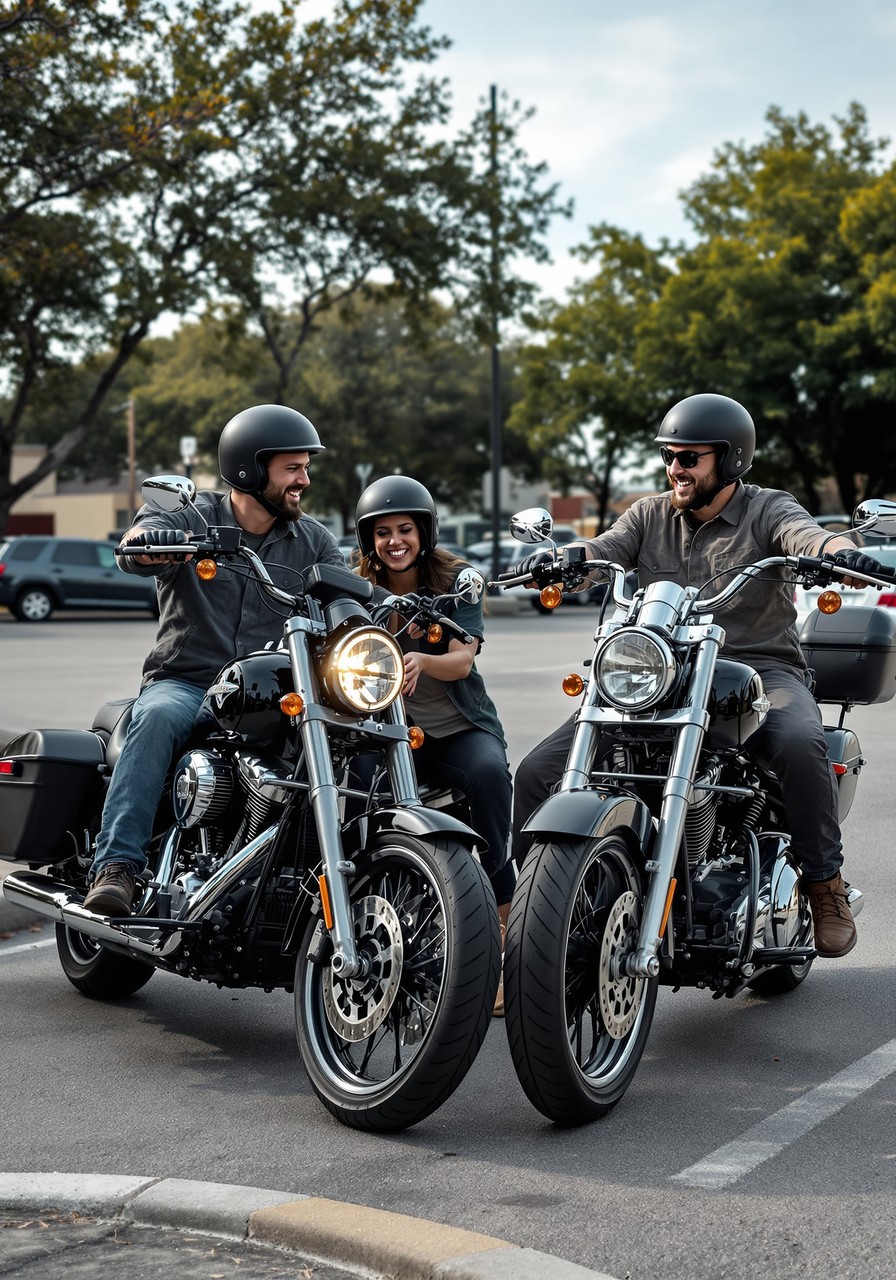
This or that: live music on Sixth Street after the ride, or a quiet campfire in the Hill Country. #RideNationAustin #ATX #HillCountry
Giveaway & Countdown
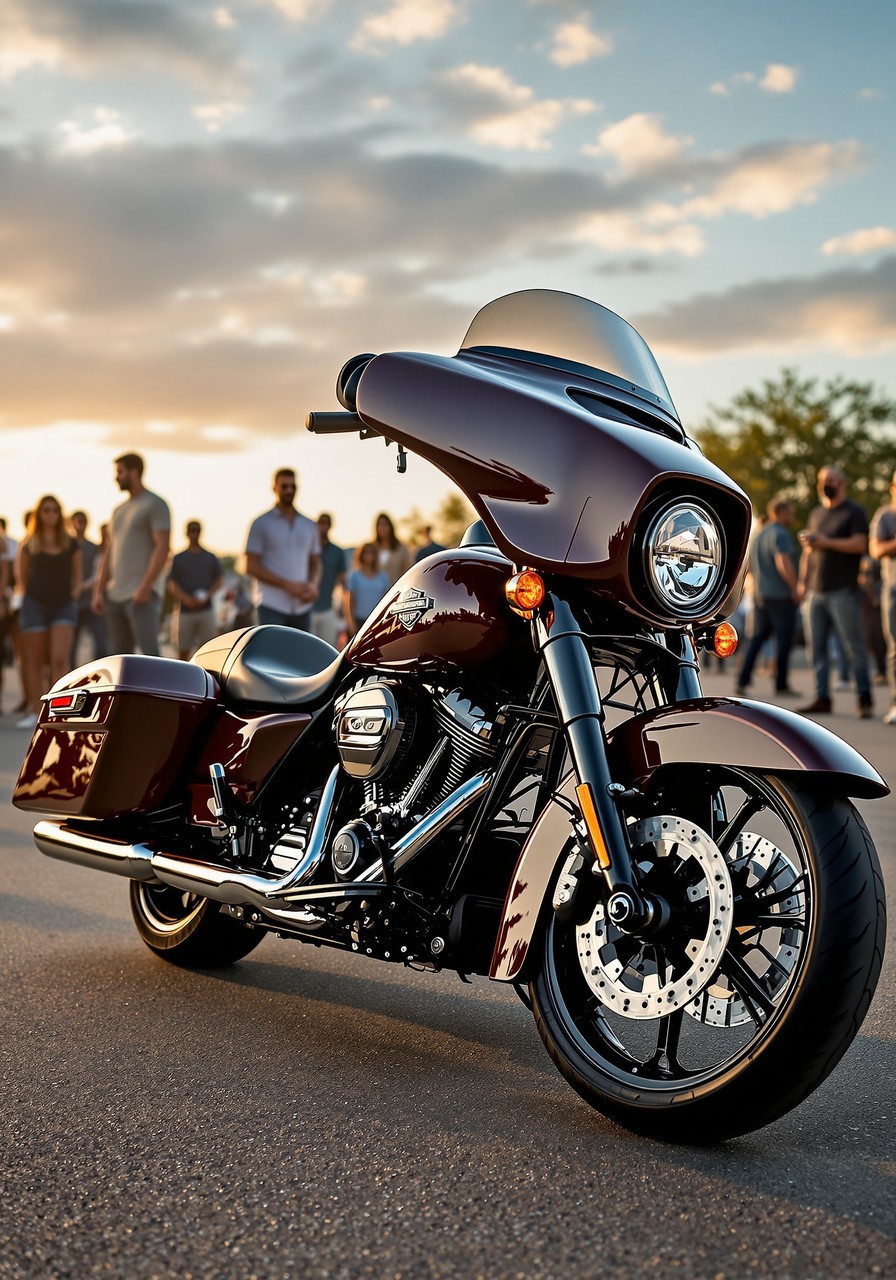
Tag two friends who ride and get all three of you entered. Free to play, $20,000 on the line, drawn December 10. Entry link in the comments. #RideNationAustin #BikersWin #ATX
Local TX & Rides
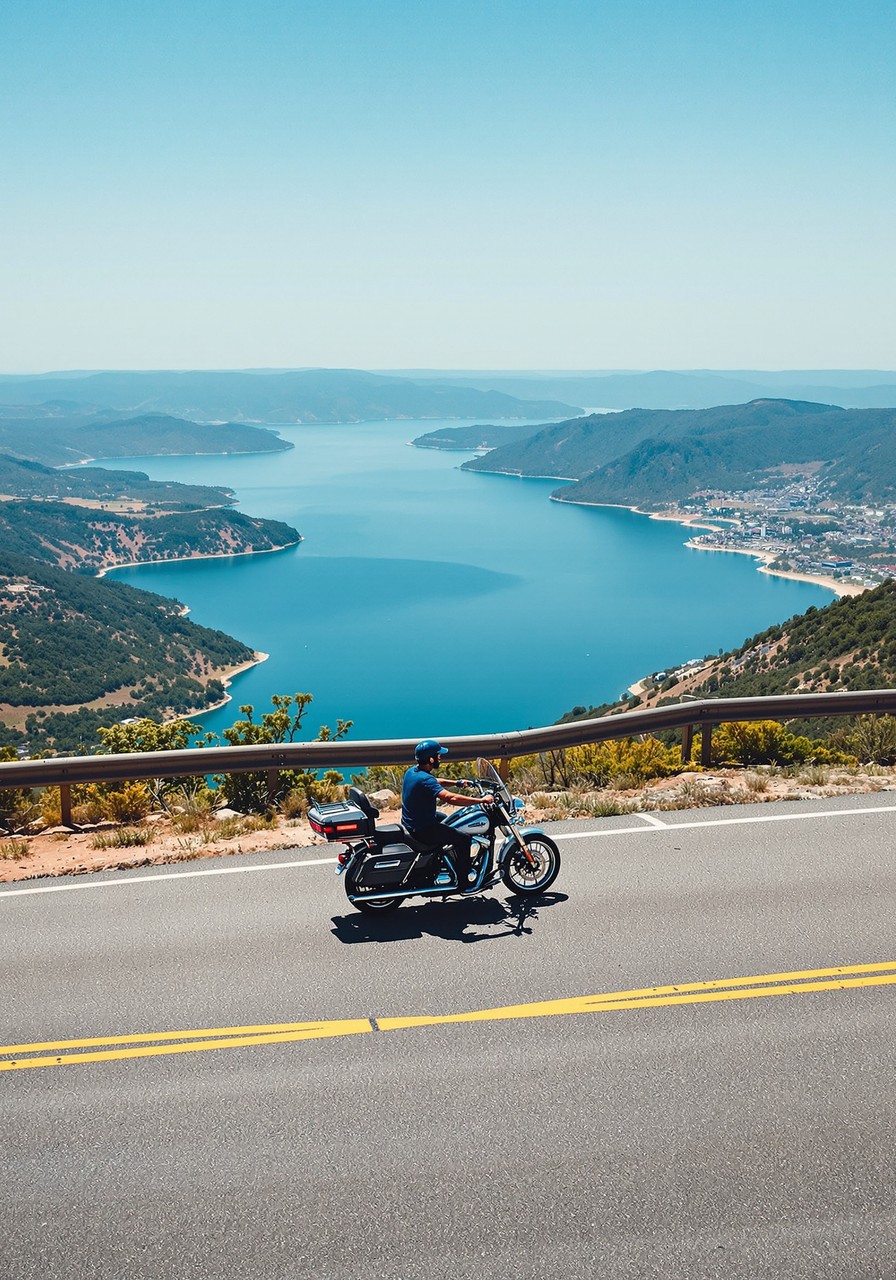
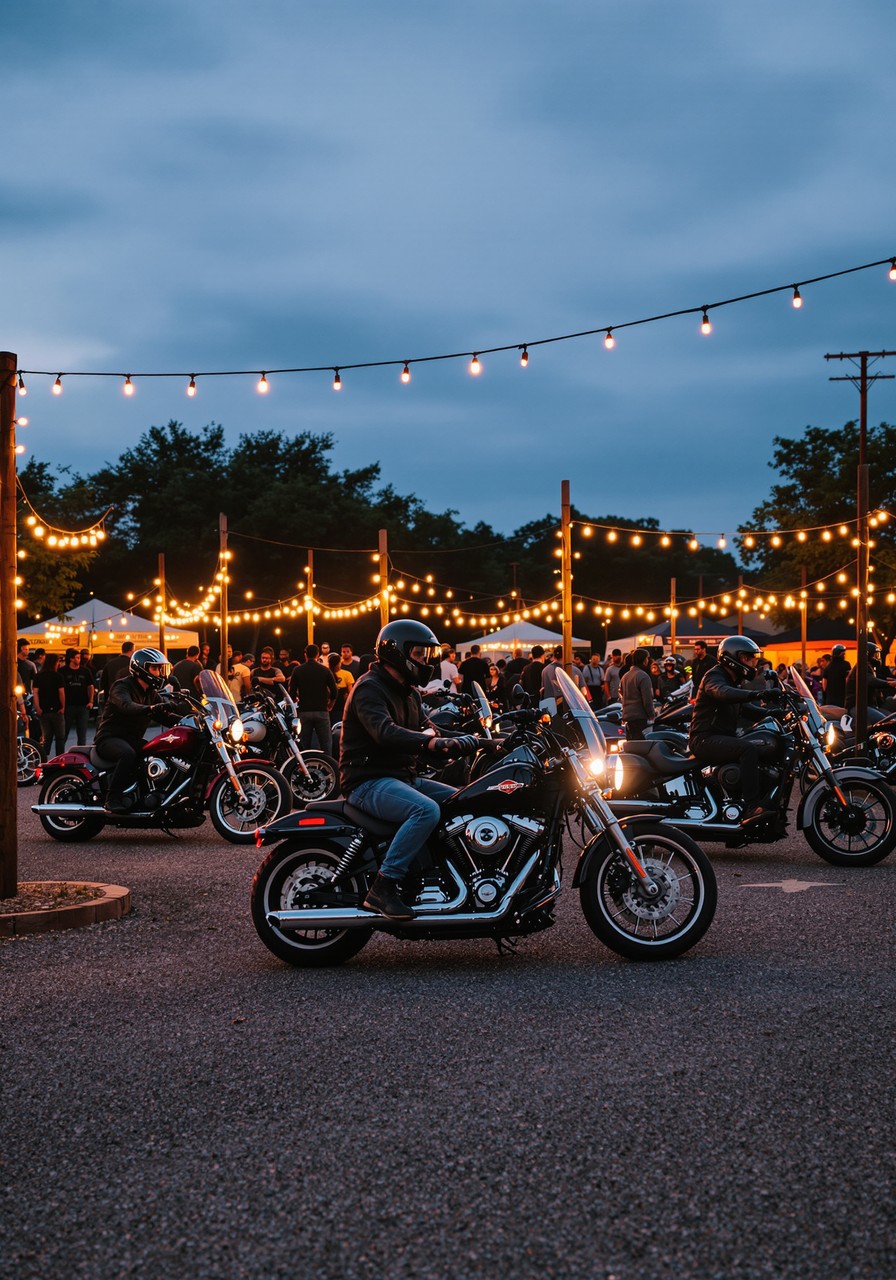
Winter bike nights are back in ATX. Nothing beats rolling up to a lot full of bikes on a cool clear Texas evening. Ride safe getting there and home. #RideNationAustin #AustinRiders #ATX
Gear & New Iron
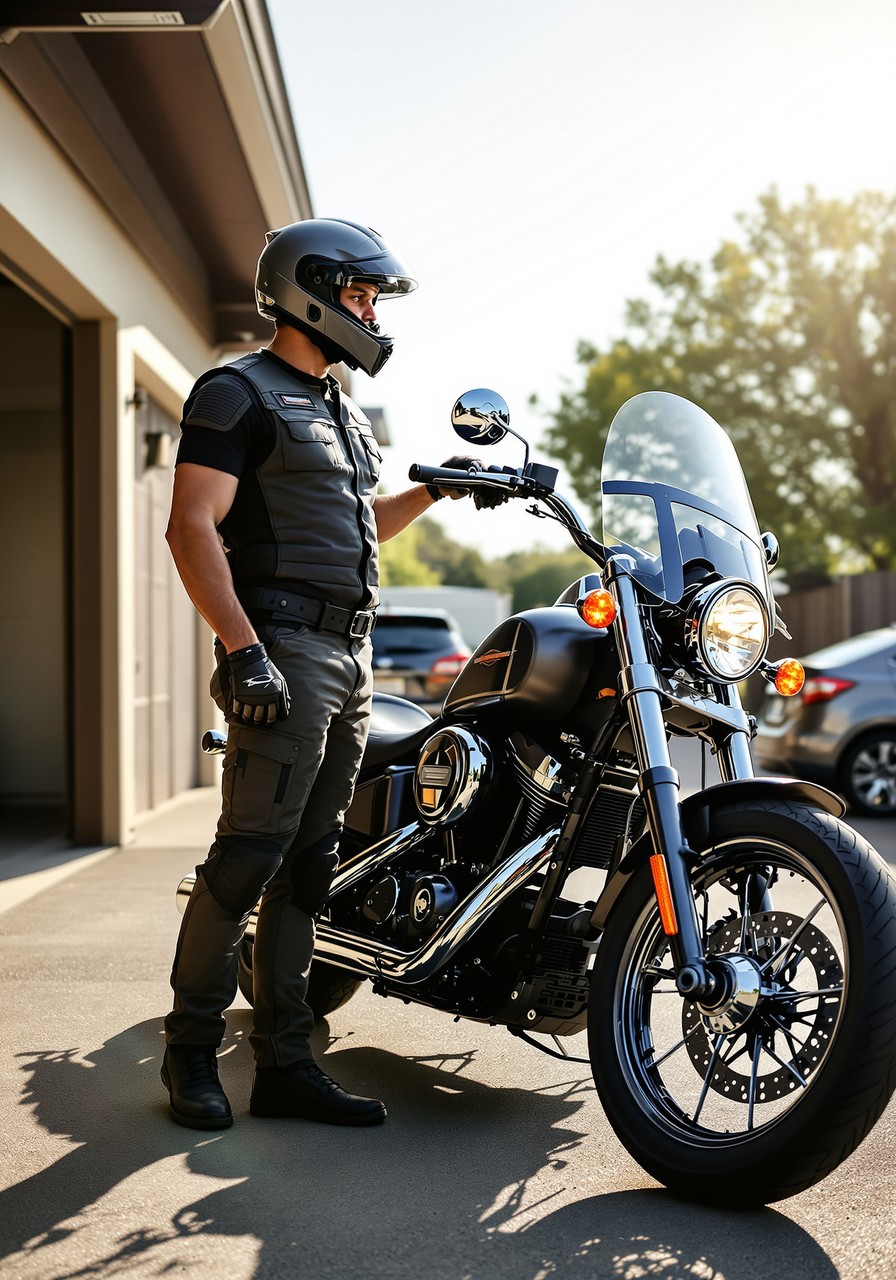
Boots over sneakers. A real riding boot protects the ankle when the bike goes down and pins a foot. Canvas shoes do nothing in a slide. #RideNationAustin #ATGATT #GearUp
Safety & TX Law
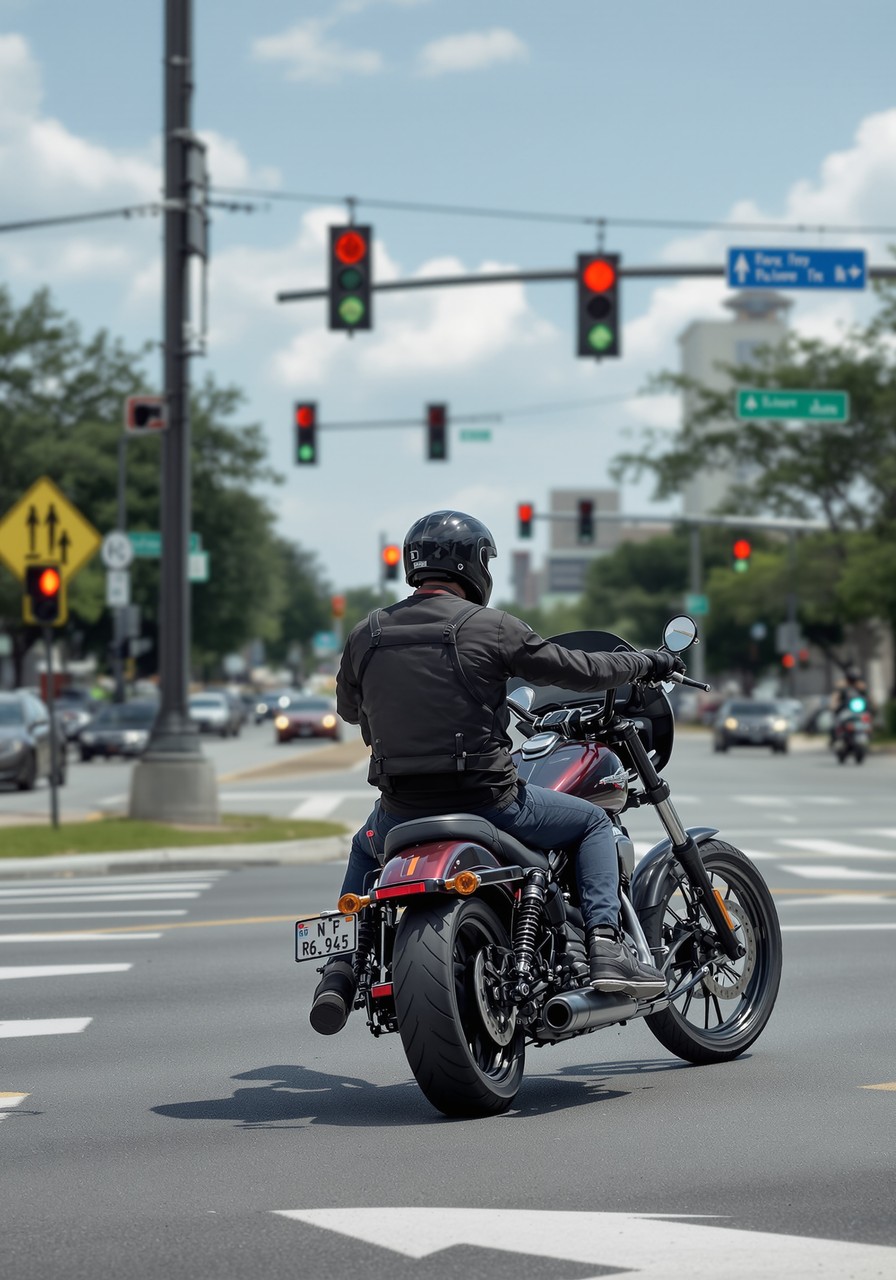
Lane splitting is not legal in Texas. Filtering between cars is not either. Ride like the law reads, because it will matter if you go down. Questions after a crash? Glen Larson, 512-883-0277. #RideNationAustin #TexasLaw #MotorcycleSafety
Engagement
Caption this: two bikes parked at a gas station, one story waiting to happen. #RideNationAustin #AustinRiders #TwoWheels
Giveaway & Countdown
Do not overthink it. It is free, it takes two minutes, and someone is winning $20,000. Get in before December 10. Link in comments. #RideNationAustin #WinABike #MotorcycleGiveaway
Local TX & Rides
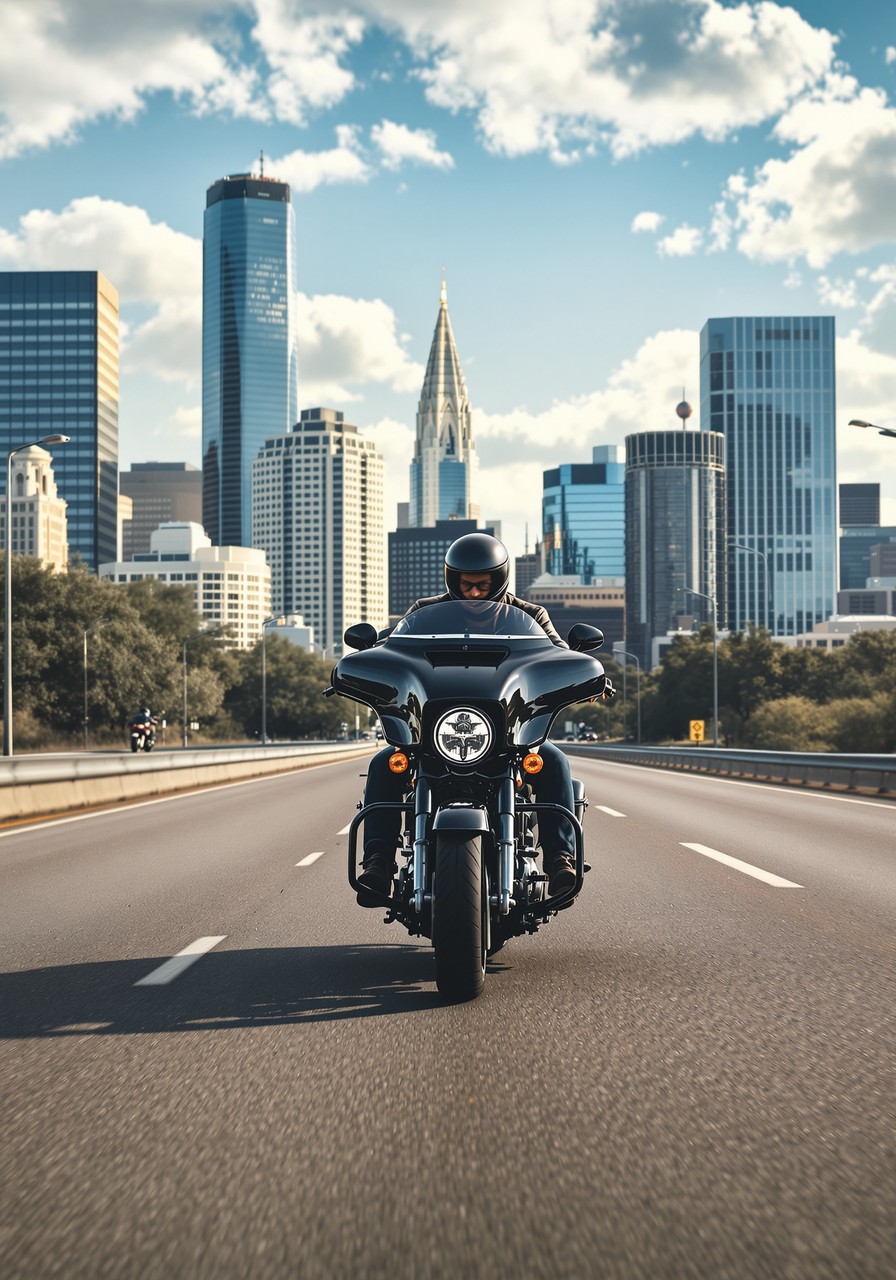
Fredericksburg makes a perfect Hill Country day trip. Take 290 out, loop the back roads, and grab lunch on Main before the ride home. #RideNationAustin #Fredericksburg #HillCountry
Gear & New Iron
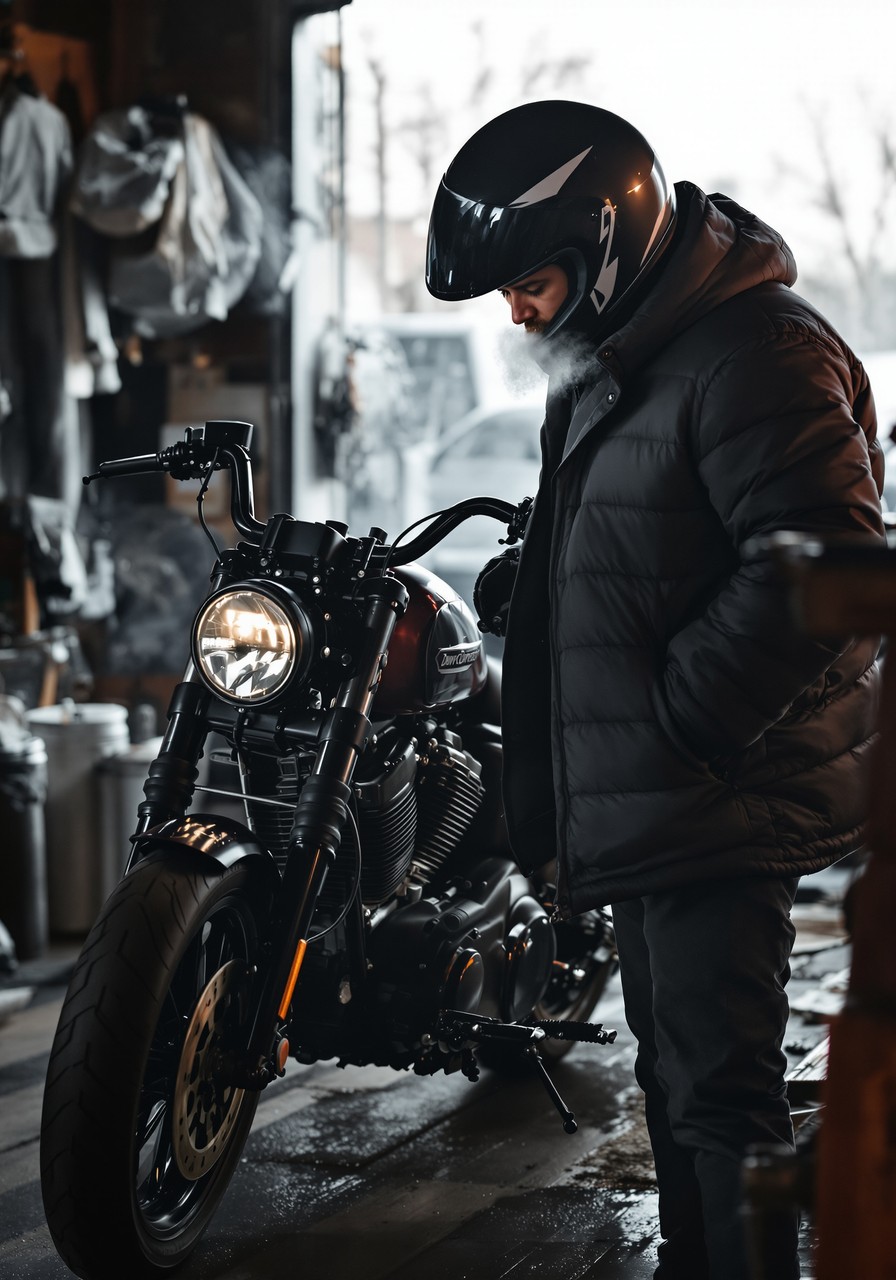
Gloves are the first thing your hands do in a fall, reach out. Bare palms lose a fight with asphalt every time. Wear the gloves. #RideNationAustin #ATGATT #GearUp
Safety & TX Law
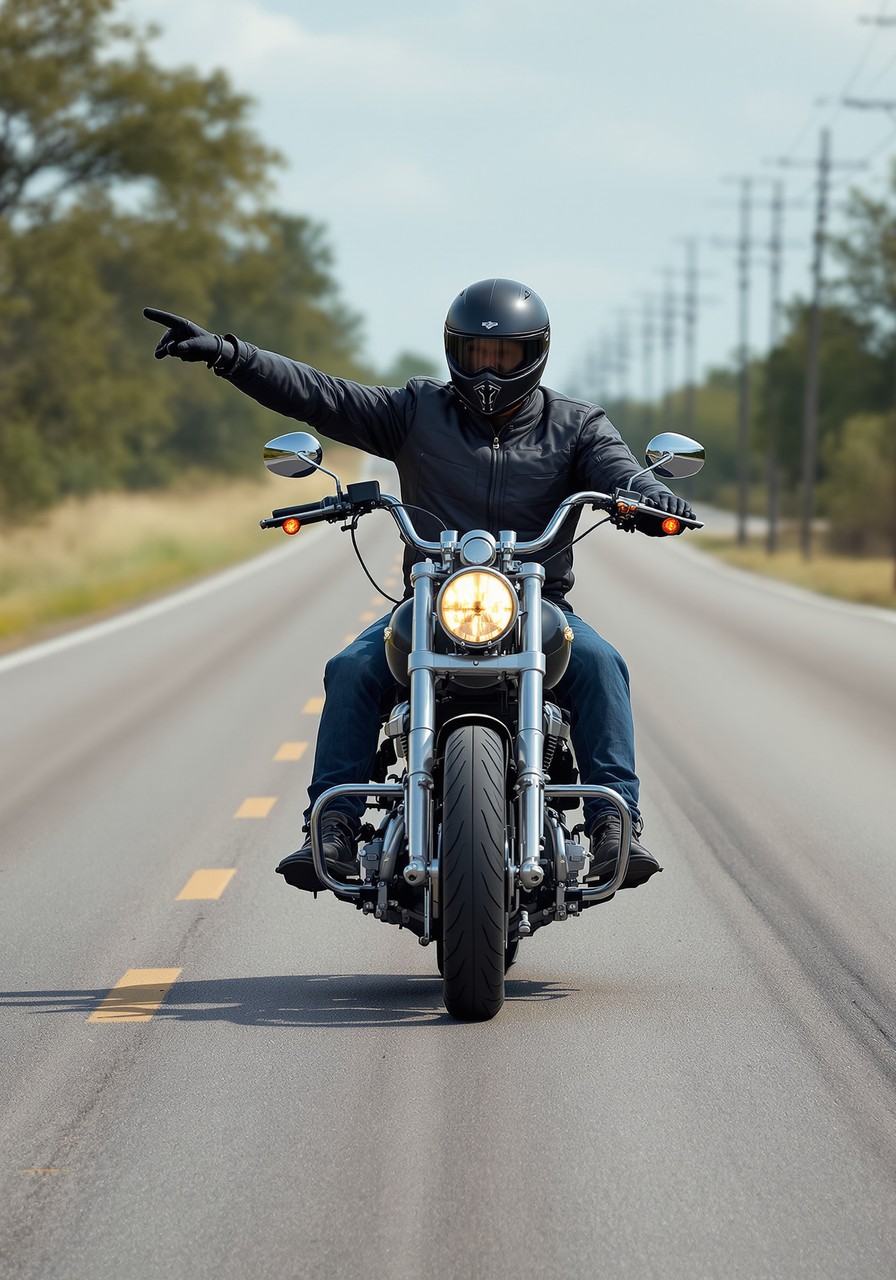
Heads up: Texas has not legalized lane splitting or filtering. Doing it can land on you when fault gets sorted out. Hurt in a wreck? Biker Wolfpack Law, no cost to talk. 512-883-0277. #RideNationAustin #TexasLaw #RiderSafety
Engagement
First bike you ever owned. Drop it in the comments, no judgment. #RideNationAustin #BikerLife #TexasRiders
Giveaway & Countdown
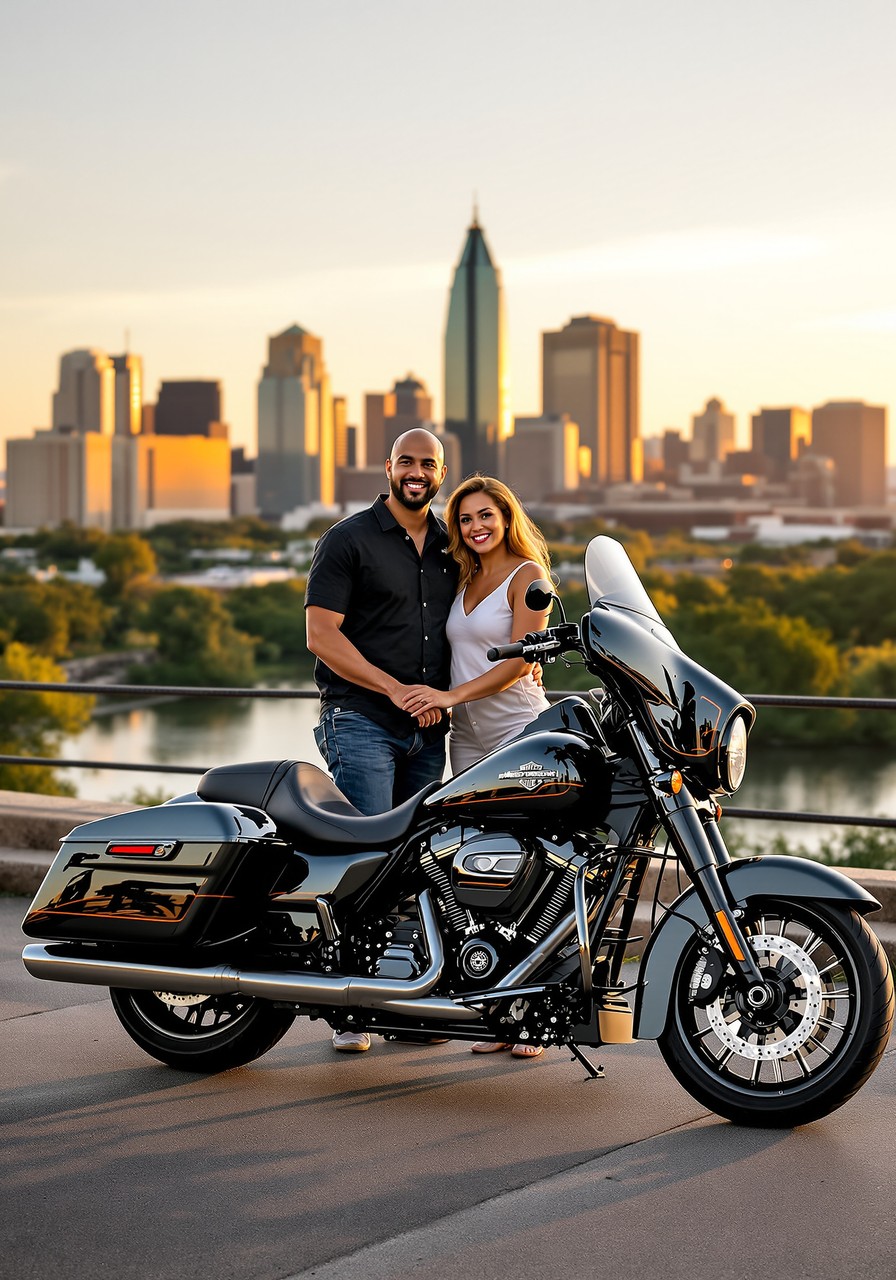
New bike, new season. $20,000 toward whatever you ride next. Free to enter, one winner, December 10. Entry link in the comments. #RideNationAustin #20kGiveaway #AustinRiders
Local TX & Rides
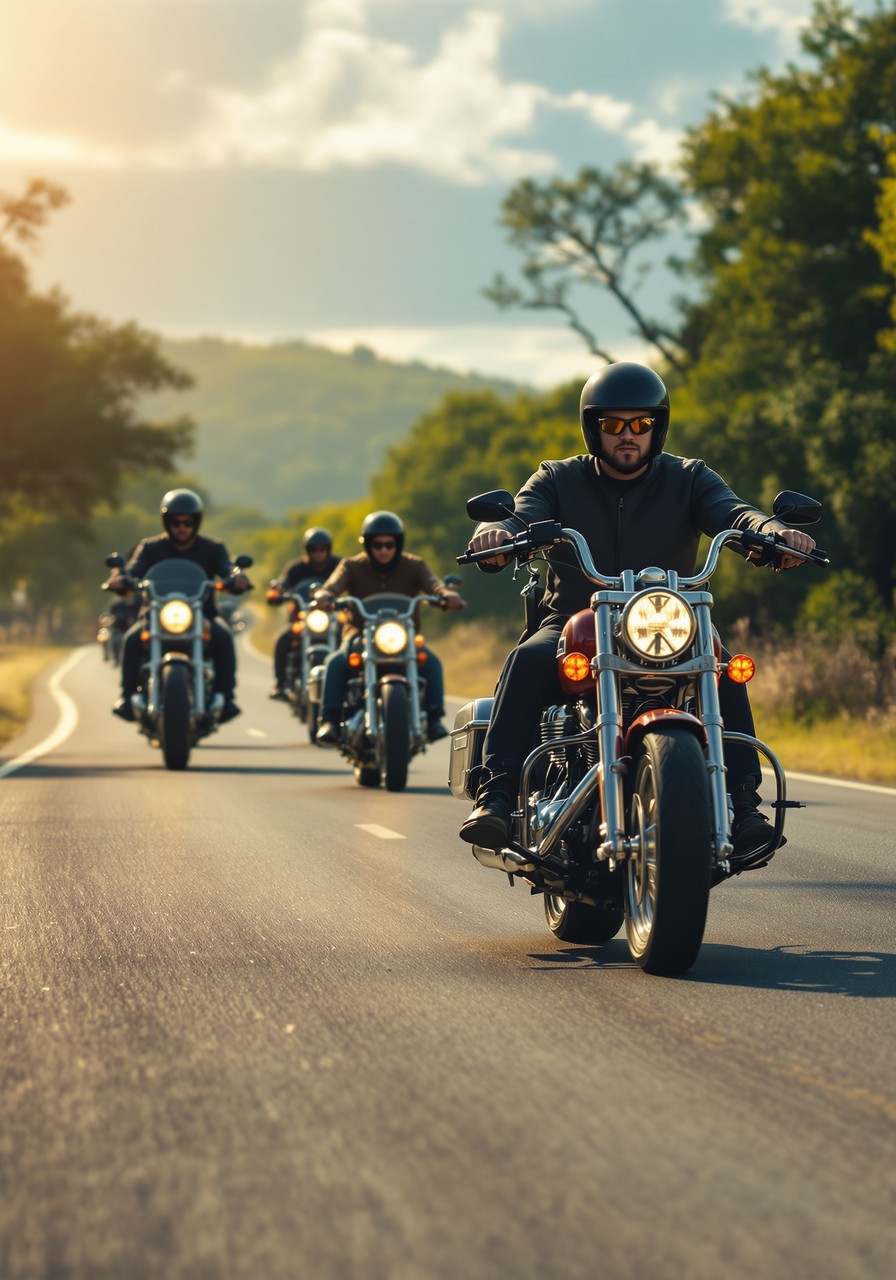
Hard freeze on the forecast. If the thermometer says 33 and the bridges are wet, that overpass on MoPac is a skating rink. Wait for the sun to burn it off. #RideNationAustin #AustinRiders #ATX
Gear & New Iron
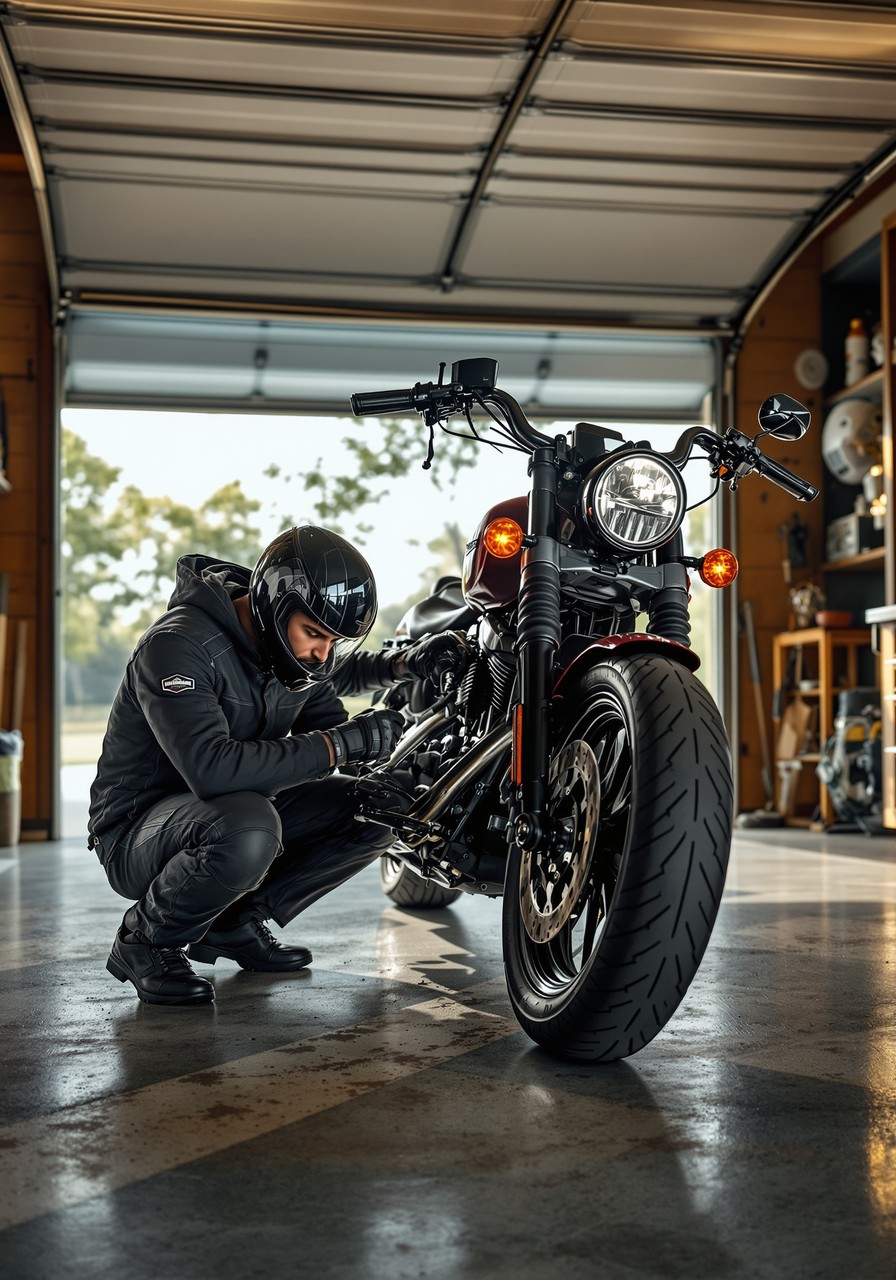
Check your tire date codes this offseason. The four digit stamp is week and year. Old rubber goes hard, and hard rubber does not grip. #RideNationAustin #MotorcycleMaintenance #RiderTips
Safety & TX Law
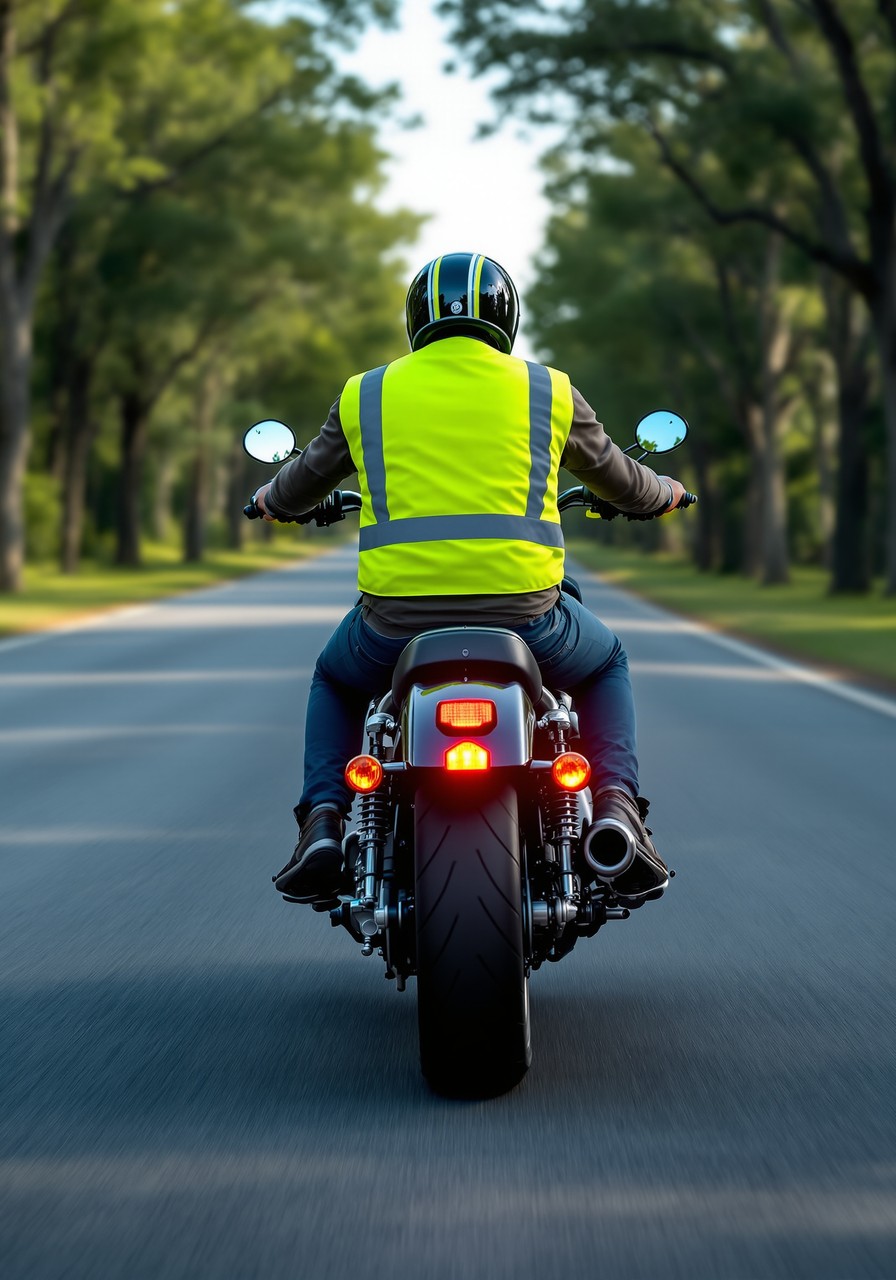
It is easy to assume splitting lanes is fine. In Texas it is not. Know the rule before it costs you. Been down and need answers? Glen Larson rides for you. 512-883-0277. #RideNationAustin #TexasLaw #KnowYourRights
Engagement
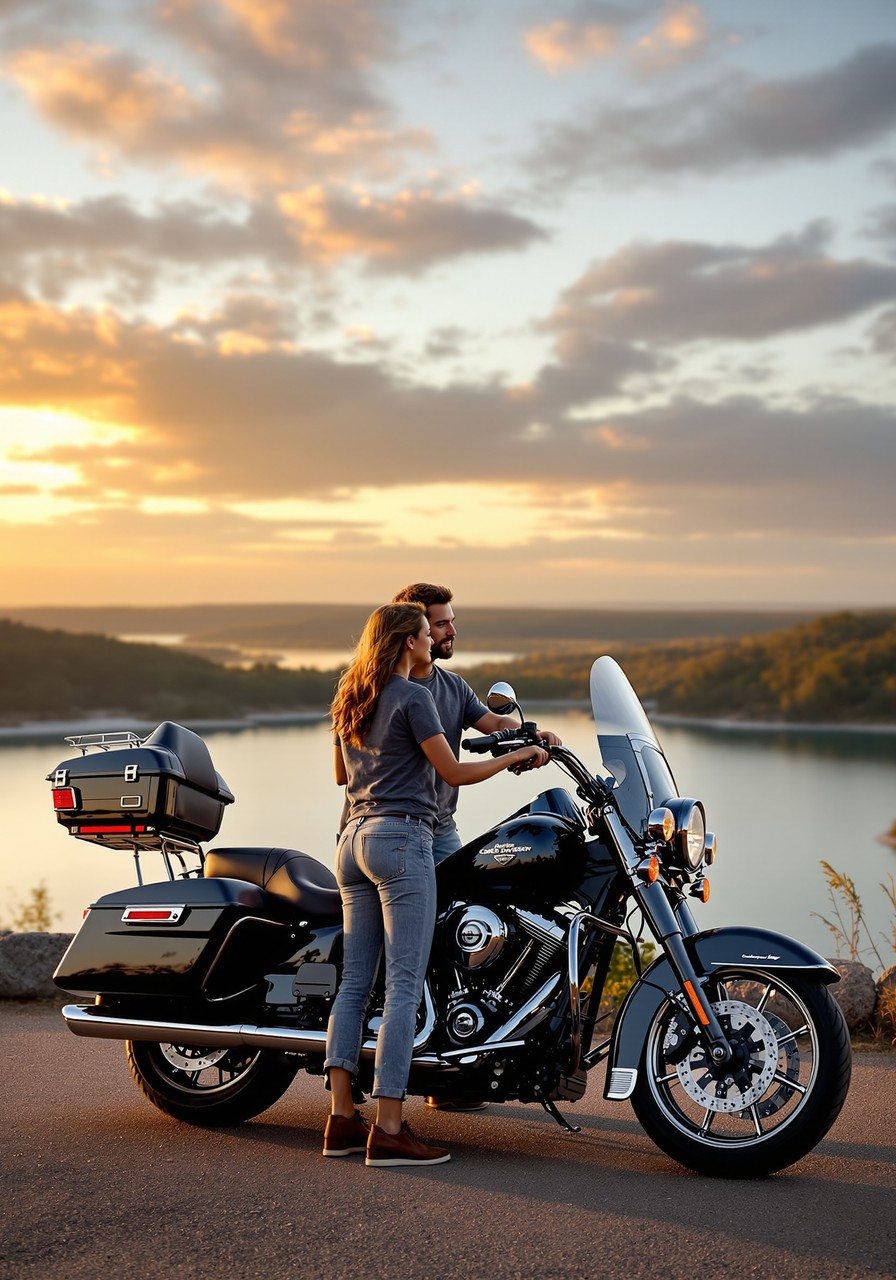
Poll: December ride or wait for spring bluebonnets? Tell us your pick. #RideNationAustin #HillCountry #AustinRiders
Giveaway & Countdown
The countdown clock is ticking toward December 10. Have you entered yet? It is free and it is fast. Link in comments. Questions after a crash? Biker Wolfpack Law, 512-883-0277. #RideNationAustin #BikersWin #FreeToEnter
Local TX & Rides
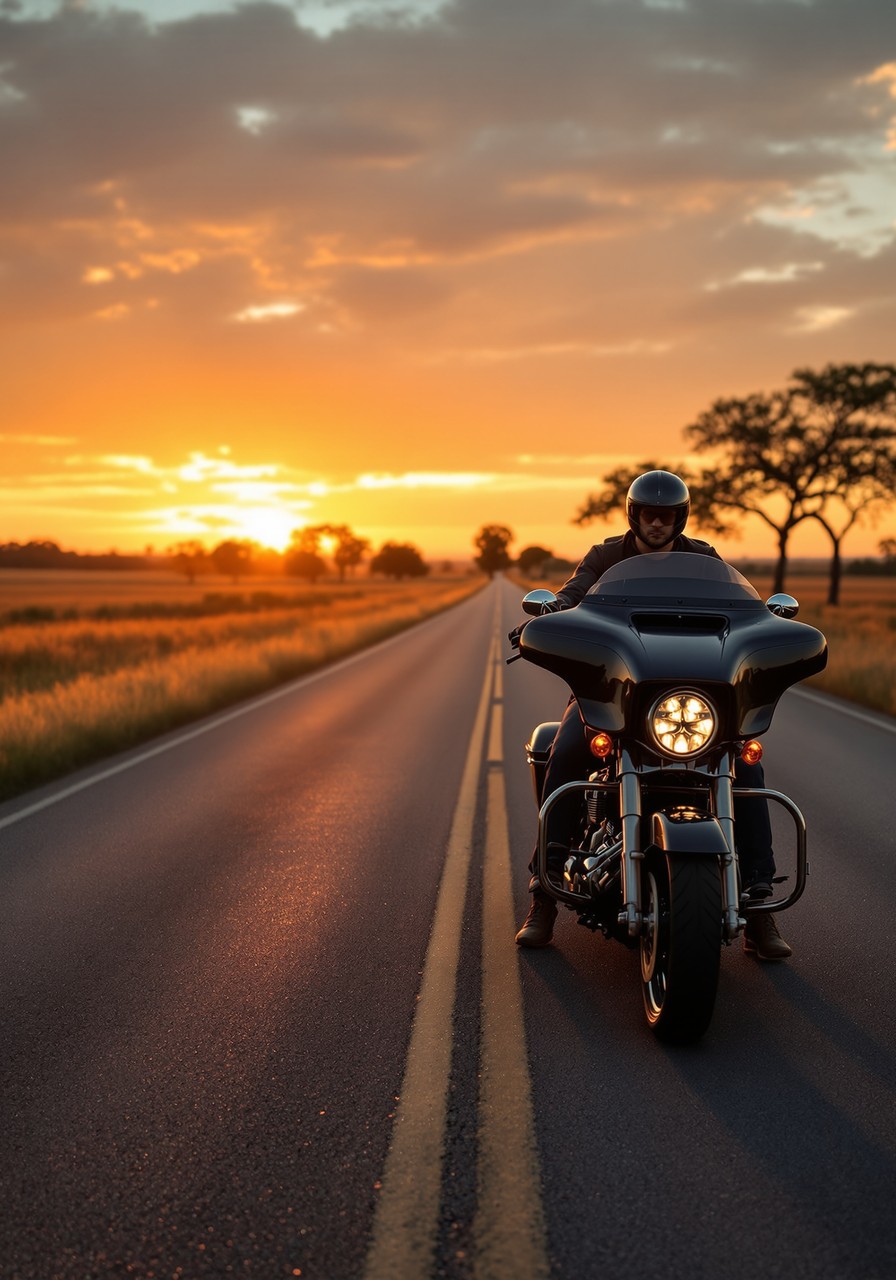
Lake Travis loop on a cool morning is hard to beat. Quiet roads, big water views, and just enough curves to keep you honest. #RideNationAustin #LakeTravis #HillCountry
Gear & New Iron
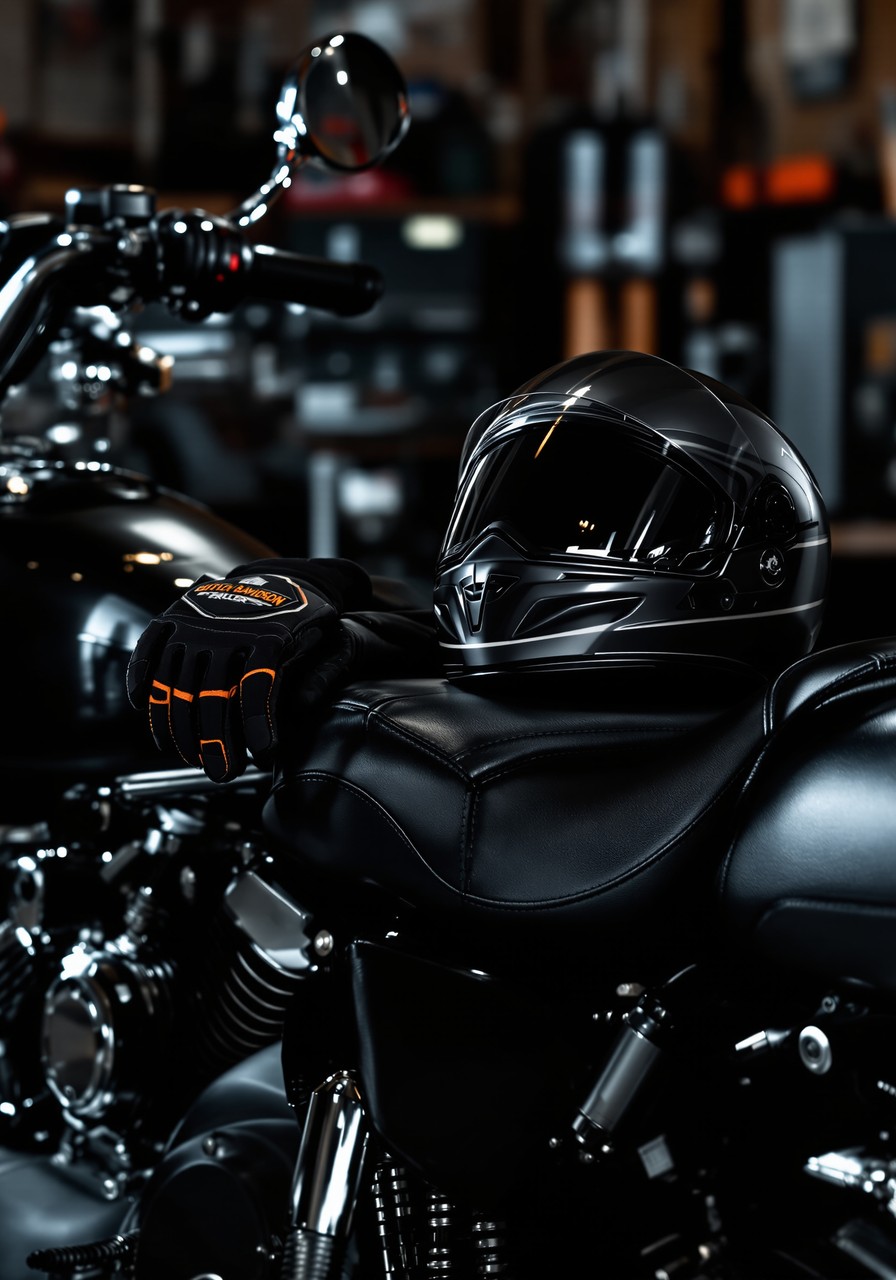
Tread depth still matters even if the tire looks fine. Once you see the wear bars, you are running out of rain grip fast. #RideNationAustin #MotorcycleMaintenance #RiderTips
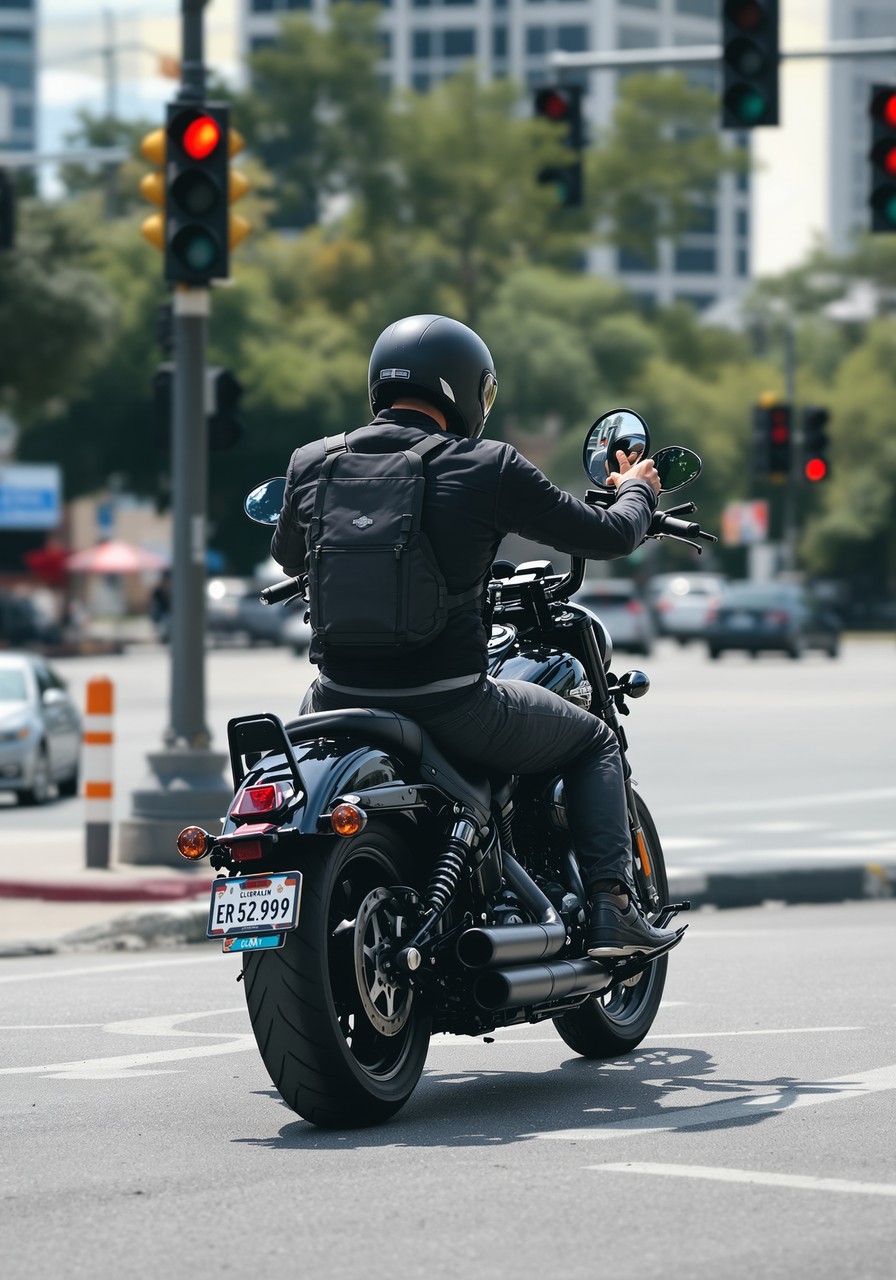
Safety & TX Law
Hit by a driver who took off, or one with no insurance? Your own UM coverage is what steps in. Make sure you carry it. Questions? Biker Wolfpack Law, free to call. 512-883-0277. #RideNationAustin #UninsuredMotorist #KnowYourRights
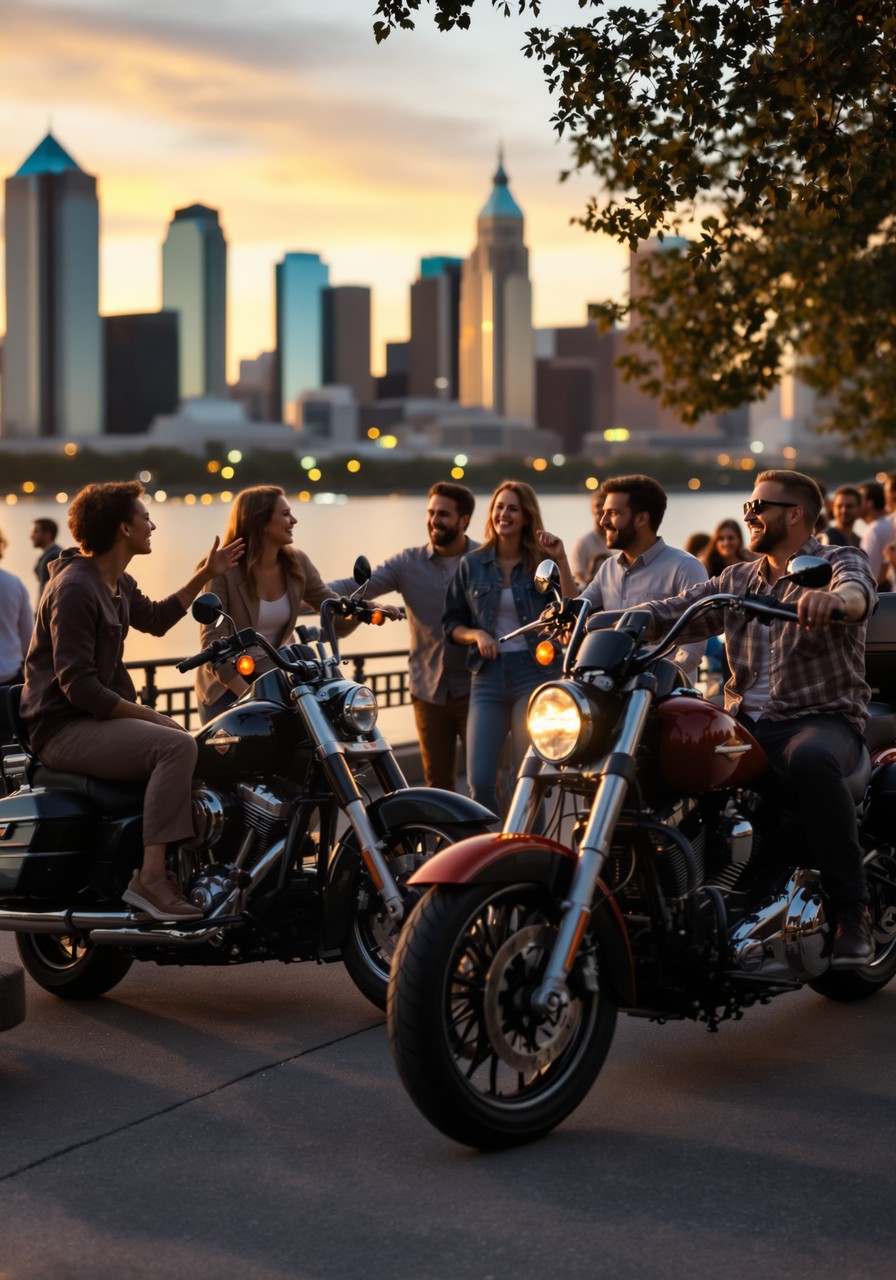
Engagement
Tag the friend who is always five minutes late to the meetup. You know who they are. #RideNationAustin #RideOrDie #ATX
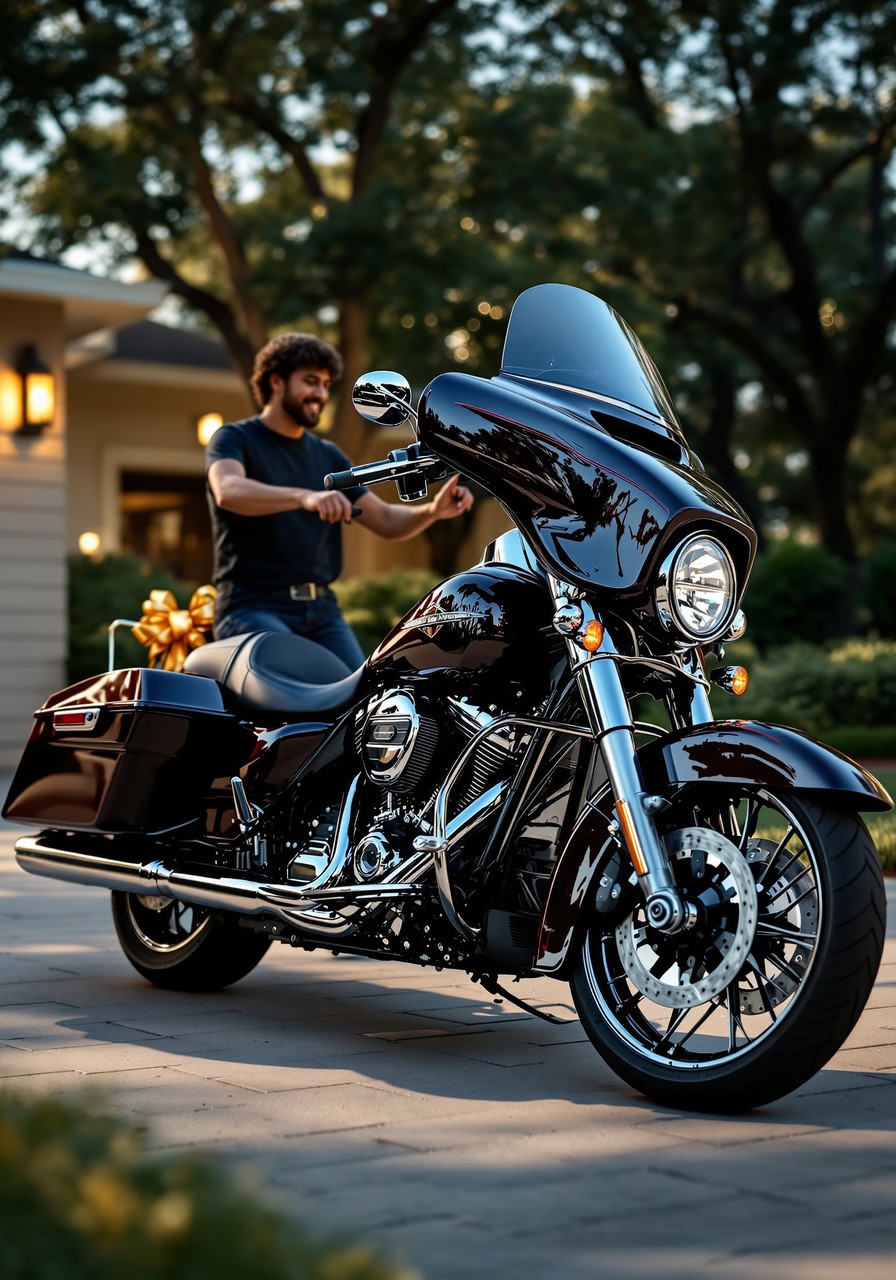
Giveaway & Countdown
Somebody in this community could be $20,000 richer and shopping for a new ride. Why not make it you? Free to enter, link in comments. #RideNationAustin #WinABike #ATX
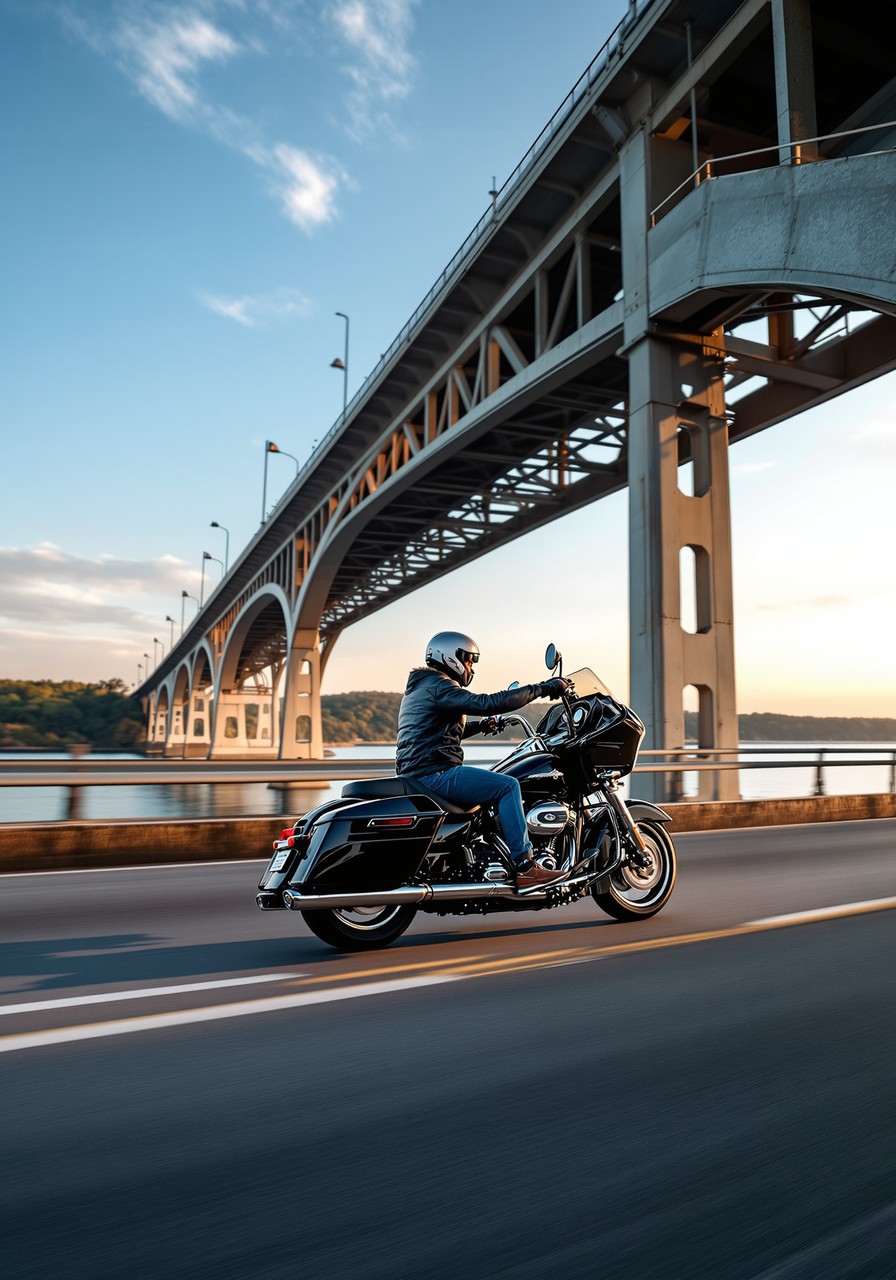
Local TX & Rides
Sun glare is brutal on east-west roads at winter sunrise and sunset. On US-183 and 290 that low sun hides bikes from drivers, so light yourself up. #RideNationAustin #AustinRiders #TexasRiding
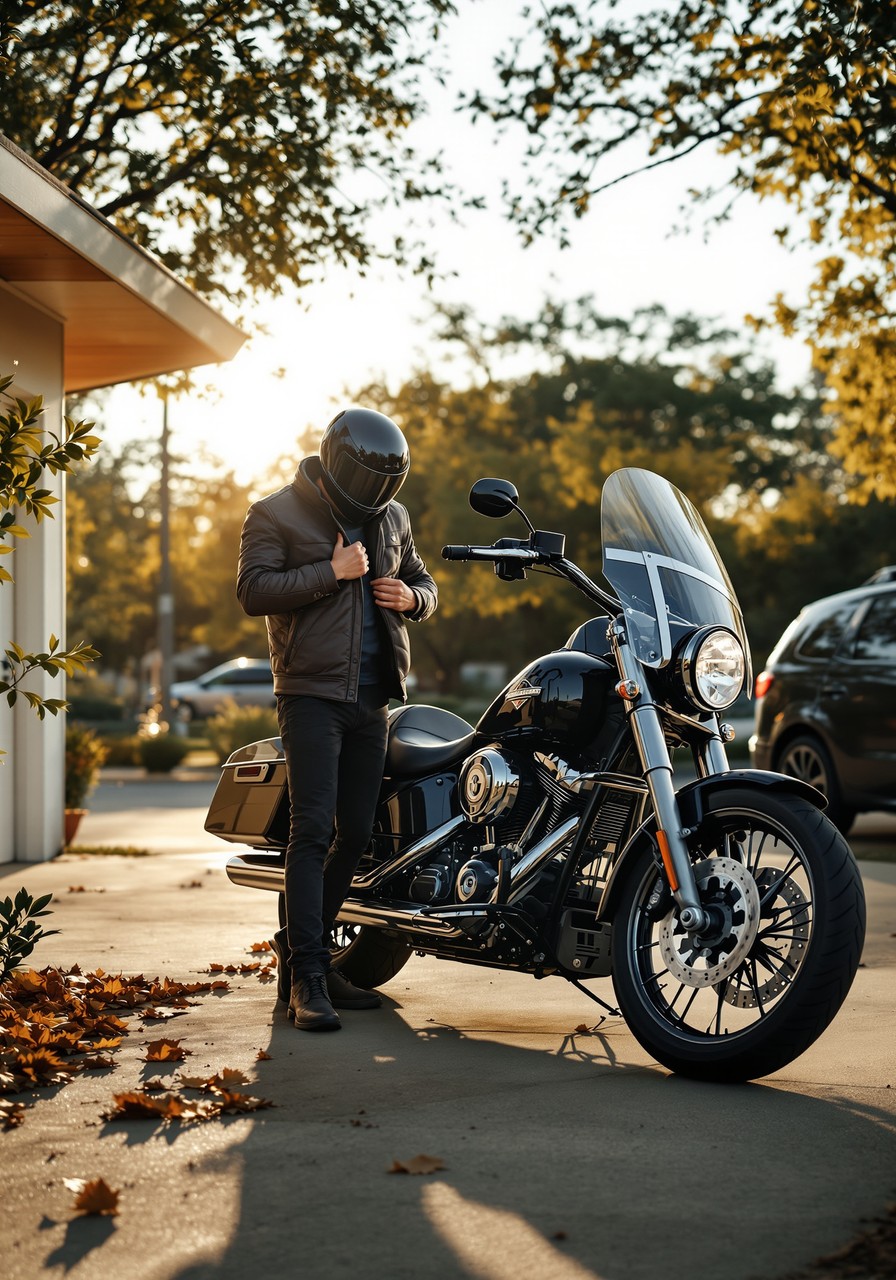
Gear & New Iron
Big Texas temperature swings mess with your tire pressure. A cold snap can drop it several psi overnight. Check it with a gauge, not a thumb. #RideNationAustin #MotorcycleMaintenance #TexasHeat
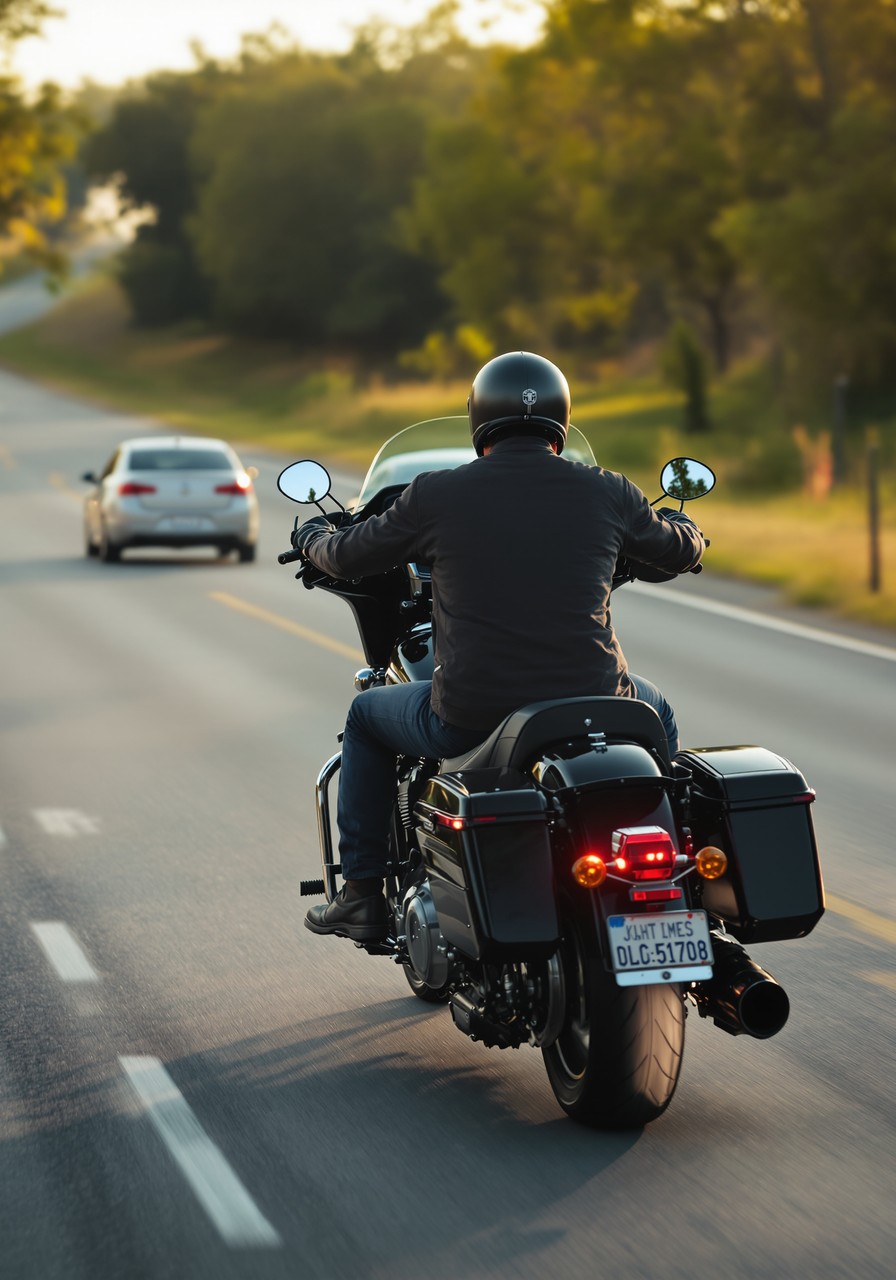
Safety & TX Law
Hit-and-run leaves you holding the bill unless you have uninsured motorist coverage on your own policy. Check it today. Hurt out there? Glen Larson, 512-883-0277. #RideNationAustin #UninsuredMotorist #MotorcycleSafety
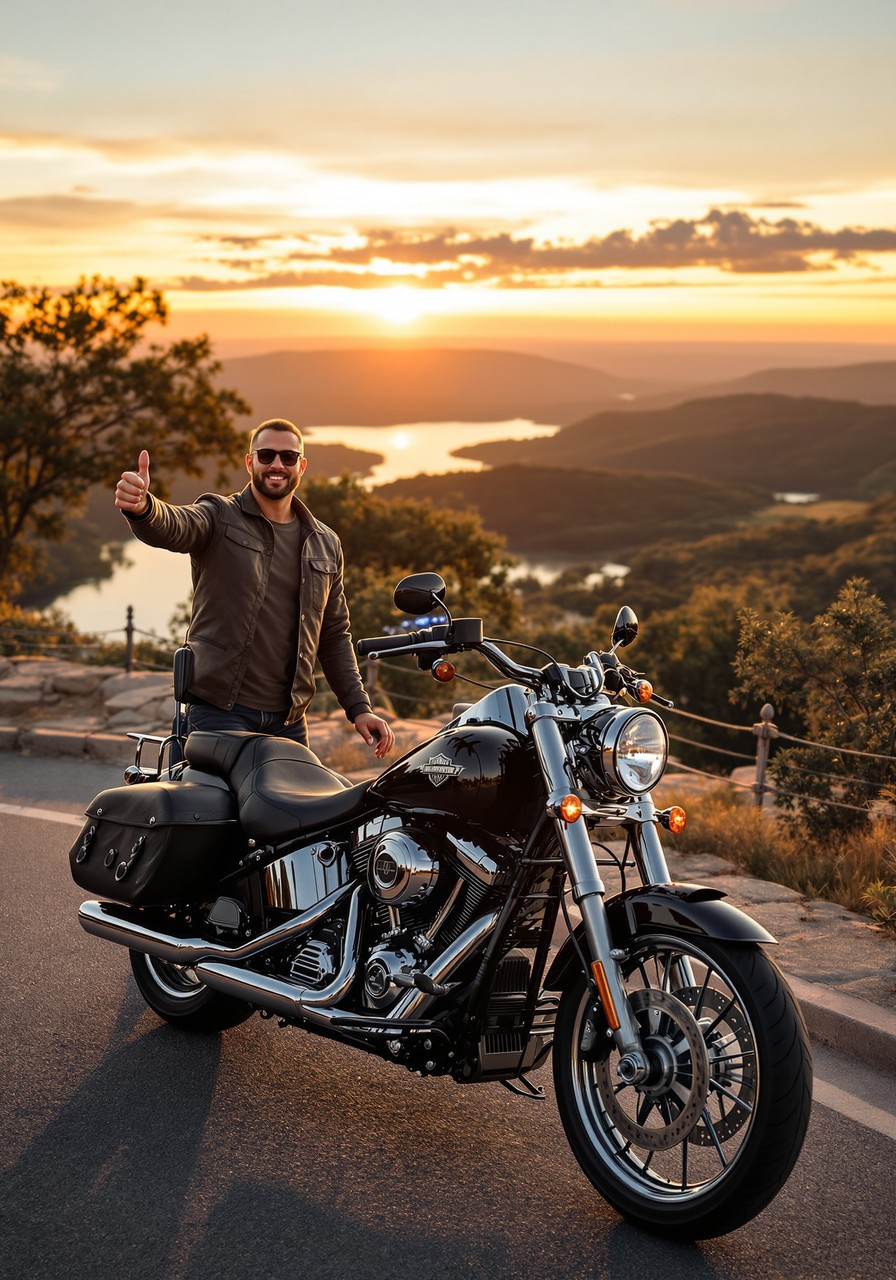
Engagement
This or that: full face or open face. Defend your choice below. #RideNationAustin #TwoWheels #BikerLife
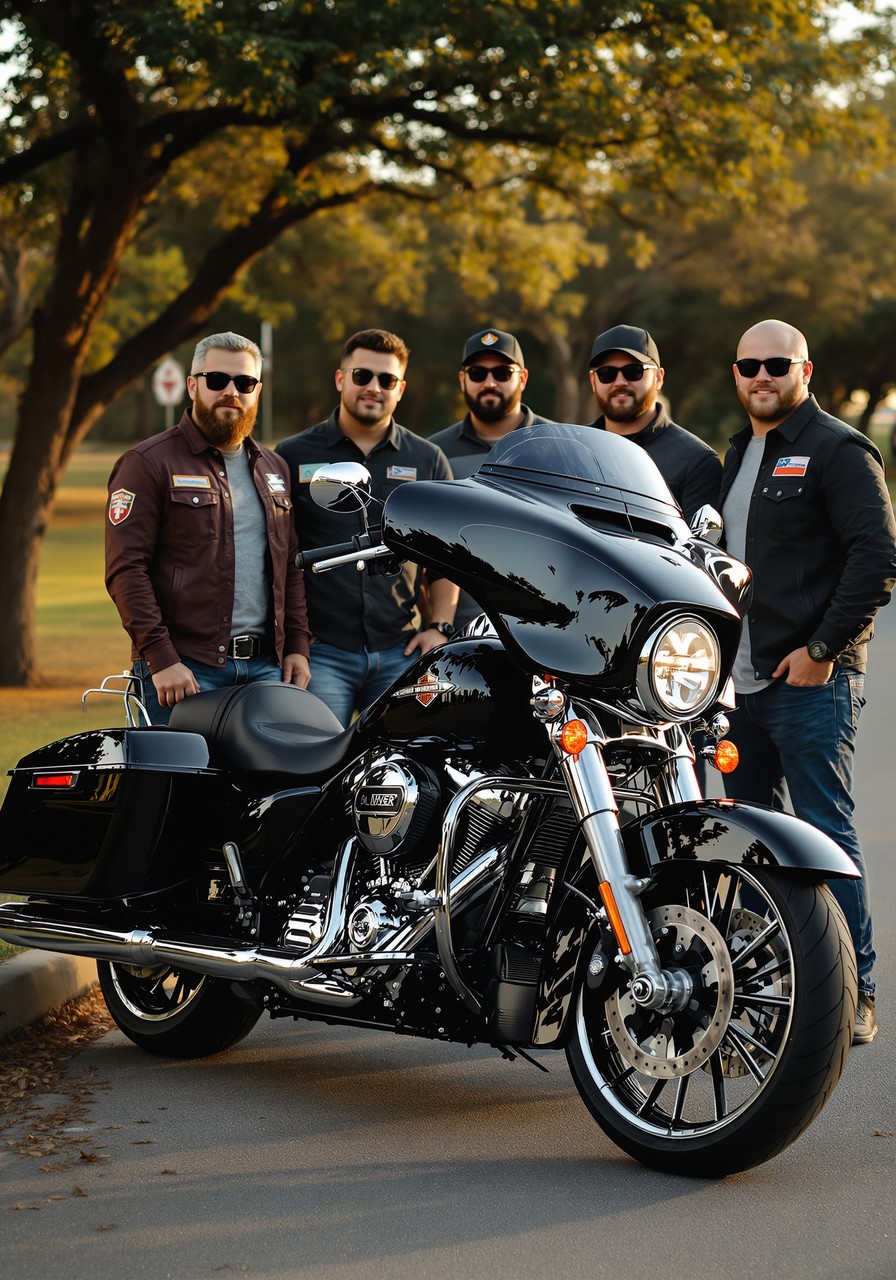
Giveaway & Countdown
Harley, Yamaha, Triumph, KTM, your pick. $20,000 toward any bike, one winner, drawn December 10. Free to enter, entry link in the comments. #RideNationAustin #MotorcycleGiveaway #20kGiveaway
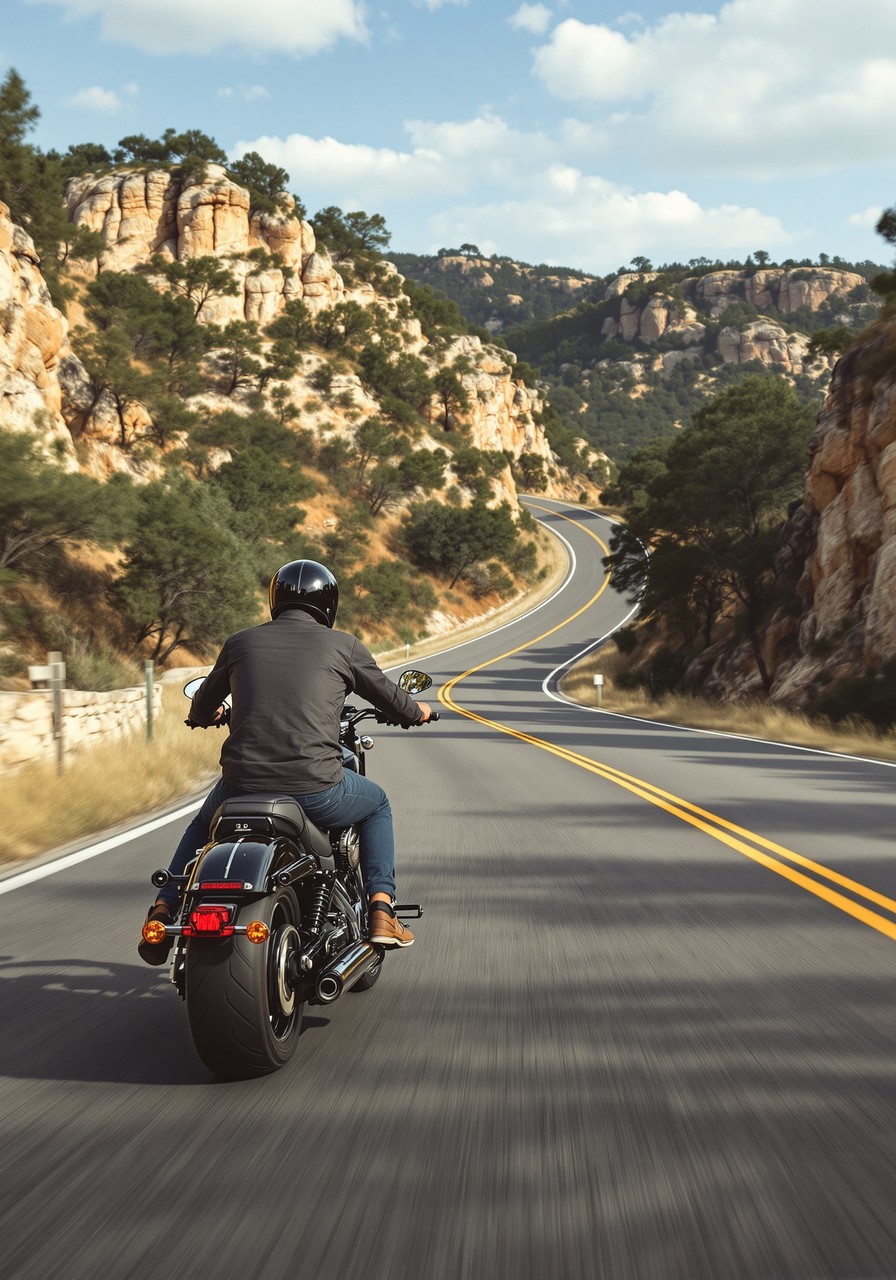
Local TX & Rides
The run out to Leakey and back is a full day well spent. Pack water, watch your fuel, and remember cell service drops in the canyons. #RideNationAustin #TwistedSisters #HillCountry
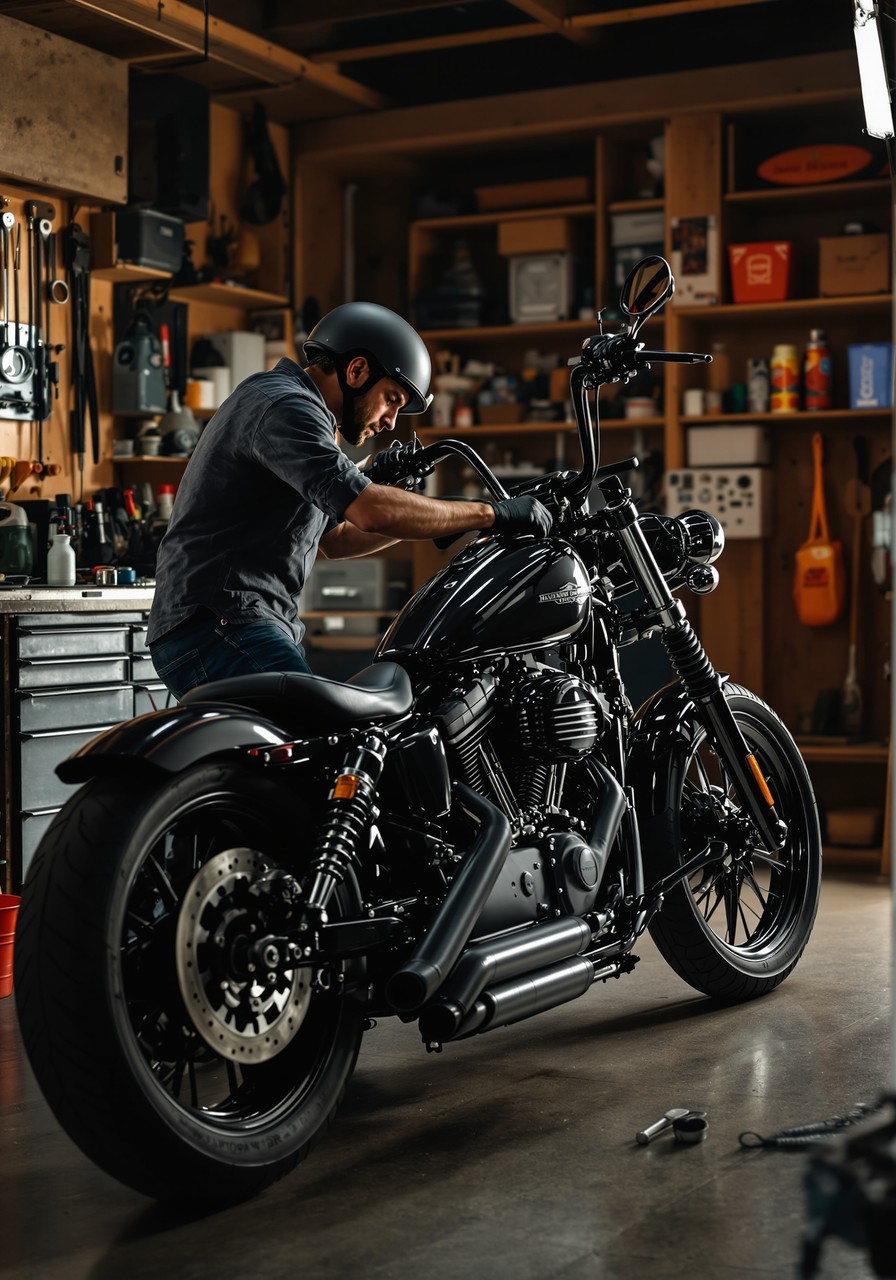
Gear & New Iron
Set tire pressure cold, before you ride, when the numbers are honest. Hot tires read high and fool you into running low. #RideNationAustin #MotorcycleMaintenance #RiderTips
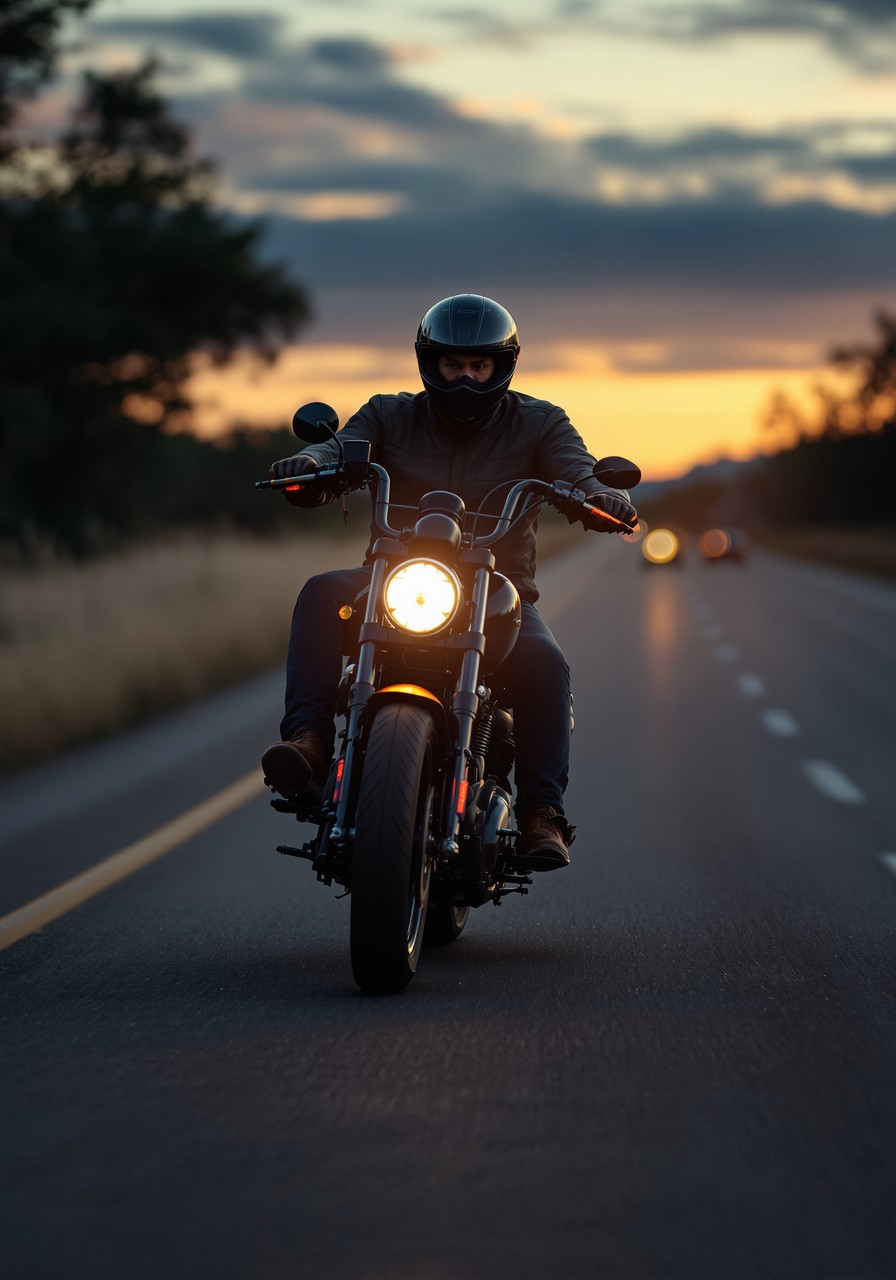
Safety & TX Law
About one in five Texas drivers carries no insurance. Your UM coverage is the reason a phantom driver does not wreck you twice. Need help after a crash? Biker Wolfpack Law, 512-883-0277. #RideNationAustin #UninsuredMotorist #RiderSafety
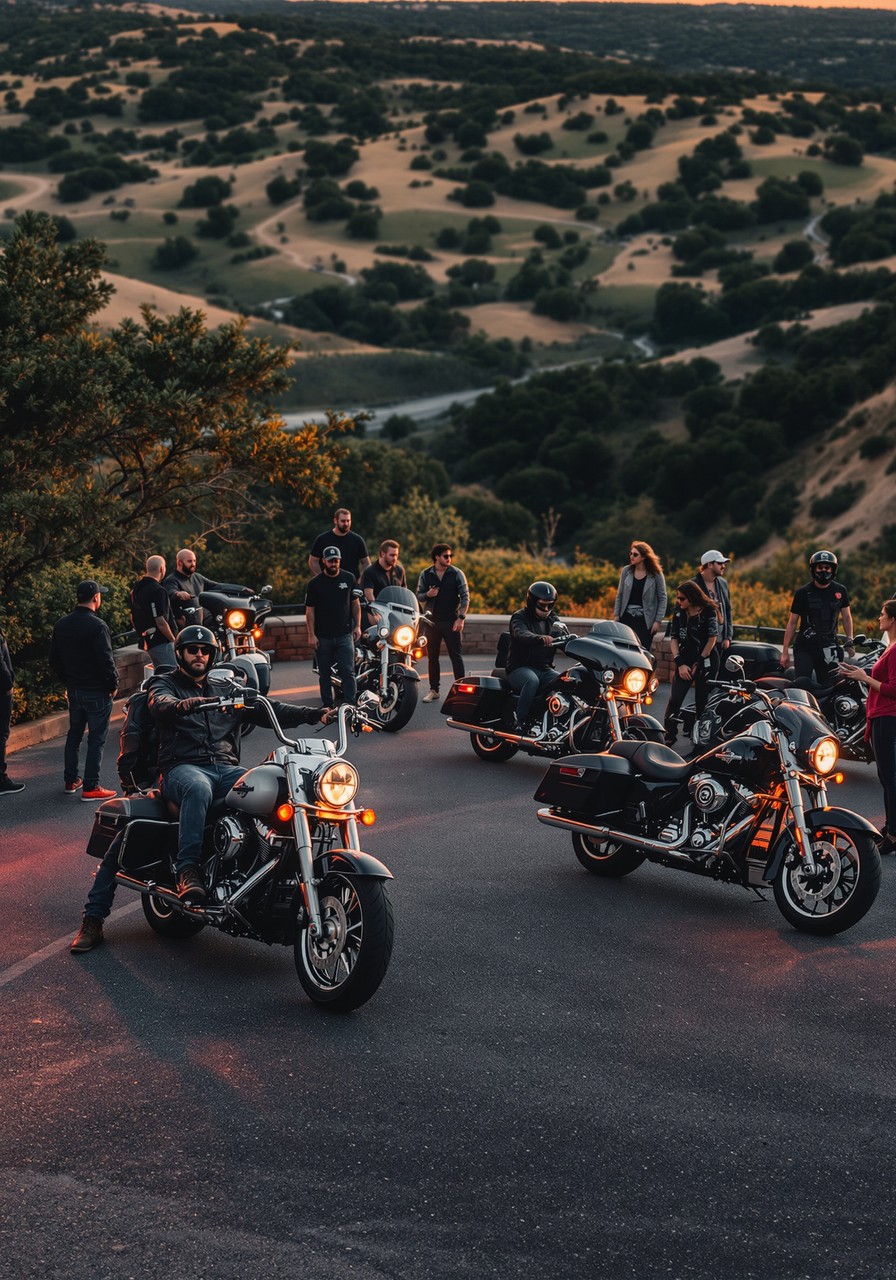
Engagement
Finish the sentence: the best part of riding around Austin is ______. #RideNationAustin #AustinRiders #ATX
Giveaway & Countdown
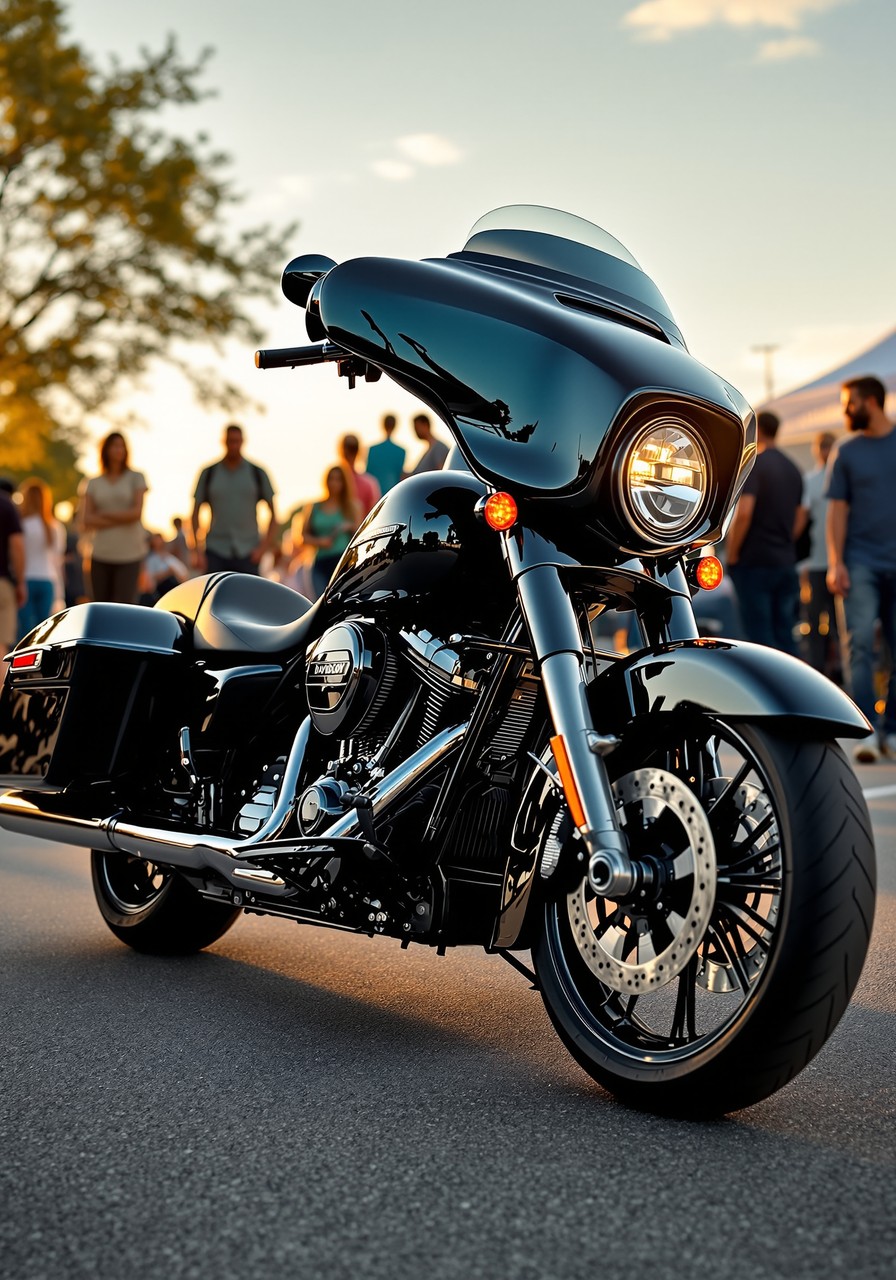
One week countdown vibes. December 10 is almost here and the $20,000 giveaway is still free to enter. Do not miss it. Link in comments. #RideNationAustin #BikersWin #AustinRiders
Local TX & Rides
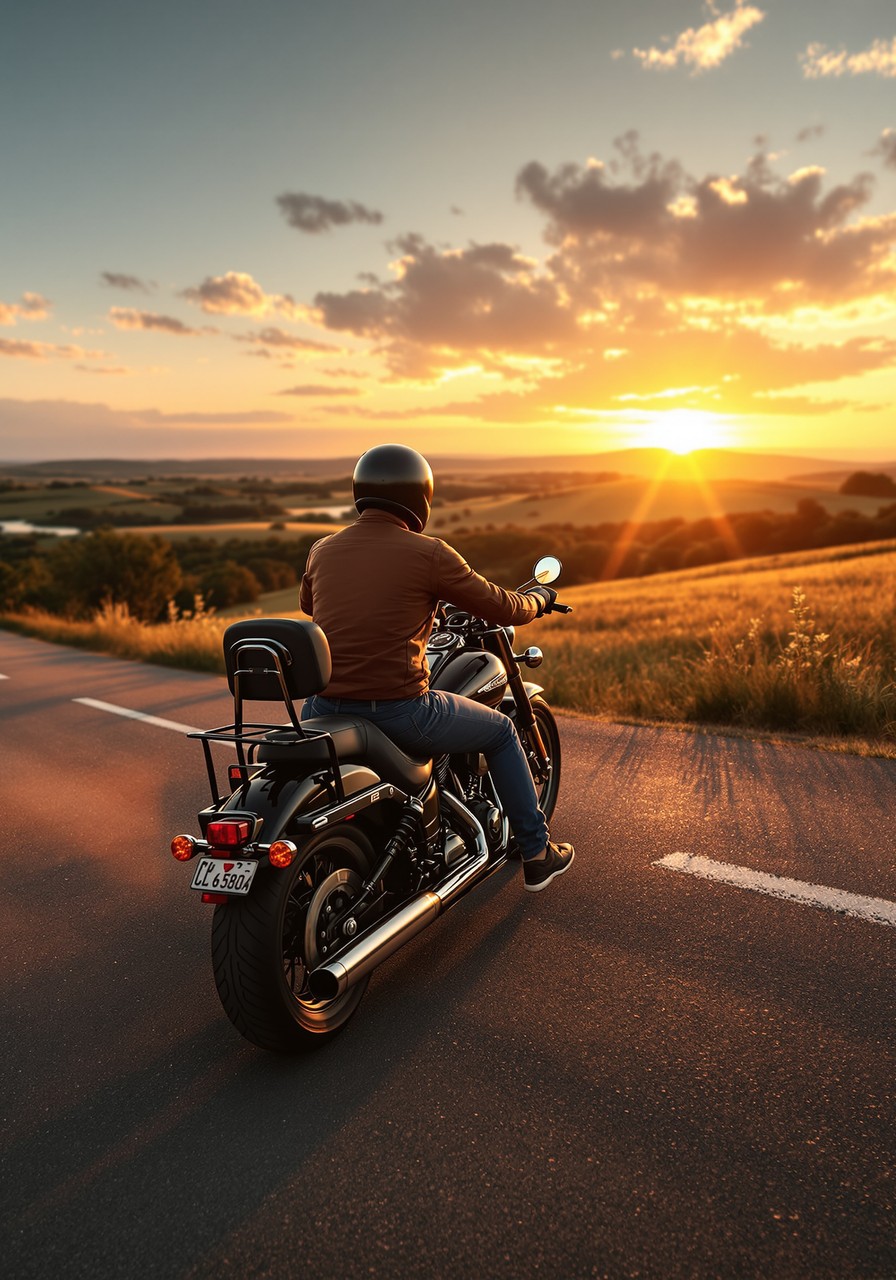
Gravel on ranch roads is the quiet Hill Country hazard. After a dry spell it piles up in the apex, so ease into blind corners near Wimberley. #RideNationAustin #HillCountry #TexasRiding
Gear & New Iron
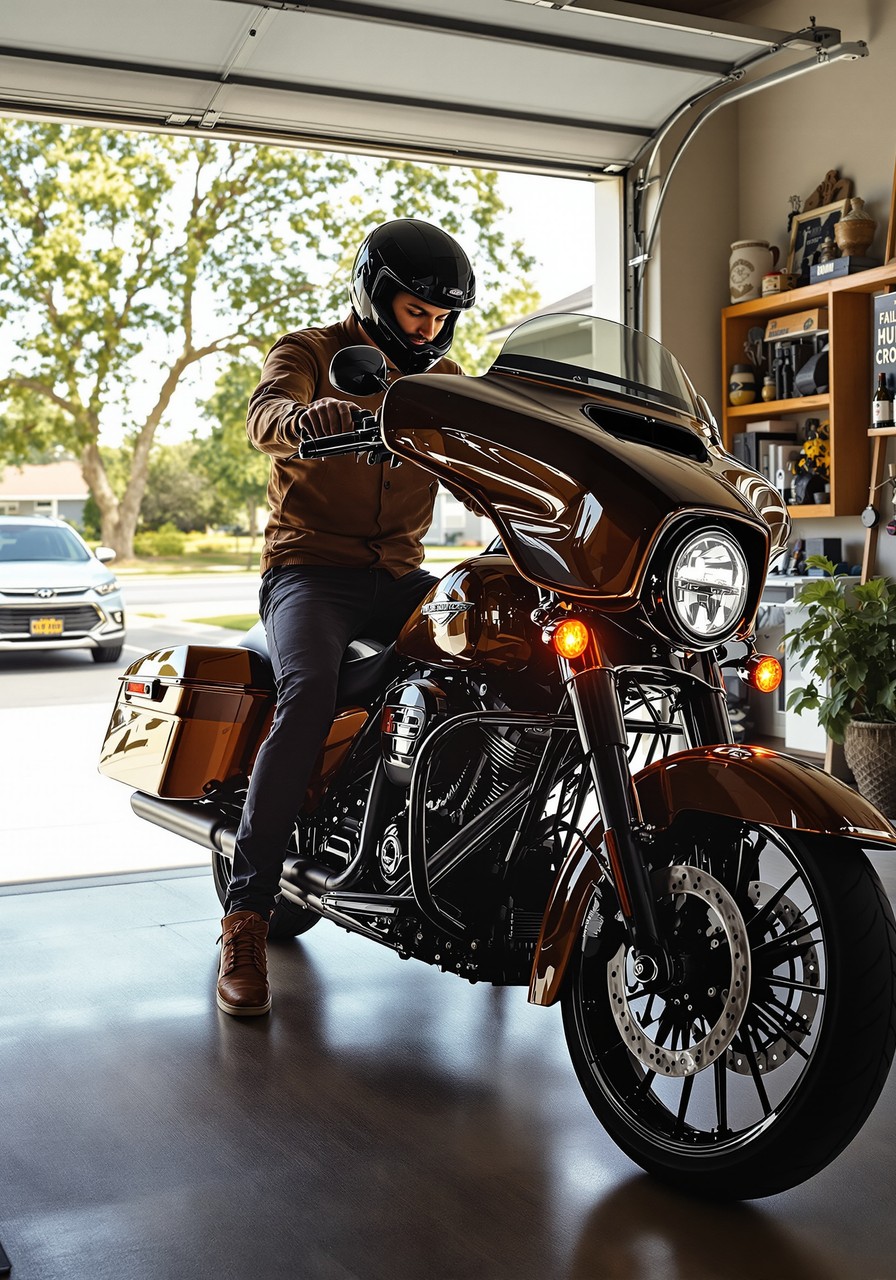
Summer pavement in Austin can hit brutal temps and cook a marginal tire. Old or cracked rubber gets dangerous when the road bakes. #RideNationAustin #TexasHeat #MotorcycleMaintenance
Safety & TX Law
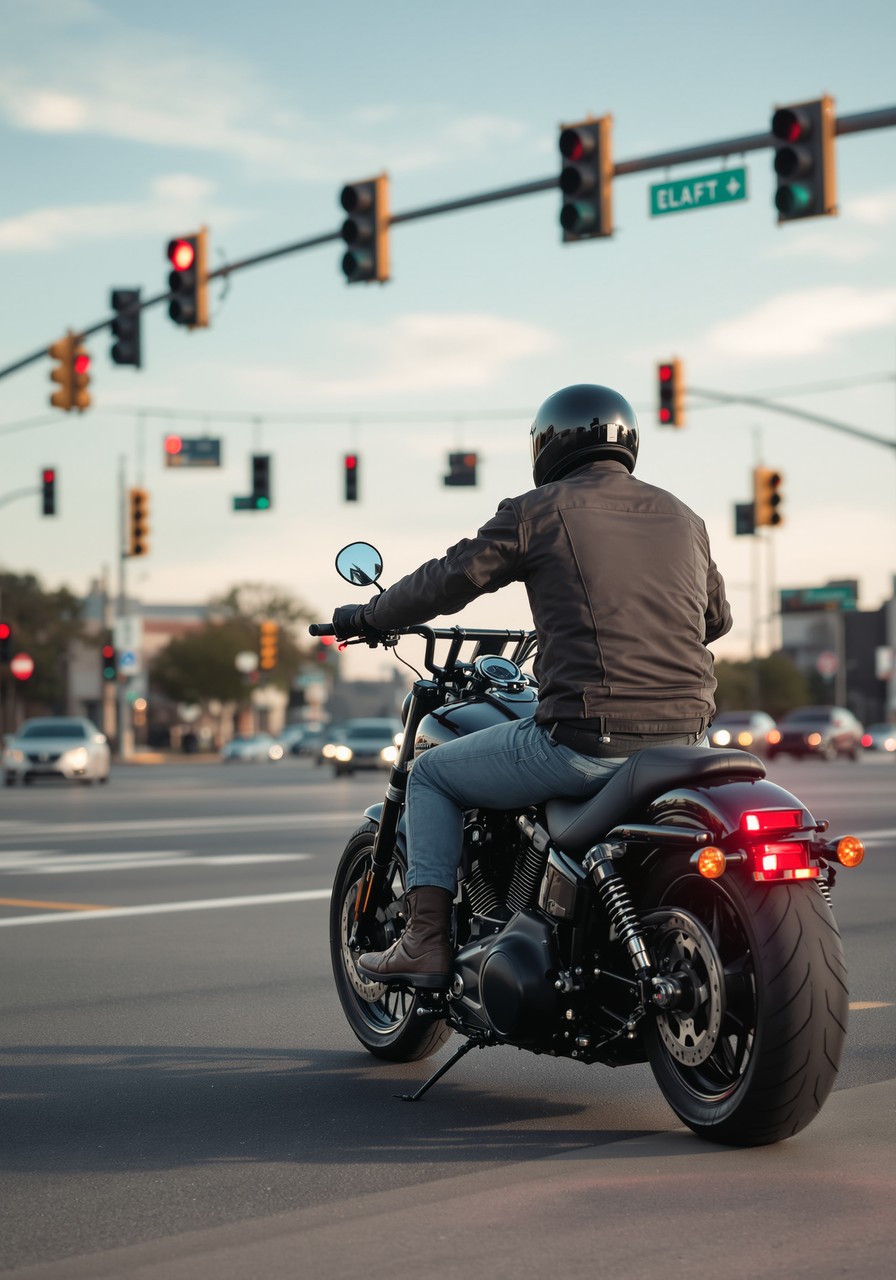
Left-turning cars are a rider's worst enemy. Watch the front wheel, cover your brakes, and plan an out at every intersection. If one turns into you, Glen Larson and Biker Wolfpack Law are here. 512-883-0277. #RideNationAustin #MotorcycleSafety #RiderSafety
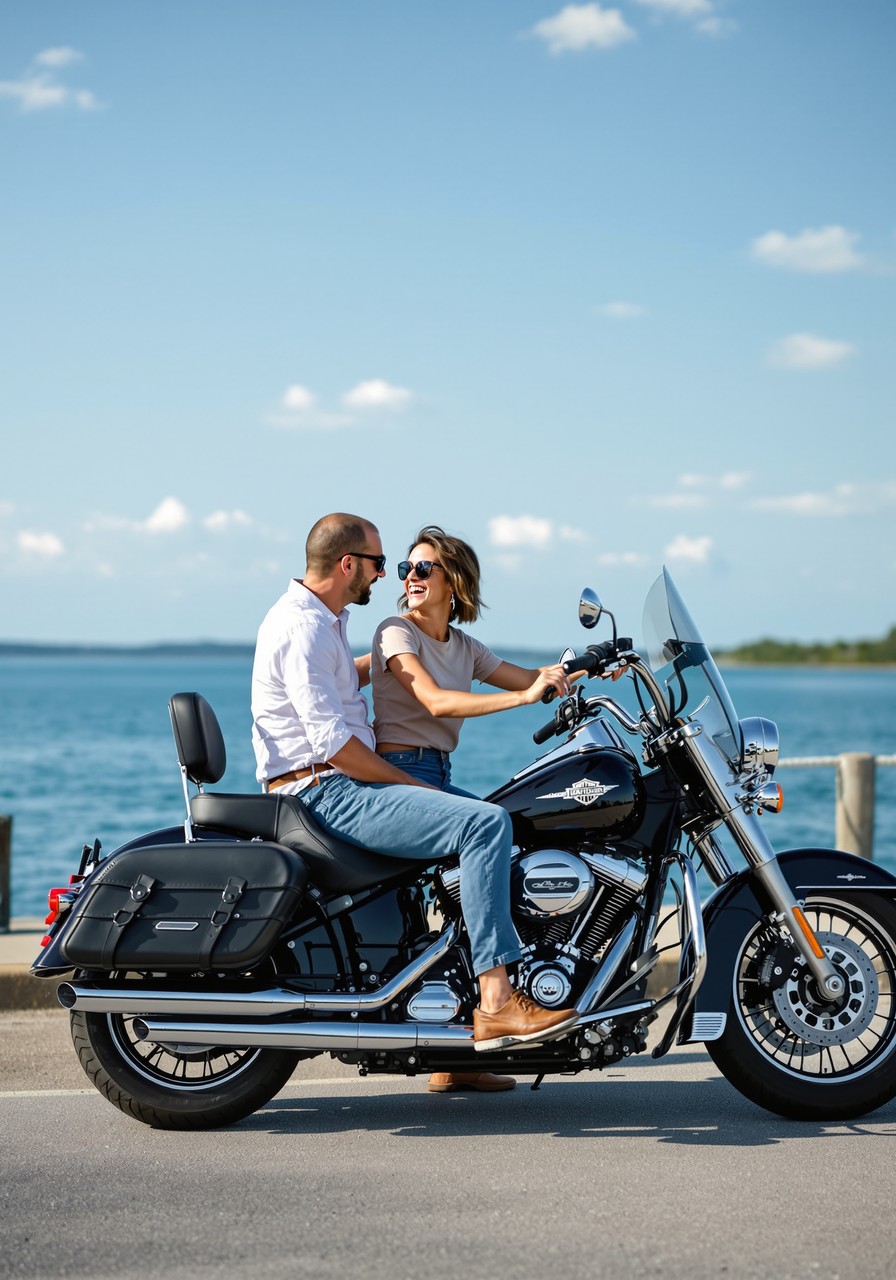
Engagement
One song that belongs on every Hill Country ride playlist. Drop it. #RideNationAustin #HillCountry #TexasRiders
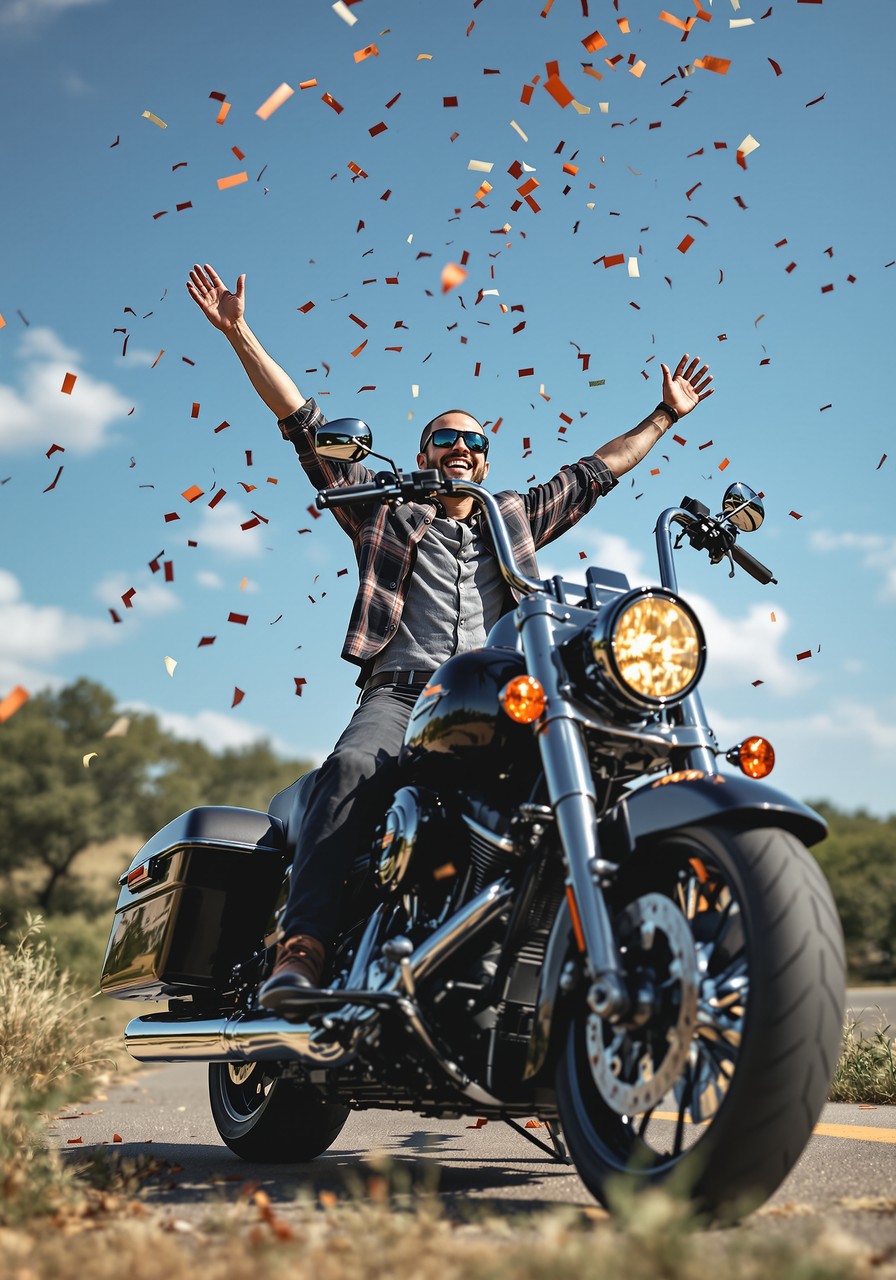
Giveaway & Countdown
Last call before the draw. If your name is not in yet, fix that today. Free to enter, $20,000 up for grabs, December 10. Entry link in the comments. #RideNationAustin #FreeToEnter #WinABike
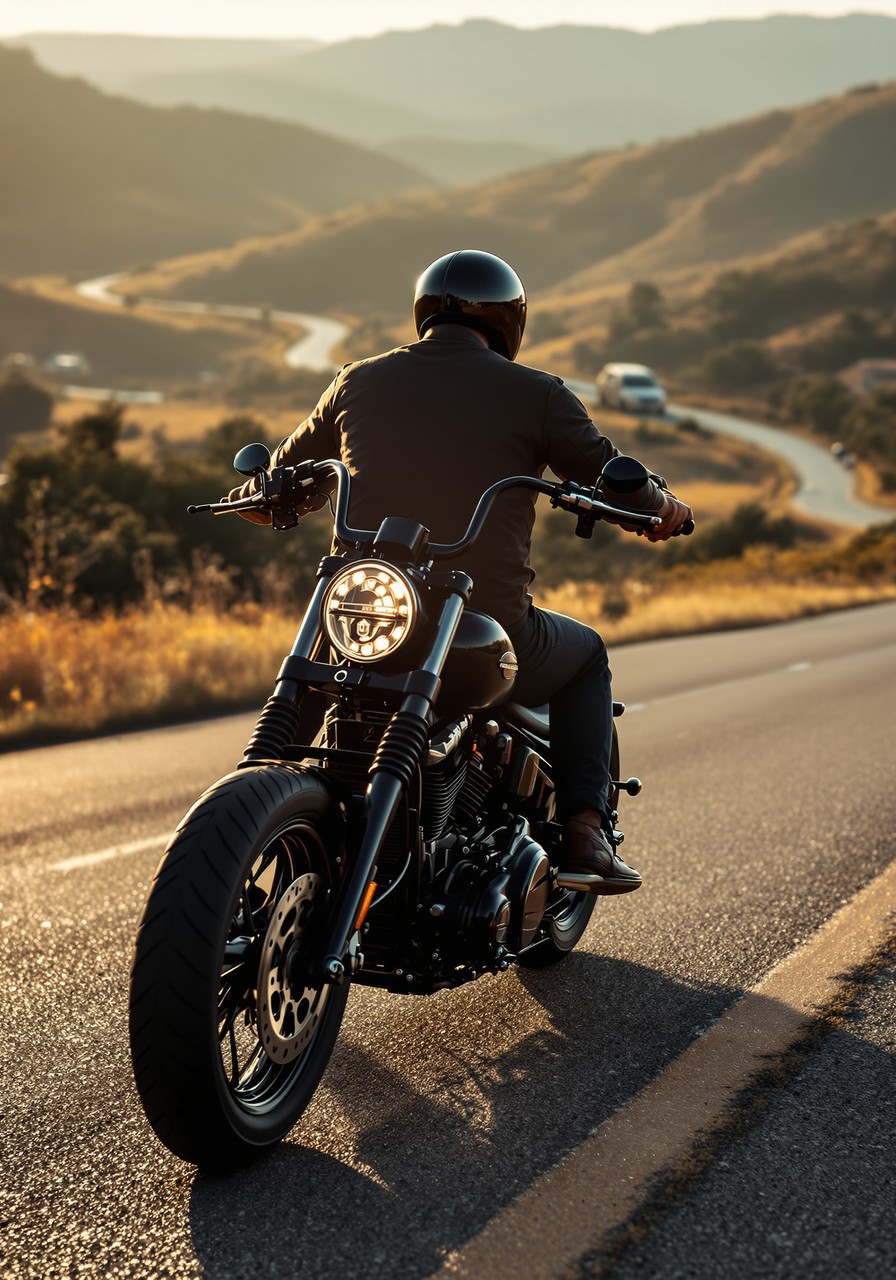
Local TX & Rides
MoPac and I-35 slab miles are just the price of admission to the good roads. Keep your head up in the merges and save the fun for the Hill Country. #RideNationAustin #ATX #AustinRiders
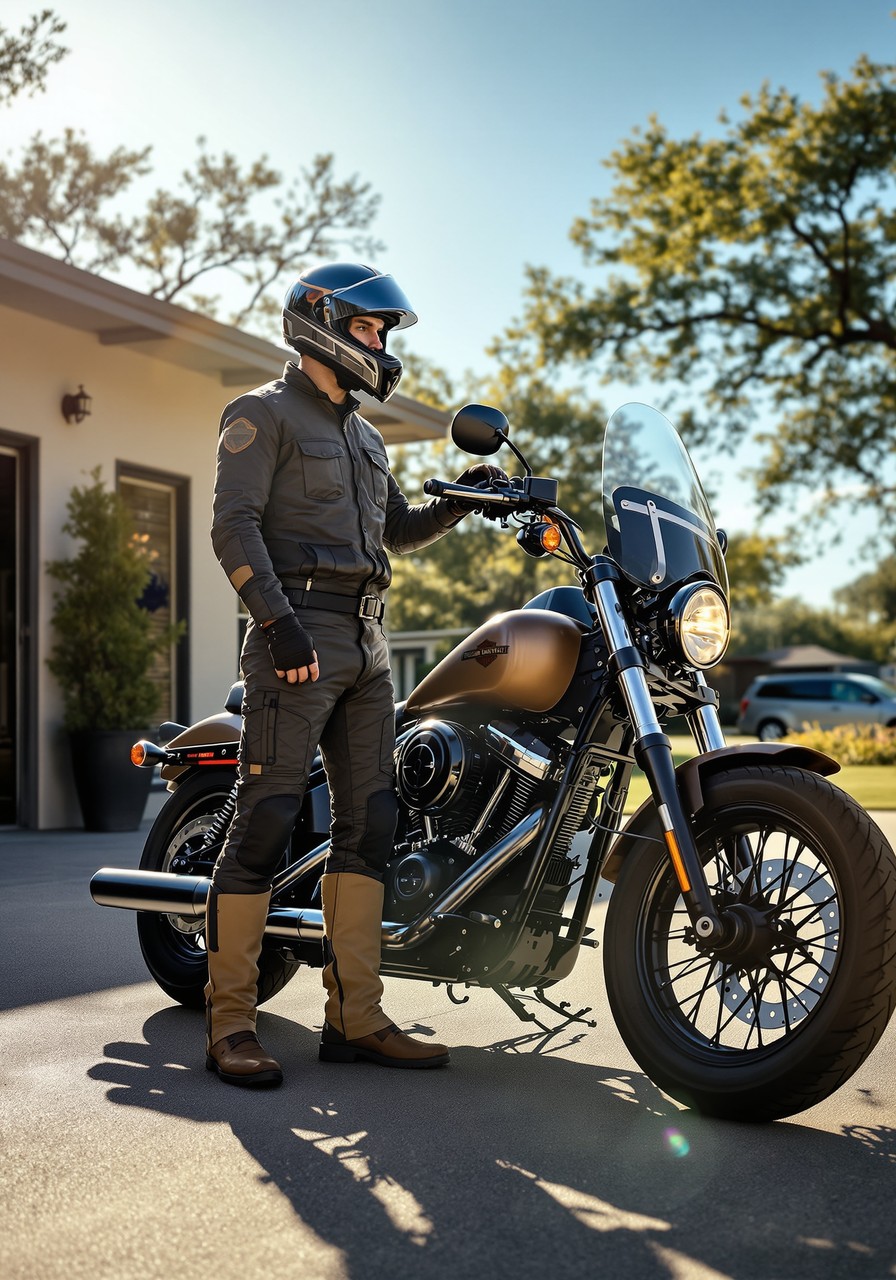
Gear & New Iron
If the bike sat all winter, put it on a battery tender. Cold kills a weak battery, and a dead one on a January morning ends the ride before it starts. #RideNationAustin #MotorcycleMaintenance #RiderTips
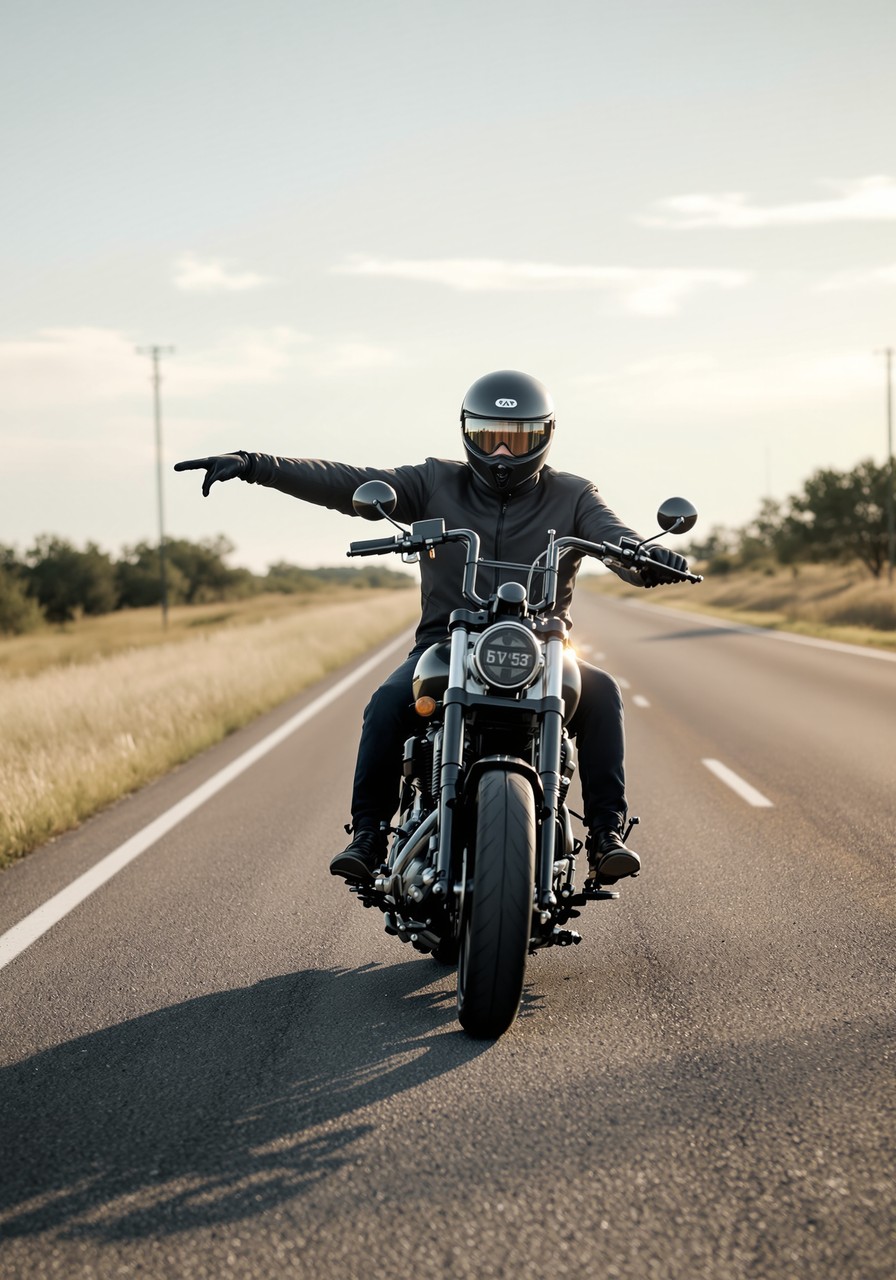
Safety & TX Law
That driver waiting to turn left may never see you. Slow down, make eye contact, and be ready to bail. Got hit anyway? Biker Wolfpack Law, no cost to talk. 512-883-0277. #RideNationAustin #RiderSafety #KnowYourRights
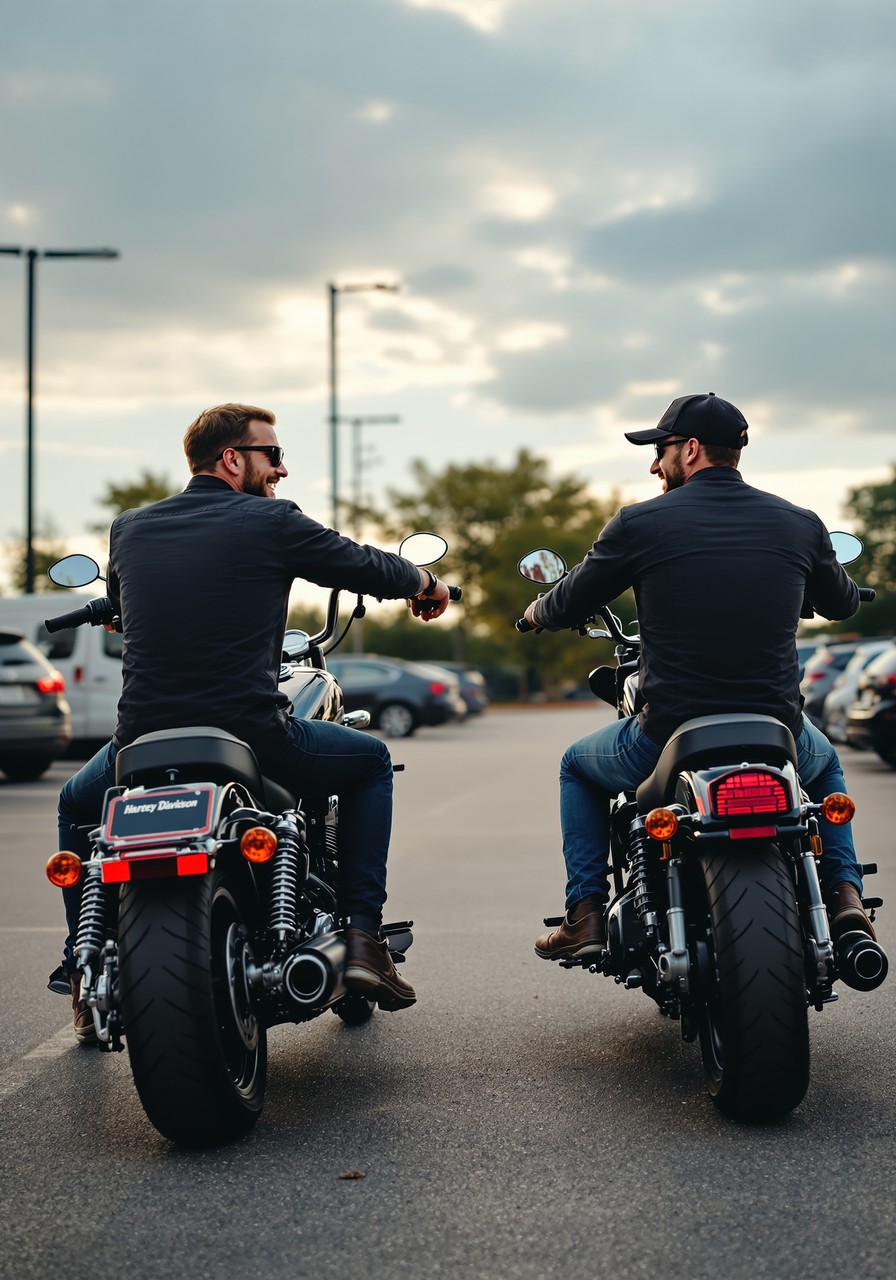
Engagement
Poll: solo ride or pack ride? Which one clears your head faster? #RideNationAustin #RideOrDie #TwoWheels
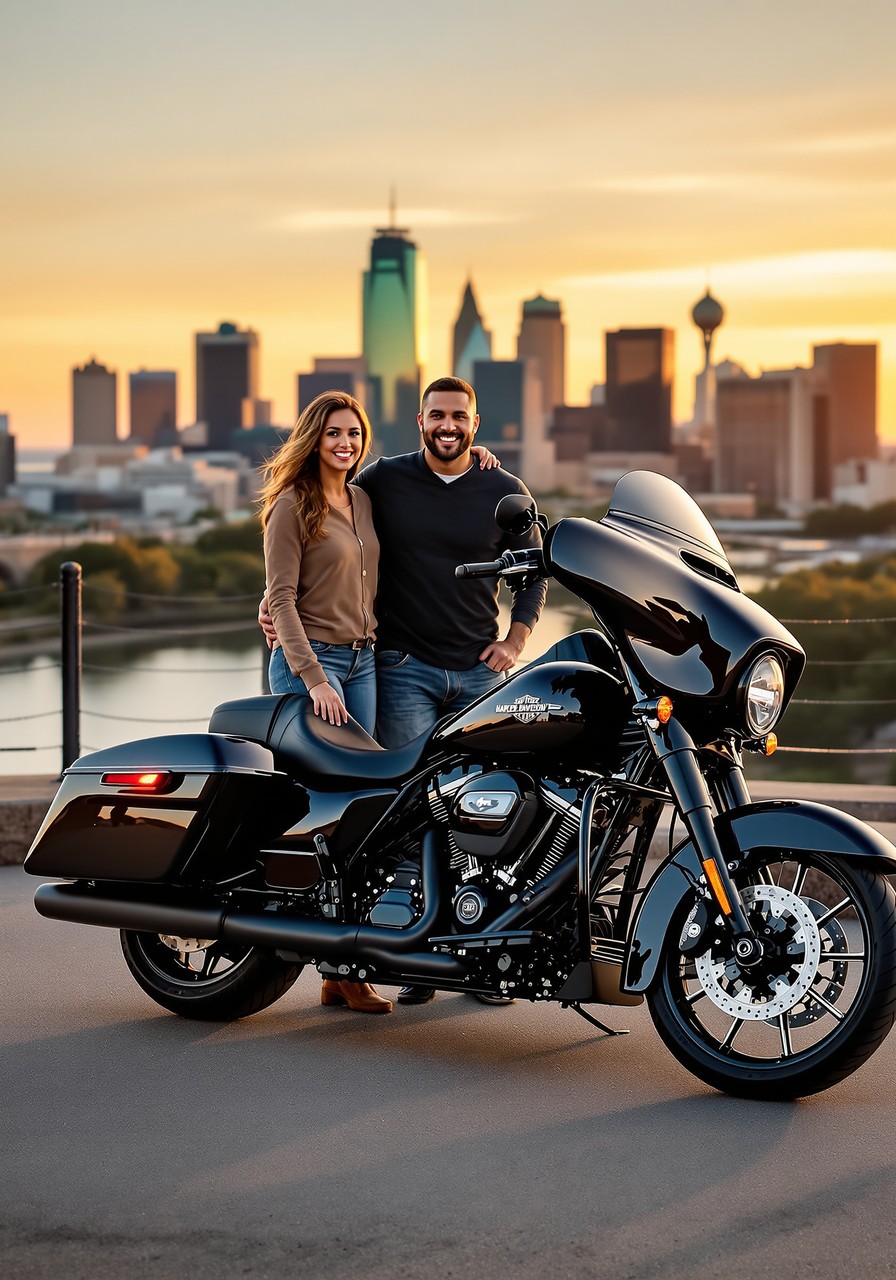
Giveaway & Countdown
Final hours to enter the BikersWin $20,000 giveaway. Drawn December 10, free the whole way. Get in now, link in comments. Biker Wolfpack Law, 512-883-0277. #RideNationAustin #20kGiveaway #ATX
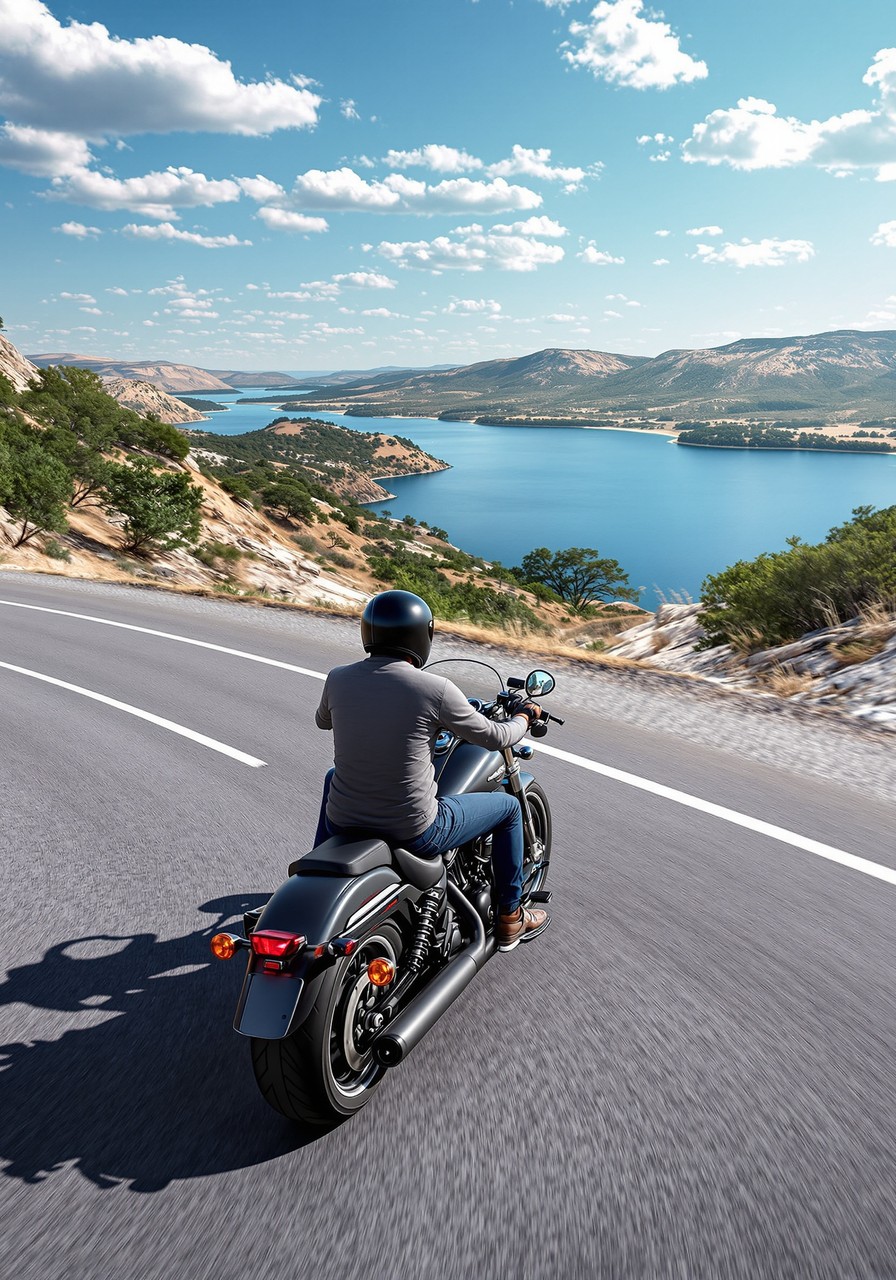
Local TX & Rides
Wimberley to Blanco on the back roads is an easy, pretty loop. Low crossings can run after rain, so check before you commit to one. #RideNationAustin #HillCountry #TexasRiding
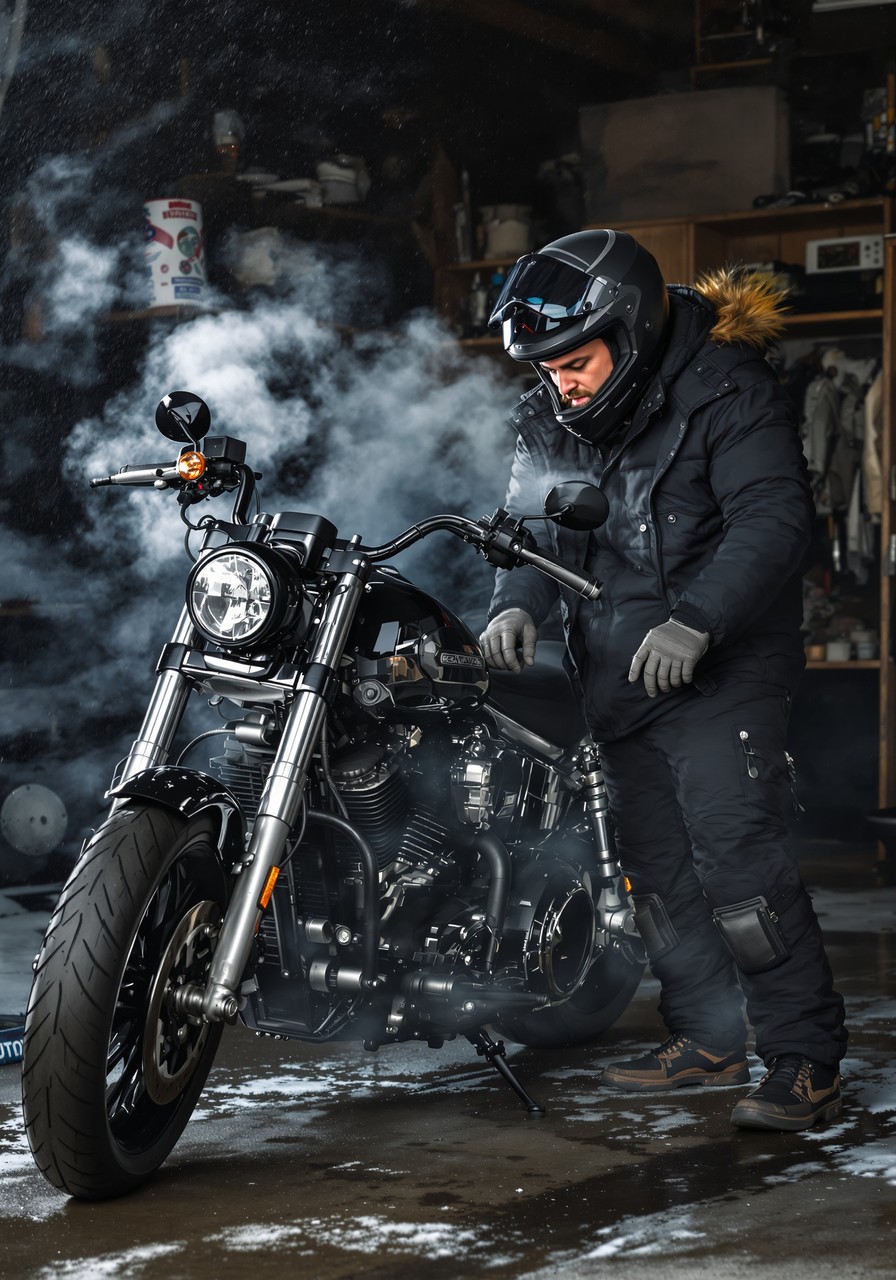
Gear & New Iron
A battery tender is a few bucks a month of peace of mind. Trickle charge through the cold snaps and your bike fires on the first crank. #RideNationAustin #MotorcycleMaintenance #RiderTips
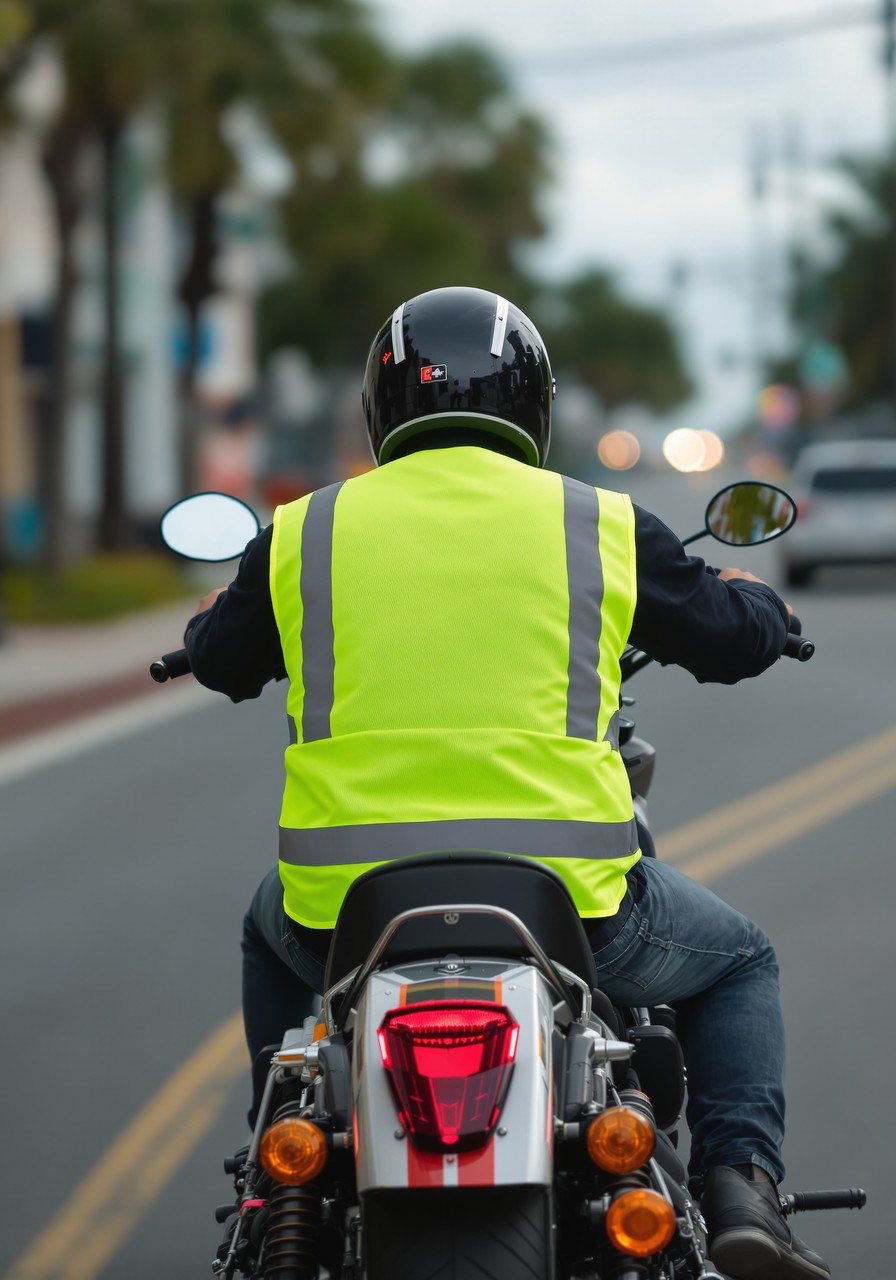
Safety & TX Law
Ride your own ride. Do not let the group pull you faster than your comfort or your skill. Coming home safe beats keeping up. If the worst happens, Glen Larson rides for you. 512-883-0277. #RideNationAustin #MotorcycleSafety #RiderSafety
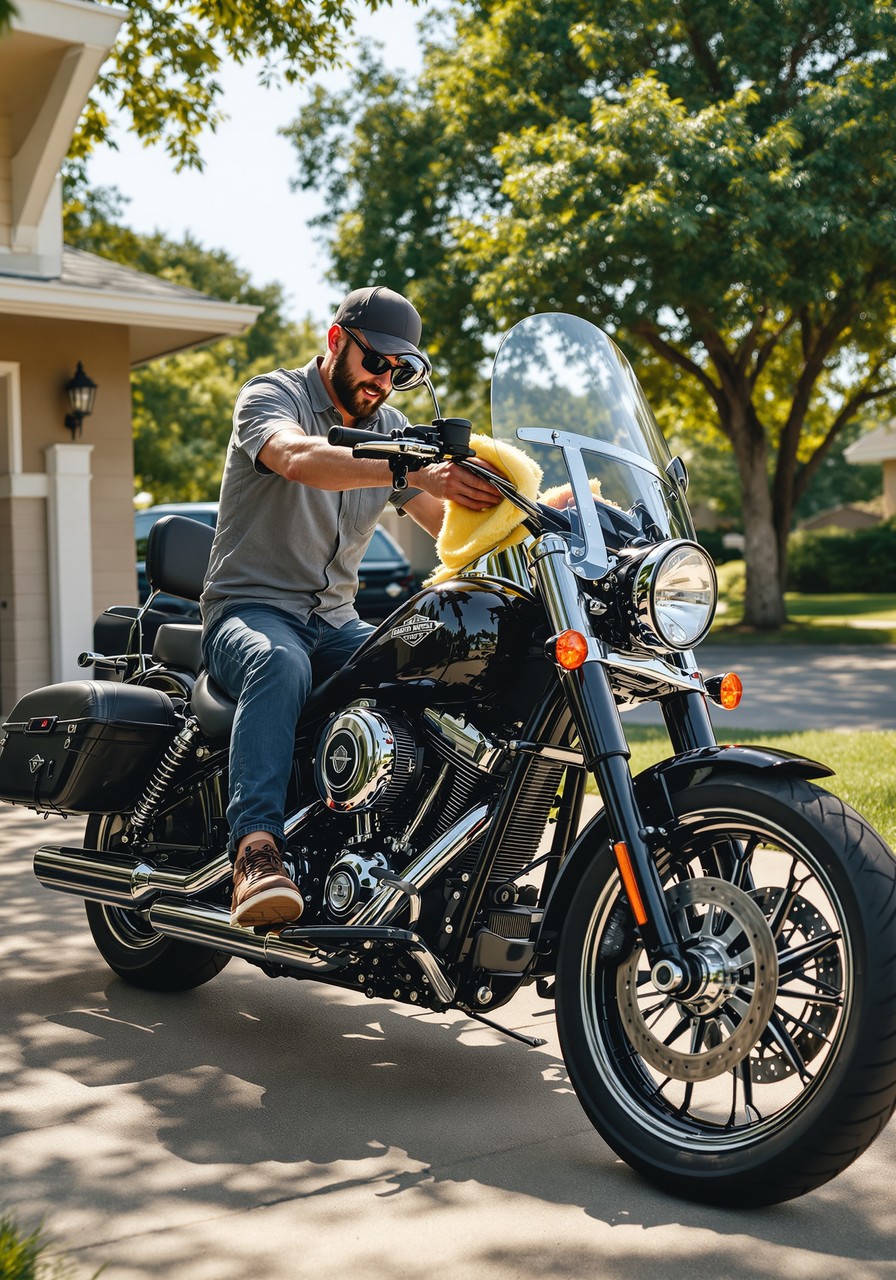
Engagement
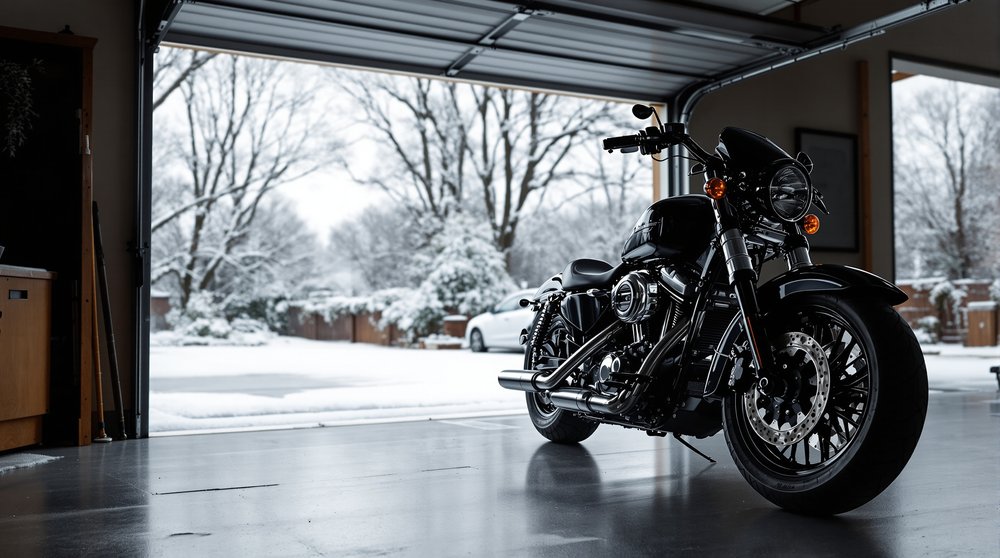
Caption this cold morning start photo. Bonus points if it made you laugh. #RideNationAustin #BikerLife #AustinRiders
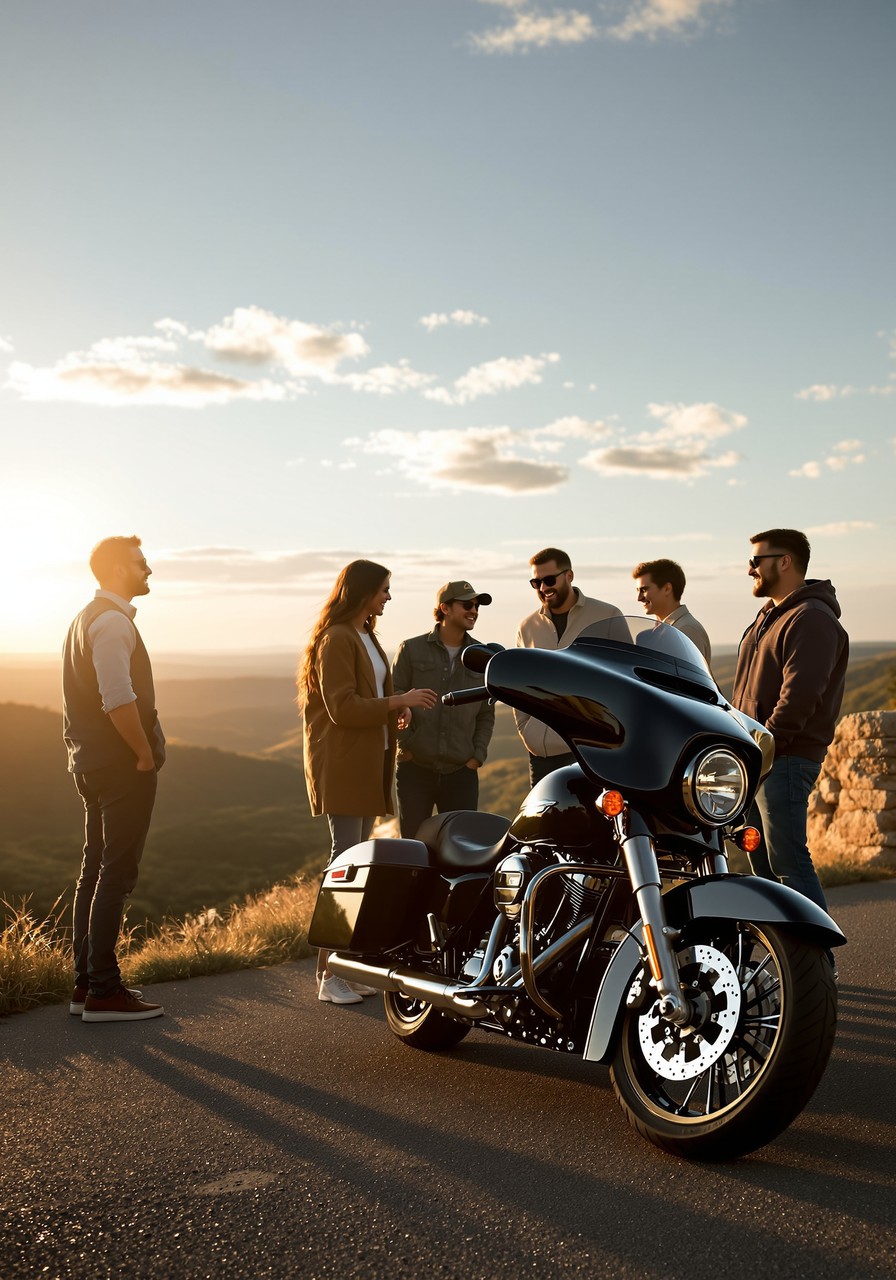
Giveaway & Countdown
Draw day is here. Huge congrats to our $20,000 winner and thank you to every Ride Nation rider who entered. Stay tuned, more is coming. #RideNationAustin #BikersWin #MotorcycleGiveaway
Local TX & Rides
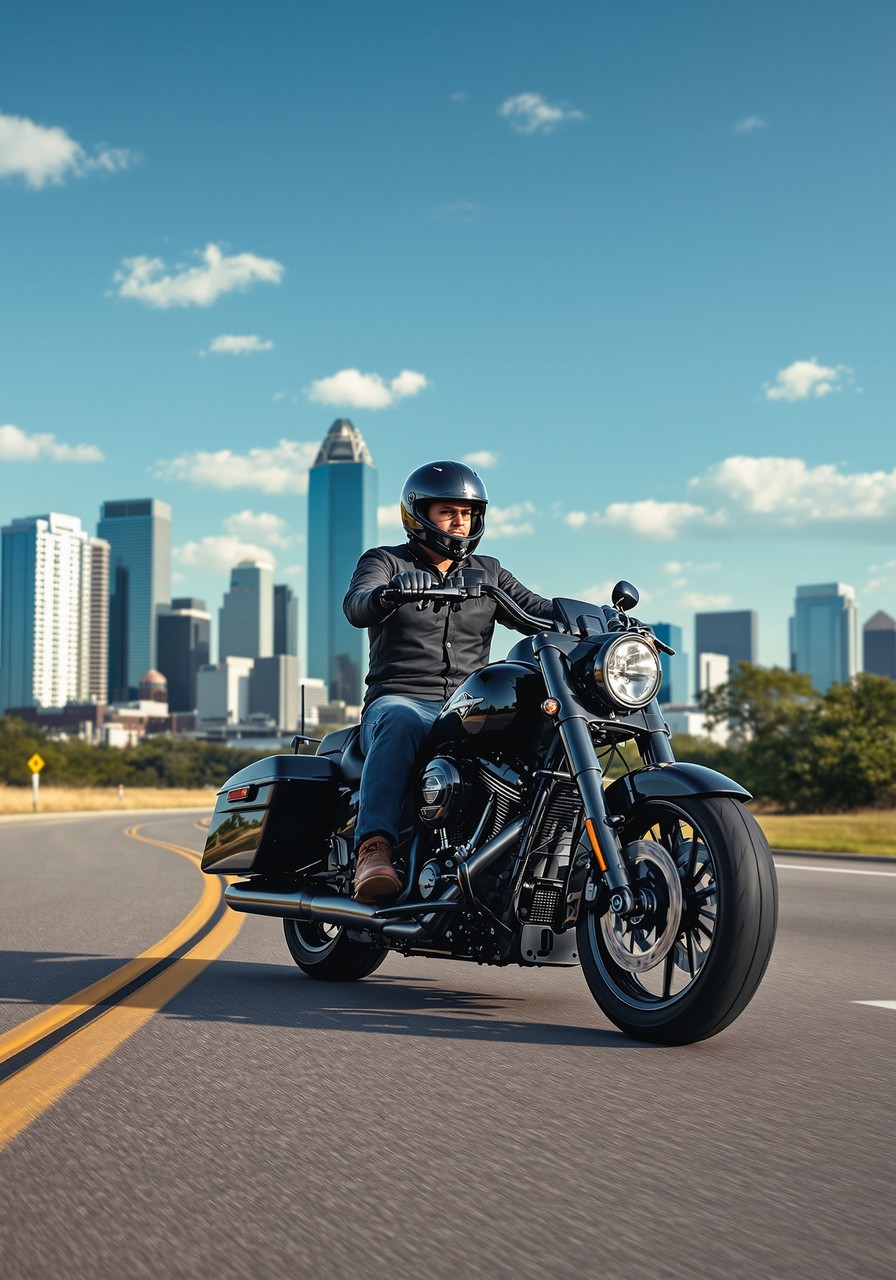
Feral hogs cross Hill Country roads without warning, especially at dawn near creek bottoms. A hog in your lane on RR 32 is no joke, so scan ahead. #RideNationAustin #HillCountry #TexasRiding
Gear & New Iron
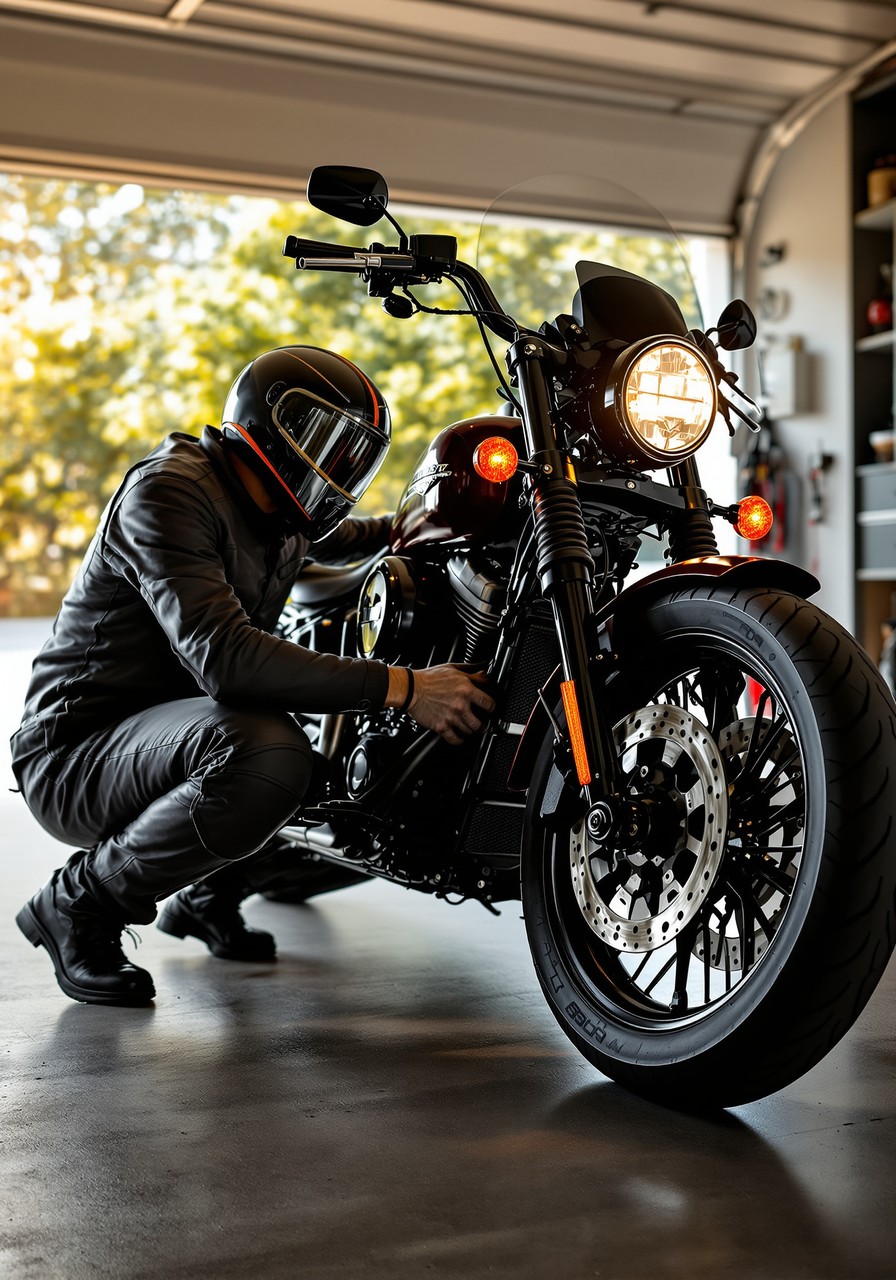
Brake fluid absorbs water over time and gets mushy. If your lever feels soft or the fluid looks dark, flush it. You want a firm bite, not a guess. #RideNationAustin #MotorcycleMaintenance #RiderTips
Safety & TX Law
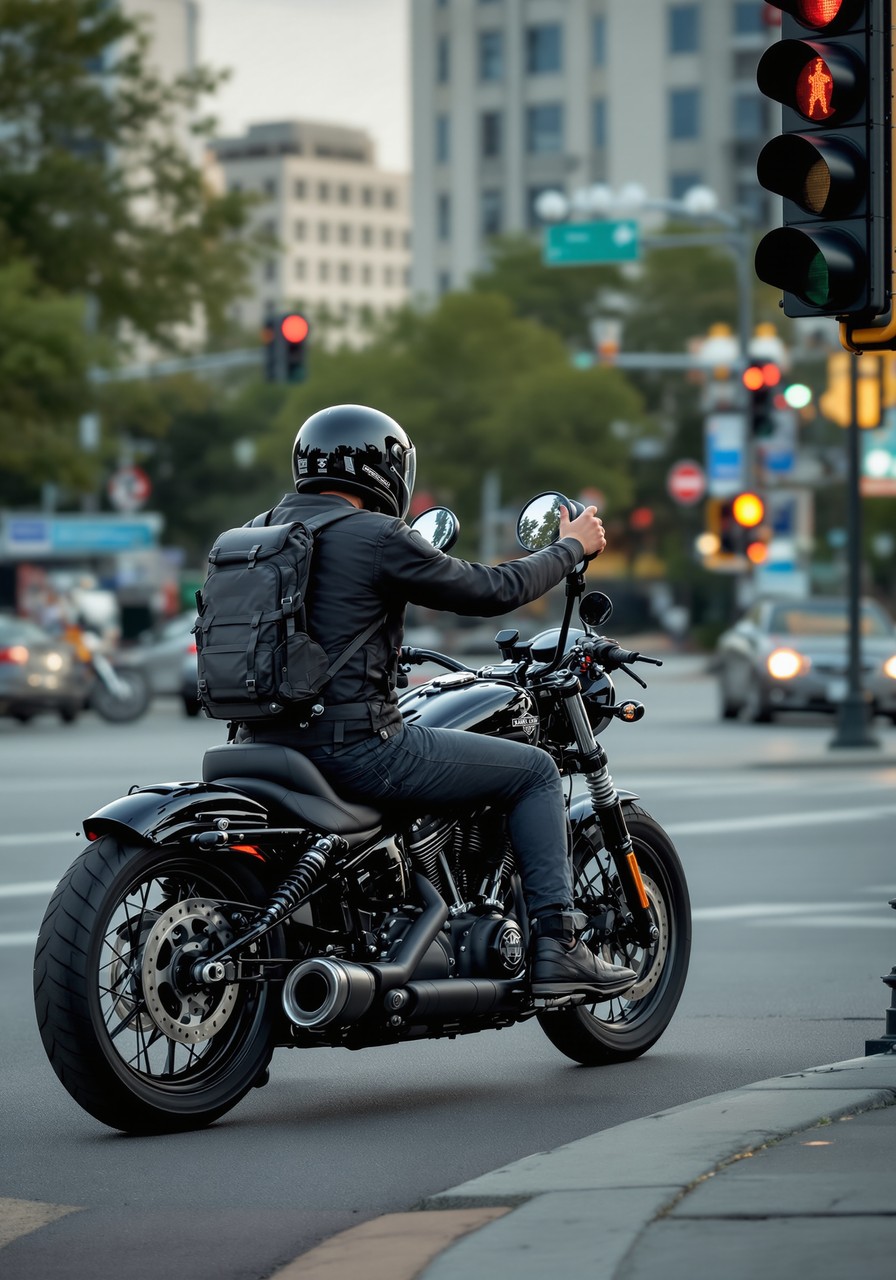
Gear up every ride, not just the long ones. The short hop to the store is where a lot of riders get hurt. Down and dealing with injuries? Biker Wolfpack Law, free call. 512-883-0277. #RideNationAustin #ATGATT #RiderSafety
Engagement
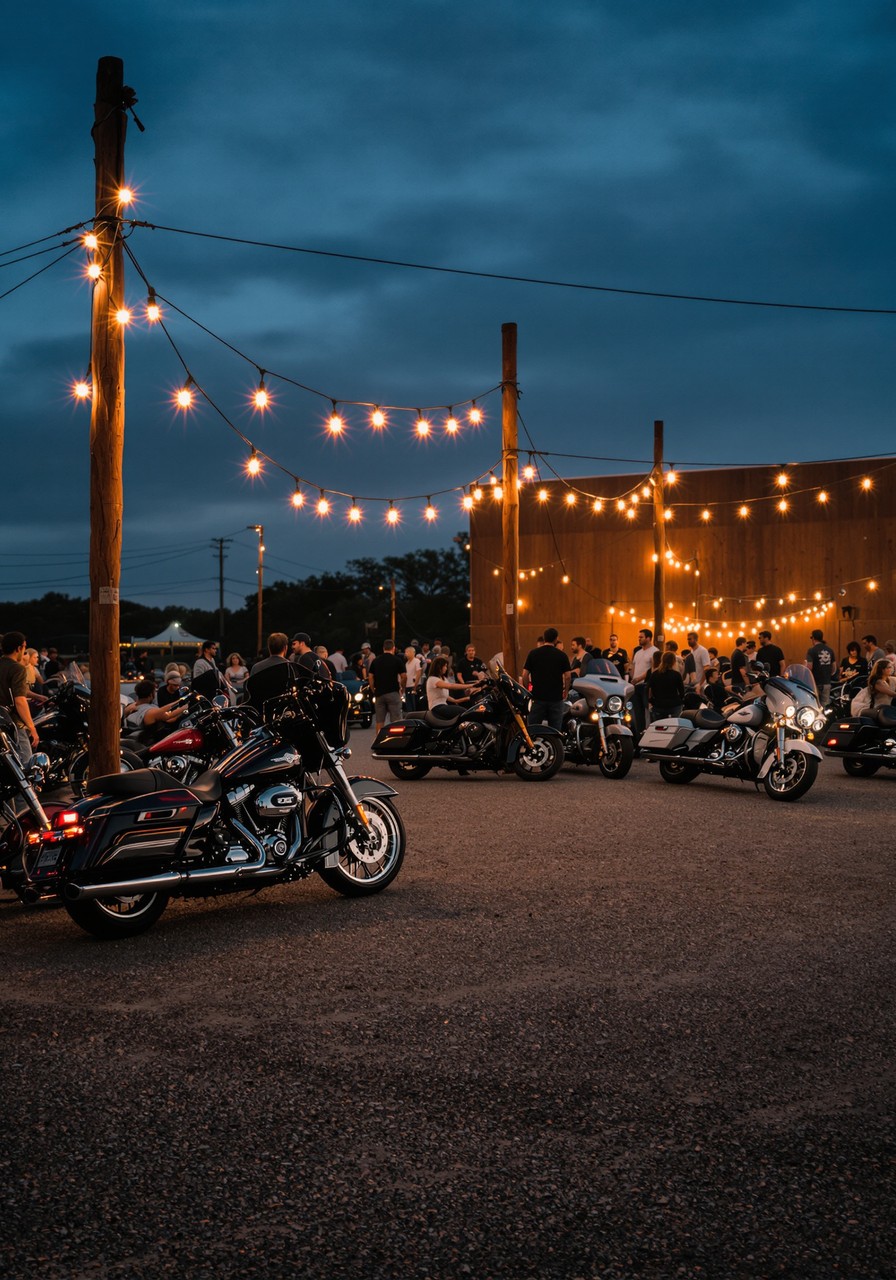
This or that: tacos before the ride or barbecue after. You can only pick one. #RideNationAustin #ATX #TexasRiders
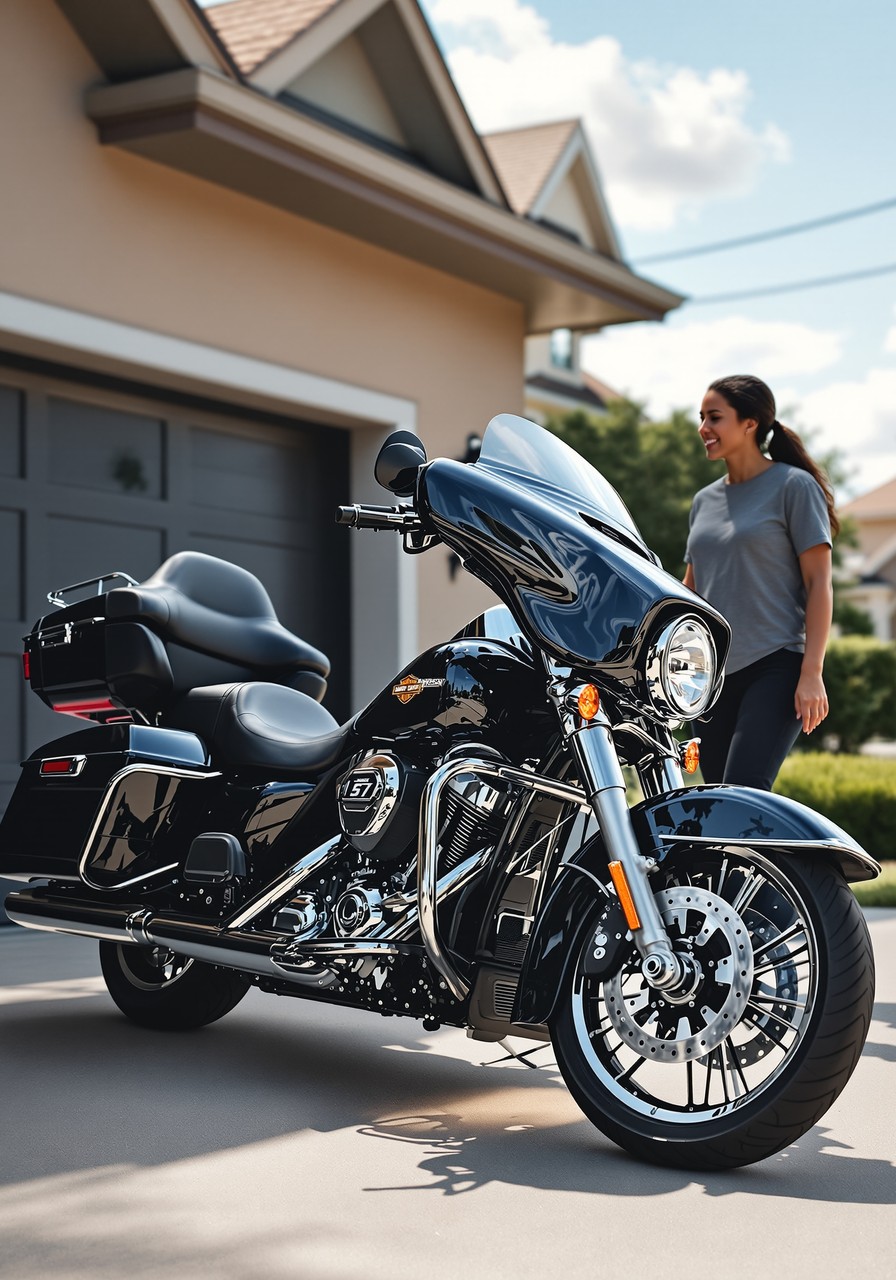
Giveaway & Countdown
Missed this round? No stress. Stay locked in with Ride Nation Austin so you are first to know when the next giveaway drops. #RideNationAustin #WinABike #AustinRiders
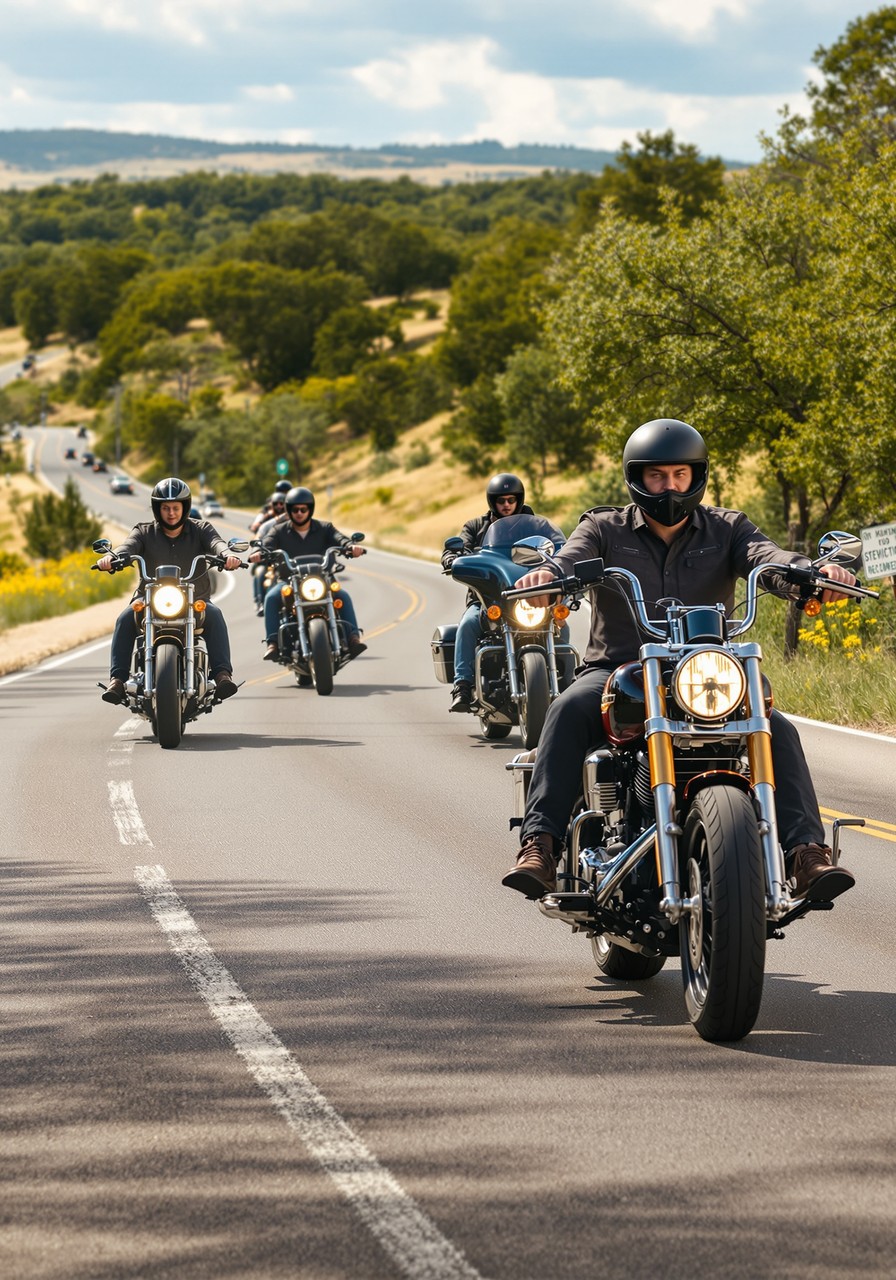
Local TX & Rides
Clear cool Central Texas mornings are made for the 2222 and 360 loop. Beat the traffic, catch the sunrise, and have the curves to yourself. #RideNationAustin #AustinRiders #ATX
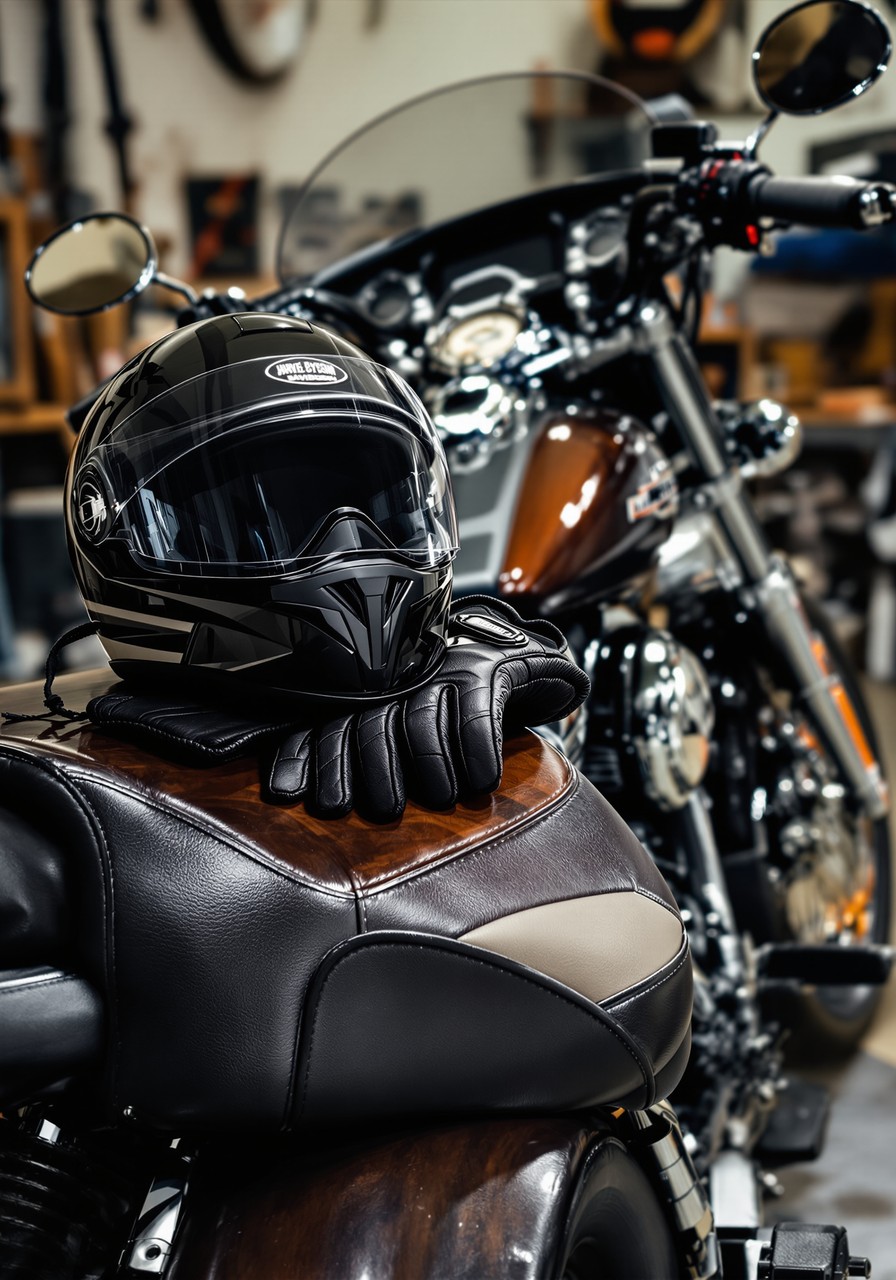
Gear & New Iron
Squeeze both brakes before you roll out. A spongy lever is your bike telling you the fluid is tired or air got in. Do not ignore it. #RideNationAustin #MotorcycleMaintenance #RiderTips
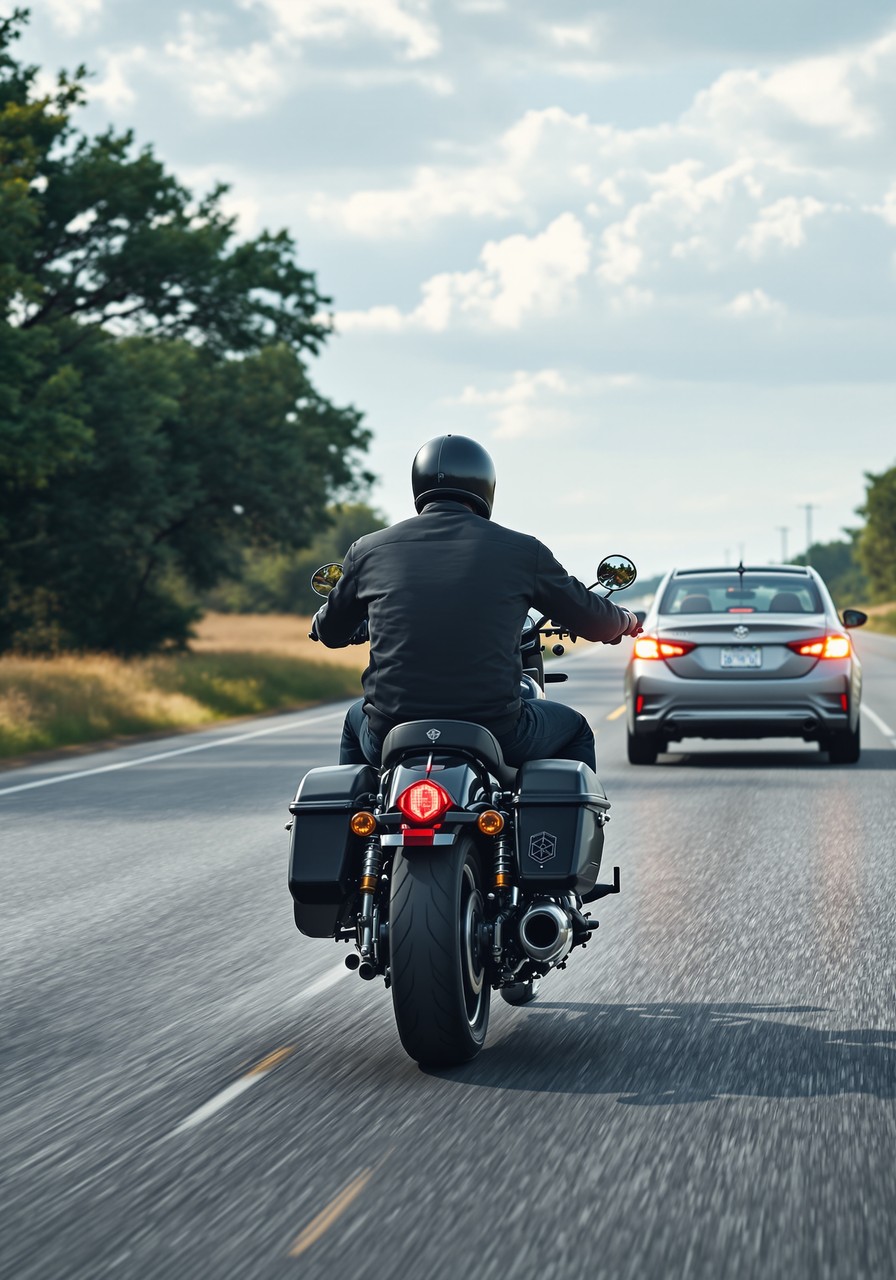
Safety & TX Law
ATGATT is not overkill, it is your skin. Full gear turns a bad slide into a story you get to tell. Hurt despite it? Glen Larson and Biker Wolfpack Law, 512-883-0277. #RideNationAustin #ATGATT #MotorcycleSafety
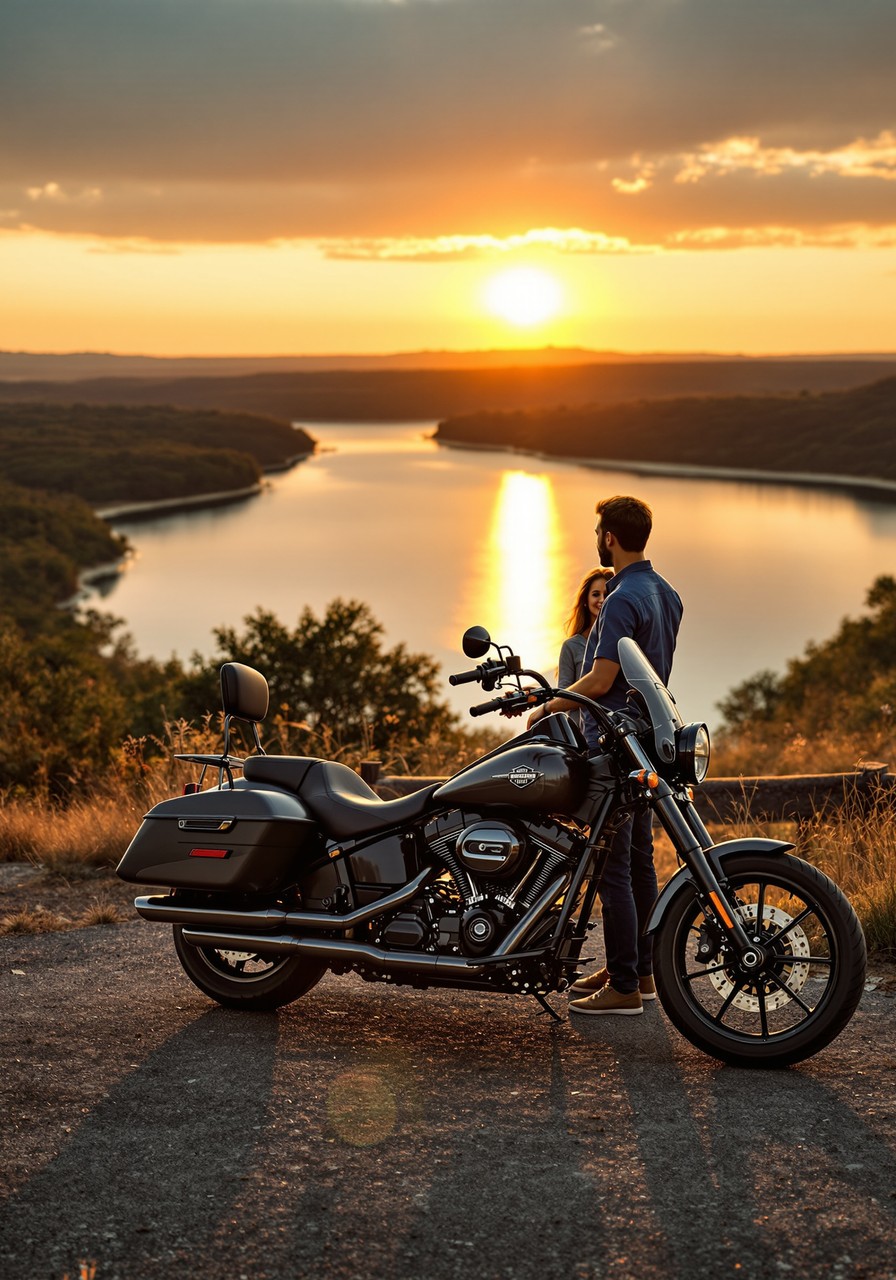
Engagement
What year and model are you riding right now? Line them up below. #RideNationAustin #TwoWheels #BikerLife
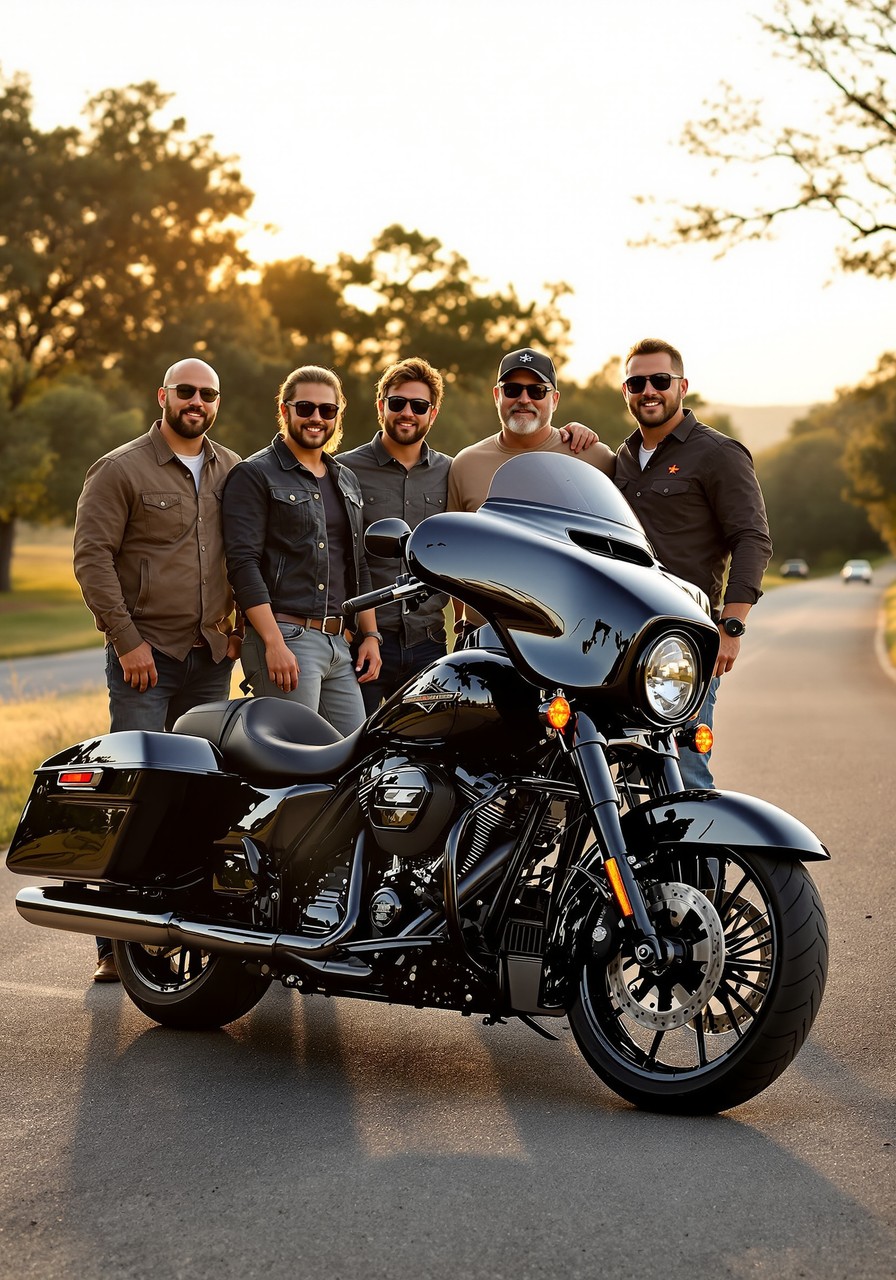
Giveaway & Countdown
The last winner scored $20,000 toward a new bike. The next one could be you. Keep your notifications on, riders. #RideNationAustin #MotorcycleGiveaway #20kGiveaway
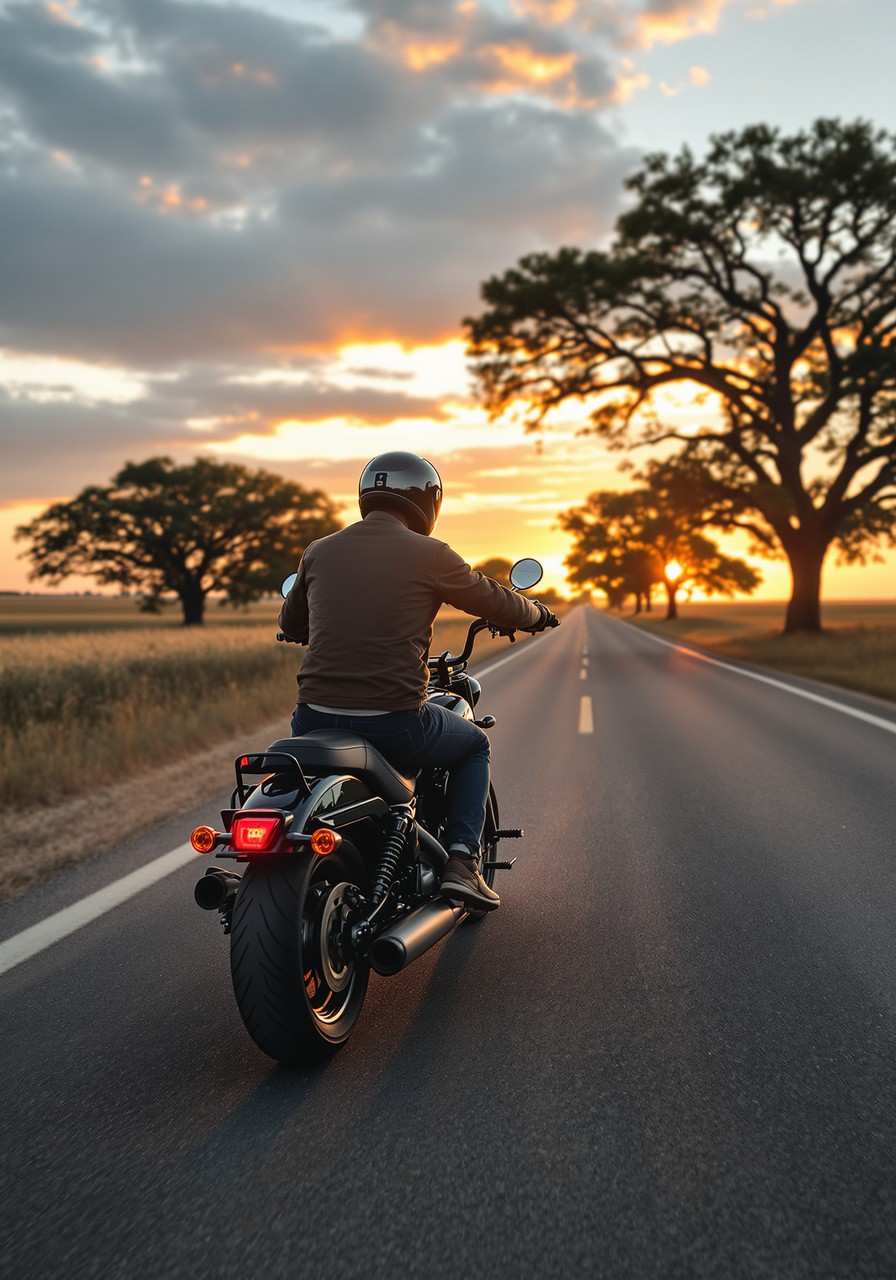
Local TX & Rides
Bluebonnet season brings a wave of tourists to the Hill Country back roads. Cars stop dead for photos in the spring, so expect the unexpected on 290. #RideNationAustin #HillCountry #Fredericksburg
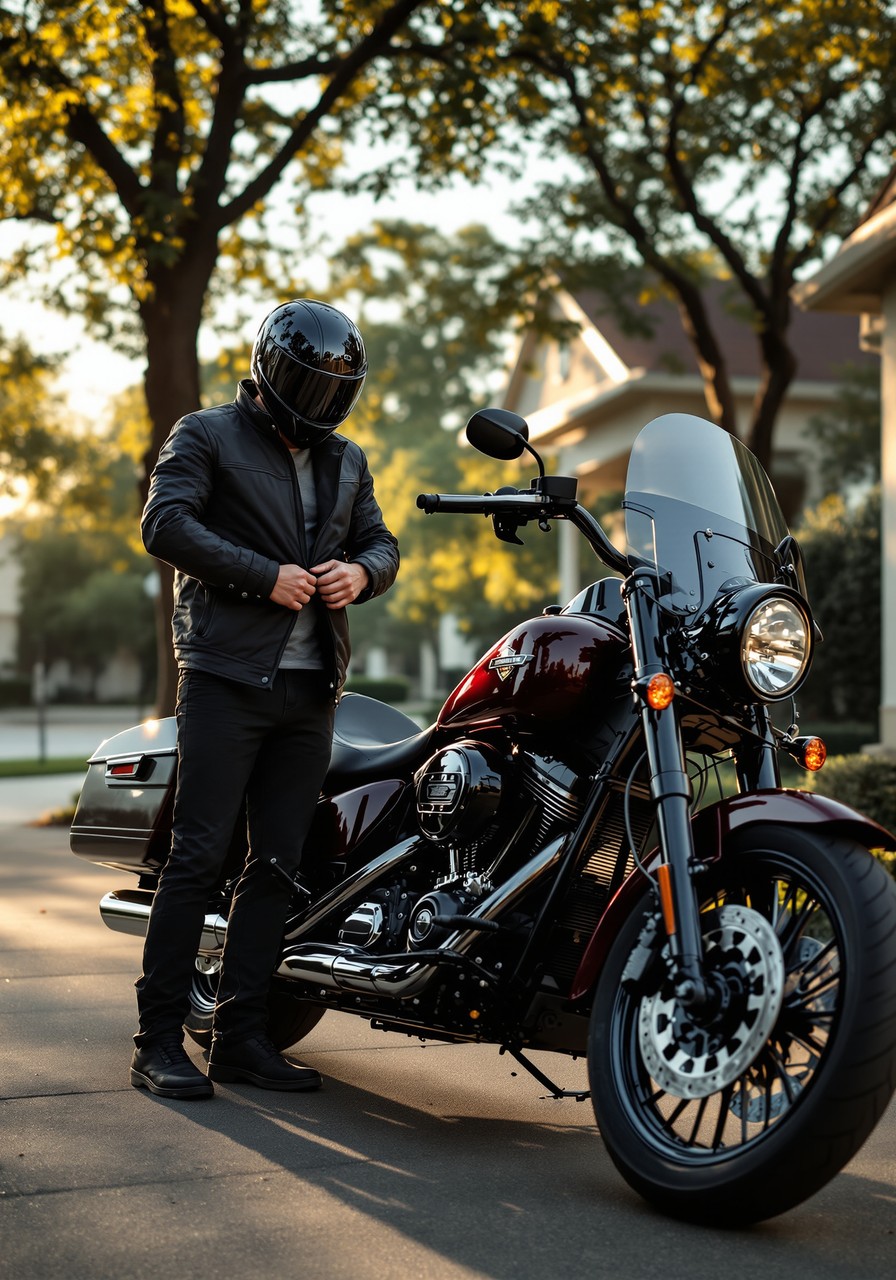
Gear & New Iron
Chain care is a ten minute job that saves your drivetrain. Clean it, lube it, and set the slack. A dry chain wears fast and snatches under power. #RideNationAustin #MotorcycleMaintenance #RiderTips
Safety & TX Law
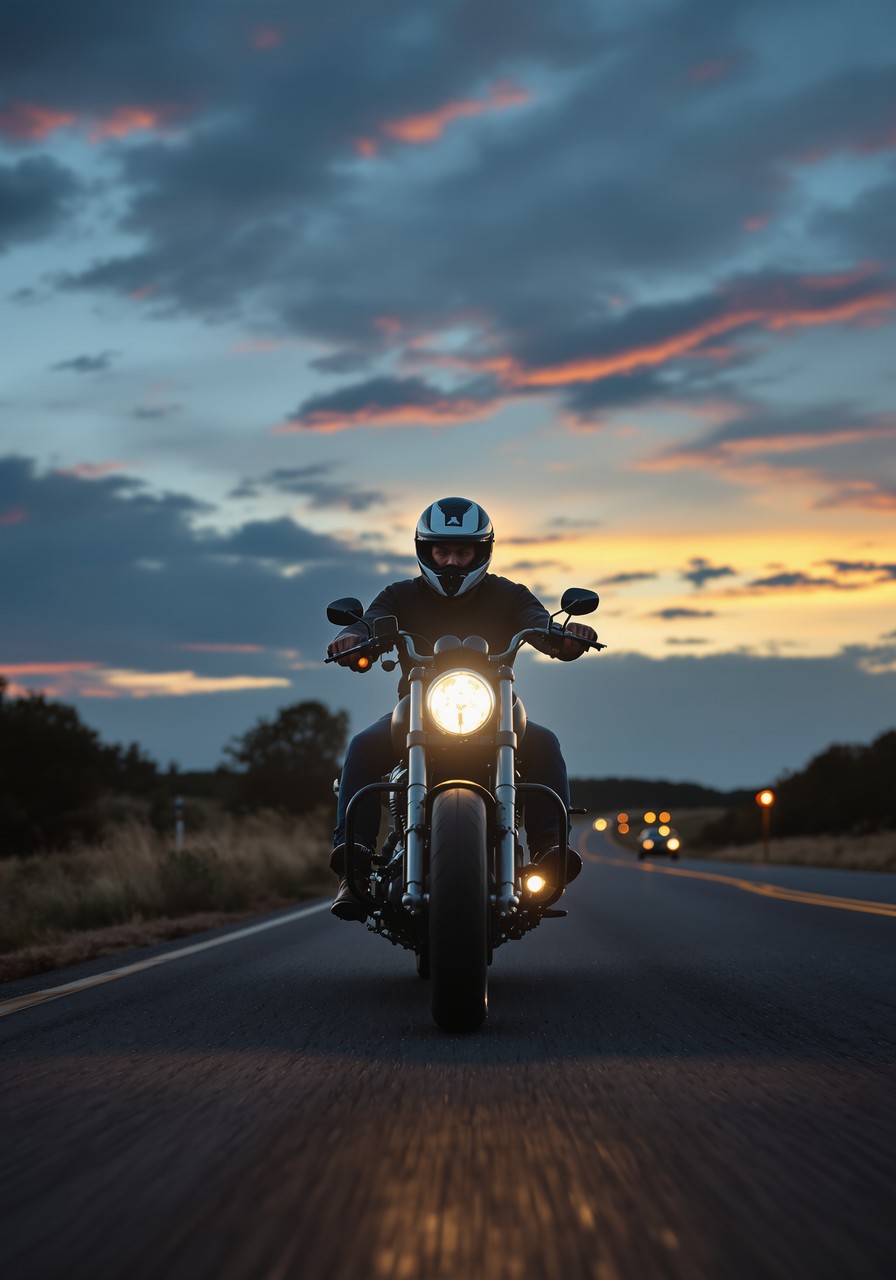
Dusk is the danger hour. Drivers squint into the light and miss you. Add reflective gear and hit your high beam early. Got clipped anyway? Biker Wolfpack Law, no cost to talk. 512-883-0277. #RideNationAustin #RiderSafety #MotorcycleSafety
Engagement
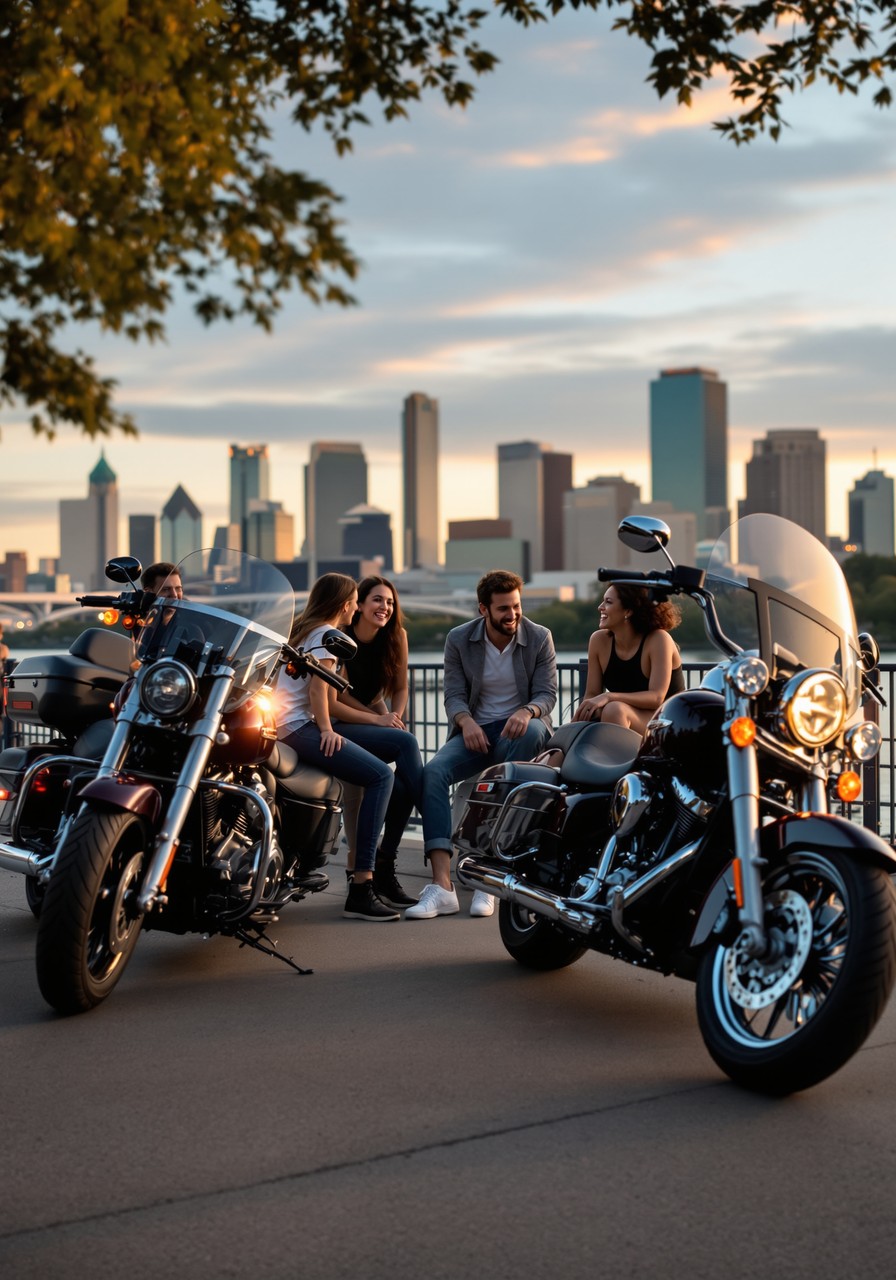
Fill in the blank: bluebonnet season means ______ for me and my bike. #RideNationAustin #HillCountry #AustinRiders
Giveaway & Countdown
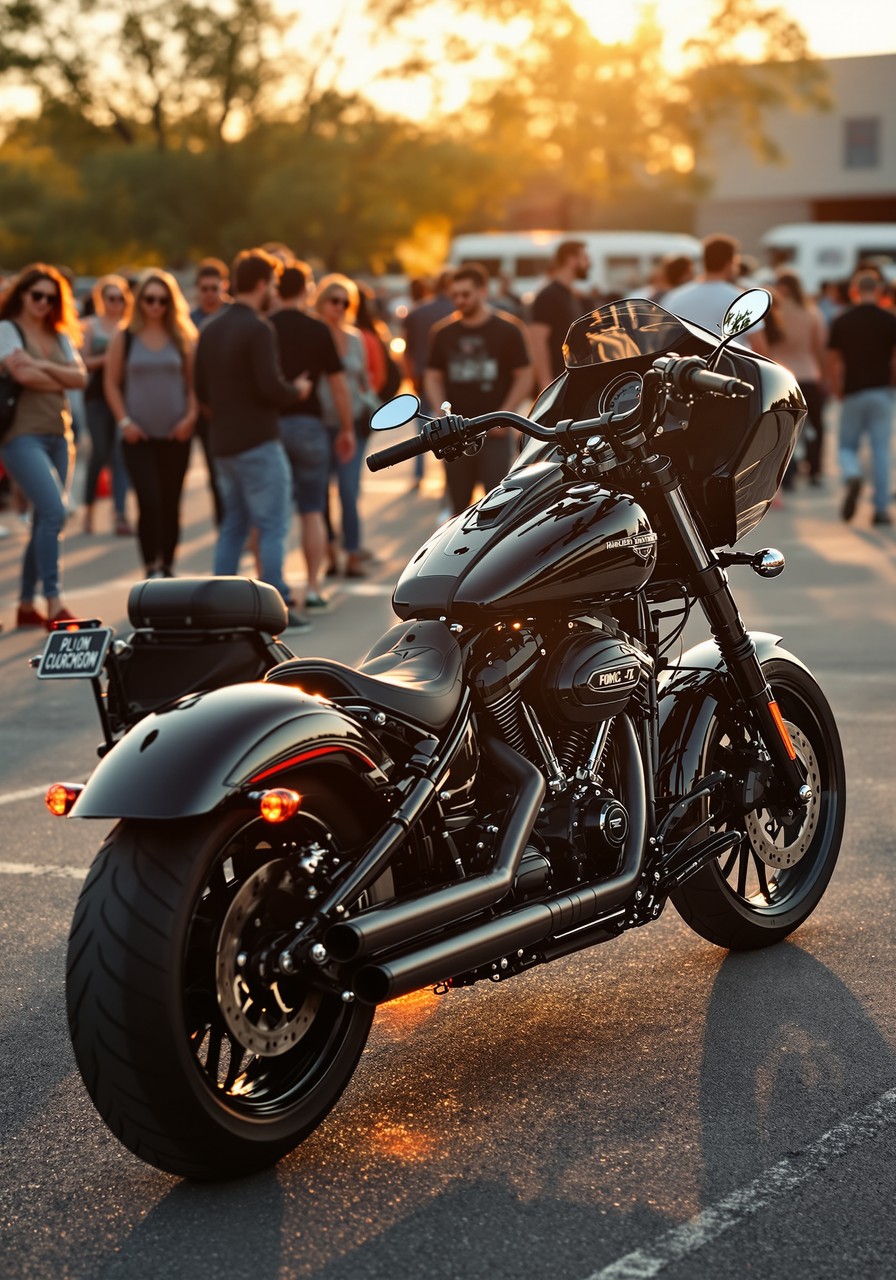
New year, same energy. We love putting riders on new bikes, and another giveaway is on the way. Stay entered, stay ready. #RideNationAustin #BikersWin #ATX
Local TX & Rides
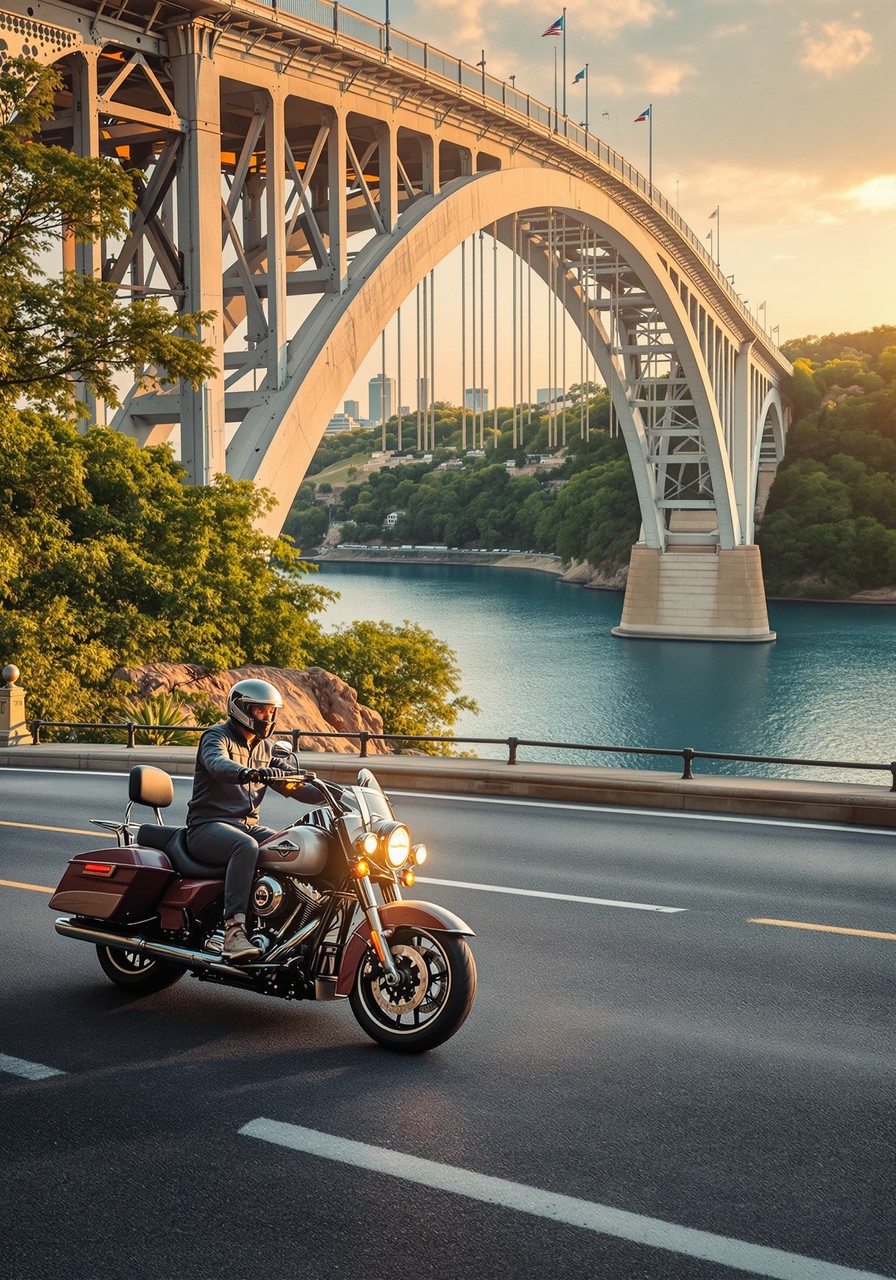
The Lake Austin overlooks off 360 make a nice short spin when you only have an hour. Watch for gravel washed onto the shoulder in the tighter bends. #RideNationAustin #LakeTravis #ATX
Gear & New Iron
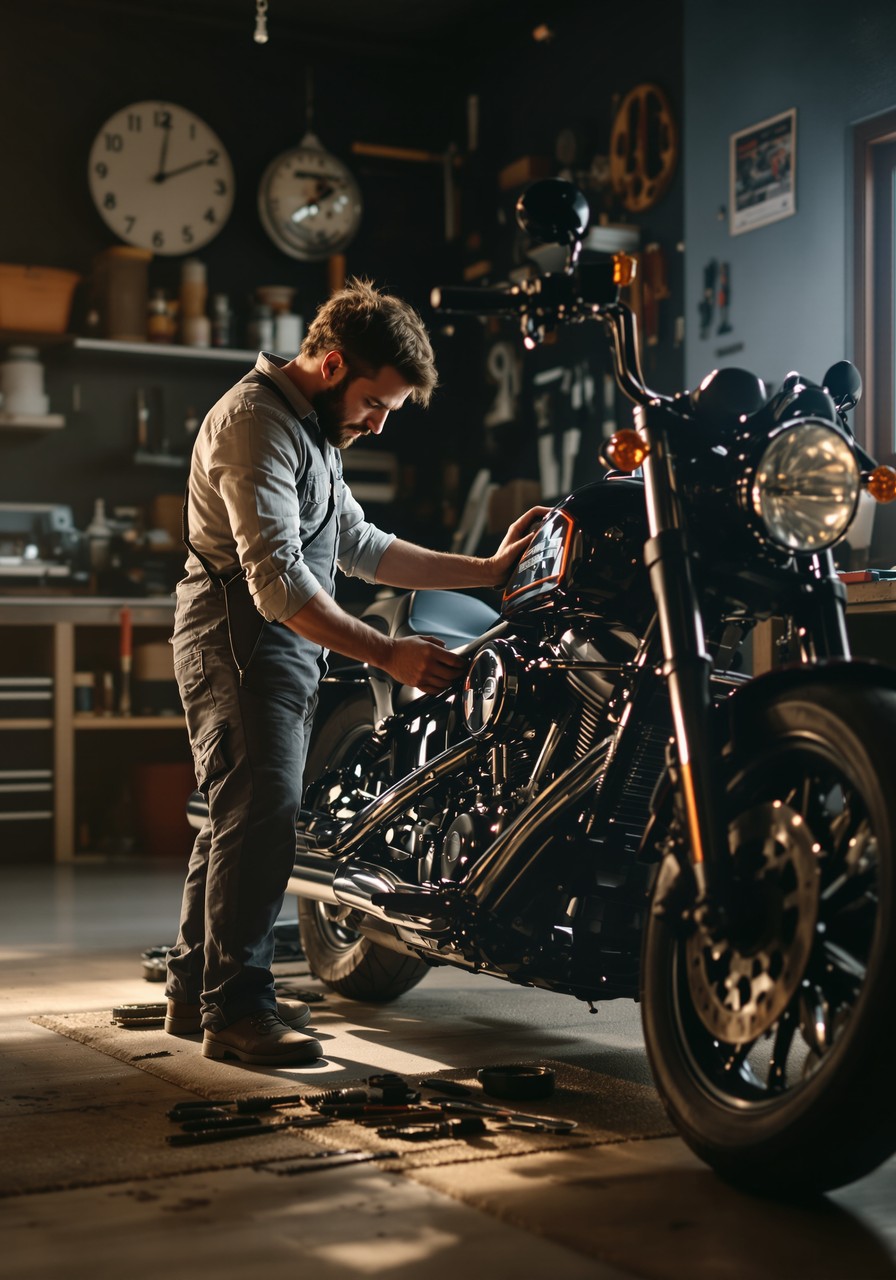
Check chain slack after a long ride and after the seasons change. Too tight stresses the bearings, too loose skips the sprocket. Split the difference. #RideNationAustin #MotorcycleMaintenance #RiderTips
Safety & TX Law
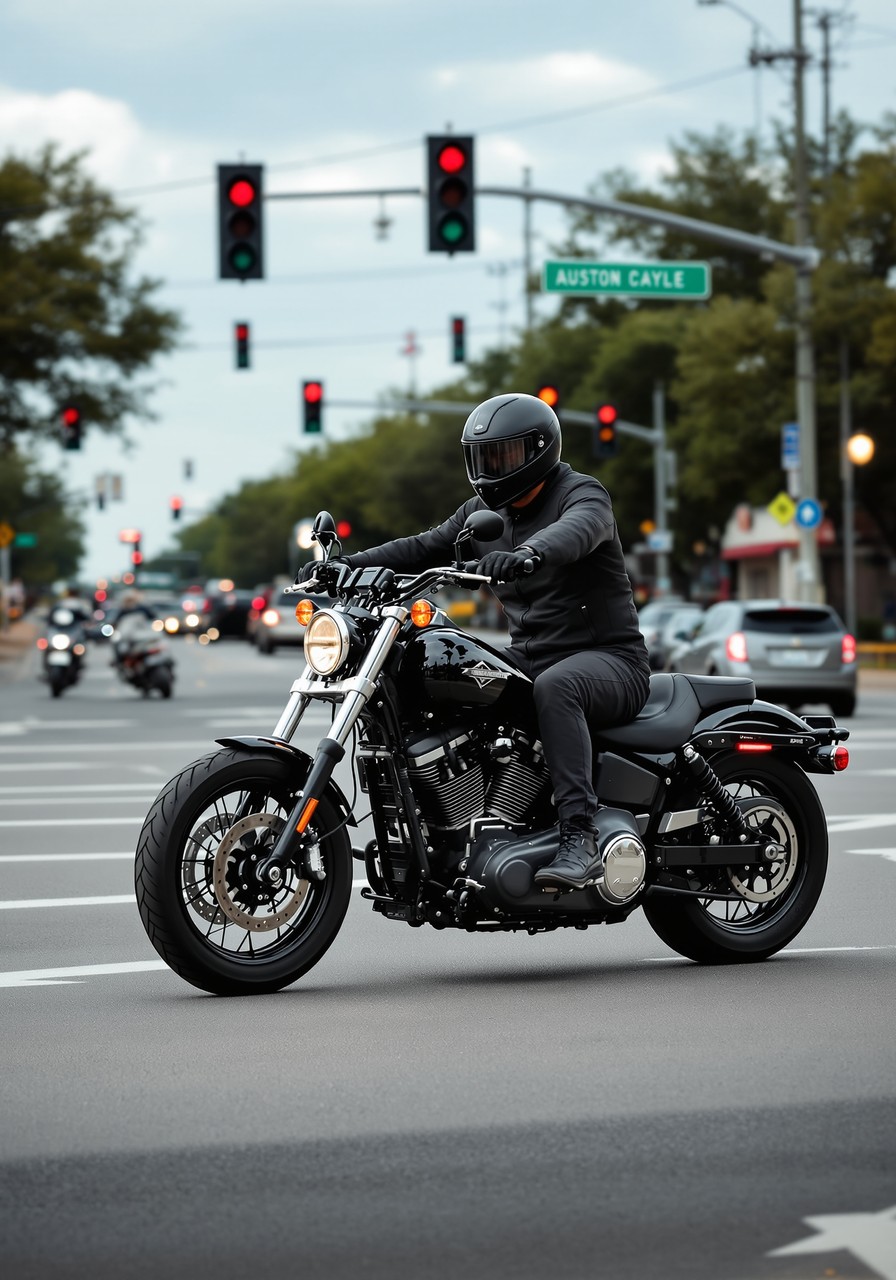
Be seen or be sorry. Bright gear, lights on, and lane position that keeps you in mirrors. Visibility is free insurance. If a driver still misses you, Glen Larson is here. 512-883-0277. #RideNationAustin #MotorcycleSafety #RiderSafety
Engagement
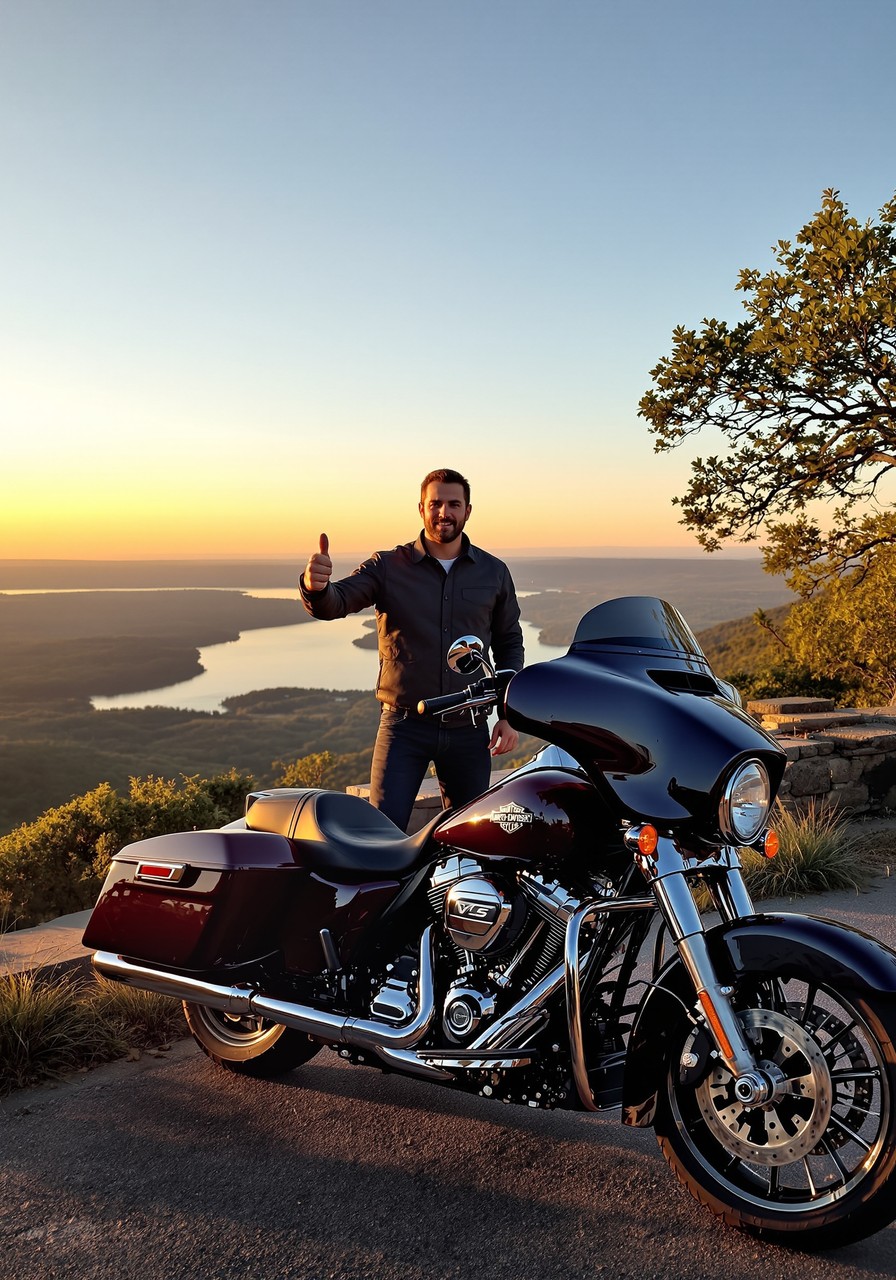
Tag someone who needs to join us for a Lake Travis loop this winter. #RideNationAustin #LakeTravis #RideOrDie
Giveaway & Countdown
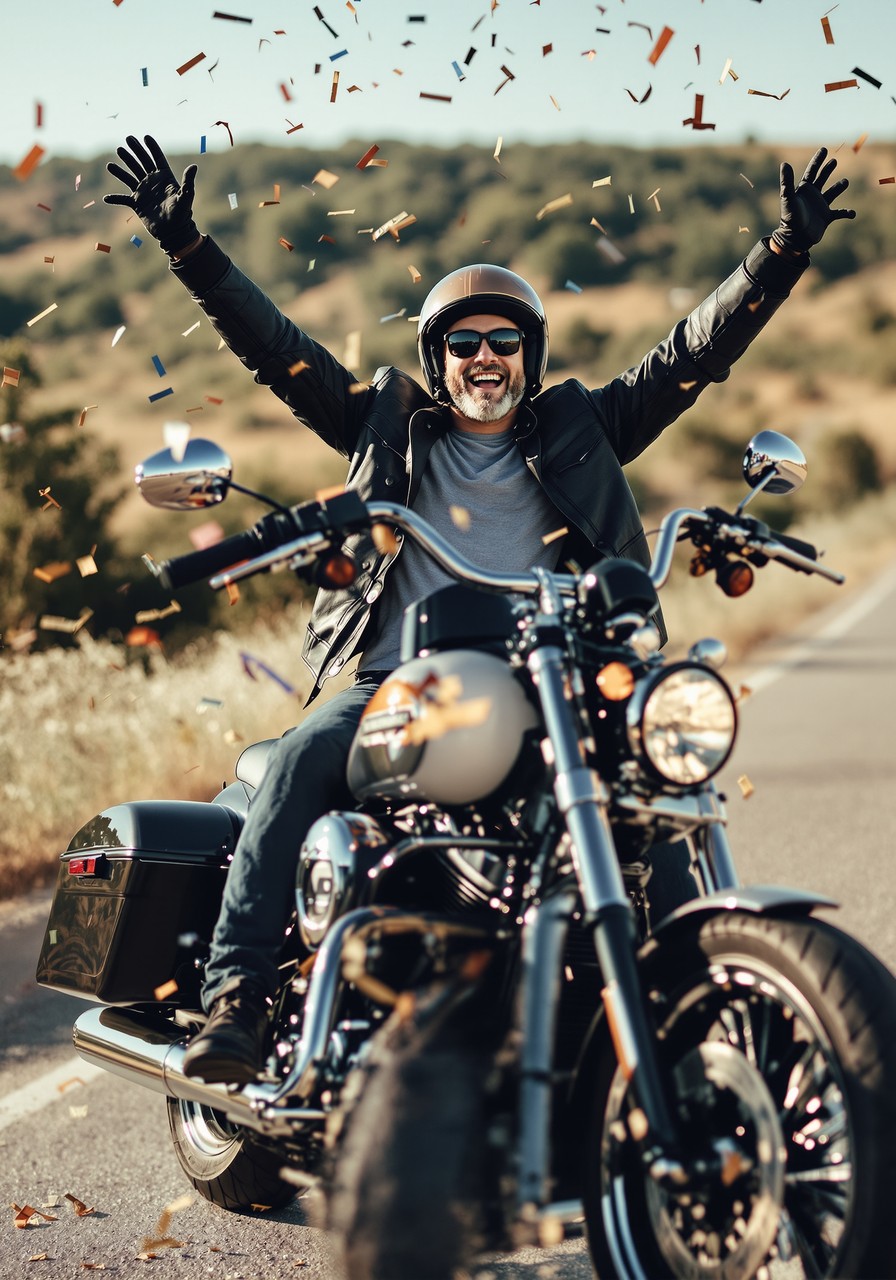
What would you do with $20,000 toward your dream ride? Start planning now, because the next giveaway is coming. Follow along. Biker Wolfpack Law, 512-883-0277. #RideNationAustin #WinABike #FreeToEnter
Local TX & Rides
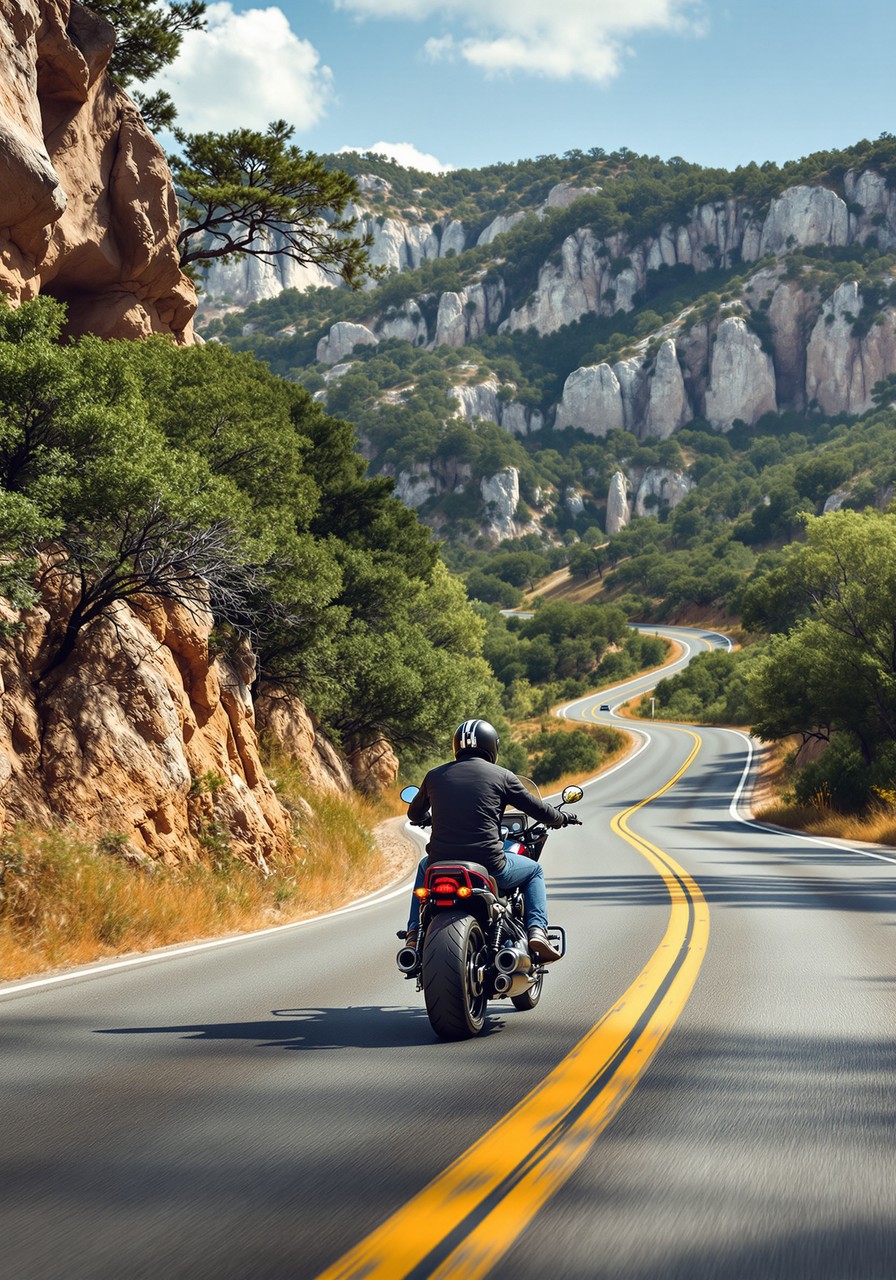
Medina is the gateway to the Sisters and a good place to regroup. Top off your tank there, because the next reliable fuel is a long way off. #RideNationAustin #TwistedSisters #HillCountry
Gear & New Iron
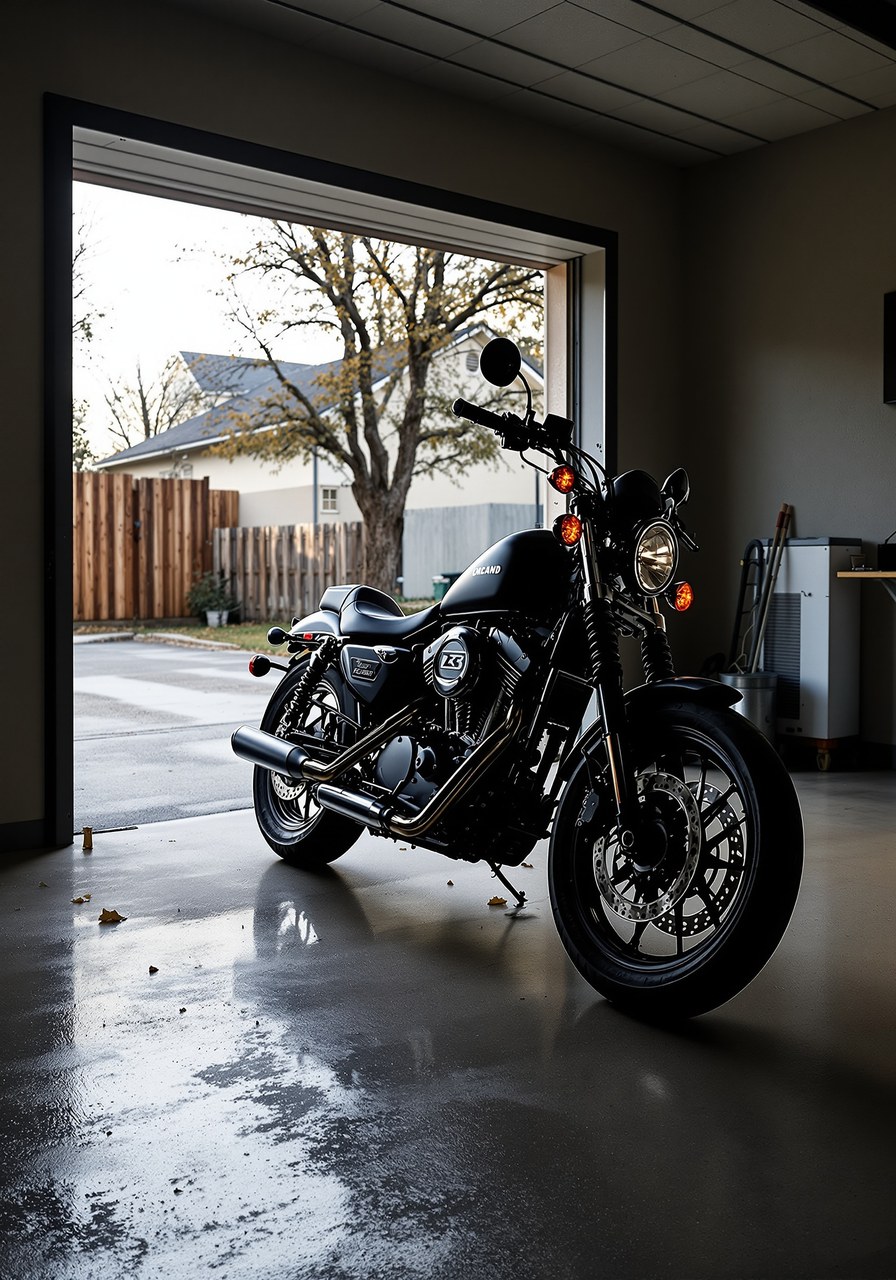
A fogging visor at a stoplight on a cold morning is more than annoying, it is blind for a second. Crack it a hair or run a pinlock insert. #RideNationAustin #RiderTips #GearUp
Safety & TX Law
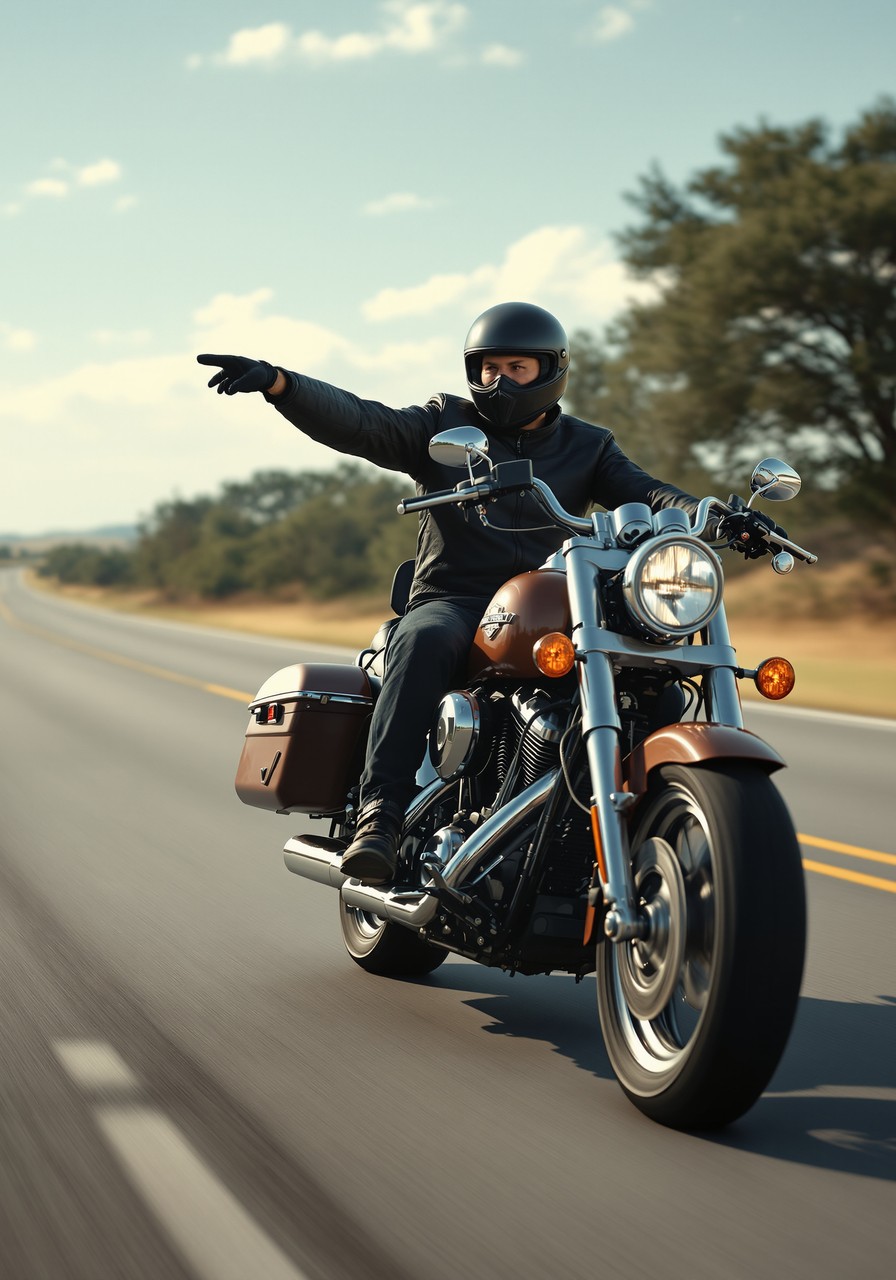
Hill Country roads are gorgeous and full of deer, especially at dawn and dusk. Scan the shoulders and ease off the throttle. Wrecked out there? Biker Wolfpack Law, free to call. 512-883-0277. #RideNationAustin #RiderSafety #MotorcycleSafety
Engagement
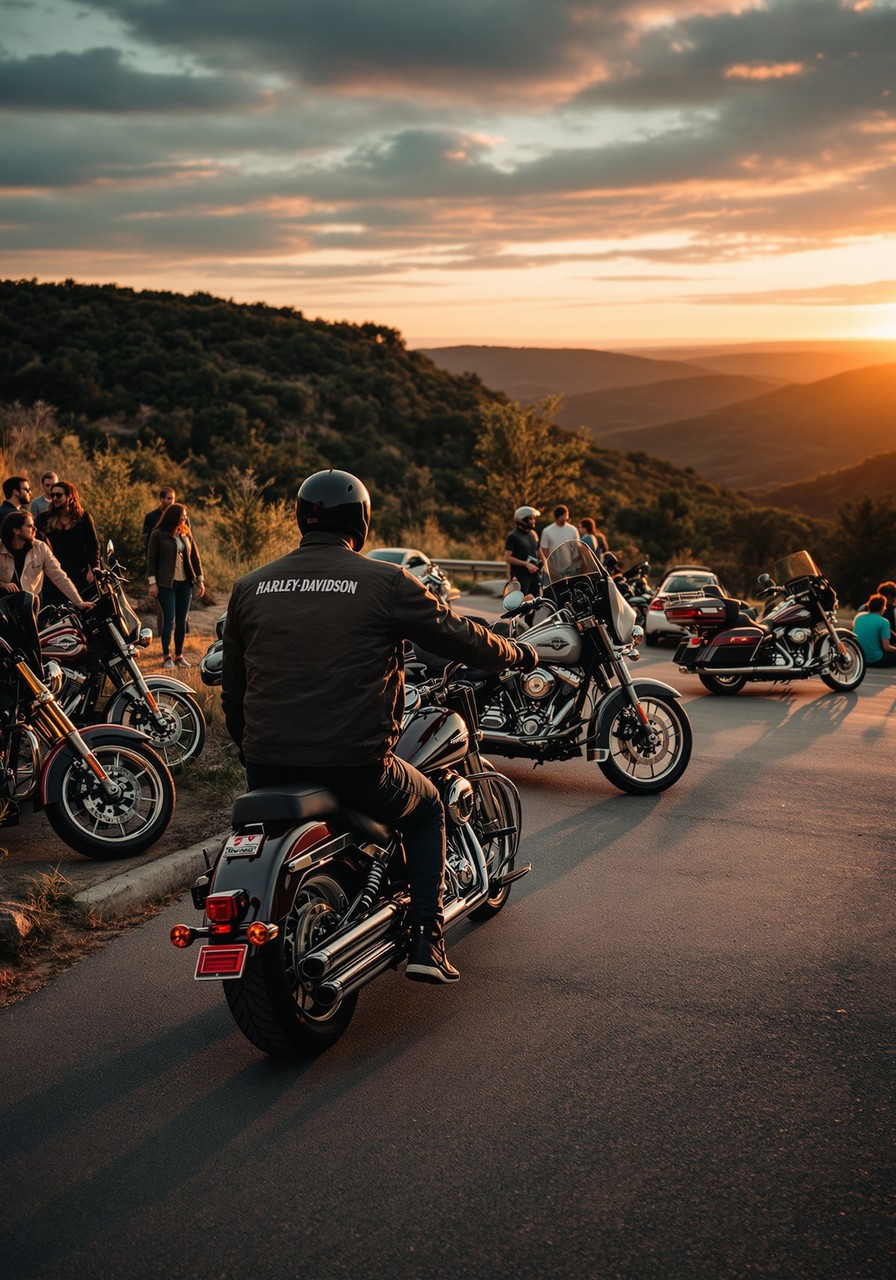
Poll: kickstand up before 7am or is that a crime? Vote below. #RideNationAustin #AustinRiders #TwoWheels
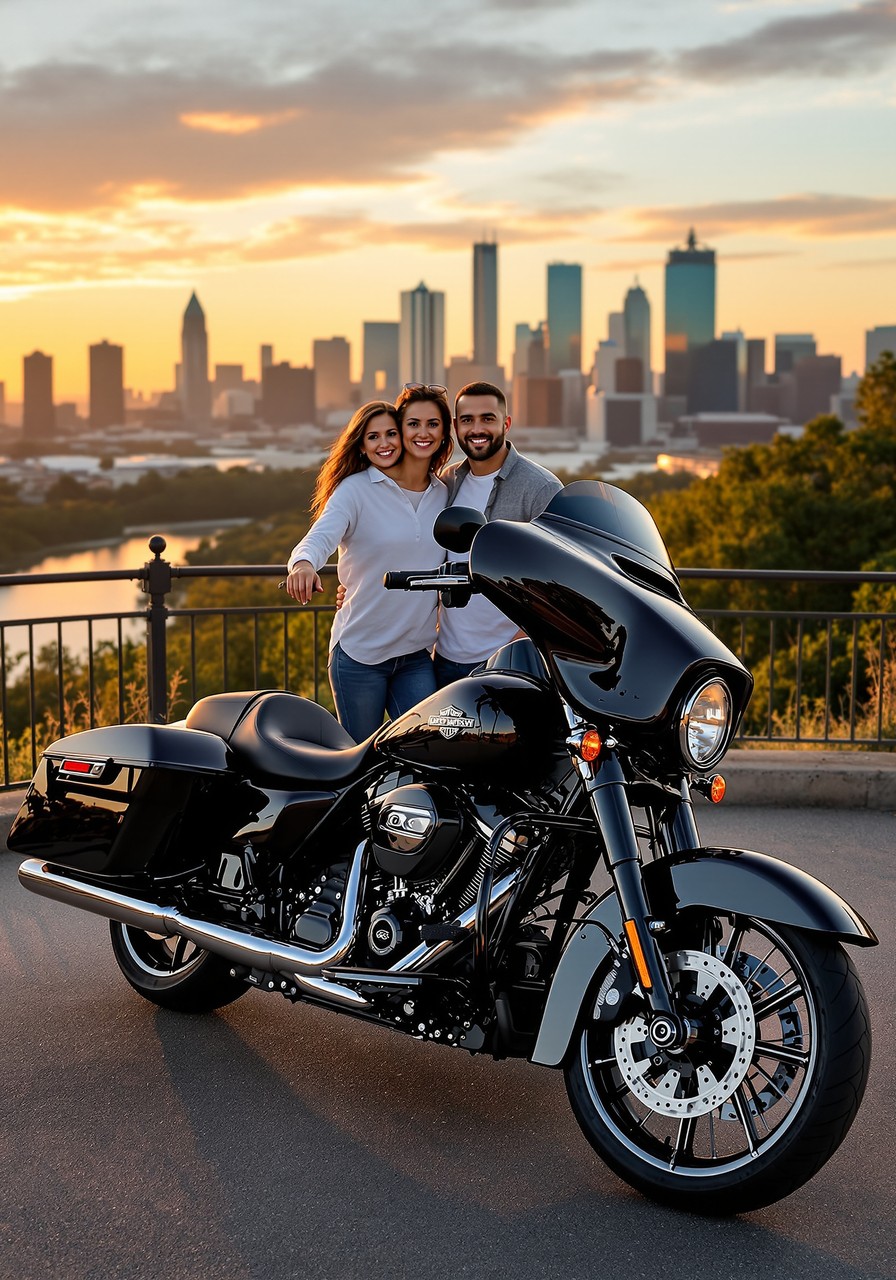
Giveaway & Countdown
One rider already won big. If that was not you this time, do not sweat it. The next free giveaway is around the corner. #RideNationAustin #MotorcycleGiveaway #AustinRiders
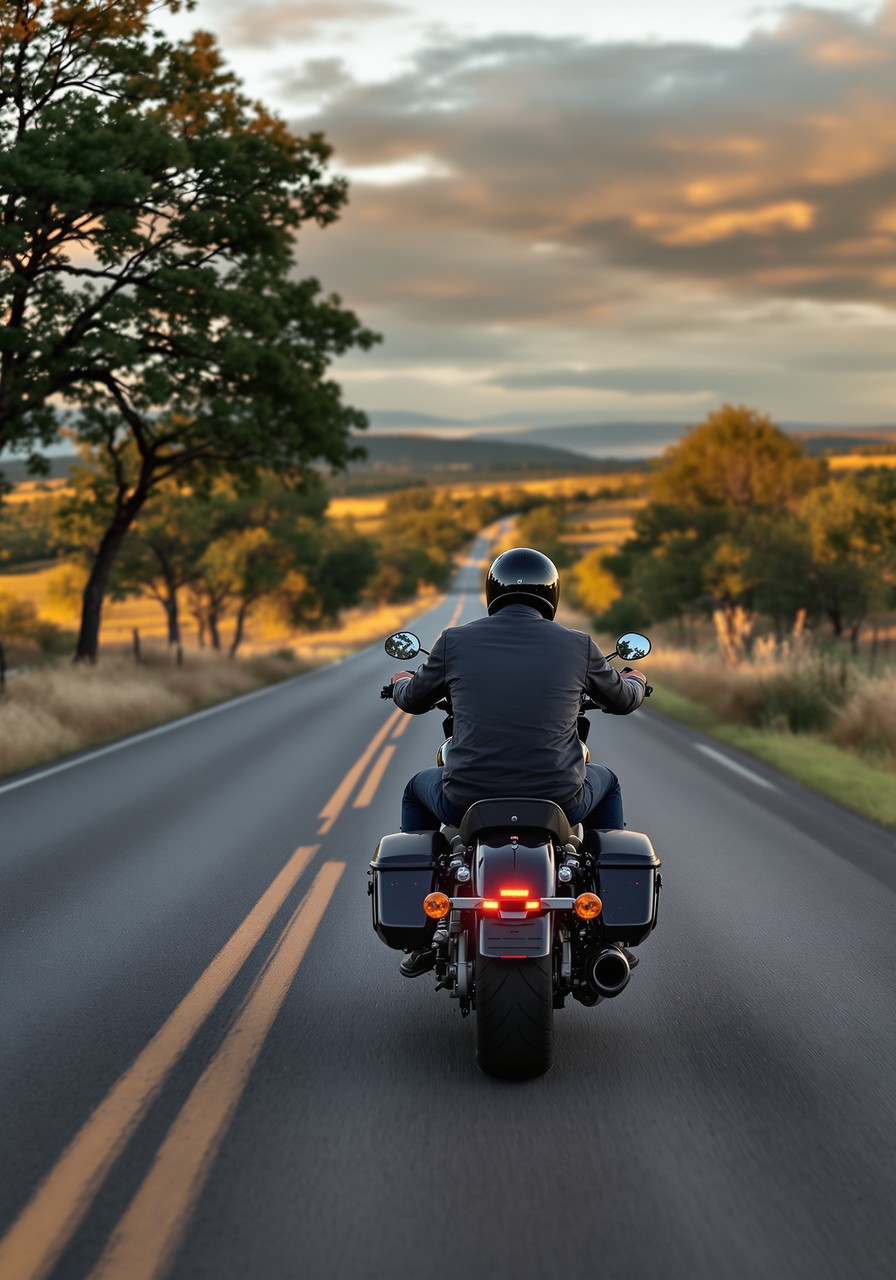
Local TX & Rides
January riding in Texas is a gift. While the north freezes, we get 60-degree afternoons and empty Hill Country roads. Do not waste them. #RideNationAustin #TexasRiding #HillCountry
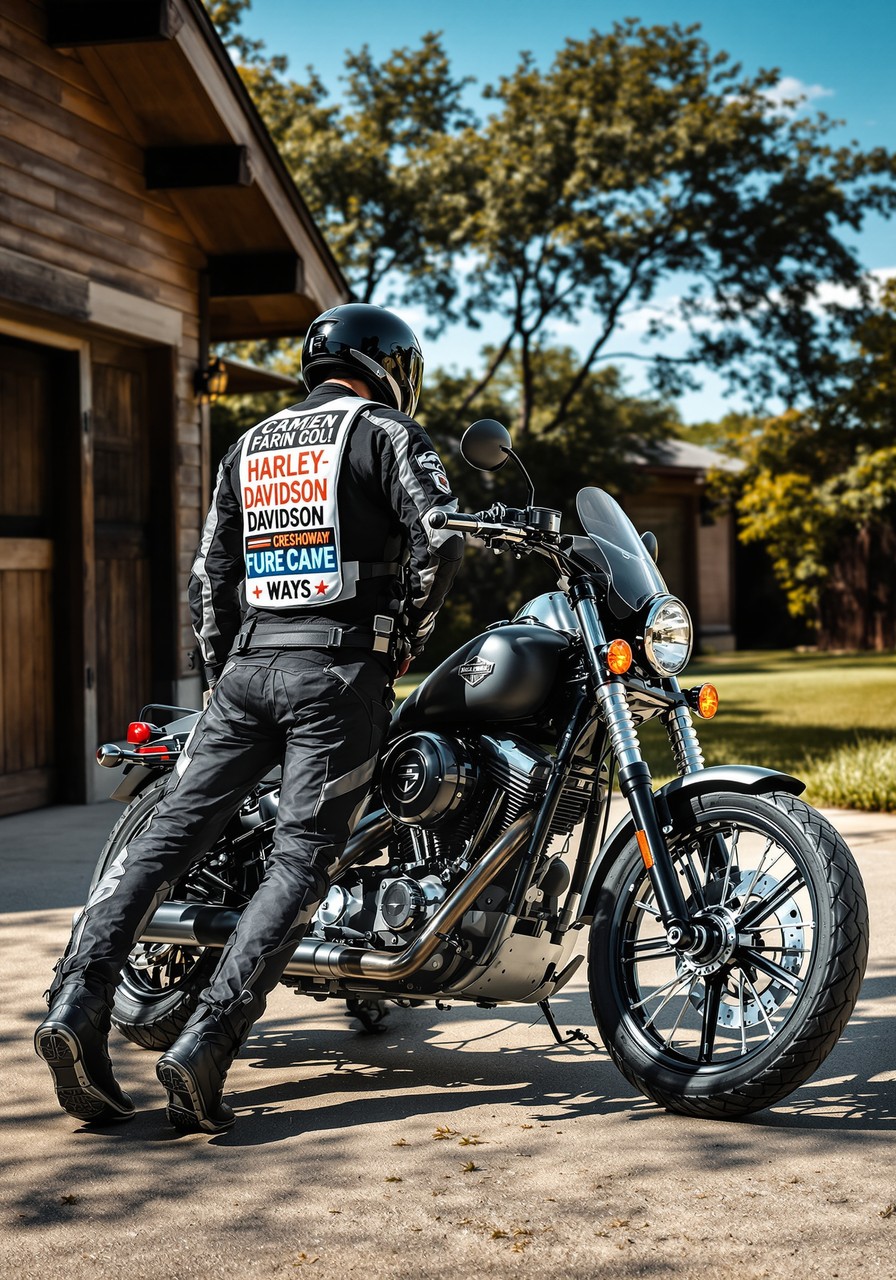
Gear & New Iron
Anti fog only works on a clean visor. Wipe it with the right cloth, not your glove, so you are not staring through smears at night. #RideNationAustin #RiderTips #GearUp
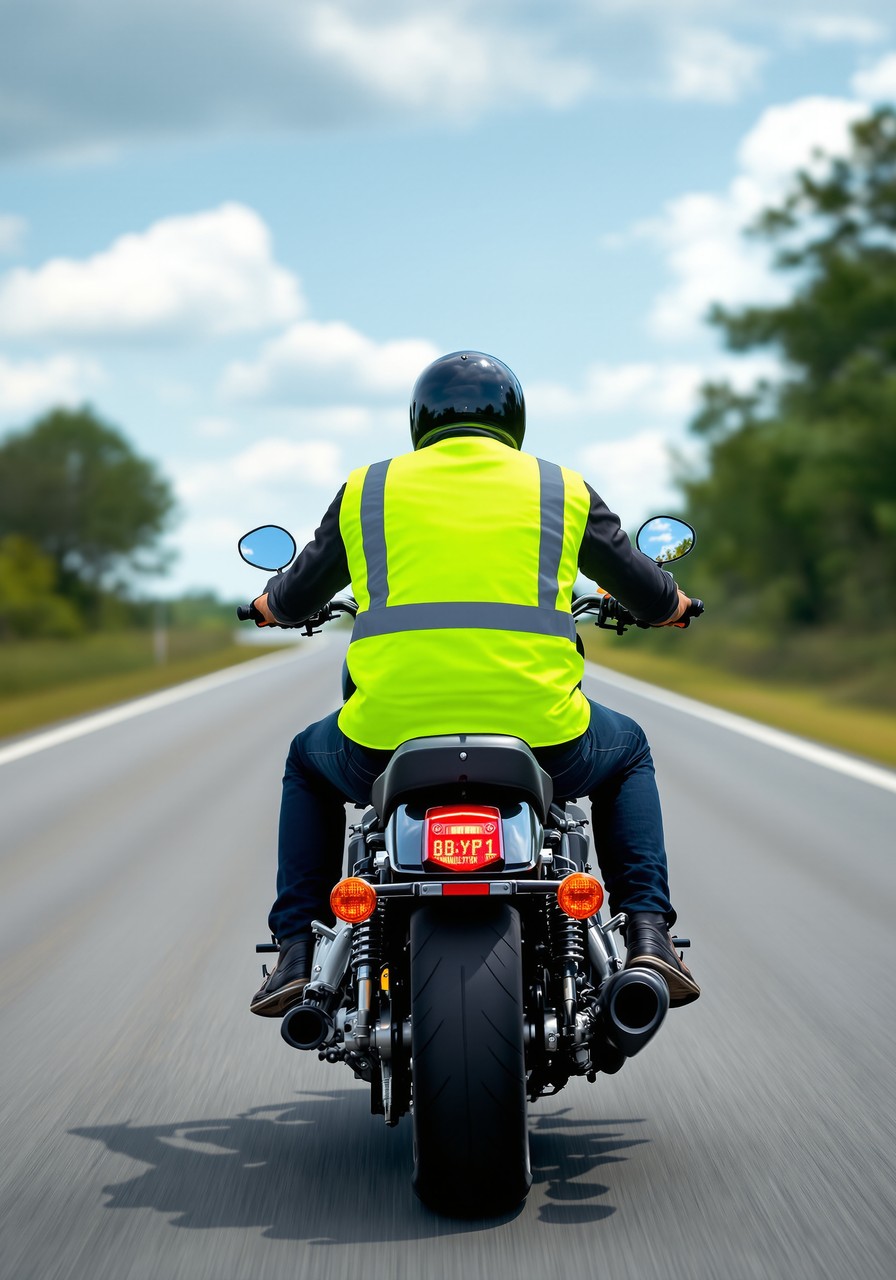
Safety & TX Law
Deer do not check for bikes. On those twisty Central Texas roads, ride at a speed that lets you react. Down after a crash? Glen Larson rides for you. 512-883-0277. #RideNationAustin #RiderSafety #AustinRiders
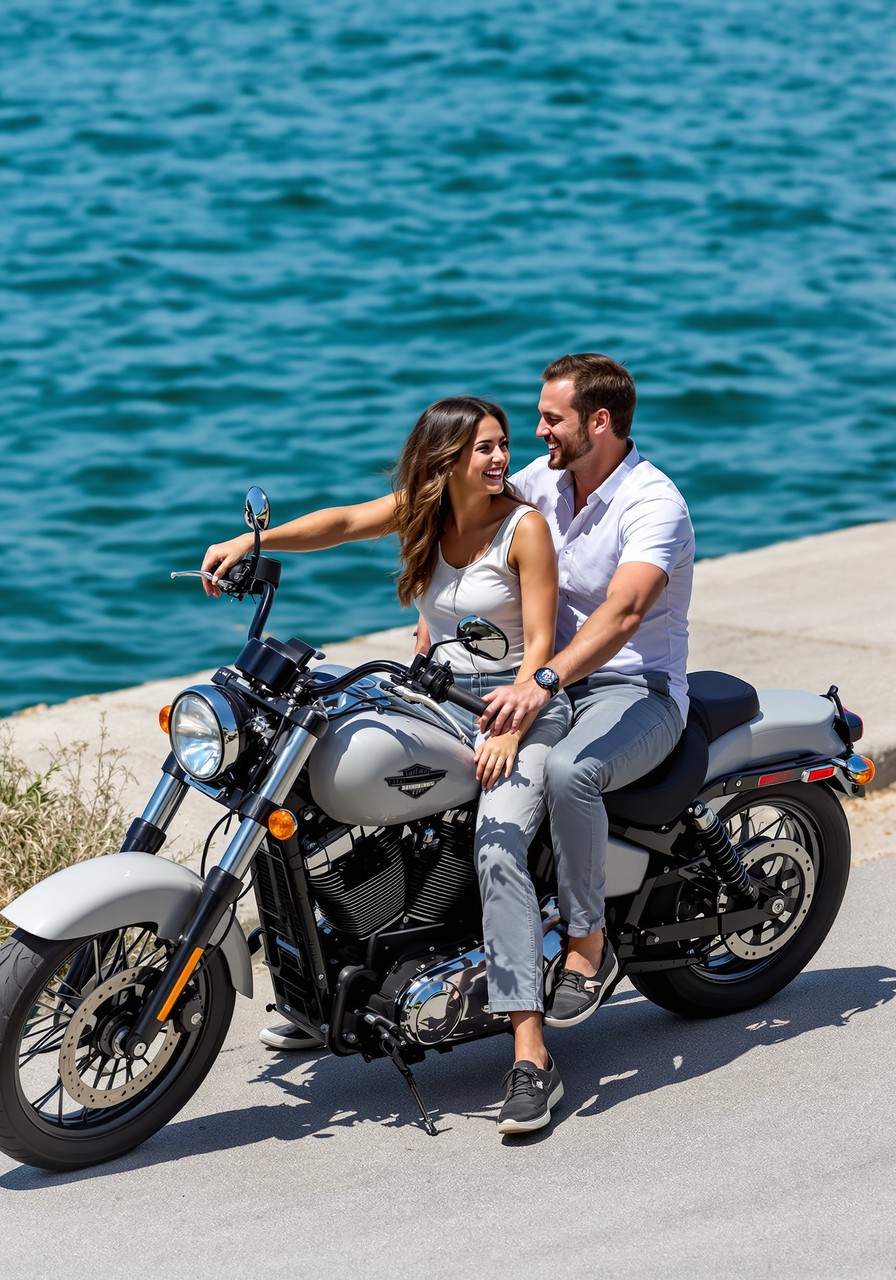
Engagement
This or that: twisty backroads or wide open highway miles. What feeds your soul? #RideNationAustin #HillCountry #TexasRiders
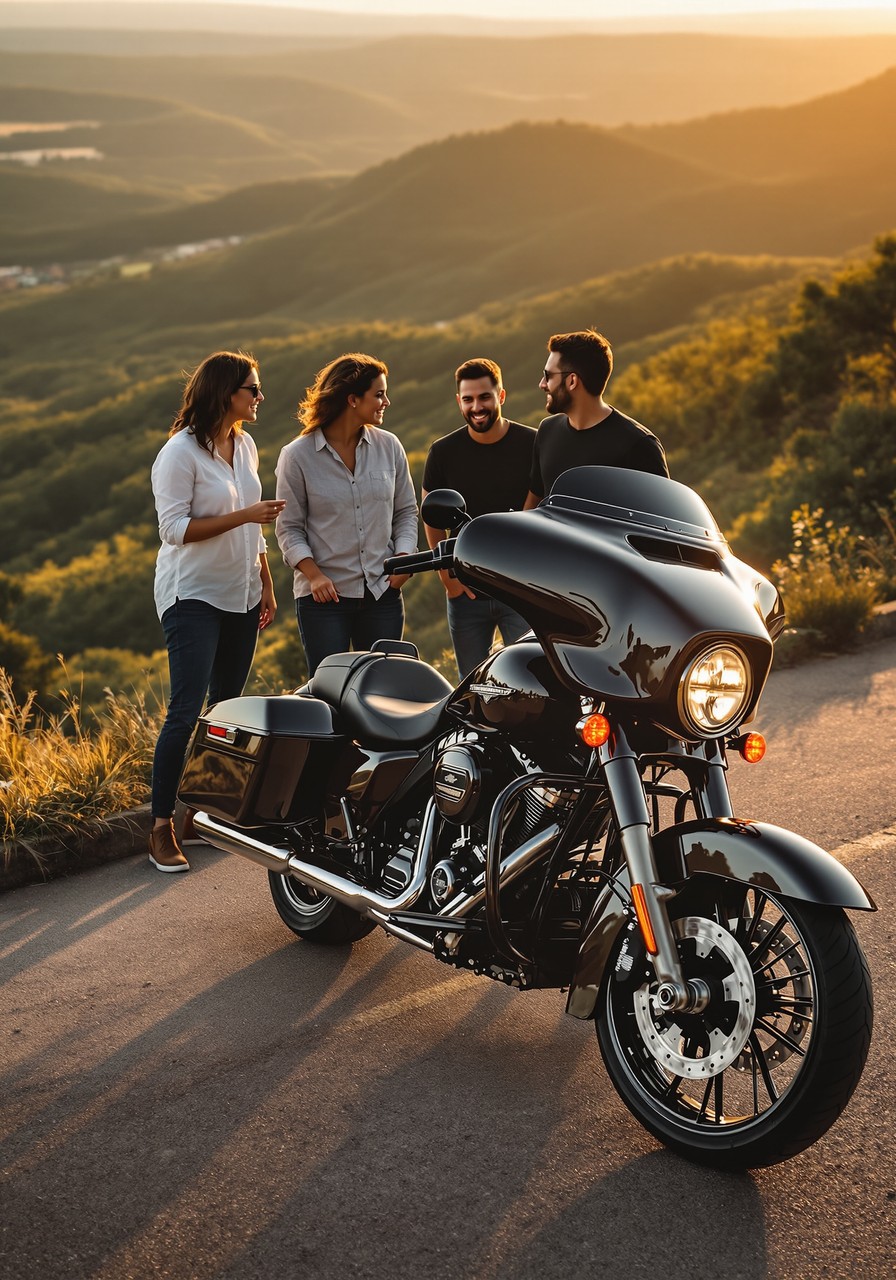
Giveaway & Countdown
January reminder for Ride Nation. Free giveaways for riders keep rolling all year. Stay plugged in so you never miss your shot at a new bike. #RideNationAustin #BikersWin #20kGiveaway
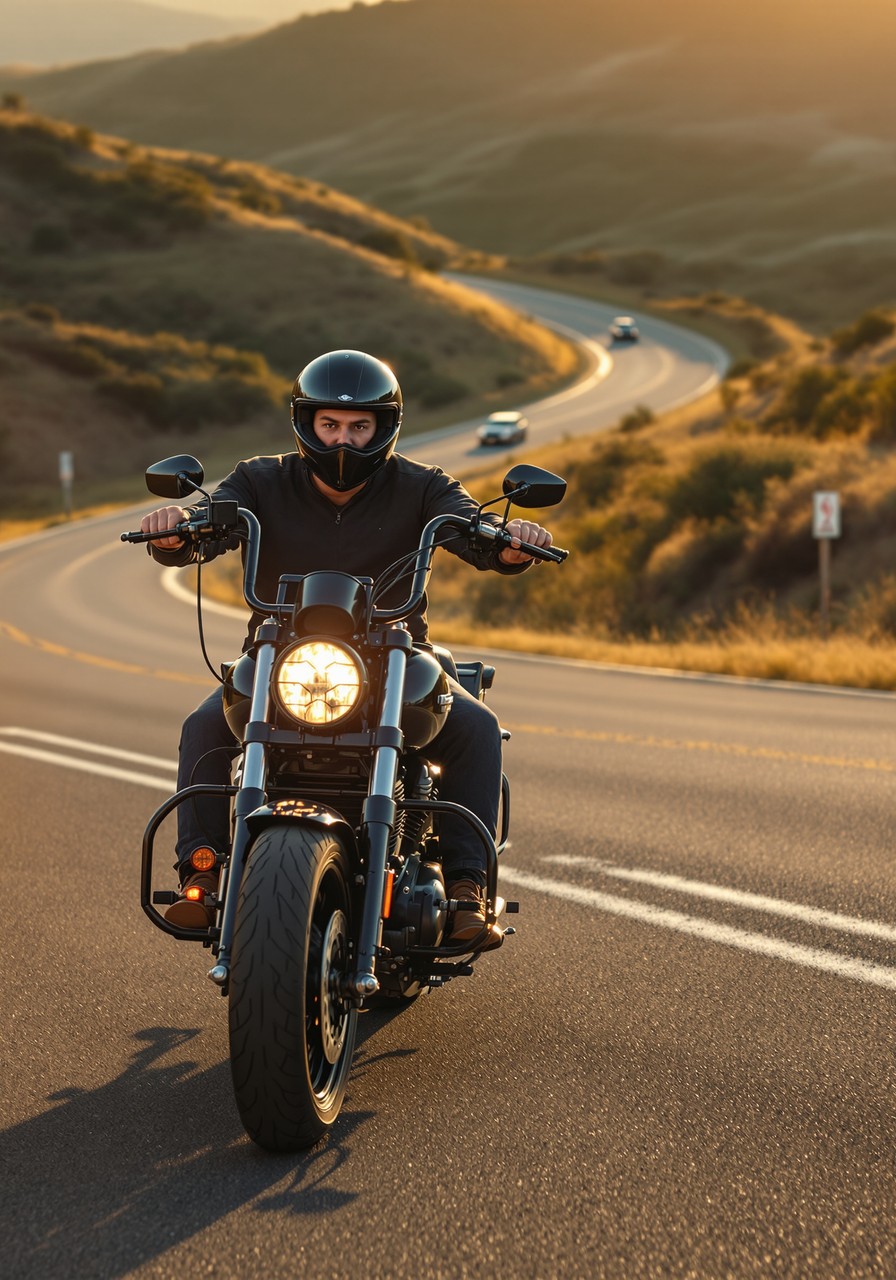
Local TX & Rides
Shaded Hill Country bridges hold frost long after the open road thaws. That little bridge on Hamilton Pool Road stays icy in the trees, so slow before it. #RideNationAustin #HillCountry #AustinRiders
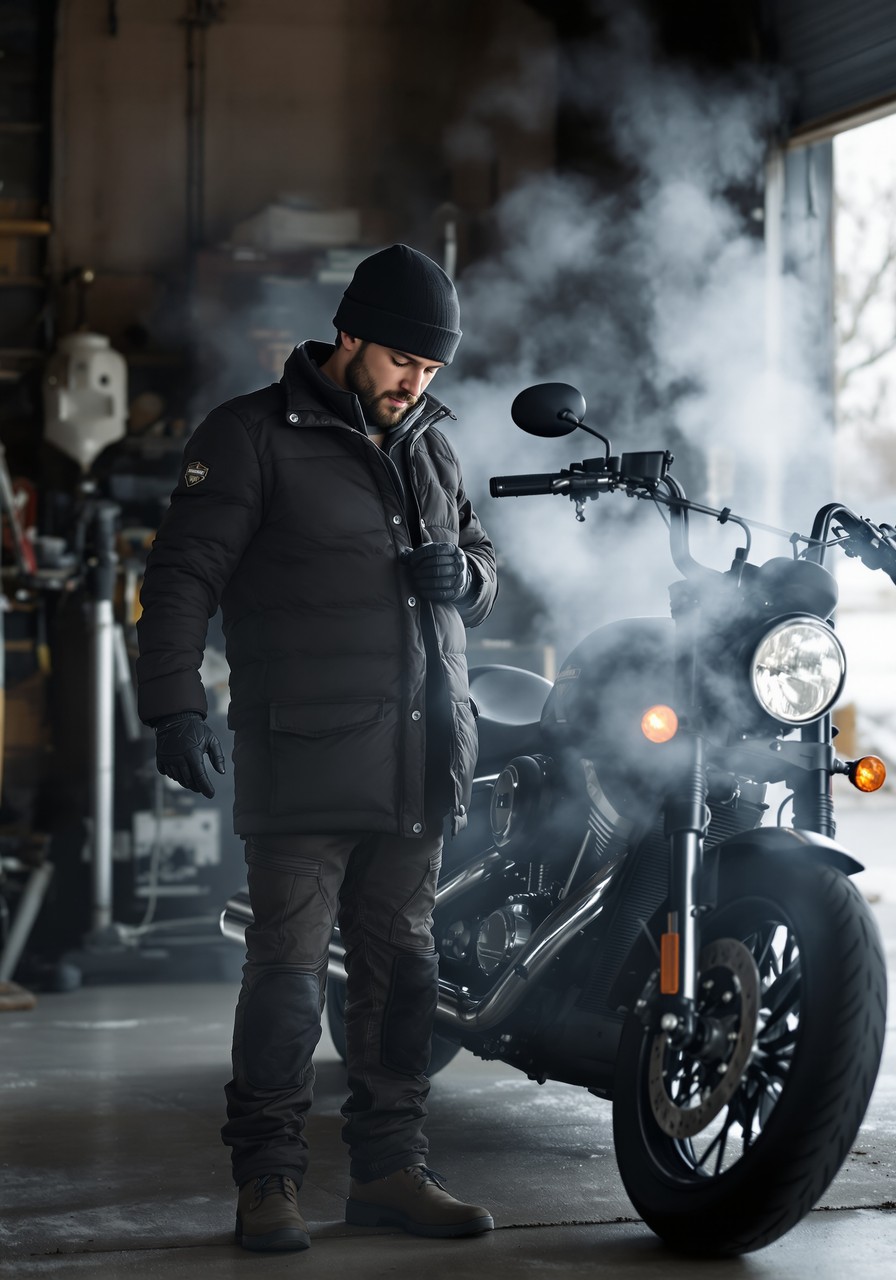
Gear & New Iron
Central Texas low water crossings flood fast and hide the depth. If water is over the road, turn around. A bike and current do not mix. #RideNationAustin #RiderTips #BikerLife
Safety & TX Law
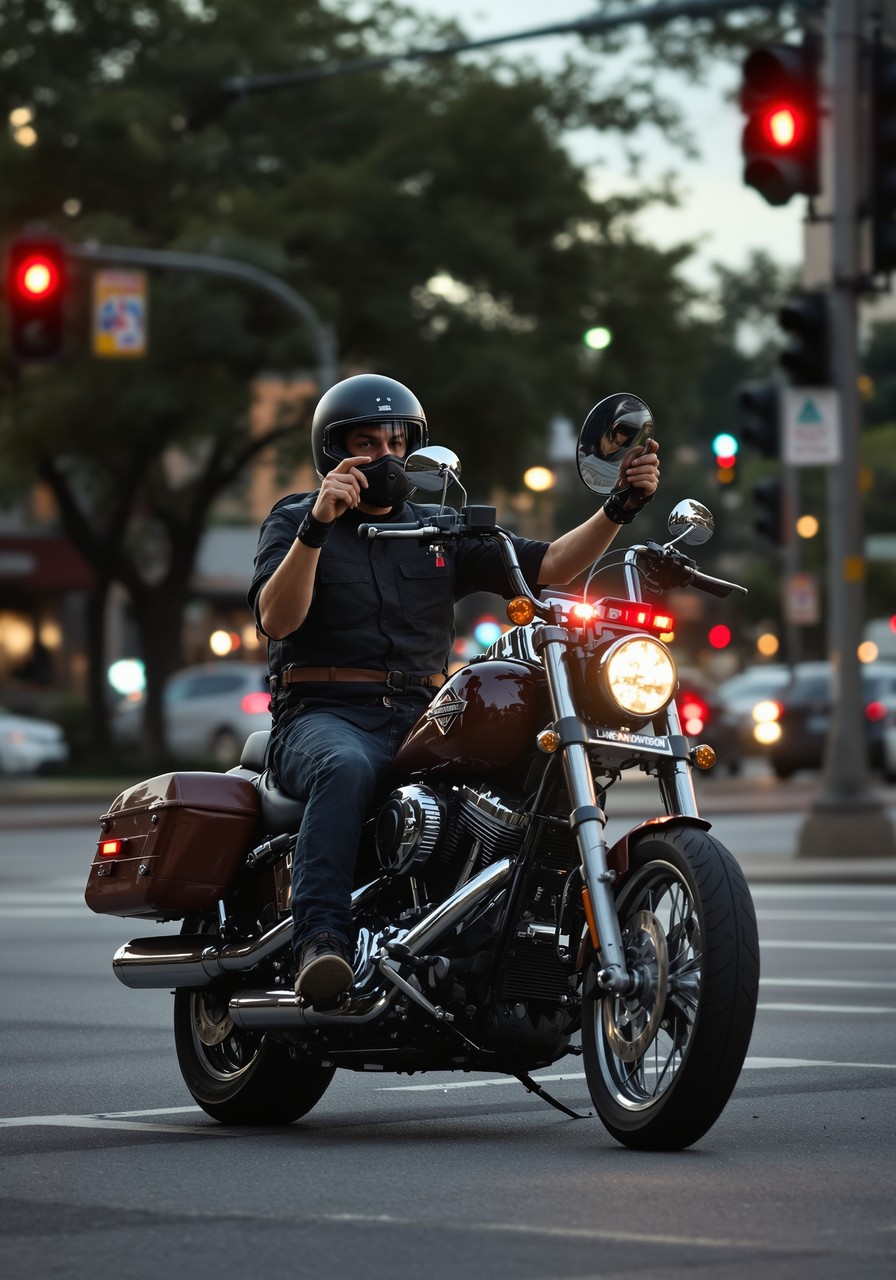
Texas minimum liability tops out at 25,000 dollars for property and 30,000 per person hurt. A bike, an ER visit, and lost work blow past that fast. UM/UIM covers the gap. Questions? Biker Wolfpack Law, 512-883-0277. #RideNationAustin #TexasLaw #UninsuredMotorist
Engagement
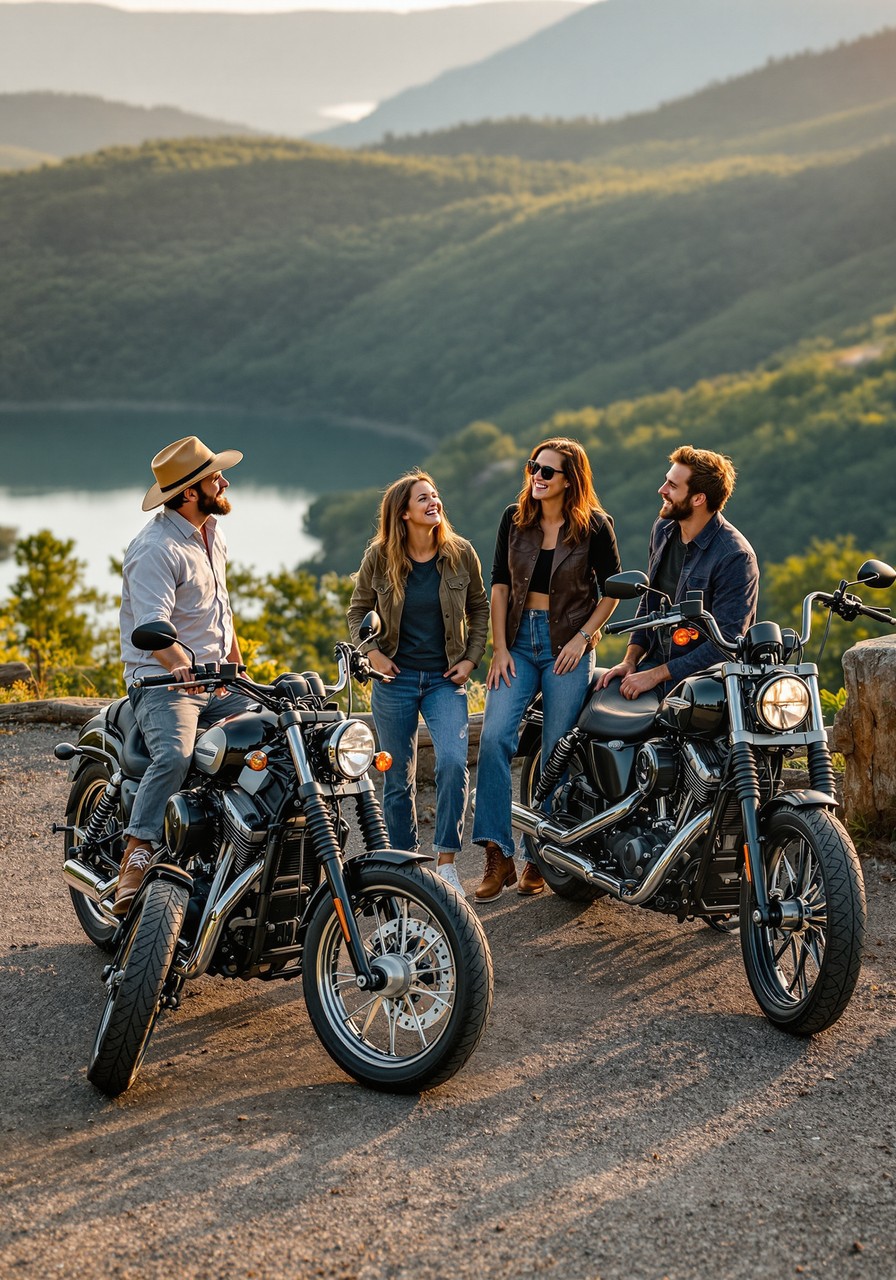
Describe your last ride in one emoji. We will guess the road. #RideNationAustin #ATX #BikerLife
Giveaway & Countdown
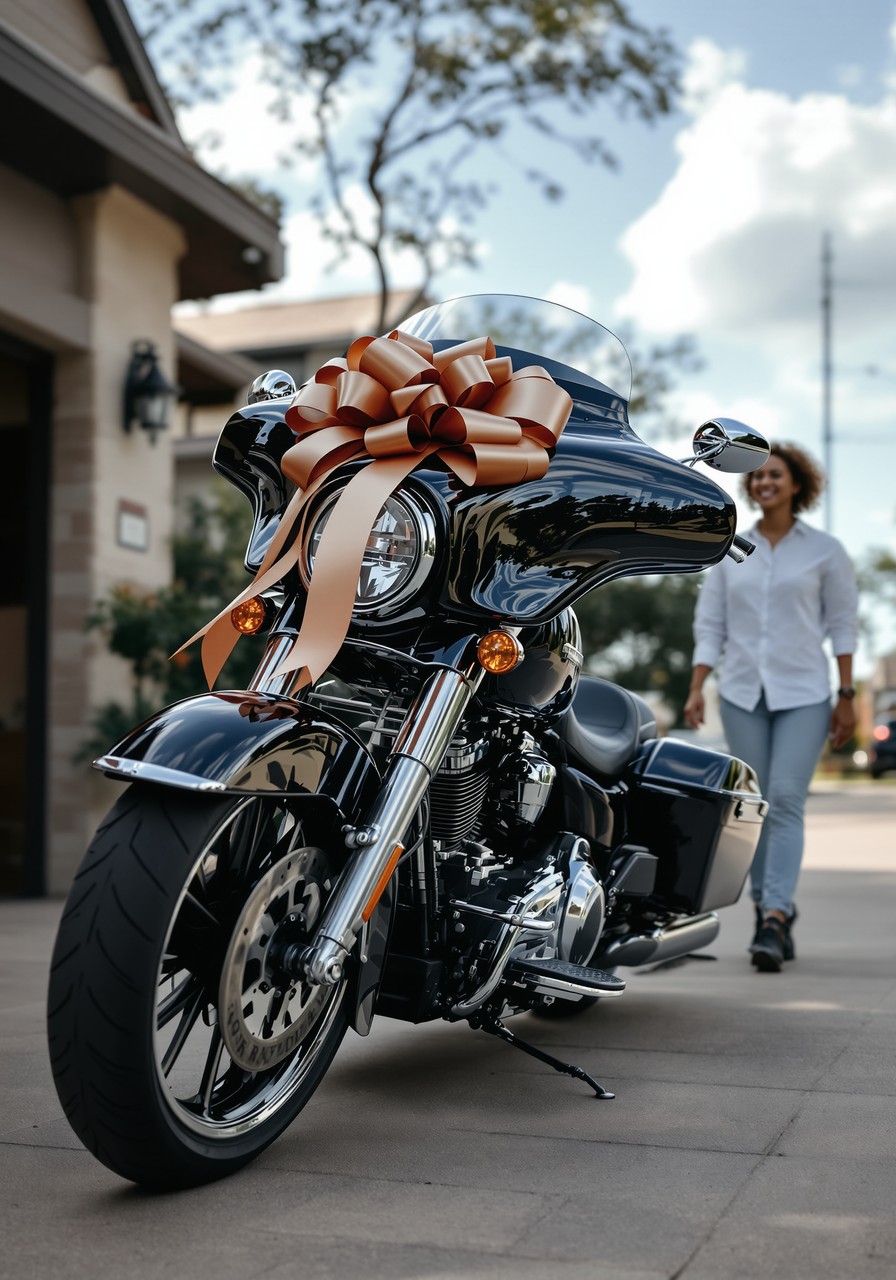
Tag a friend who is still riding the same old bike. When the next giveaway opens, you both want to be entered. Free, every time. #RideNationAustin #WinABike #ATX
Local TX & Rides
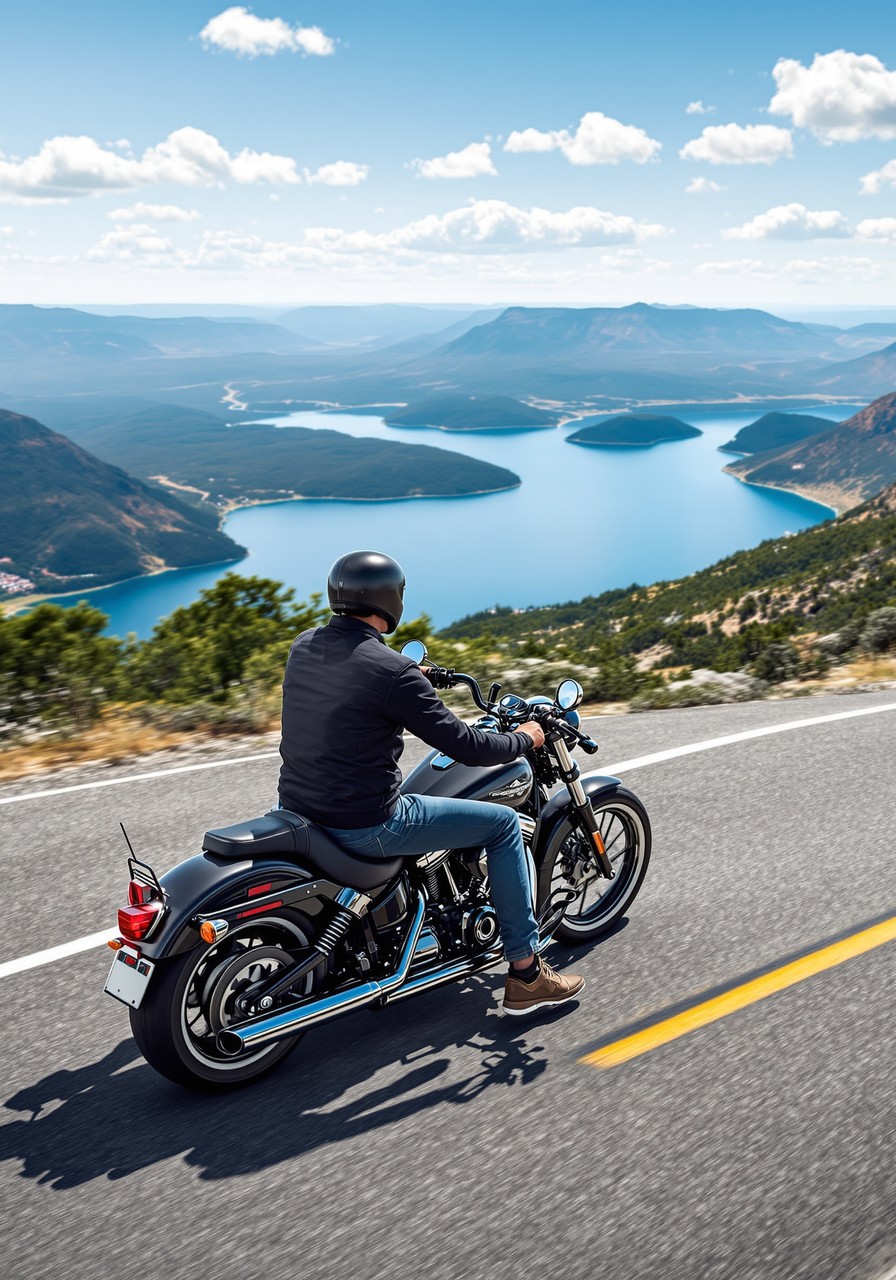
Fredericksburg to Luckenbach on the back roads is a relaxed cruise with good scenery. Take it slow, wave at everybody, and soak in the Hill Country. #RideNationAustin #Fredericksburg #HillCountry
Gear & New Iron
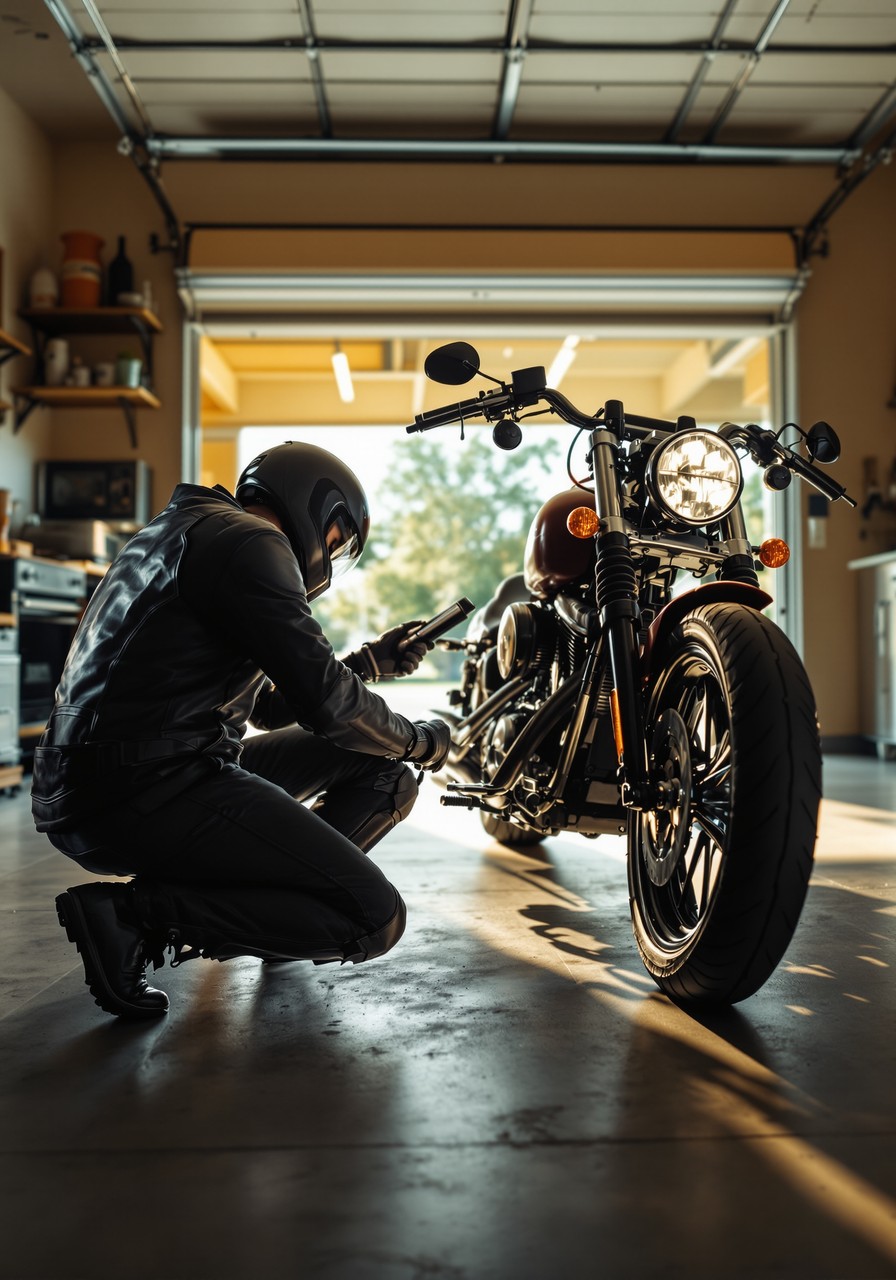
After a wet ride through a crossing, dry the bike and hit the bare metal and chain with protectant. Standing water breeds rust where you cannot see it. #RideNationAustin #MotorcycleMaintenance #RiderTips
Safety & TX Law
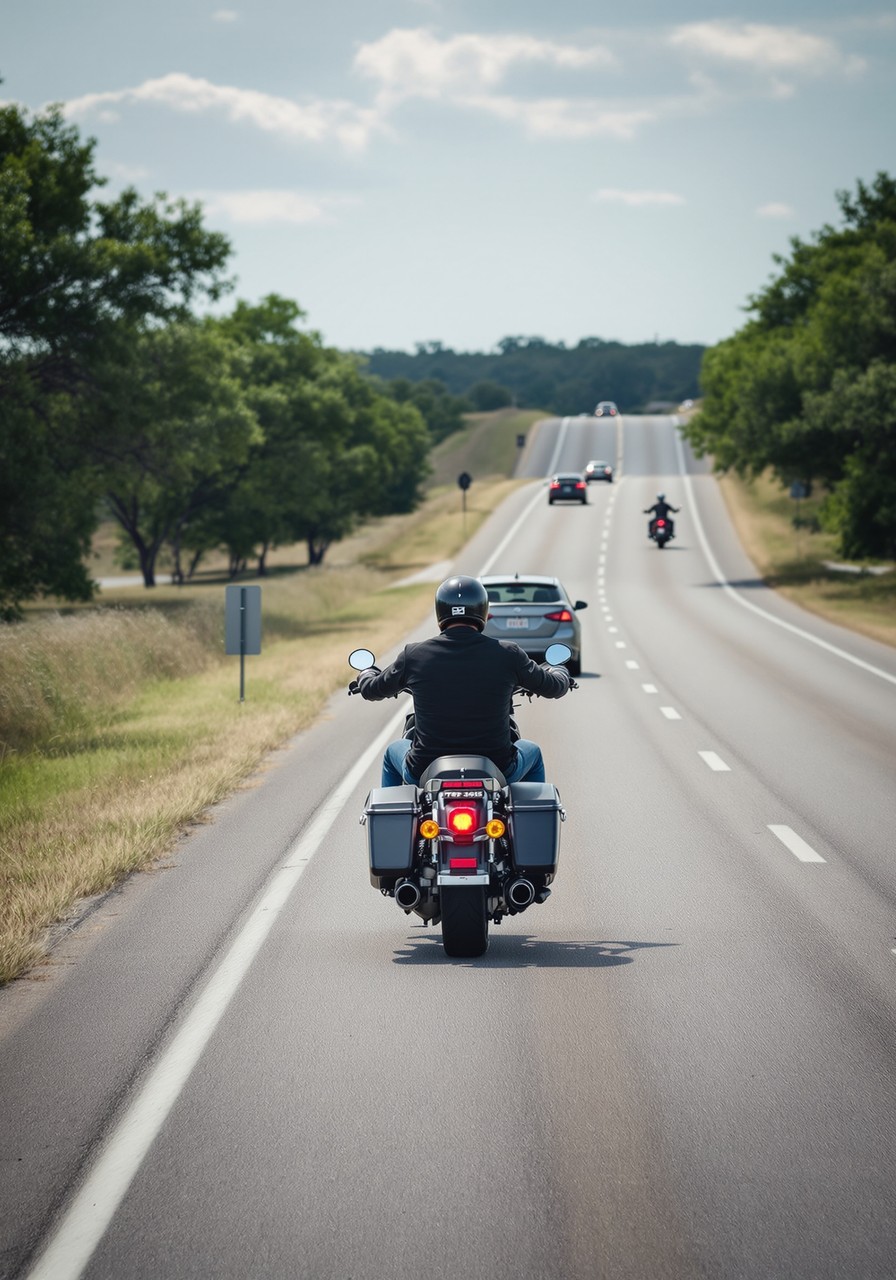
If the driver who hits you carries only state minimums, their policy runs dry before your bills stop. Your UM/UIM is what keeps going. Hurt on two wheels? Glen Larson, no cost to talk. 512-883-0277. #RideNationAustin #UninsuredMotorist #KnowYourRights
Engagement
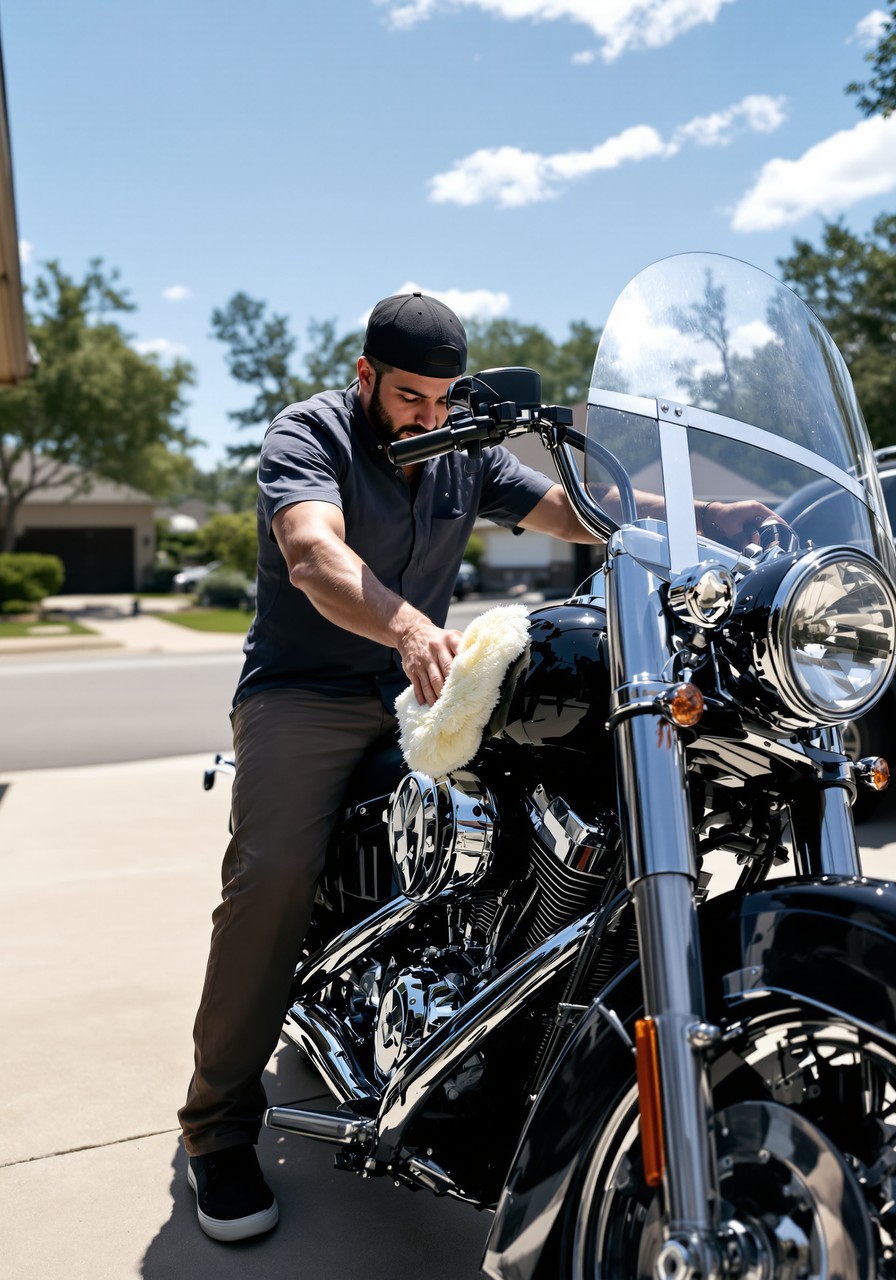
Who is your ride-or-die for a spur of the moment New Year day ride? Tag them. #RideNationAustin #RideOrDie #AustinRiders
Giveaway & Countdown
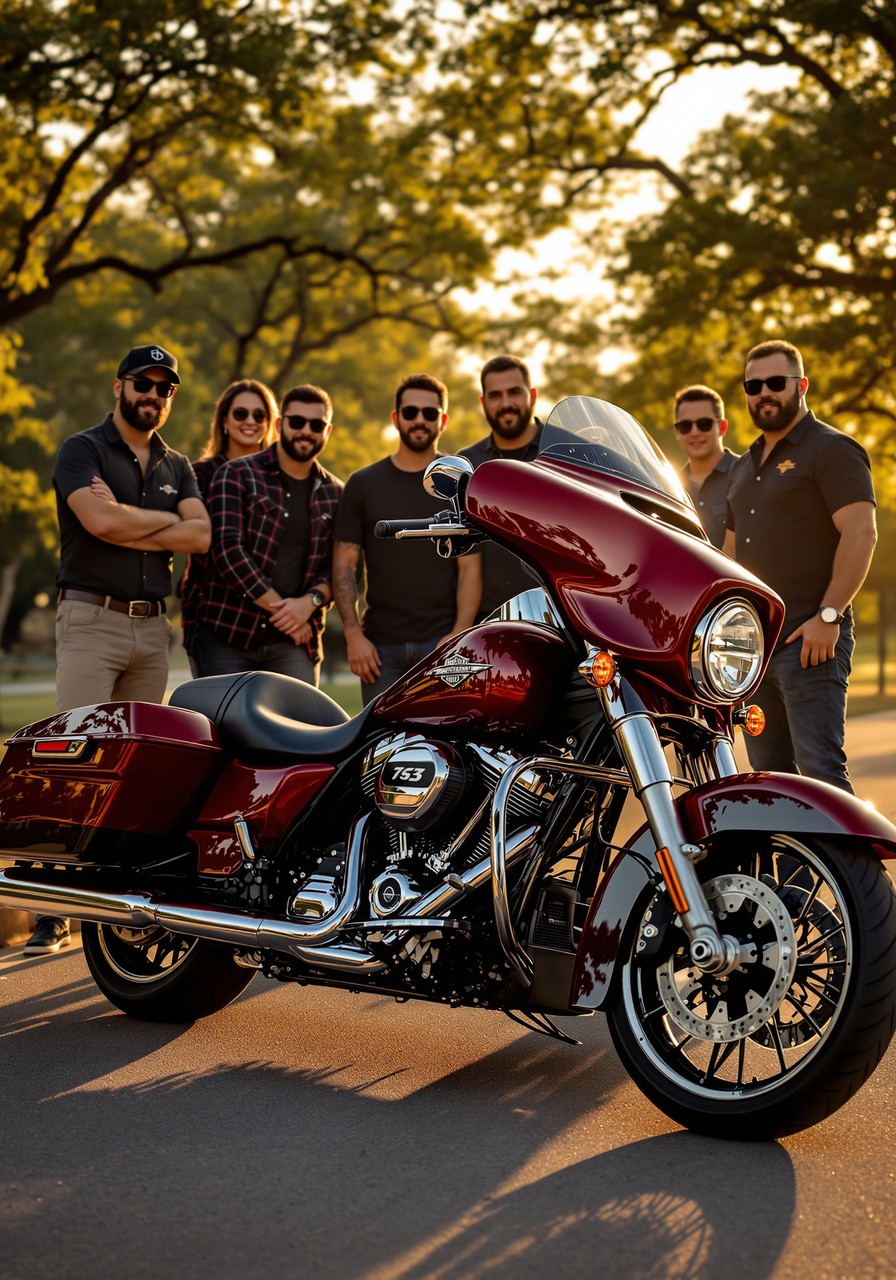
Dreaming of a new ride this year? Keep it simple. Follow Ride Nation Austin, enter the free giveaways, and let the odds do the rest. #RideNationAustin #MotorcycleGiveaway #FreeToEnter
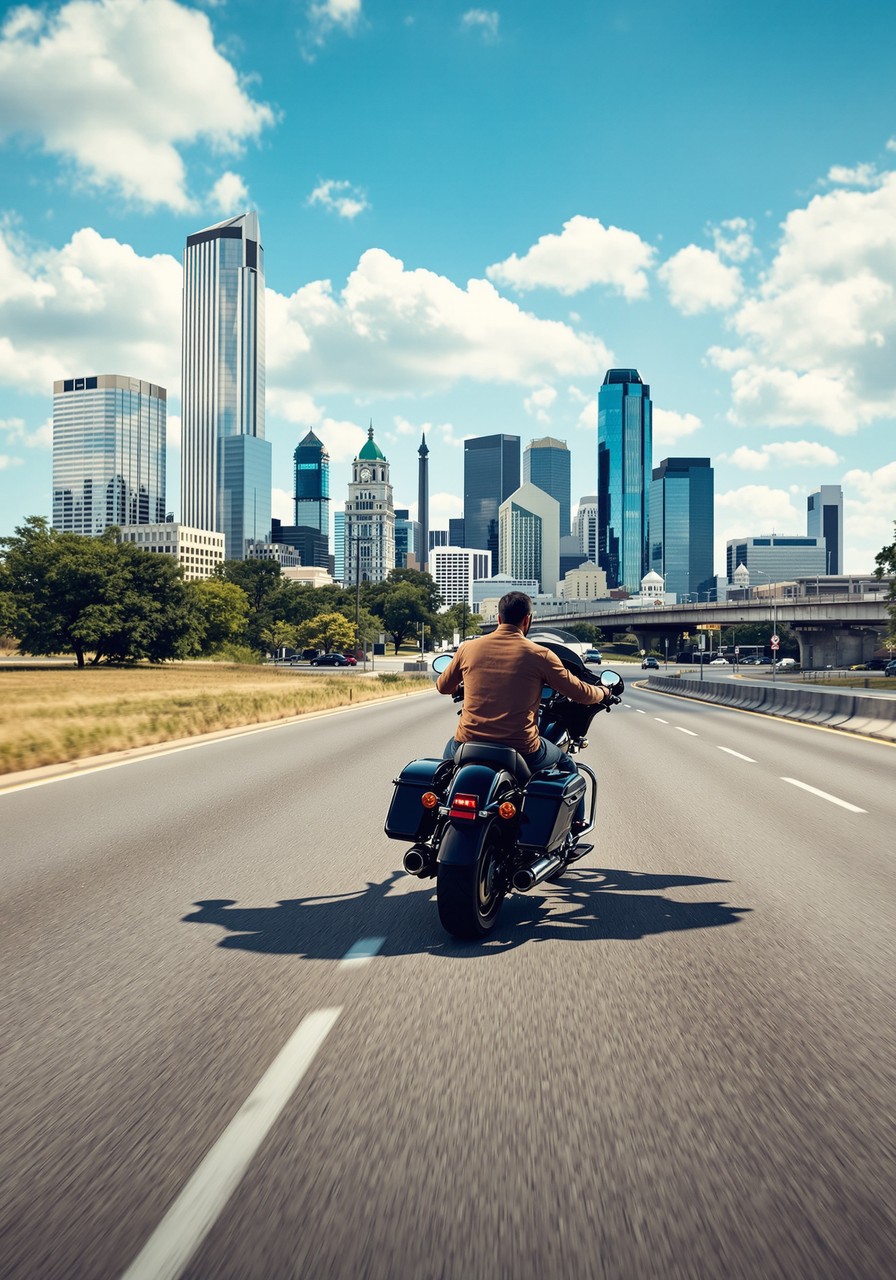
Local TX & Rides
The Willow City Loop shines in the cool months without the spring crowds. Mind the one-lane bridges and blind rises, and let faster traffic by. #RideNationAustin #HillCountry #Fredericksburg
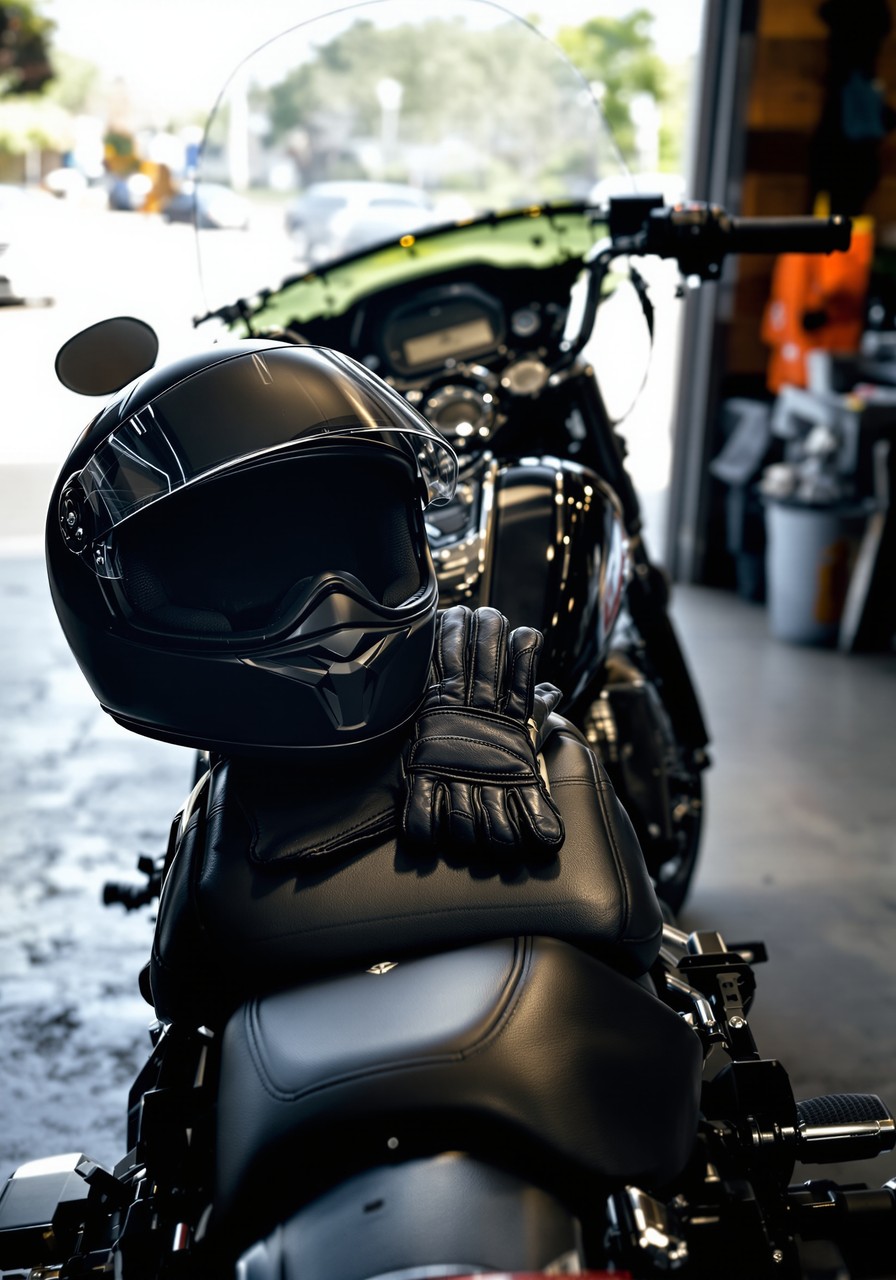
Gear & New Iron
Road salt and grime from a rare Texas freeze eat at your chain and brakes. Rinse the bike after a cold snap ride so the crud does not sit. #RideNationAustin #MotorcycleMaintenance #RiderTips
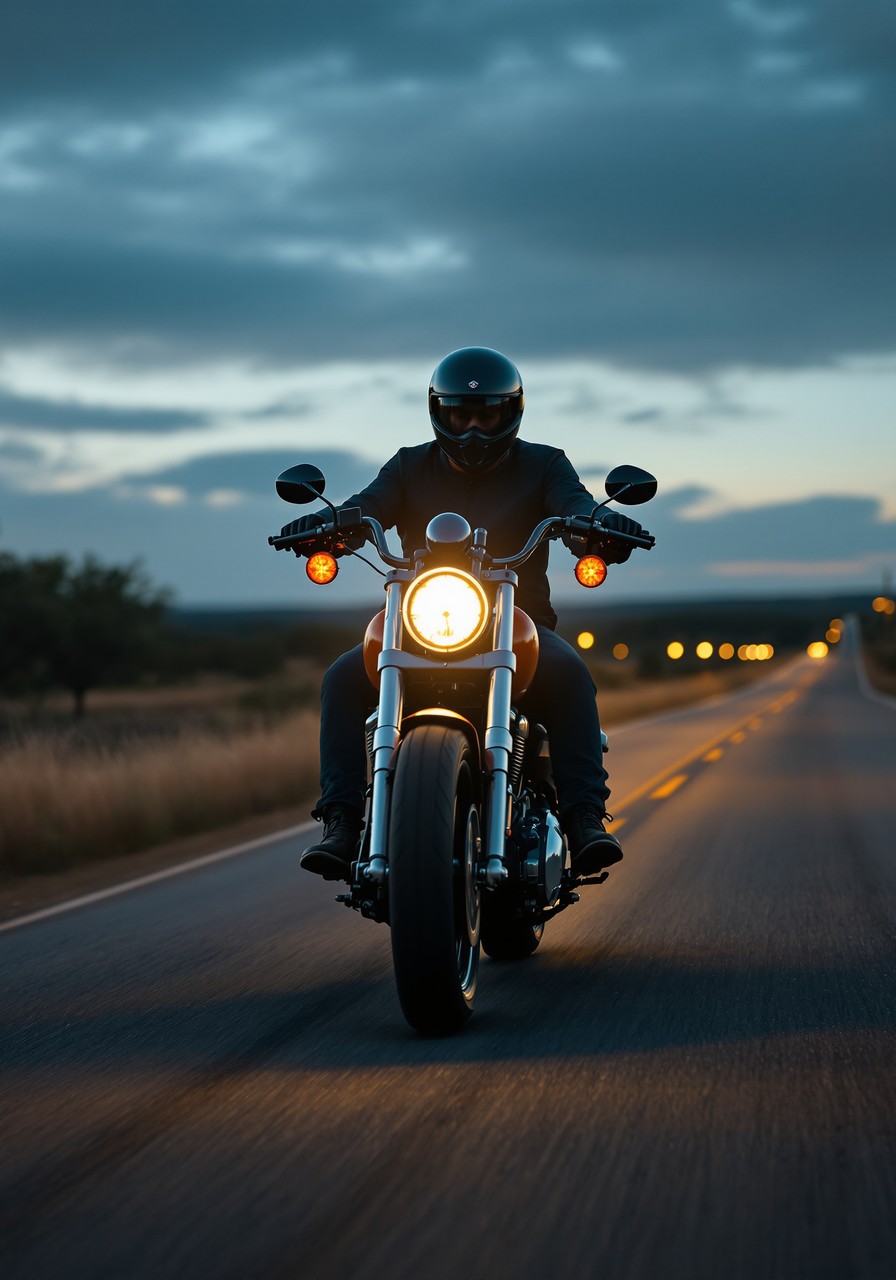
Safety & TX Law
In Texas, a small share of blame can shrink your recovery, and too much wipes it out. Photos, names, and a police report protect you. Need a hand after a wreck? Biker Wolfpack Law, 512-883-0277. #RideNationAustin #TexasLaw #KnowYourRights
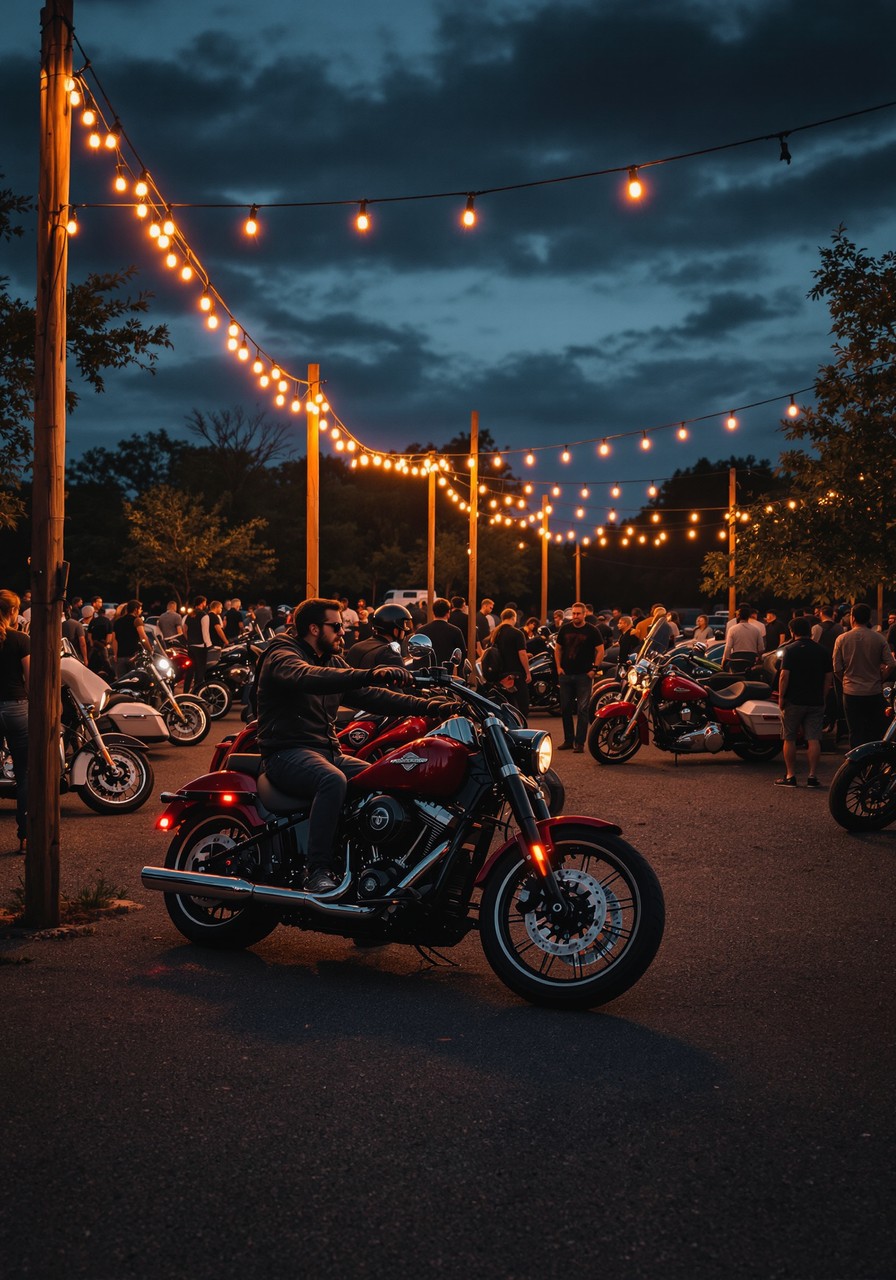
Engagement
Fill in the blank: the 360 Bridge hits different when ______. #RideNationAustin #ATX #TwoWheels
Giveaway & Countdown
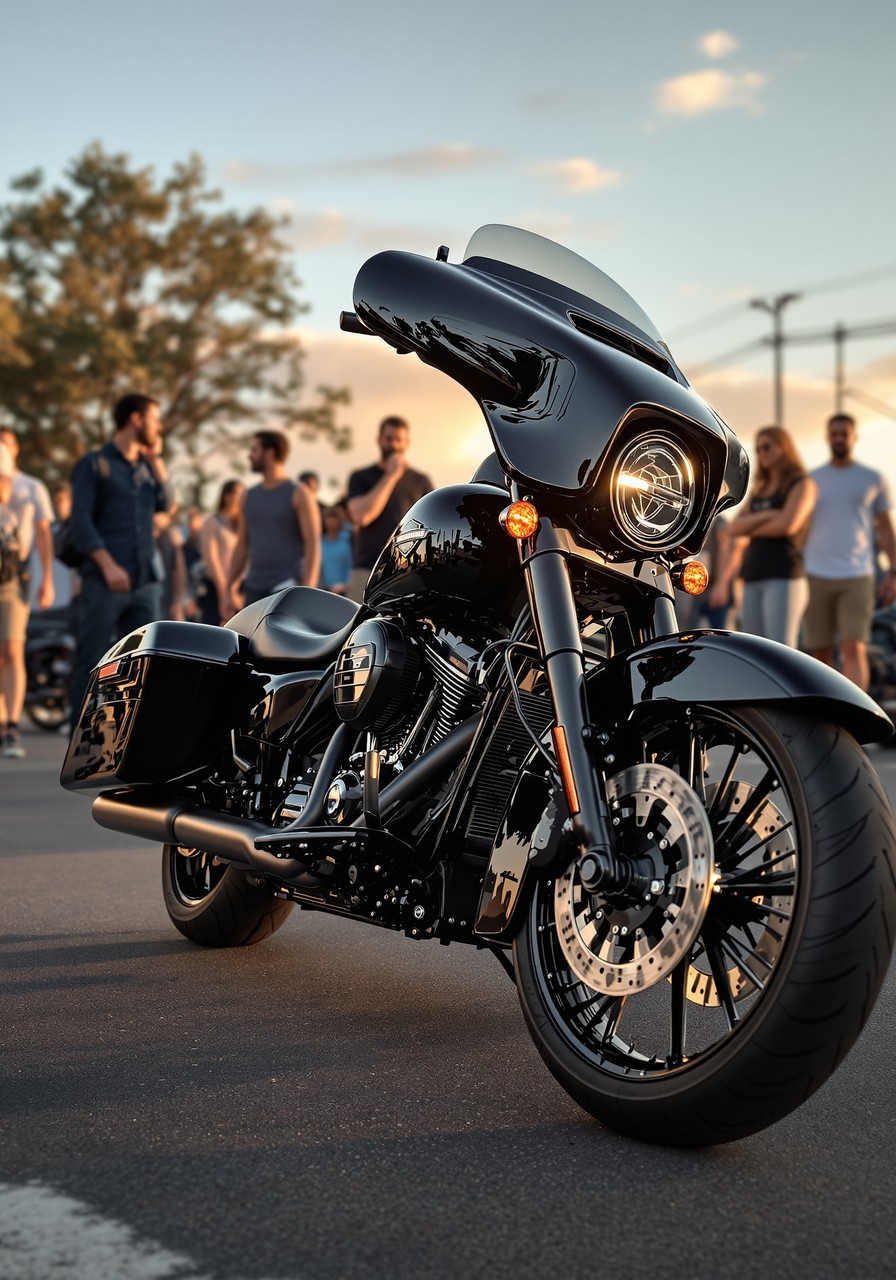
We put $20,000 toward one rider's dream bike last month. Who is next? Stay entered and stay ready, Ride Nation. Biker Wolfpack Law, 512-883-0277. #RideNationAustin #BikersWin #AustinRiders
Local TX & Rides
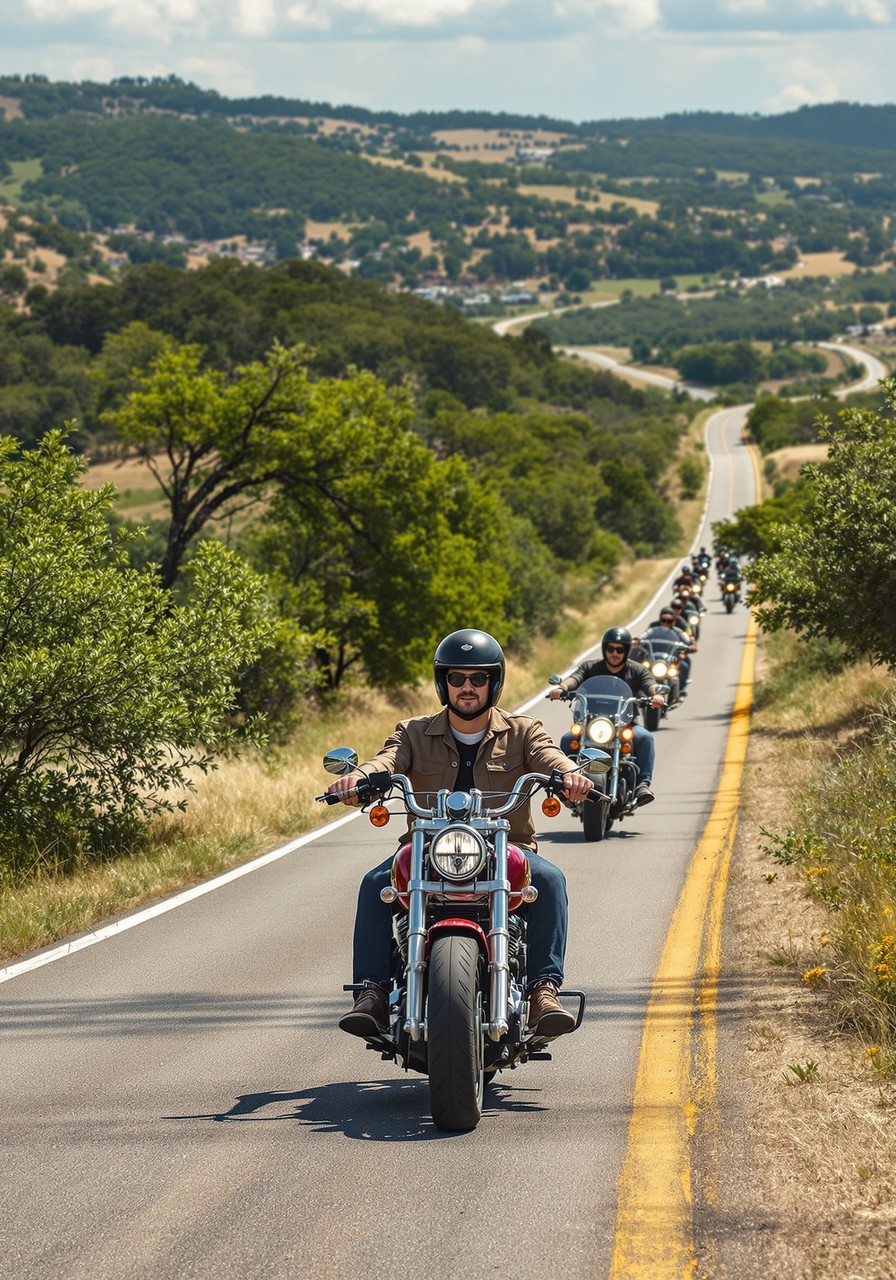
Rain the night before means low-water crossings on the Pedernales are running this morning. If you cannot see the pavement under the water, do not chance it. #RideNationAustin #HillCountry #TexasRiding
Gear & New Iron
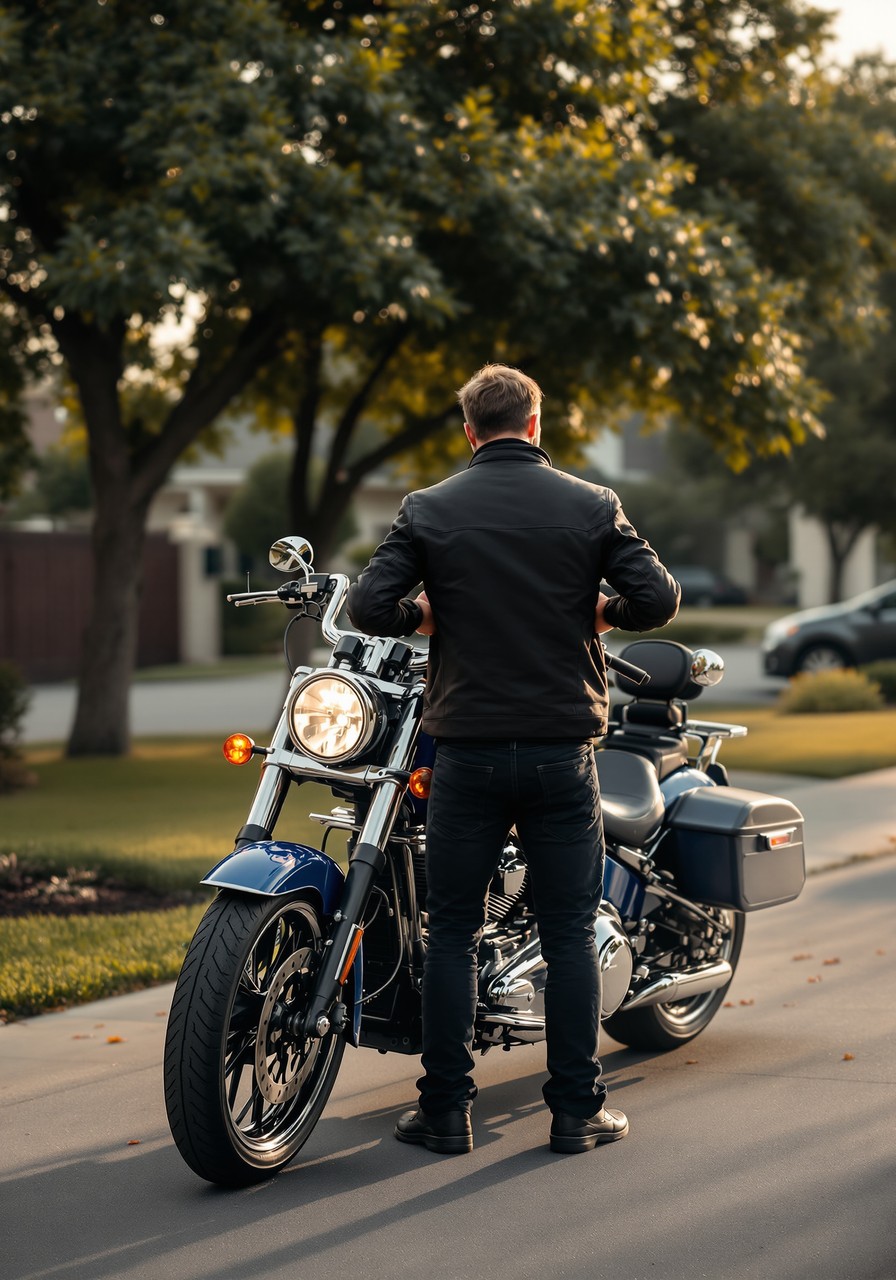
New iron temptation is real, but a fresh bike deserves a proper break in. Vary the revs, avoid lugging, and change that first oil early. #RideNationAustin #NewIron #RiderTips
Safety & TX Law
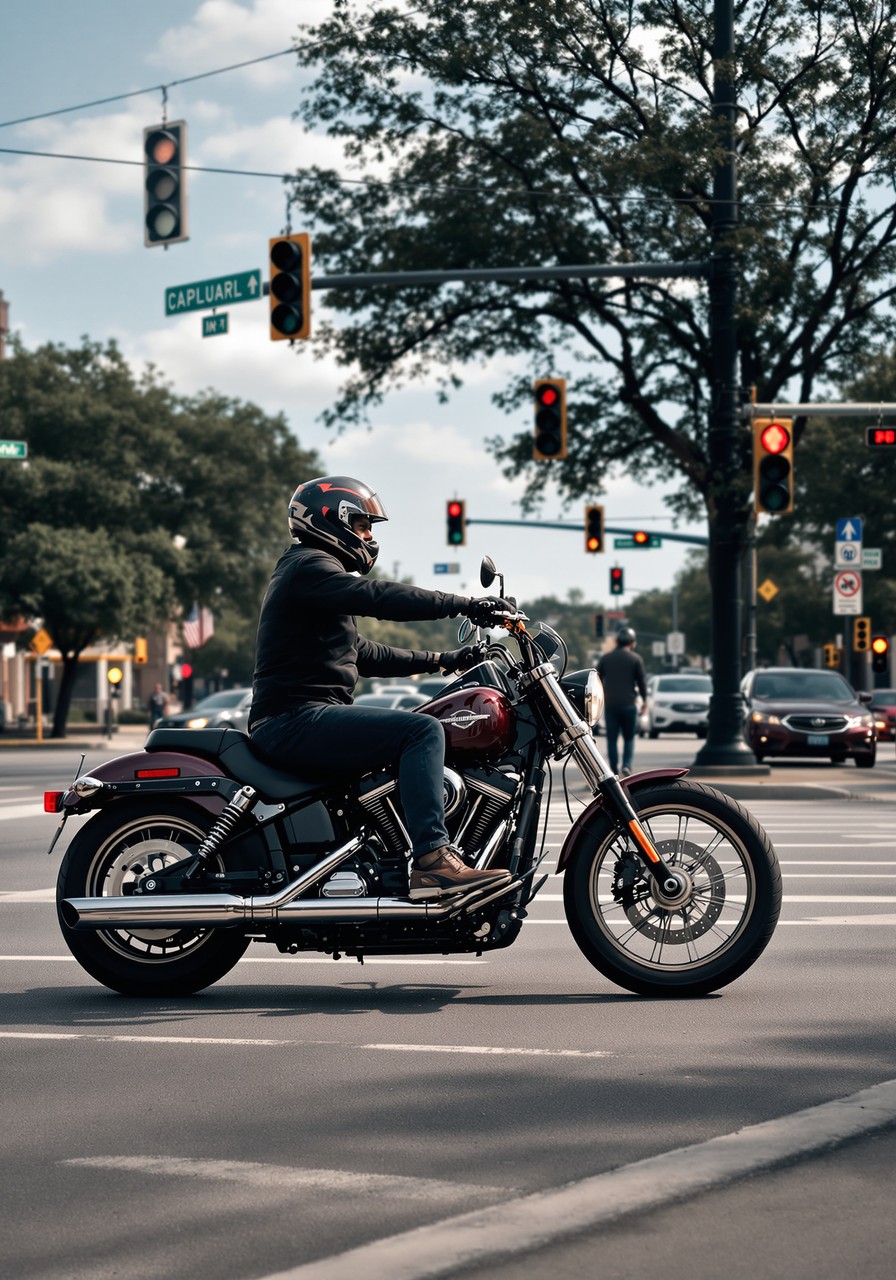
After a crash, get the report, snap photos, and get names before anyone leaves. In Texas that record can decide your whole claim. Not sure what to do next? Glen Larson, free call. 512-883-0277. #RideNationAustin #KnowYourRights #RiderSafety
Engagement
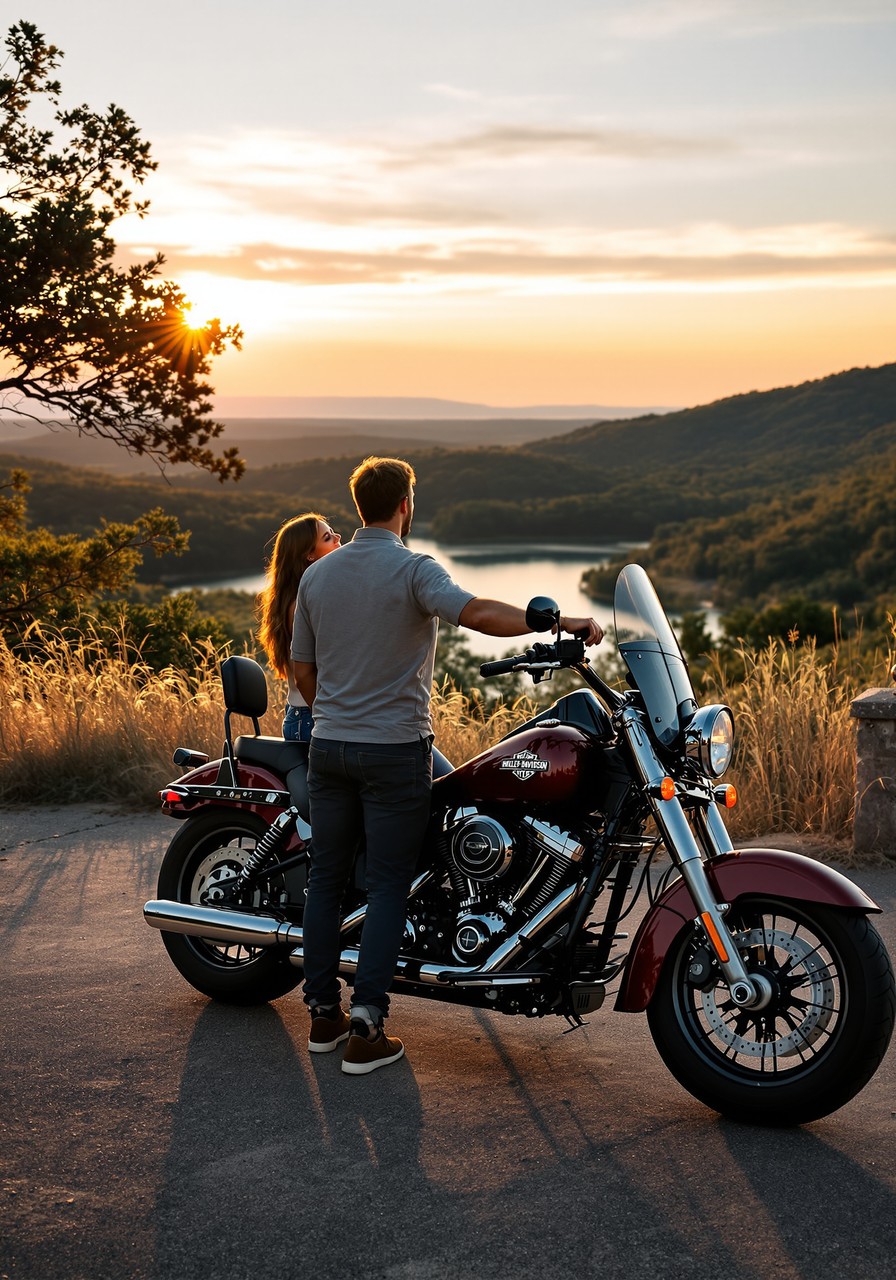
Poll: do you ride in the rain or park it and wait? Honest answers only. #RideNationAustin #TexasRiders #BikerLife
Giveaway & Countdown
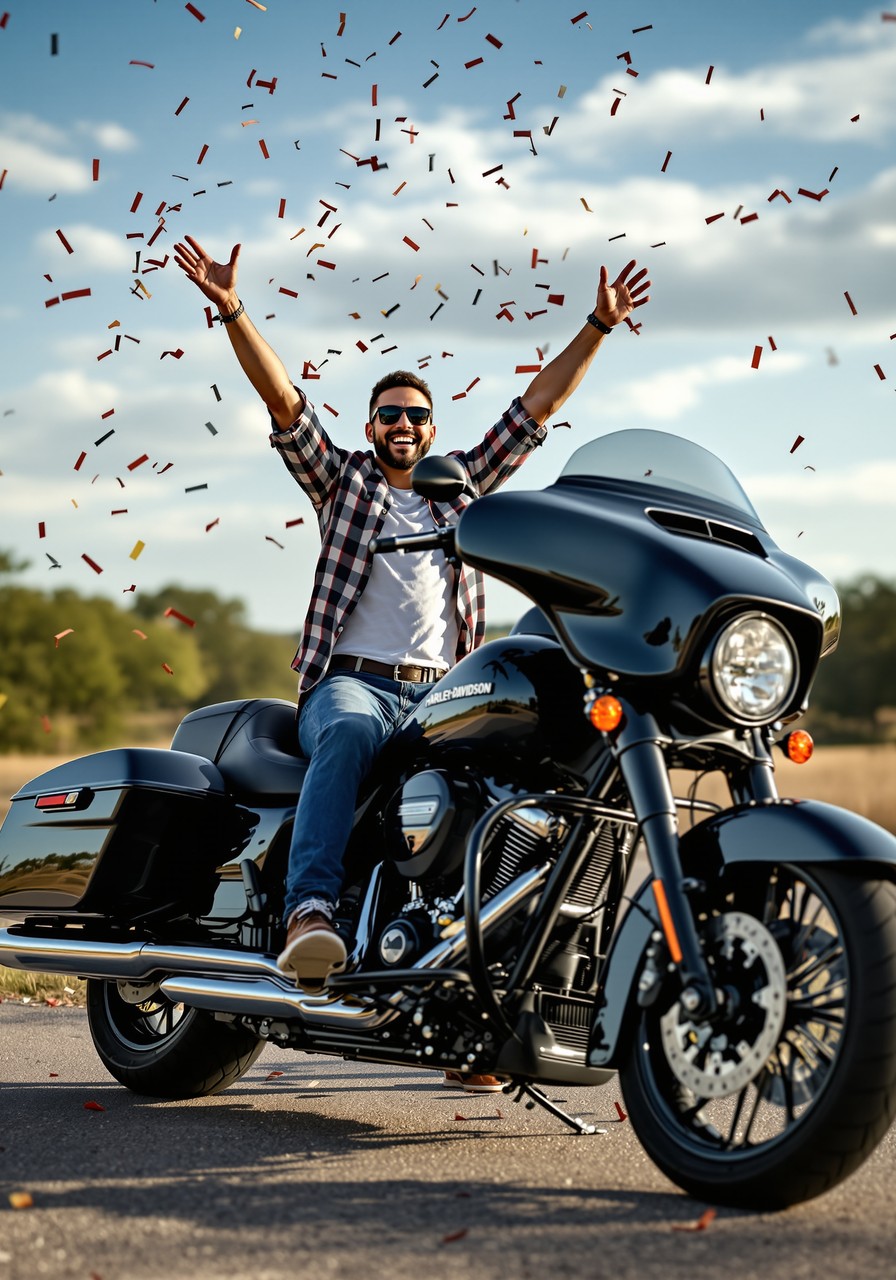
Cold weather, warm plans. Map out the bike you want, then be first in line when the next free giveaway opens. Follow along. #RideNationAustin #WinABike #20kGiveaway
Local TX & Rides
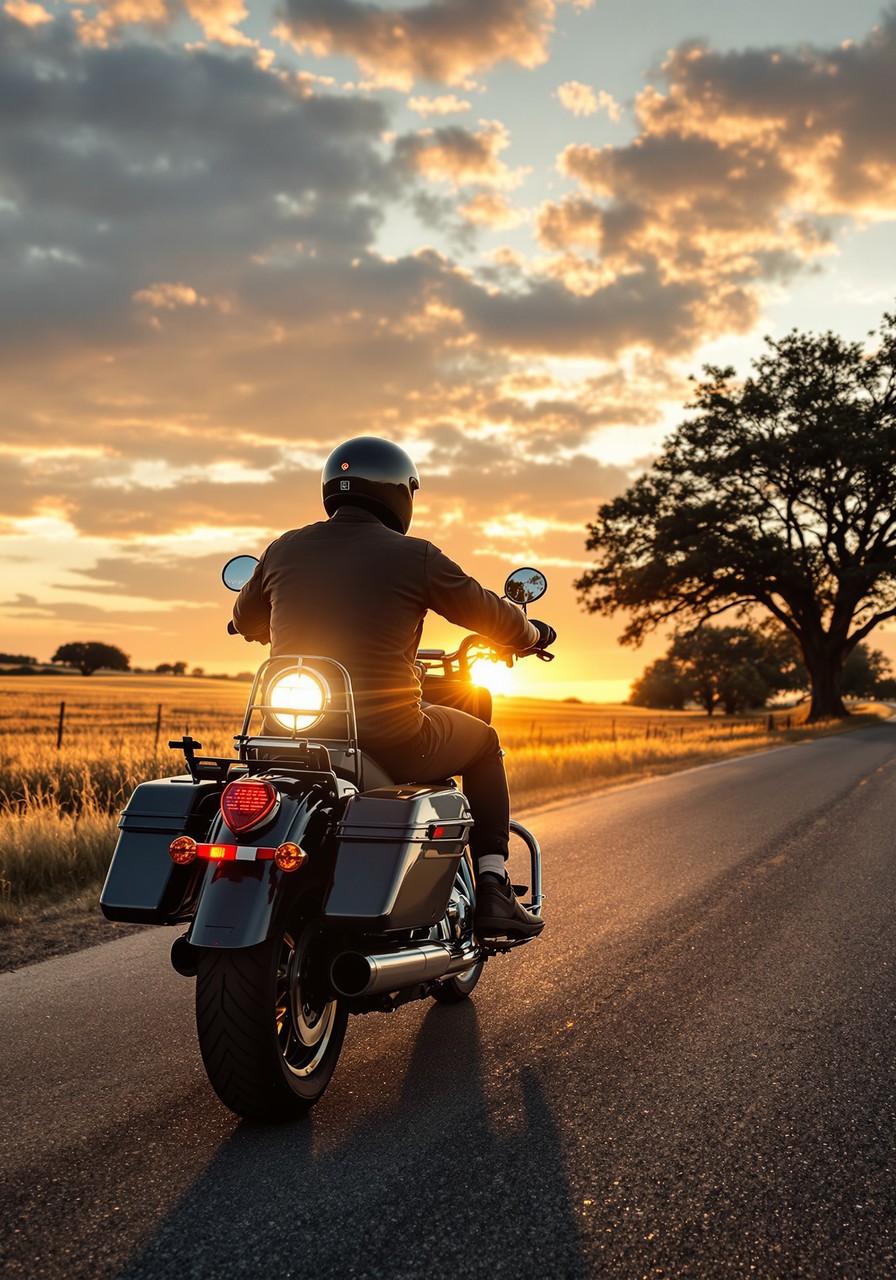
Dripping Springs out to the Devil's Backbone is a great half-day loop. Fuel up in town, then enjoy the ridgeline on RR 32. #RideNationAustin #HillCountry #TexasRiding
Gear & New Iron
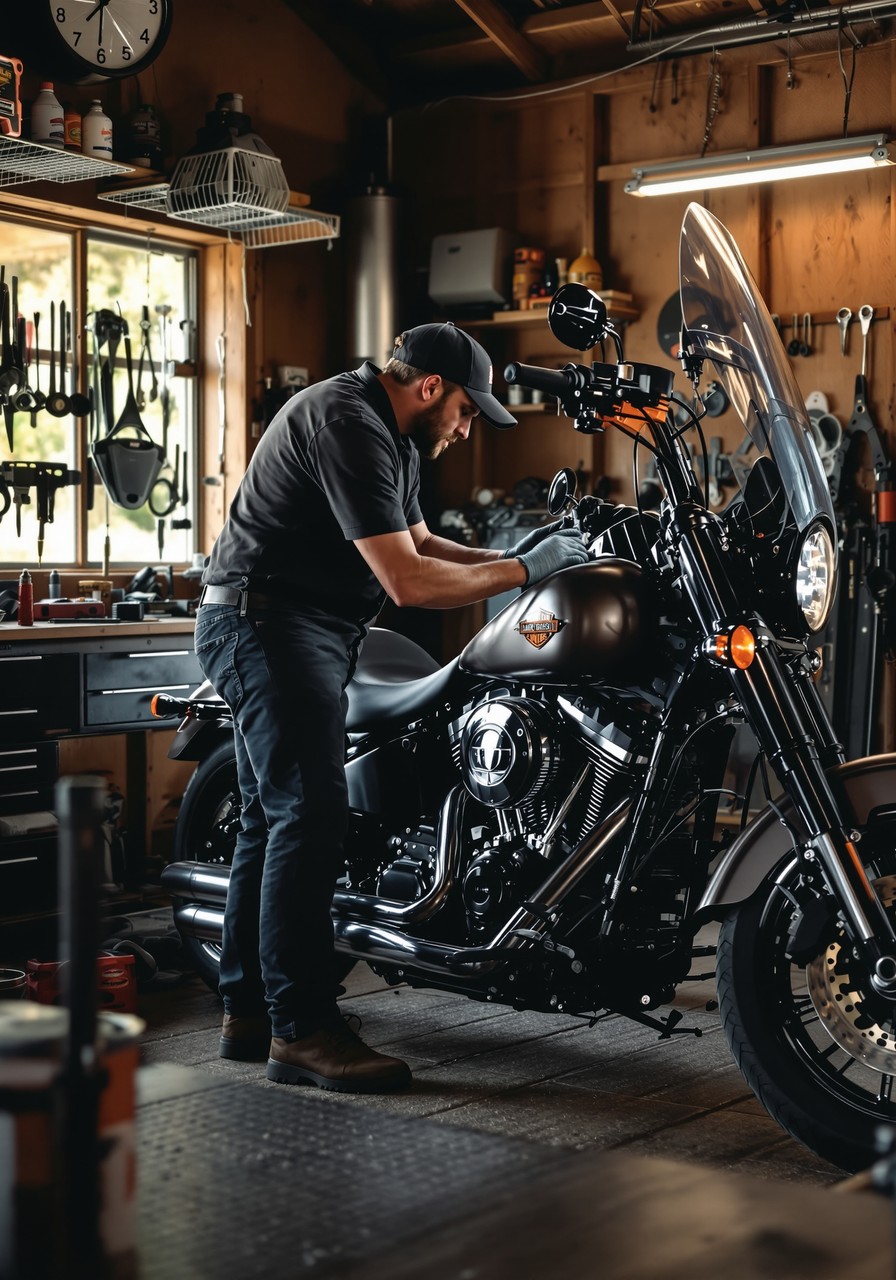
Thinking about a new model this year. Sit on it, reach the bars and pegs, and flat foot it before you fall for the spec sheet. Fit beats horsepower. #RideNationAustin #NewIron #BikerLife
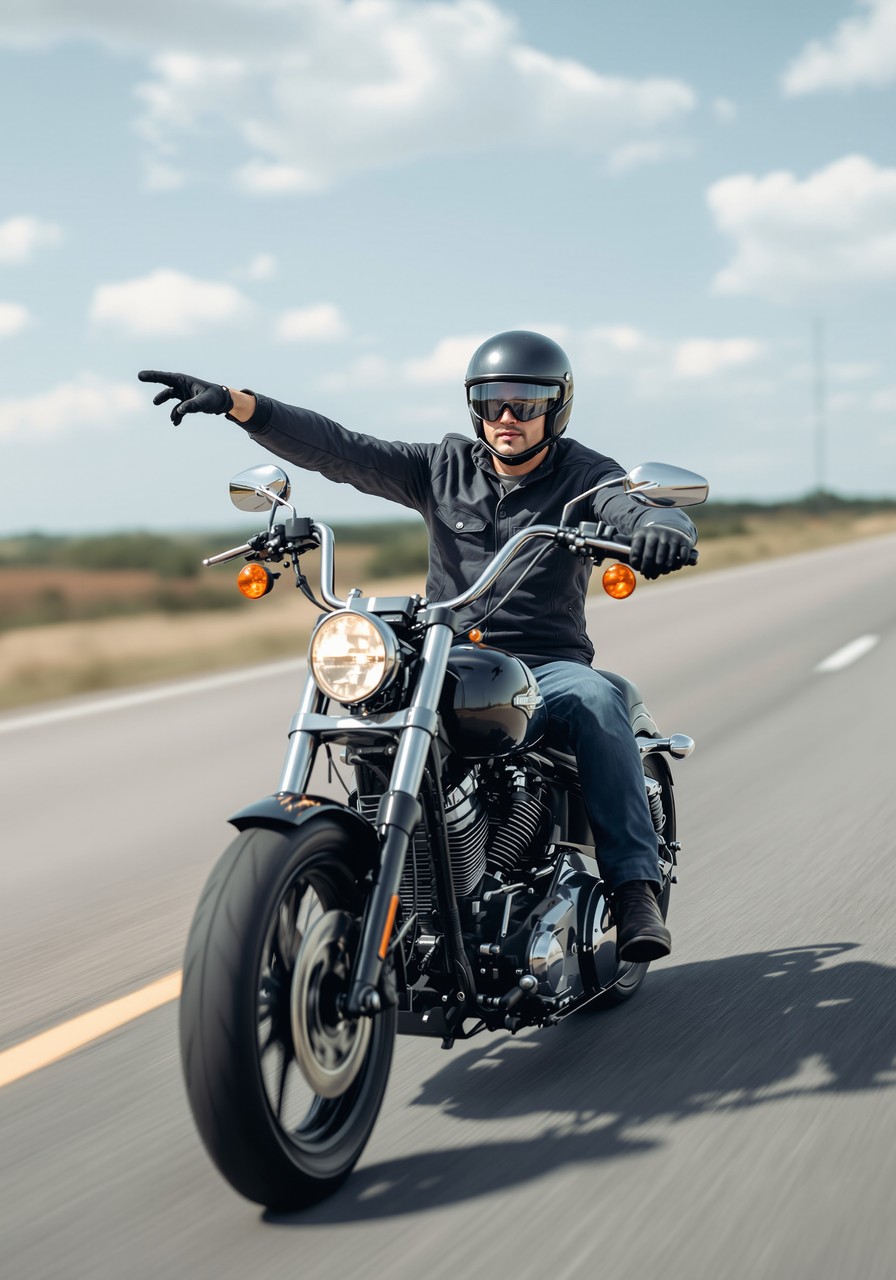
Safety & TX Law
Skipping the helmet legally in Texas means you carry a safety course card or real medical coverage. Keep the proof handy. Hurt out there? Biker Wolfpack Law, no cost to talk. 512-883-0277. #RideNationAustin #TexasLaw #RiderSafety
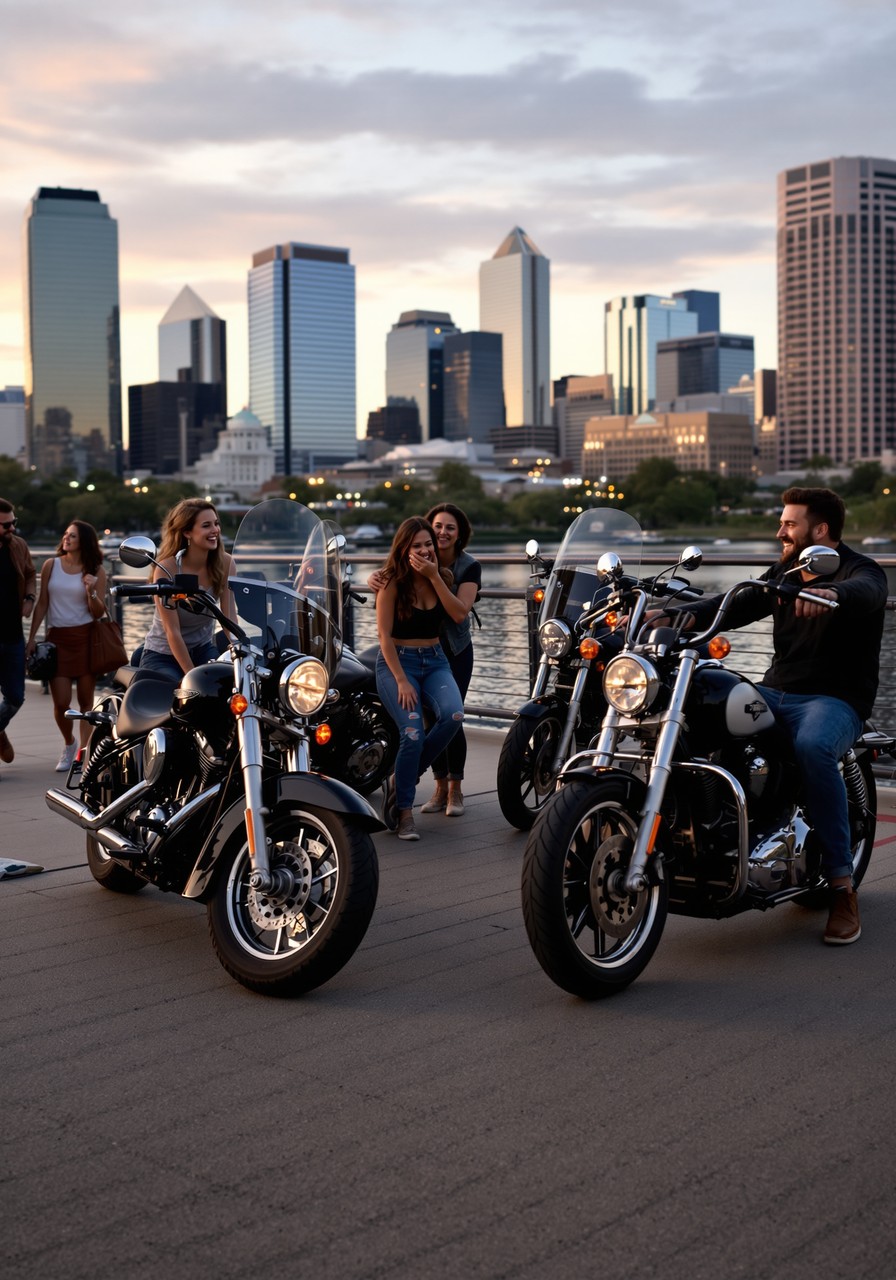
Engagement
Caption this shot of a full parking lot at the meetup spot. #RideNationAustin #AustinRiders #RideOrDie
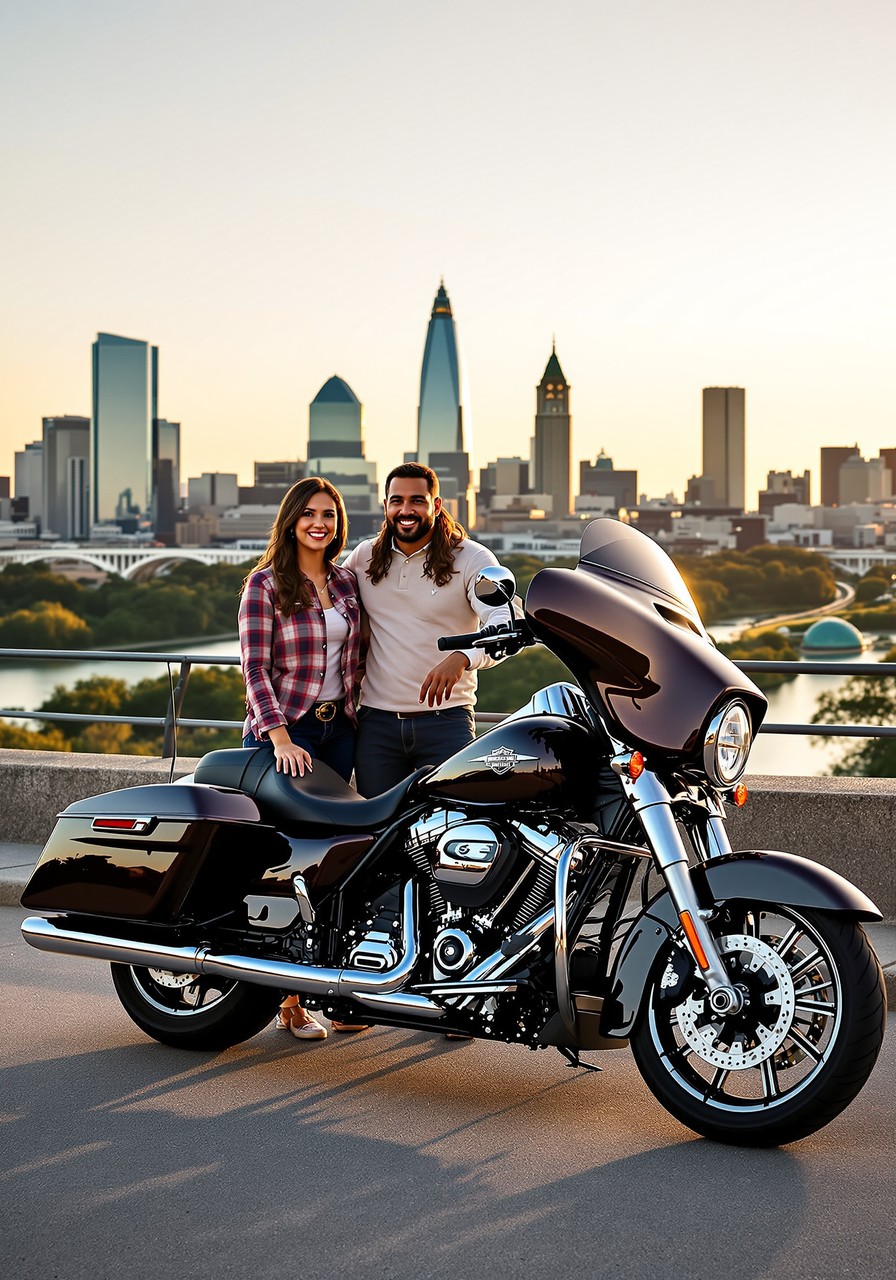
Giveaway & Countdown
Why not you this year? Free giveaways, real riders, real bikes. Keep an eye on Ride Nation Austin so you never miss an entry window. #RideNationAustin #MotorcycleGiveaway #ATX
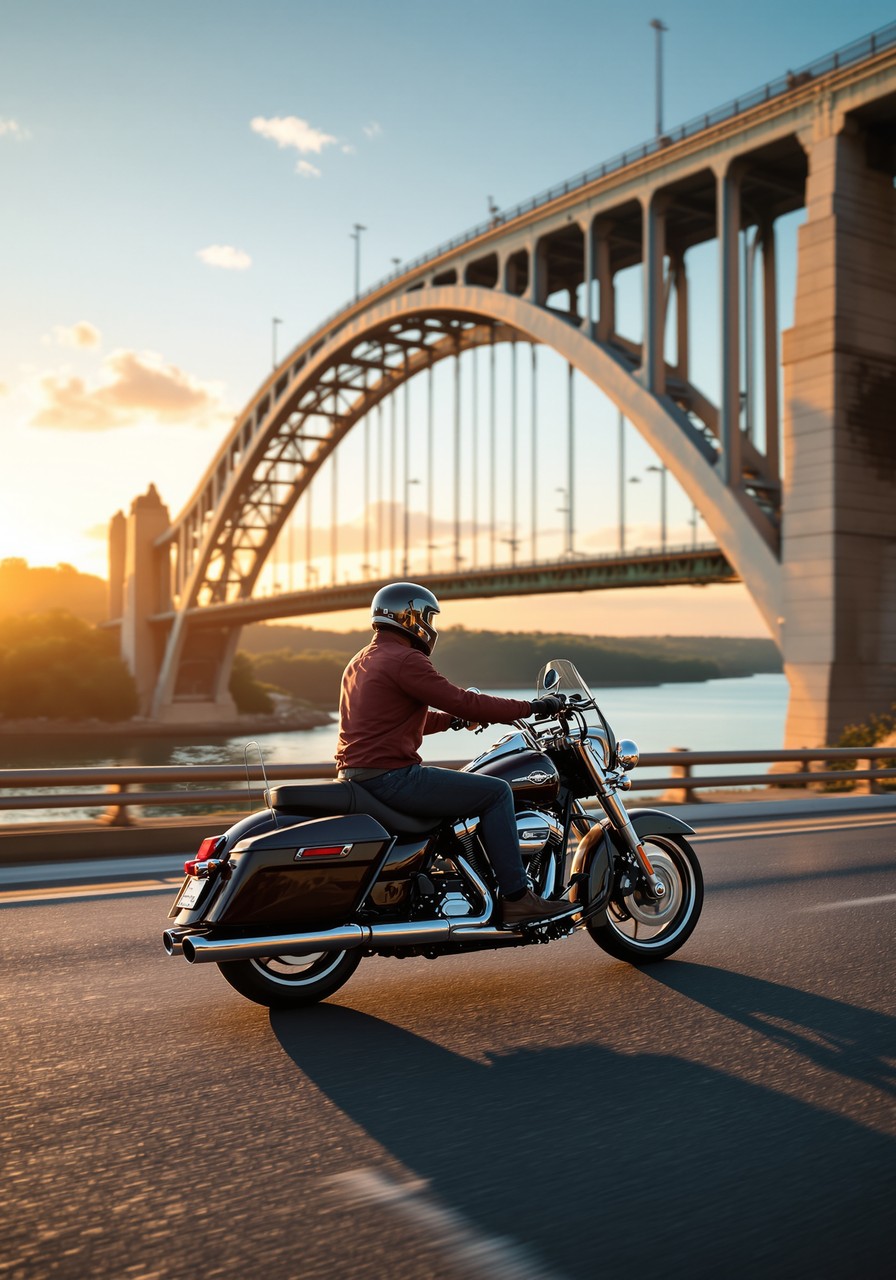
Local TX & Rides
Winter fog settles in the Hill Country river valleys at dawn. Dense patches near Wimberley and the Pedernales cut your sightline fast, so ease off in the low spots. #RideNationAustin #HillCountry #AustinRiders
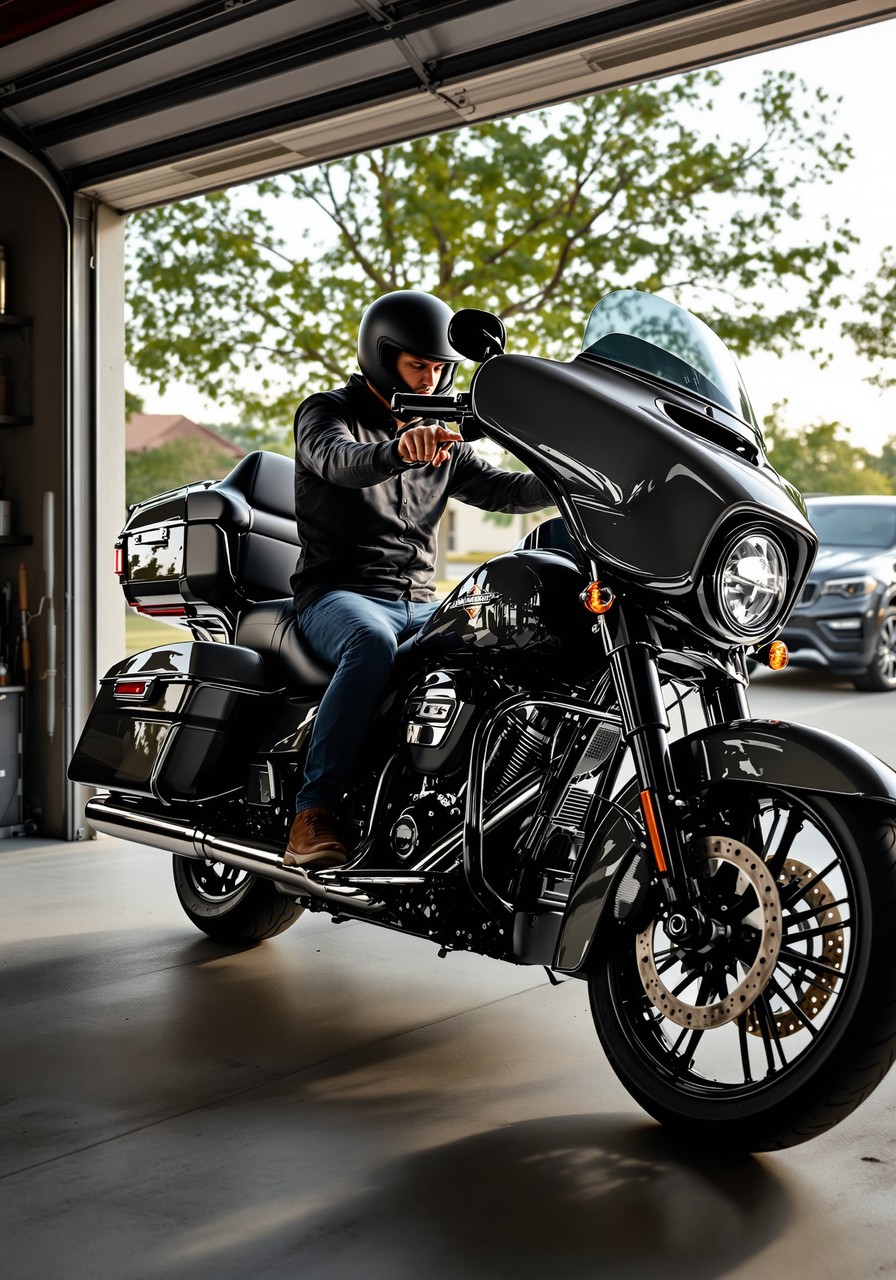
Gear & New Iron
New iron often comes with rider aids like traction control and ABS. Learn what each one does before you lean on it. The tech helps, it does not ride for you. #RideNationAustin #NewIron #RiderTips
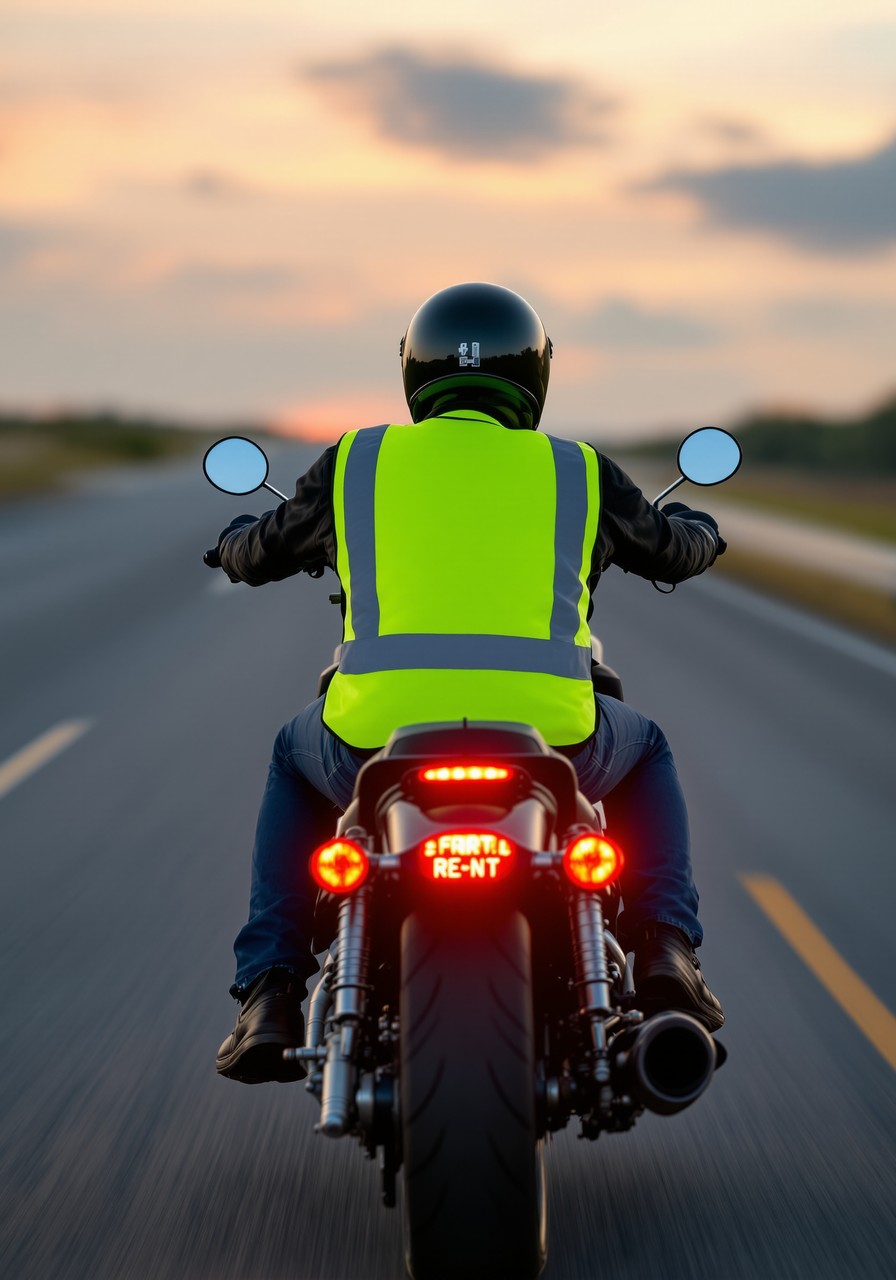
Safety & TX Law
Fresh rider or brand new bike? The two-year Texas deadline still starts the day of the wreck. Do not let it slip by. Questions about a crash? Glen Larson rides for you. 512-883-0277. #RideNationAustin #TexasLaw #AustinRiders
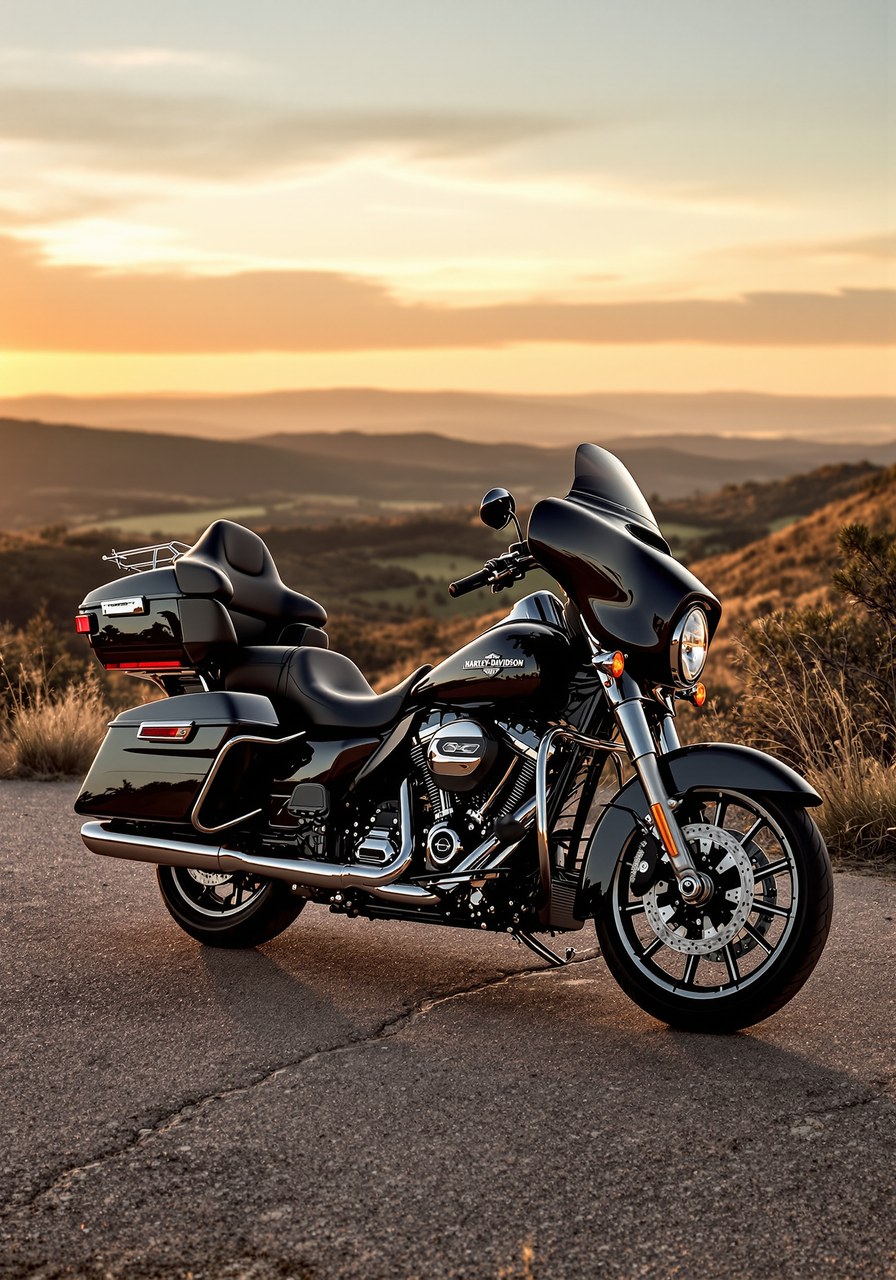
Engagement
This or that: dawn patrol run or golden hour cruise. Which light do you chase? #RideNationAustin #HillCountry #TwoWheels
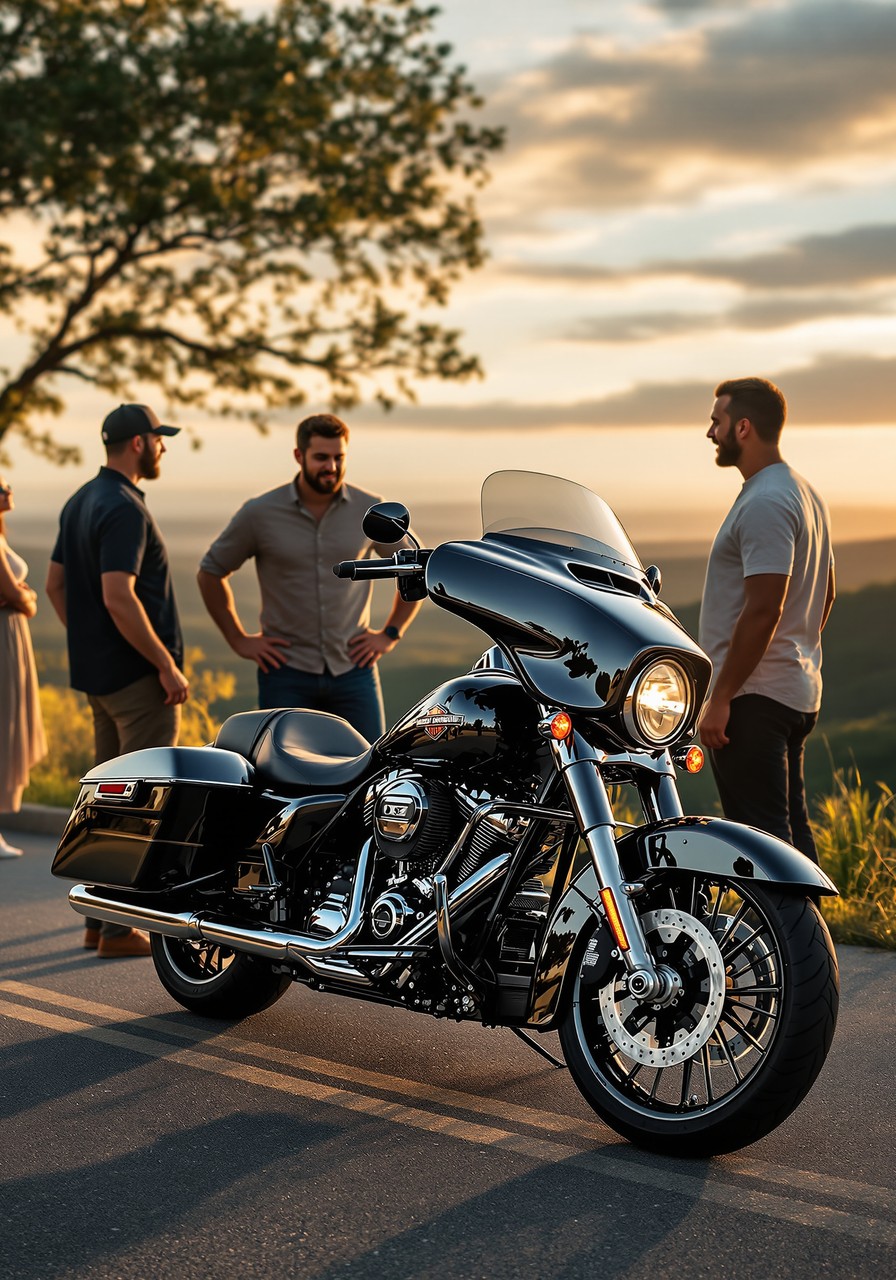
Giveaway & Countdown
Imagine 2027 starting with a brand new ride in your garage. It happens for one lucky rider at a time. Stay entered with Ride Nation. #RideNationAustin #BikersWin #WinABike
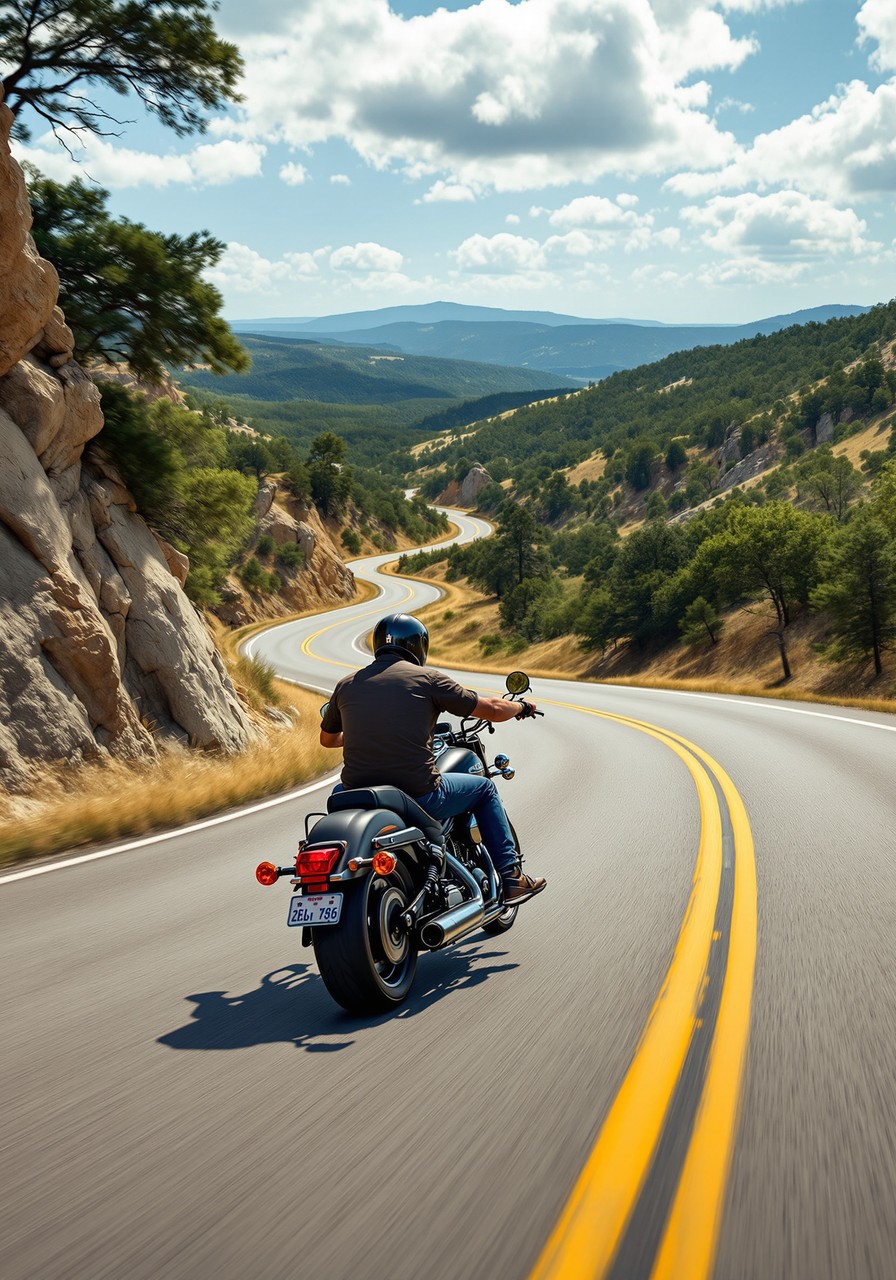
Local TX & Rides
US-183 north out of town opens up into good open riding once you clear the traffic. Watch the sun angle at dusk and keep space around you in the merges. #RideNationAustin #AustinRiders #TexasRiding
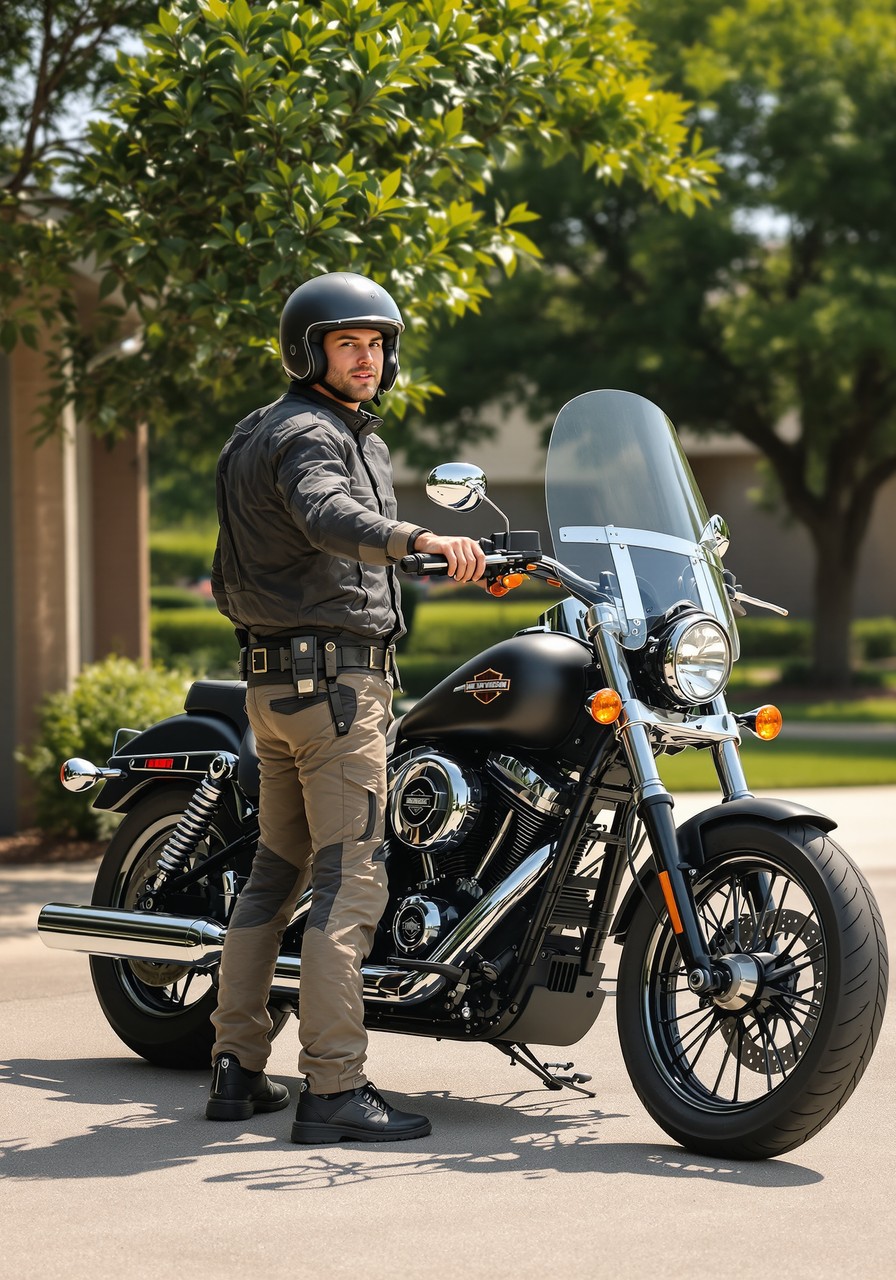
Gear & New Iron
Buying used this season. Check the tire dates, look for a smooth chain, and squeeze the brakes. A clean tank hides a lot, the components do not lie. #RideNationAustin #NewIron #MotorcycleMaintenance
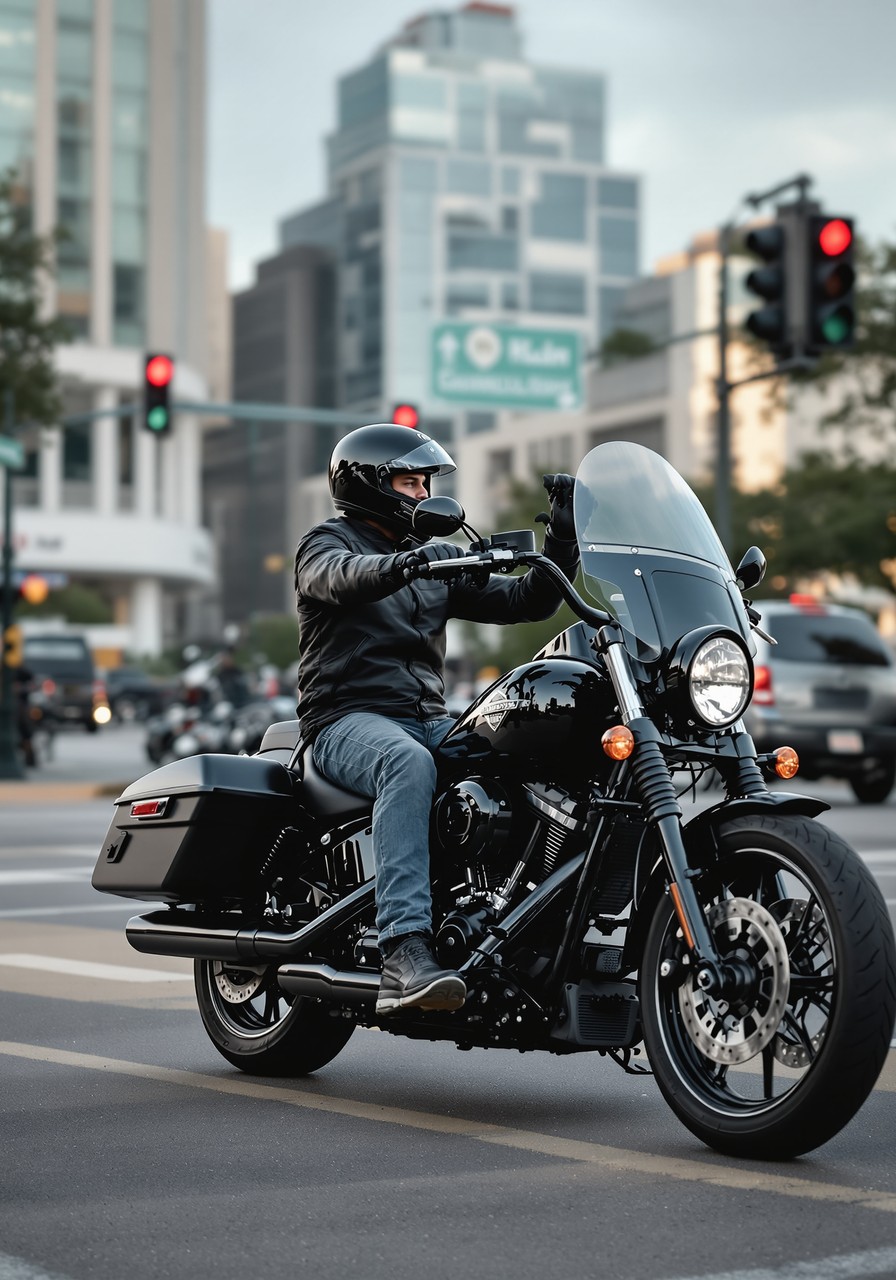
Safety & TX Law
Rain slicks the road and hides you from drivers. Ease off, brake early, and give yourself room in Austin traffic. Went down in the wet? Biker Wolfpack Law, free to call. 512-883-0277. #RideNationAustin #RiderSafety #MotorcycleSafety
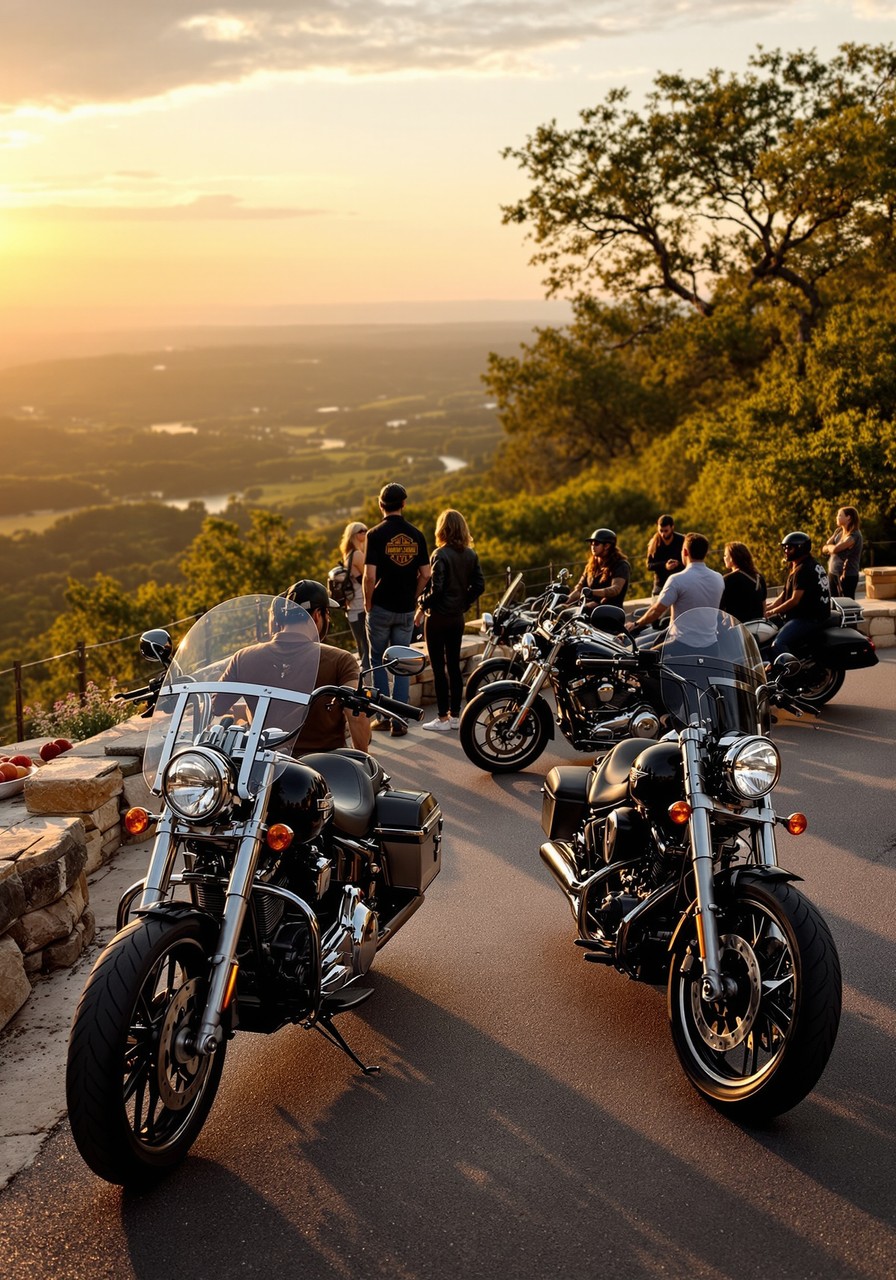
Engagement
Name the one gear upgrade that changed your riding this year. Spill it. #RideNationAustin #BikerLife #TexasRiders
Giveaway & Countdown
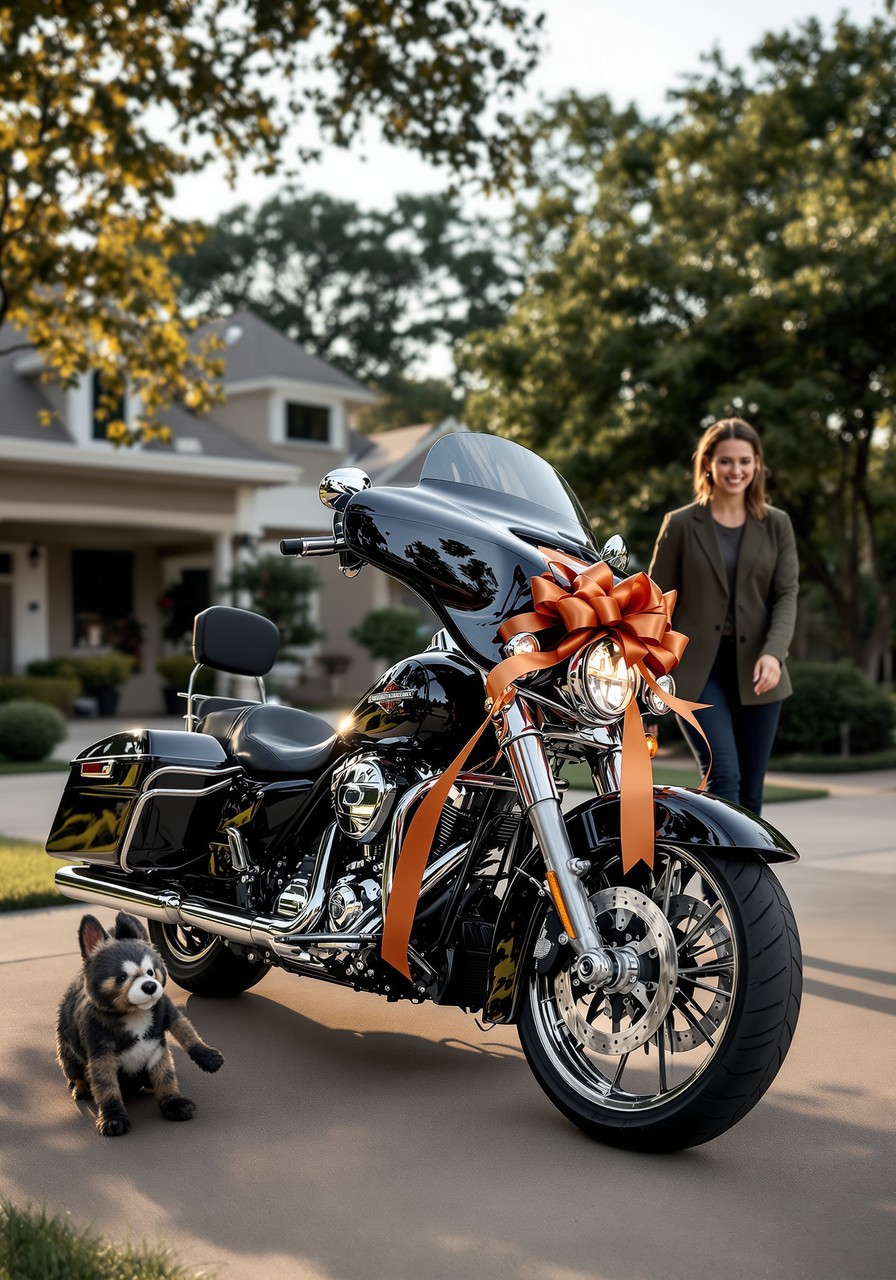
Riders 18 and up, keep those notifications on. Every giveaway we run is free, and the next one could put you on a new bike. Biker Wolfpack Law, 512-883-0277. #RideNationAustin #FreeToEnter #AustinRiders
Local TX & Rides
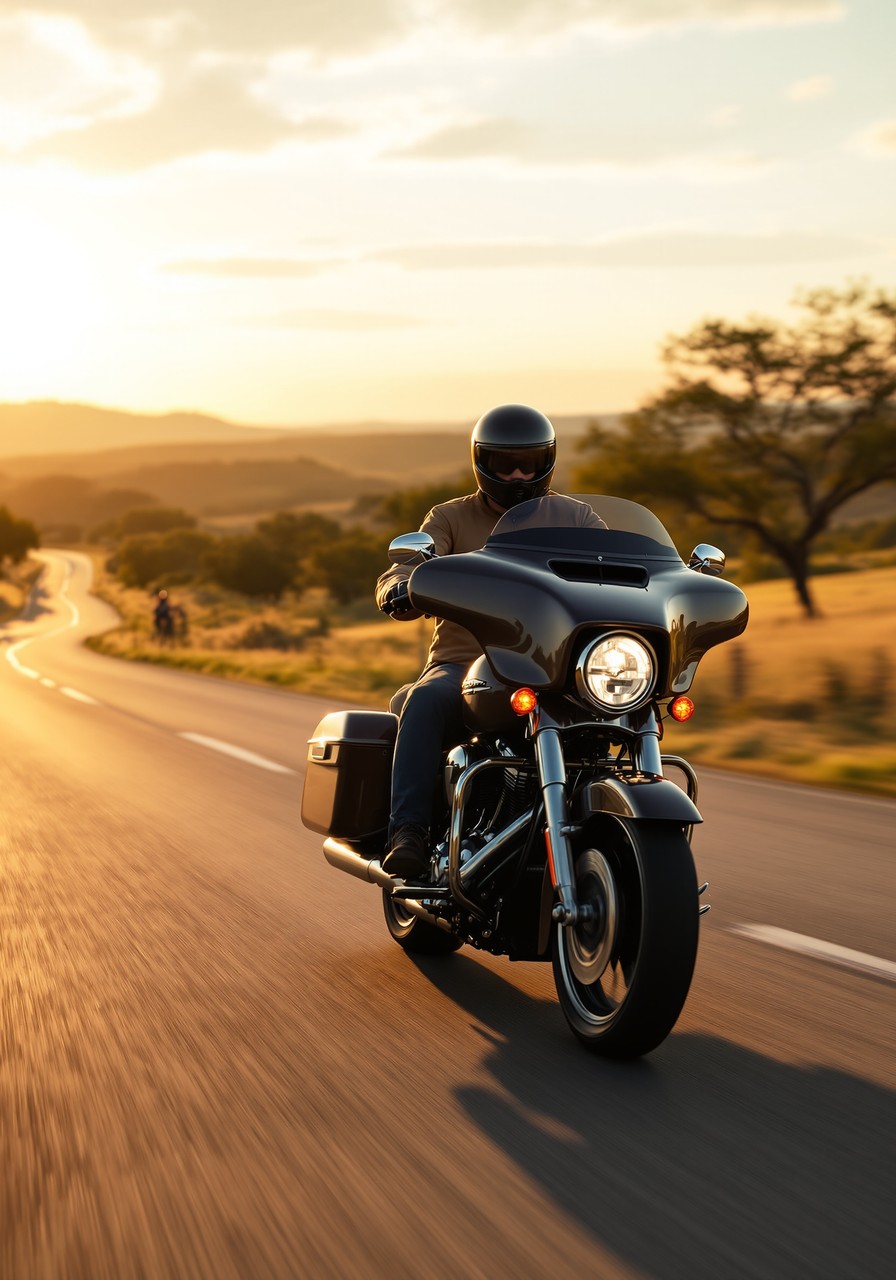
A cool clear Lake Travis afternoon and a full tank is the whole plan. Loop the lake roads, stop for the views, and roll home before dark. #RideNationAustin #LakeTravis #HillCountry
Gear & New Iron
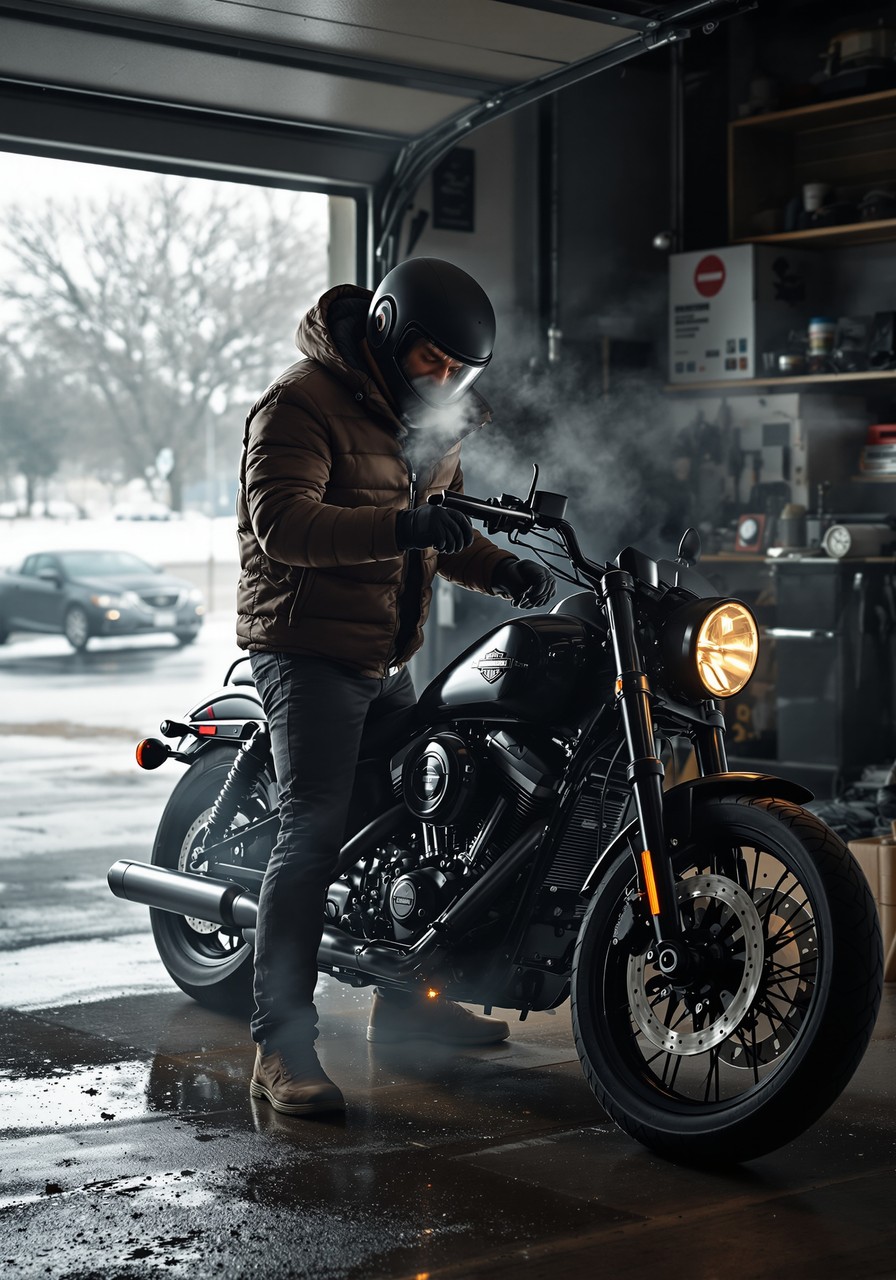
First warm weekend on new iron and everybody wants to send it. Ease into the throttle while the tires are fresh and still slick from the factory. #RideNationAustin #NewIron #RiderTips
Safety & TX Law
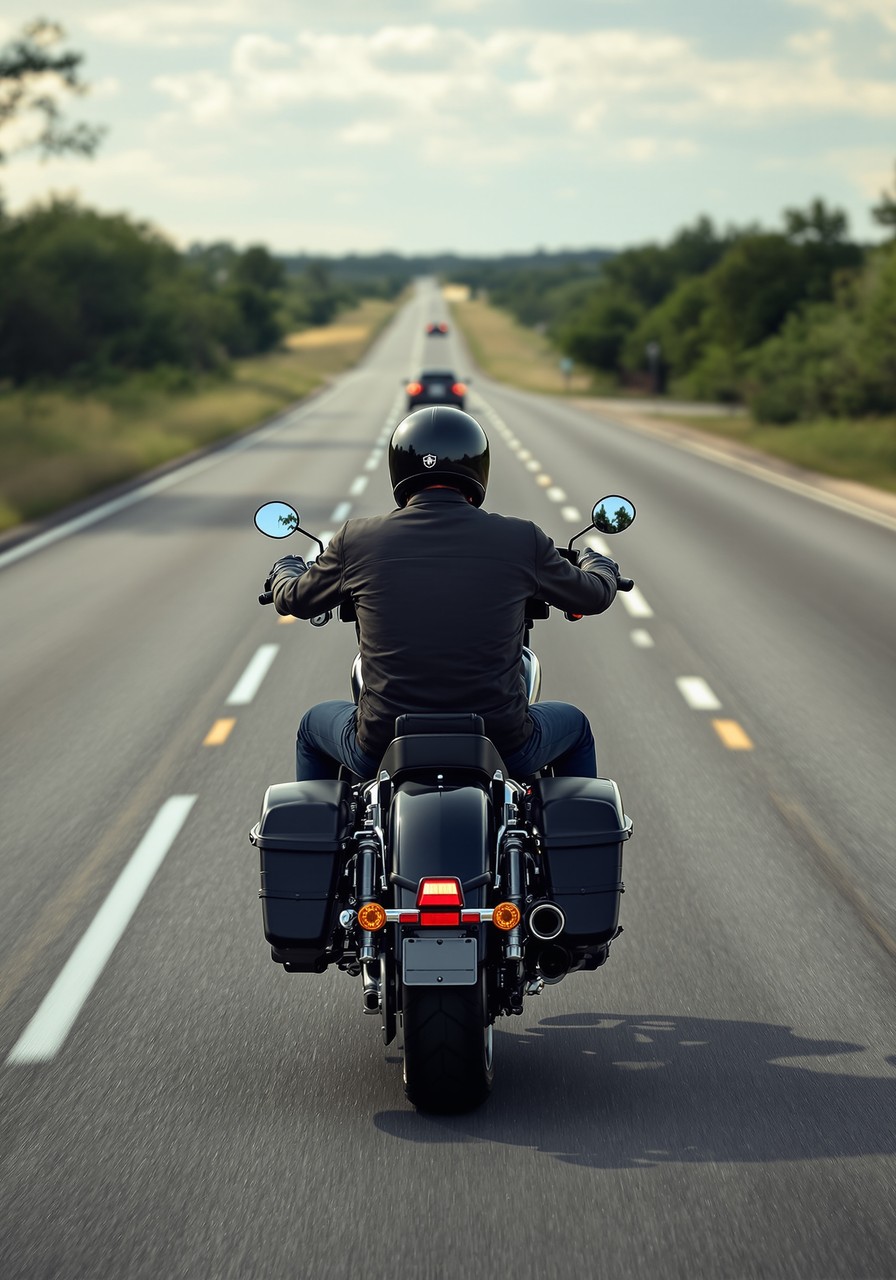
Cover your brakes near every intersection. Most car-versus-bike crashes happen right where roads cross. A half second of reaction time is everything. If you are hurt, Glen Larson is here. 512-883-0277. #RideNationAustin #MotorcycleSafety #RiderSafety
Engagement
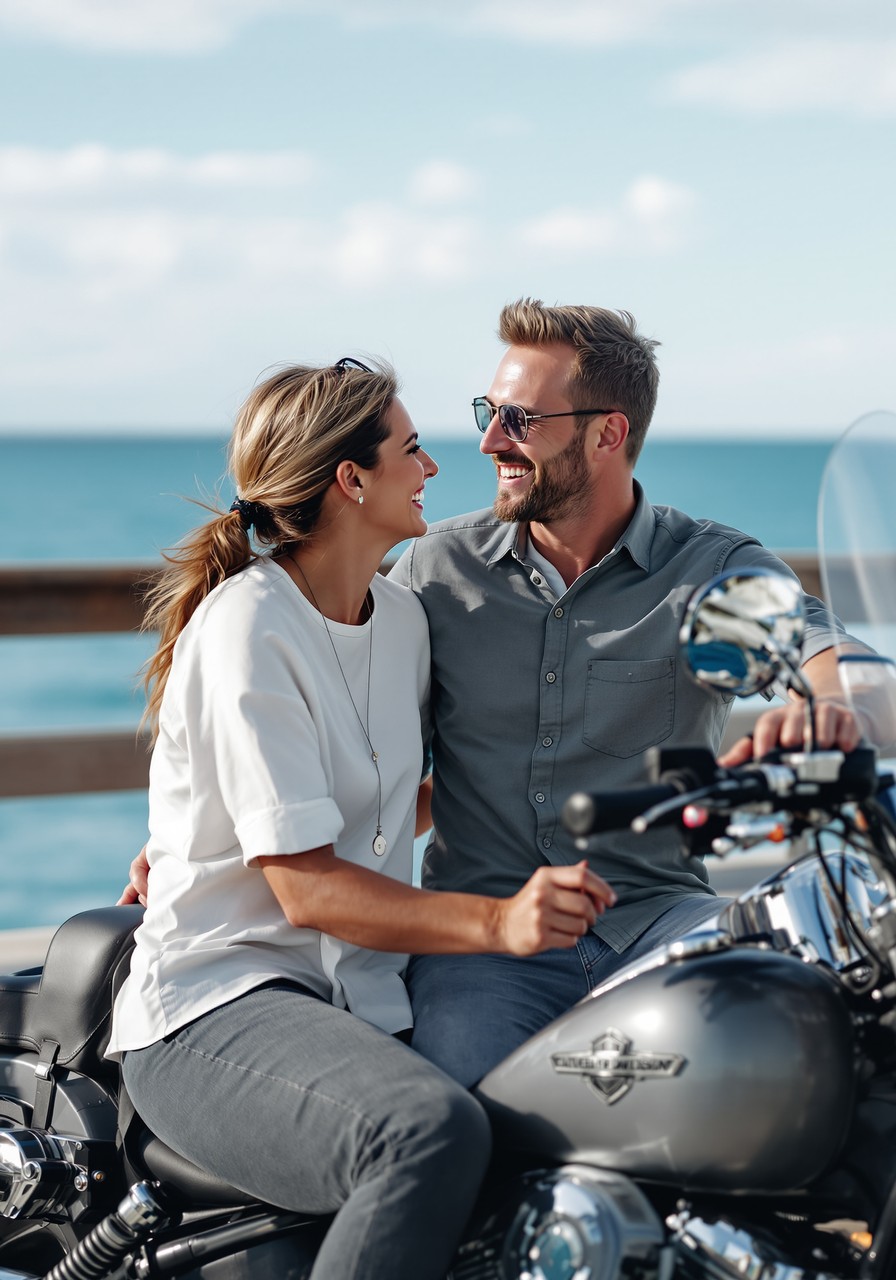
Finish this: my winter riding goal for the Hill Country is ______. #RideNationAustin #HillCountry #AustinRiders
Giveaway & Countdown
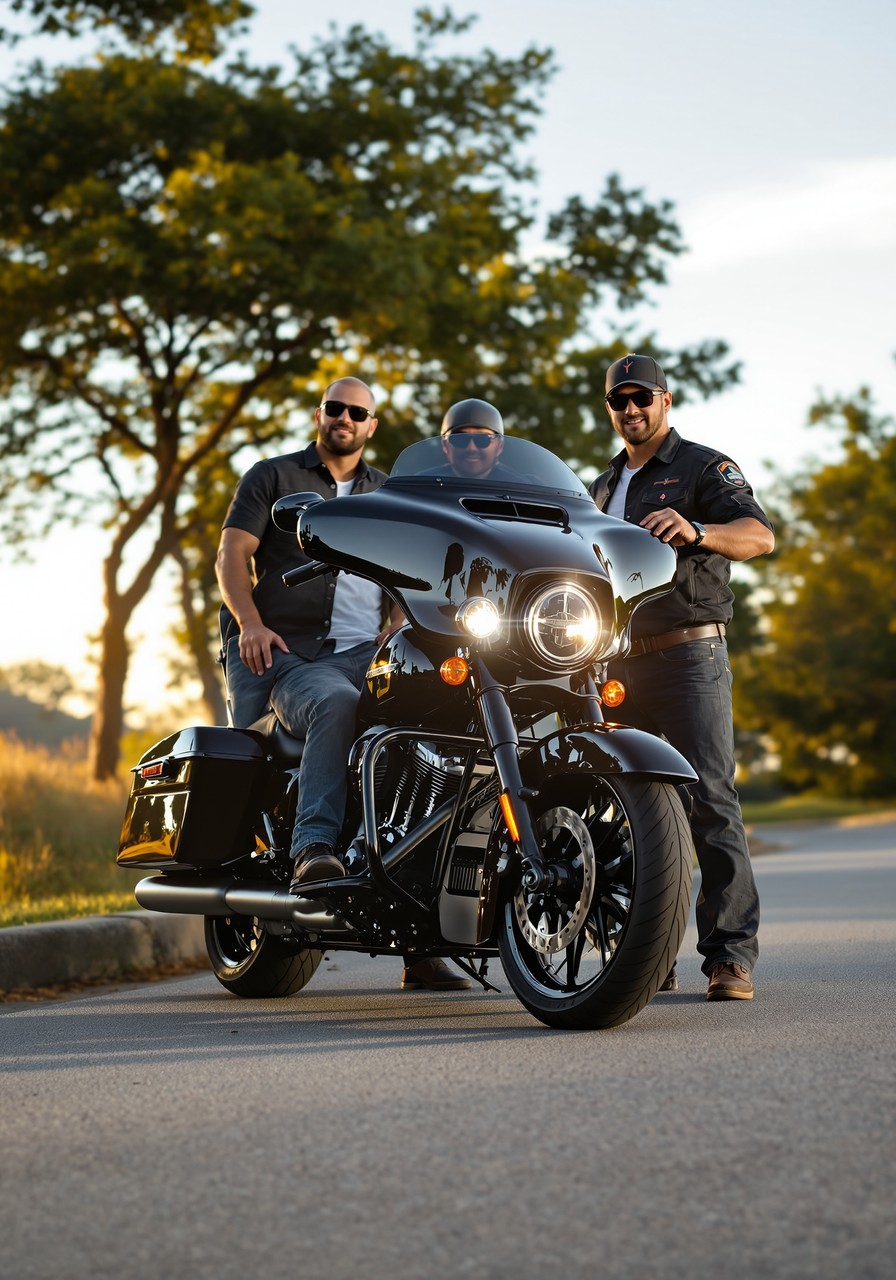
The best time to be a Ride Nation rider is right now. Free giveaways, a real community, and more chances at a new bike all year. Stay with us. #RideNationAustin #MotorcycleGiveaway #20kGiveaway
Local TX & Rides
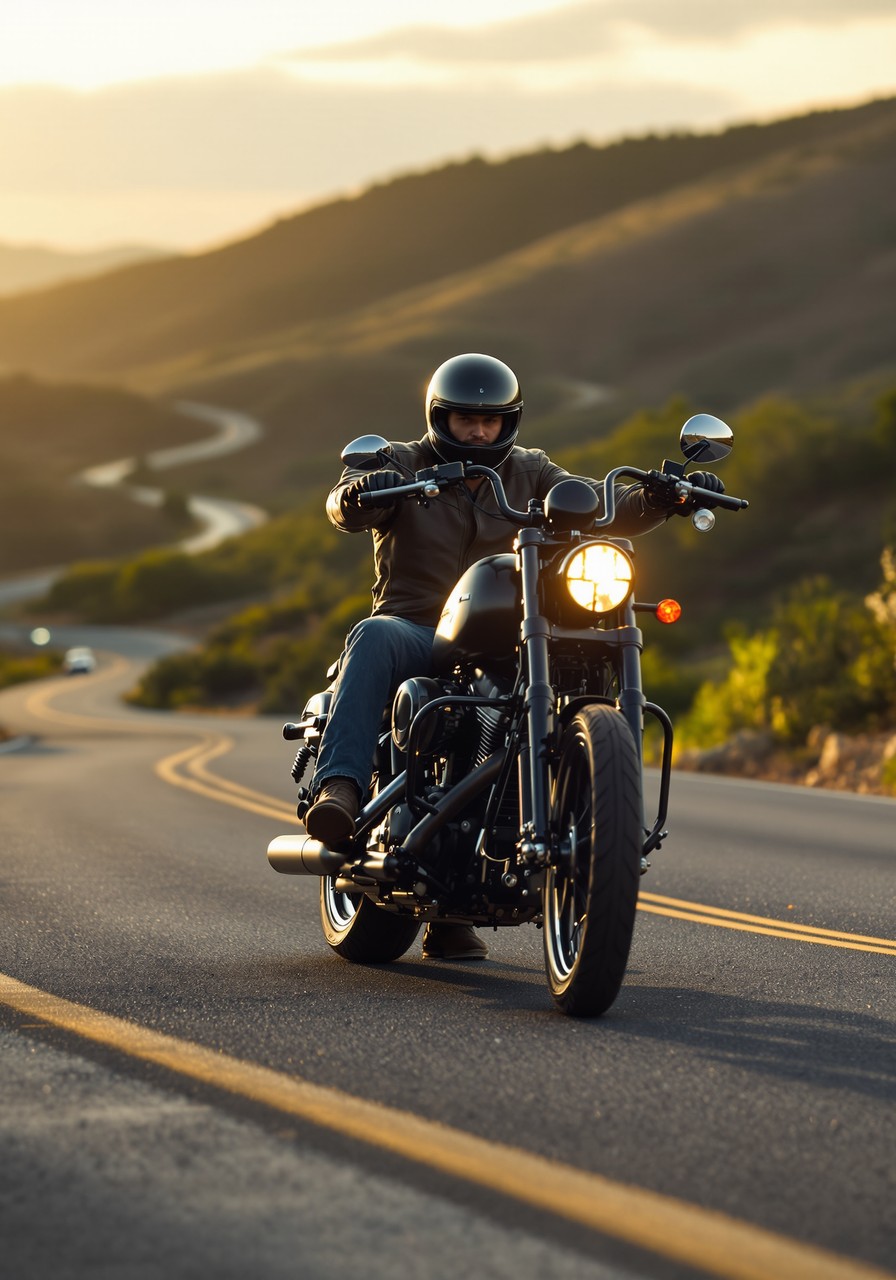
Leakey and Vanderpool sit right in the heart of the best Texas twisties. Make a weekend of it, ride the Sisters both directions, and take your time. #RideNationAustin #TwistedSisters #HillCountry
Gear & New Iron
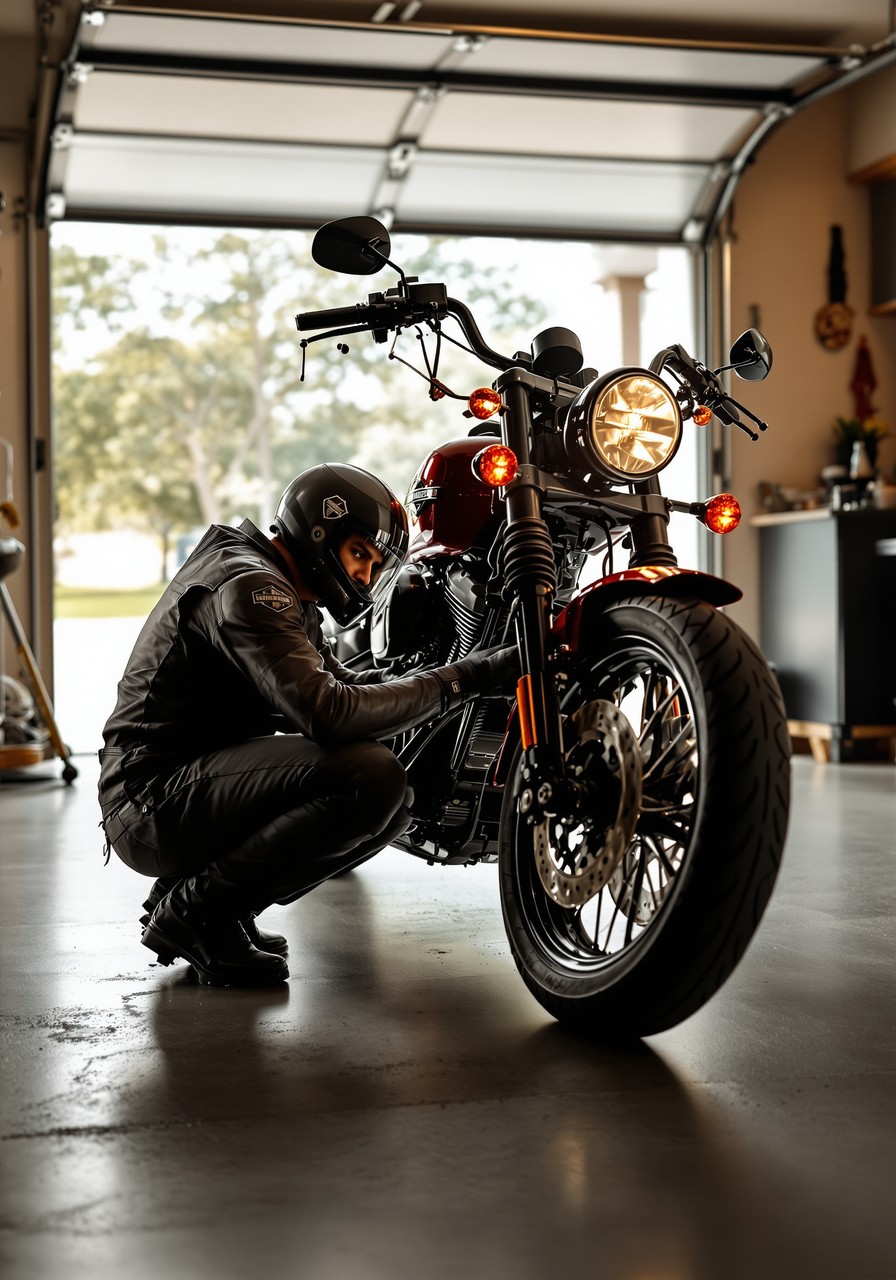
Gear up before the first spring ride, not the day of. Try the jacket, check the armor, air the tires, and top the fluids. Prep now, ride sooner. #RideNationAustin #ATGATT #MotorcycleMaintenance
Safety & TX Law
Know your coverage before you need it: liability minimums are thin, UM/UIM must be offered, and it is your real safety net in Texas. Give it a look. Questions? Biker Wolfpack Law, no cost to talk. 512-883-0277. #RideNationAustin #TexasLaw #UninsuredMotorist